
What a Japan Tour Costs from San Francisco, Flights Included
No American airport reaches Japan more cheaply. The cheapest complete trip from SFO is €1,496 (≈$1,626); the median is €3,124 (≈$3,396).
By Adam, founding editor · Updated 1 September 2026
- ✓Cheapest complete Japan trip from SFO: €1,496 (≈$1,626) — best in America
- ✓Median complete trip: €3,124 (≈$3,396) — also best in America
- ✓€572 (≈$622) cheaper than Chicago on the same holiday
- ✓Yet SFO is only 6th of 8 US gateways for Italy
San Francisco is the best airport in the United States for reaching Japan, and it is not particularly close. We priced 39 Japan tours against live SFO return fares in July 2026 for October departures, and the Bay Area came first on both measures that matter: €1,496 (≈$1,626) for the cheapest complete trip and €3,124 (≈$3,396) at the median. Chicago, at the other end of the same table, costs €2,068 (≈$2,248) and €3,479 (≈$3,782). That is a €572 (≈$622) advantage on the floor and €355 (≈$386) at the median for living on the right side of the country. The same airport, incidentally, is one of the worst in America for flying to Italy — a contradiction worth understanding before you book anything.
The floor and the median — both national bests
The cheapest complete Japan trip from San Francisco came to €1,496 (≈$1,626): €616 (≈$670) for an eight-day Sado Island itinerary combining conservation volunteering, cultural immersion and a temple stay, plus €880 (≈$957) for the return flight. Even at America's lowest transpacific fare, the flight is still €264 (≈$287) more than the tour — that is simply the shape of a Japan trip.
The median across all 39 combinations was €3,124 (≈$3,396), also the lowest in the country. The €1,628 (≈$1,770) gap between floor and median is the usual Japanese pattern: the cheap tier is rural and specialised, the middle is the Tokyo–Hakone–Kyoto–Osaka circuit that most people picture when they say Japan.
San Francisco's median fare was €831 (≈$903), tied with Los Angeles for the lowest in America and €263 (≈$286) below New York's €1,094 (≈$1,189). What separates SFO from LAX is not the typical fare — they are level — but the bottom of the market: on the single cheapest combination San Francisco's flight component came in at €880 (≈$957) against Los Angeles's €1,001 (≈$1,088), and that €121 (≈$132) is what puts the Bay Area first outright.
The full eight-airport comparison is in the Japan tour cost index from US airports.
The shortest hop from the mainland, and the deepest Asia network
San Francisco to Tokyo is about 5,150 miles and ten and a half to eleven and a half hours westbound — the shortest crossing from any mainland American city we price. Both Haneda and Narita are served nonstop, by Japan Airlines, All Nippon Airways, United and ZIPAIR among others, and United's own transpacific operation out of SFO is among the largest in the country.
That depth is the Bay Area's structural advantage. It exists because Silicon Valley generates enormous year-round business demand to Asia, which supports frequency that leisure traffic alone never would, and frequency is what creates cheap seats in the shoulder months. It is precisely the asset that San Francisco lacks on the transatlantic side, which is why the same airport is sixth of eight for Italy.
On timing: departures generally leave late morning and land in Japan the next afternoon after crossing the date line, and the return arrives the same calendar day it departs. Even on the shortest mainland crossing, the first evening in Japan is not a working evening. Build in a recovery night before the tour's welcome briefing rather than after it.
If your itinerary starts in Kyoto, check Kansai directly. San Francisco has direct service to Osaka on some schedules, and when it prices within €80 (≈$87) of a Tokyo fare it is the better booking — you save the shinkansen leg and most of an afternoon. When it does not, fly into Tokyo and take the train, which is a pleasant introduction to the country rather than a chore.
What Japanese tour prices actually cover
Below €1,200 (≈$1,304) in land cost sits the specialised tier — island programmes like the one anchoring our cheapest total, temple stays on Koya-san, sections of the Kumano Kodo walked over several days, homestays in rural Tohoku. These are genuinely good trips and they are not a first-timer's Japan.
Between €1,200 (≈$1,304) and €2,800 (≈$3,043) is the classic run: Tokyo, Hakone or the Fuji lakes, Kyoto, Nara, often Hiroshima and Miyajima, across ten to fourteen days by shinkansen. The median lives here. When comparing two tours in this band, the decisive variable is almost always whether rail is included — a fortnight of unlimited bullet-train travel is a serious line item and operators are split on bundling it.
Above €2,800 (≈$3,043) the money buys ryokan stays with kaiseki dinners, private guiding, tea and craft workshops, and smaller groups. Japan justifies this better than most destinations, because the temple, the garden and the meal are all substantially improved by someone who can explain them.
A cost note that surprises people: eating in Japan is inexpensive relative to Western Europe, so a tour including fewer meals is not the false economy it would be in Italy. Set against that, rural Japan still runs on cash more than its technological reputation implies, and hotels collect a local accommodation tax. Budget roughly €45 (≈$49) a day for meals outside the itinerary, local transport and entry fees. The Bay Area's business-driven frequency has a booking-behaviour consequence worth exploiting. Because so much of the transpacific inventory out of San Francisco is held for corporate travellers who book late, leisure fares behave differently here than on thinner routes: the cheapest seats appear earlier, and the late-booking penalty is steeper than average. Roughly three to five months ahead is the productive window for an autumn departure. Waiting for a last-minute transpacific sale from SFO is a losing strategy, whatever it might achieve on a European route.
Japan's seasons move both halves of the price simultaneously, more sharply than anywhere in Europe. Cherry blossom from late March into mid-April is the peak — fares, land prices and hotel scarcity all at once. The autumn colour through November is very nearly as good and considerably cheaper, which is why October and November dominate our data. Golden Week at the start of May and the New Year holidays are the two periods to avoid entirely, because the constraint there is availability rather than money.
The rail component is the largest hidden variable in comparing Japanese tours. A nationwide two-week pass costs about €500 (≈$543) and a one-week pass about €320 (≈$348), so two fourteen-day itineraries advertised €400 (≈$435) apart may be identical once the pass is added back to the cheaper one. On trips staying inside the Tokyo–Kyoto corridor, individual shinkansen tickets frequently beat a nationwide pass, so an operator that includes named tickets rather than a pass may be offering better value rather than less.
Two habits will save you money and awkwardness on the ground. Carry more cash than instinct suggests: Japanese cities are card-friendly but rural guesthouses, small restaurants and temple entries frequently are not, and foreign cards work reliably only at post office and convenience-store machines. Around €200 (≈$217) in hand is a reasonable working figure for a mid-range trip, topped up at a convenience store every few days rather than in one nervous withdrawal at the airport.
And do not tip. Tipping is not customary in Japan and attempting it causes confusion rather than pleasure — service charges are already included where they apply. For American visitors accustomed to adding ten to twenty per cent to every meal and transfer, that is a real saving across a fortnight, and it offsets a useful share of the daily spending money the tour price does not cover.
Our Japan tour cost guide breaks the land side down in detail.
The Japan tours in these San Francisco totals
Prices are tour-only — add flights for the real total. You book the tour itself on TourRadar.
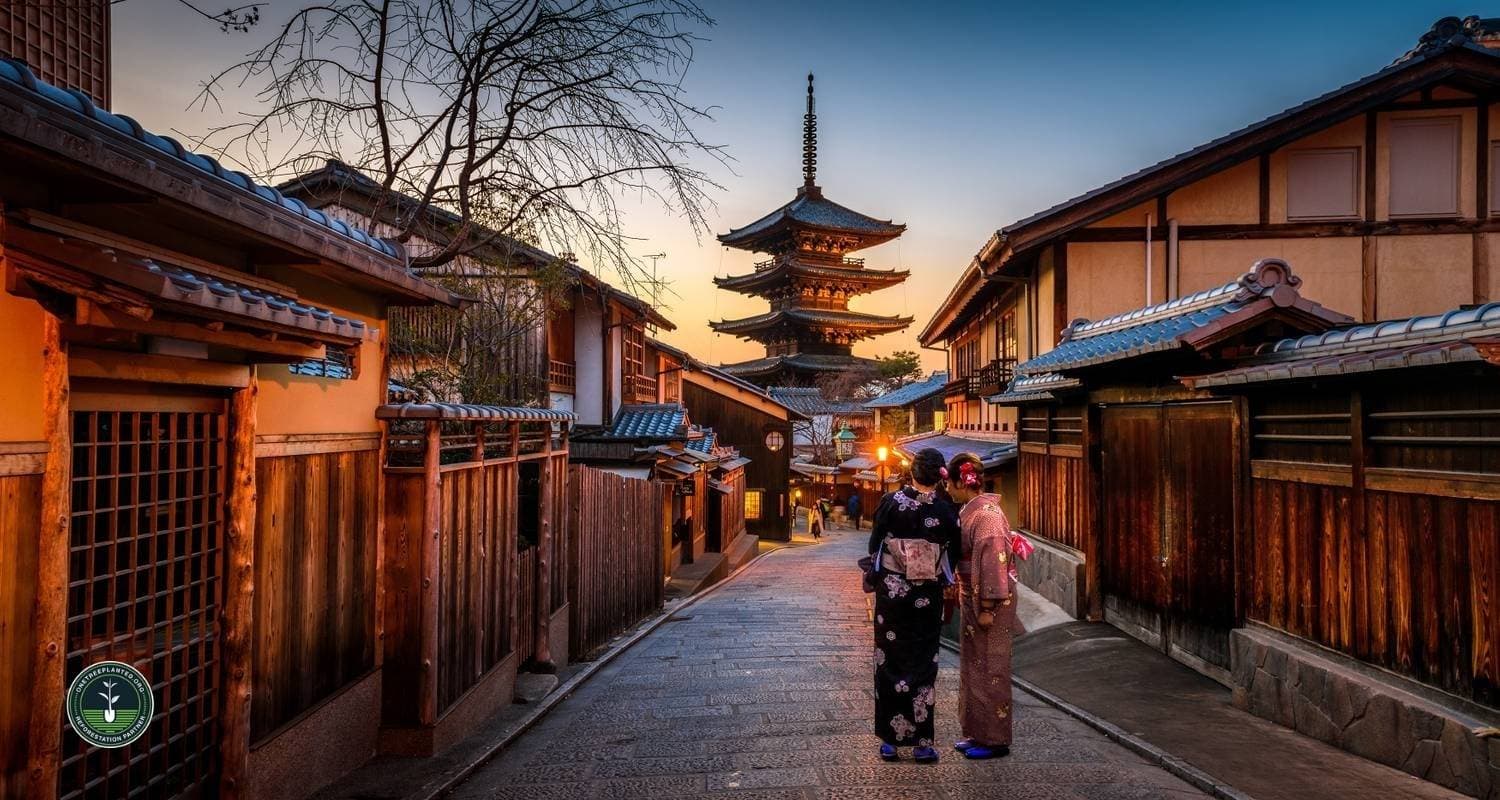
Japan Classic 10 Day - One Life Adventures
10 days · One Life Adventures
4.8· 2,287 reviews✓ Instant confirmationtour from €2,433
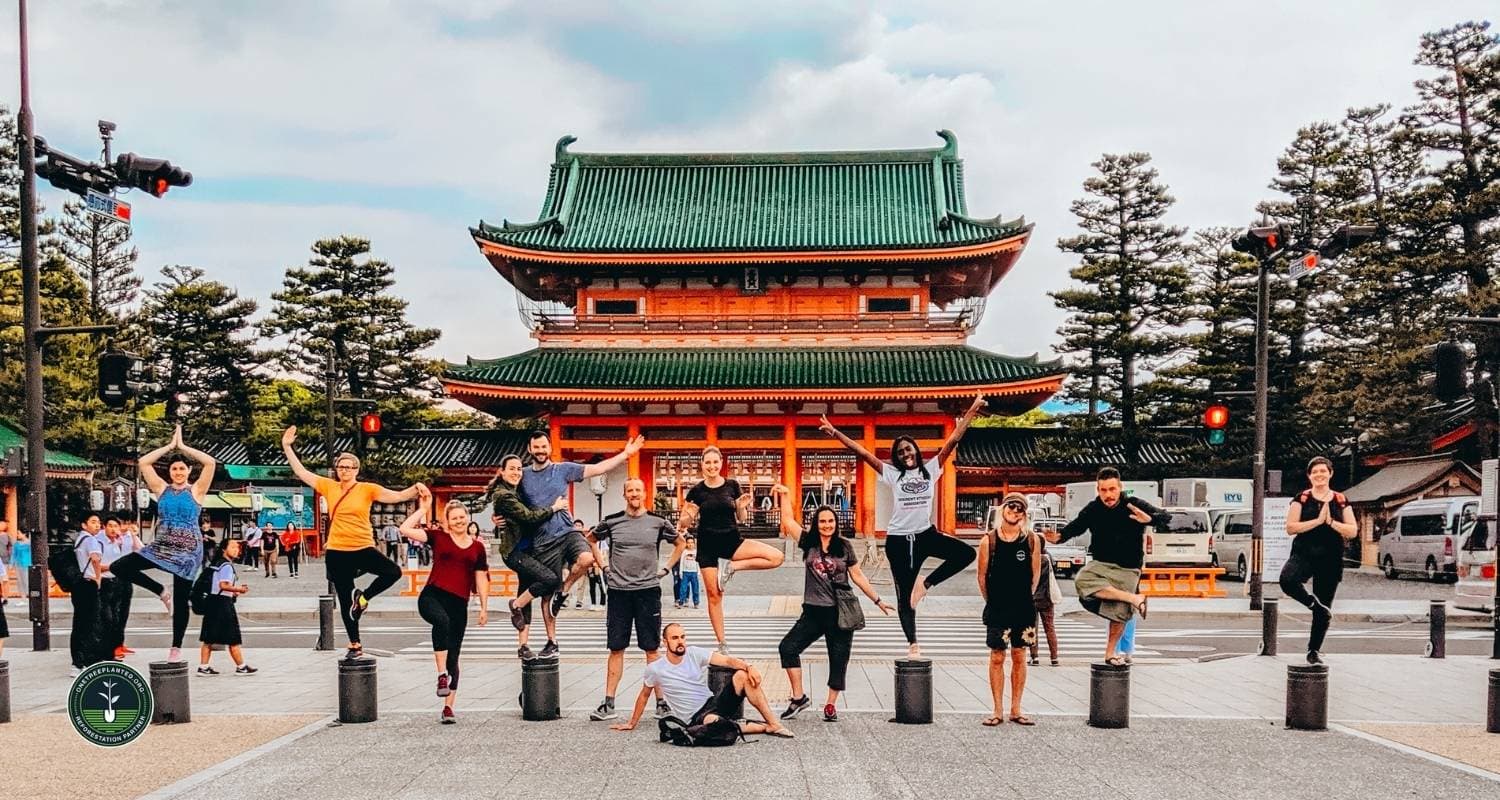
Japan Classic 14 Day - One Life Adventures
14 days · One Life Adventures
4.9· 970 reviews✓ Instant confirmationtour from €3,105
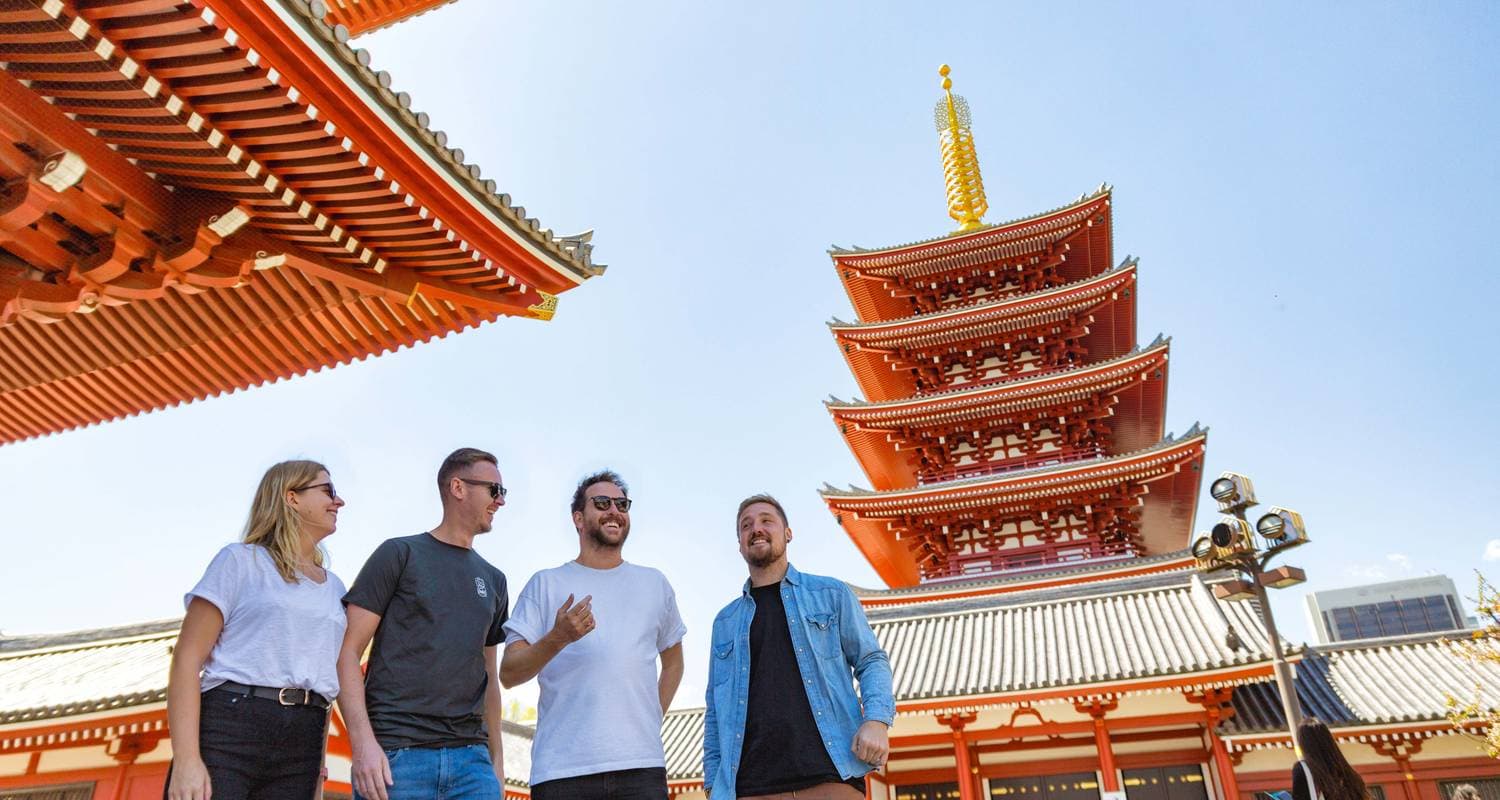
Japan Adventure 13 Day
13 days · INTRO Travel
4.9· 404 reviews✓ Instant confirmationtour from €2,851
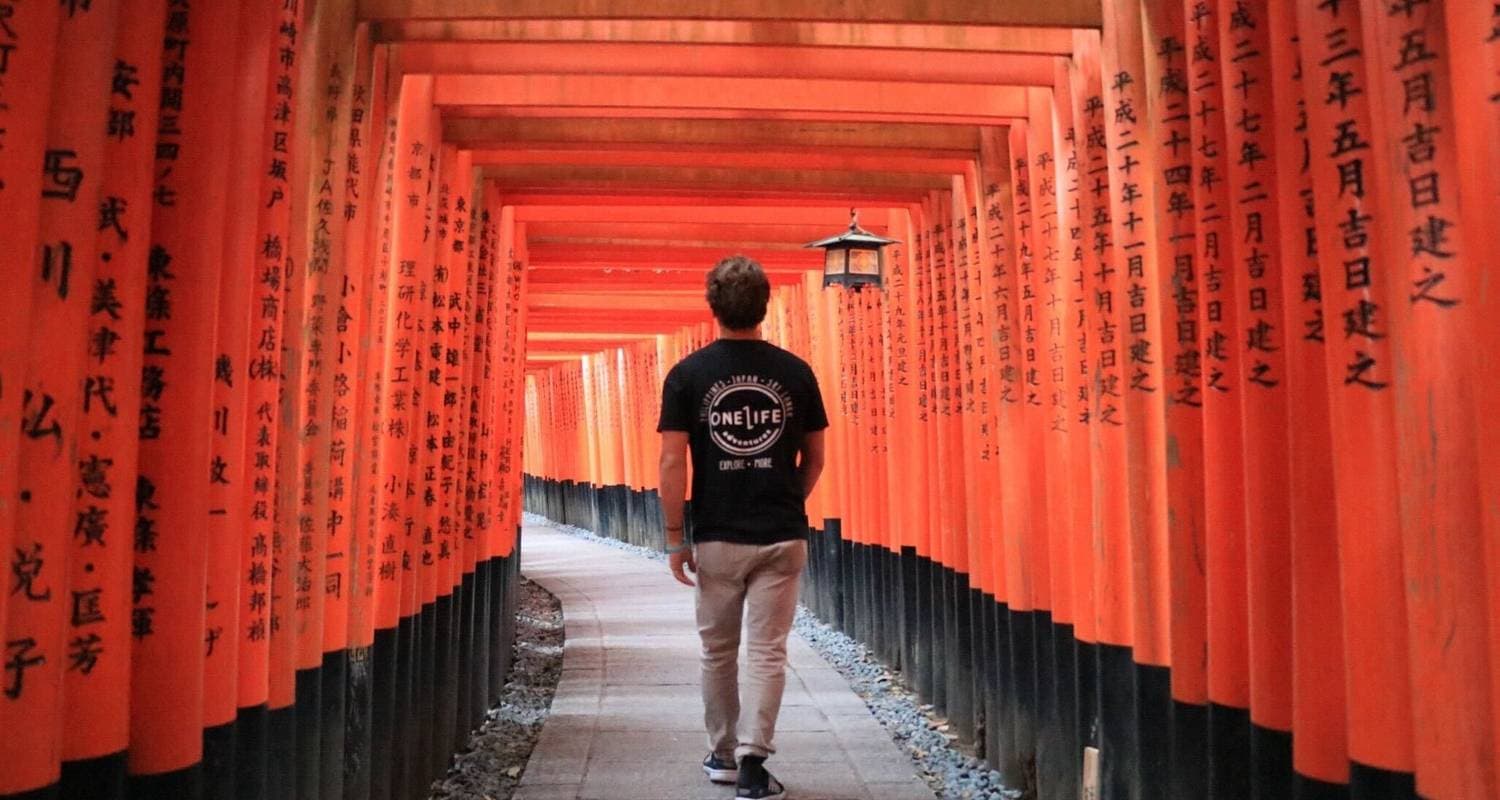
Japan Essentials 9 Day - One Life Adventures
9 days · One Life Adventures
4.8· 353 reviews✓ Instant confirmationtour from €1,697
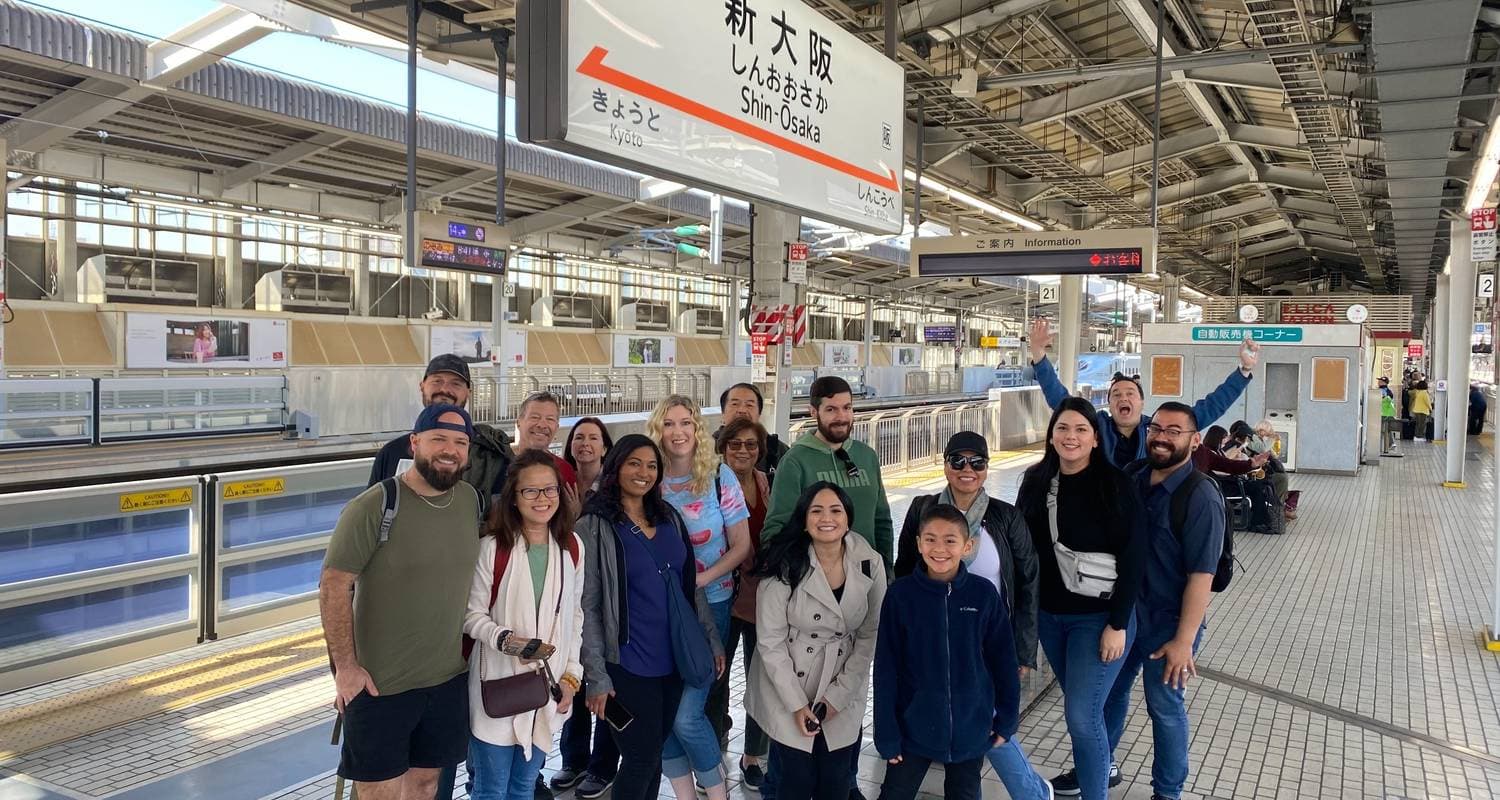
9D Splendid Japan-Private 3 Star Hotels-Osaka to Tokyo
9 days · Stunning Tours
4.5· 343 reviews✓ Instant confirmationtour from €3,494
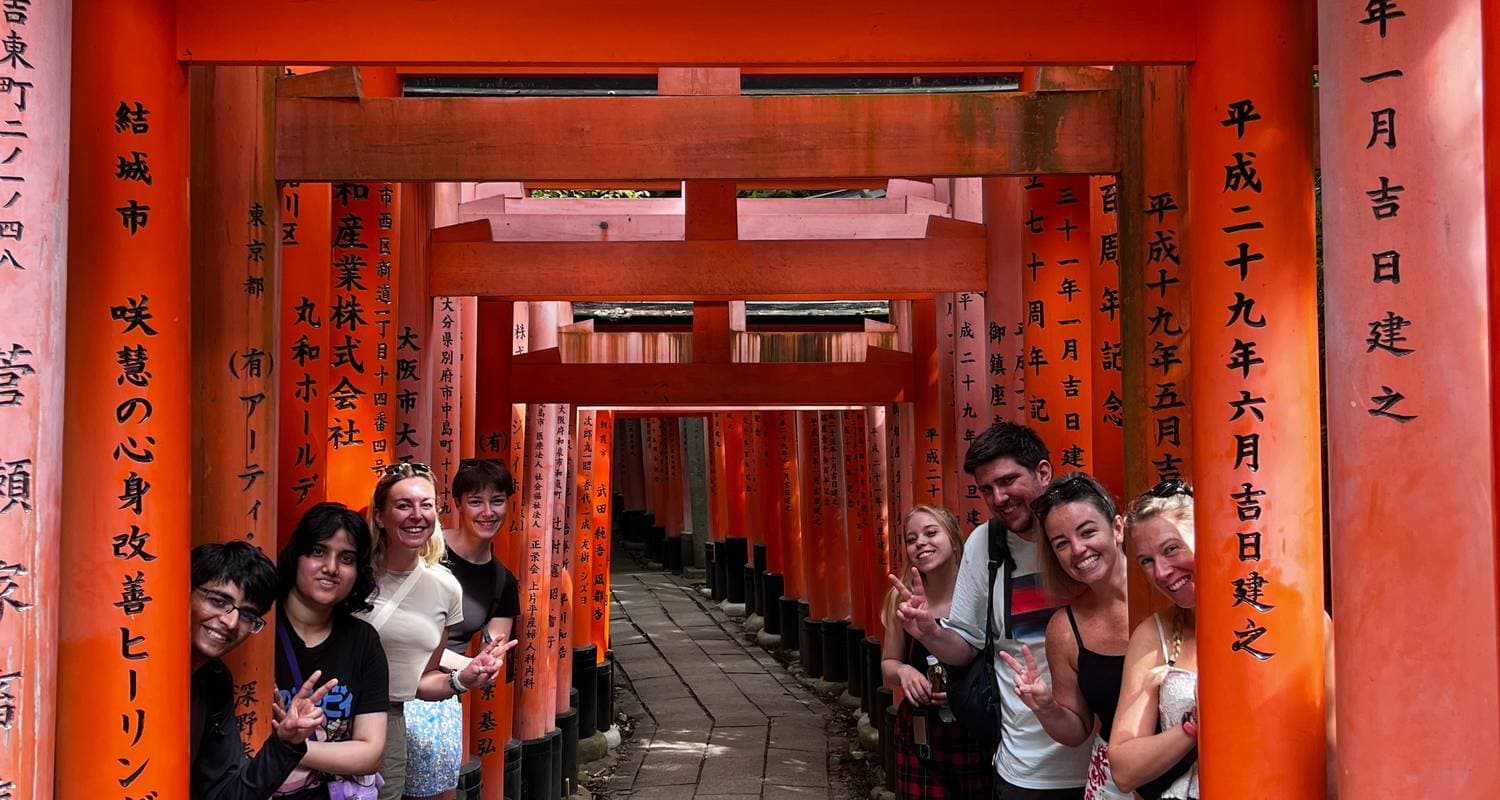
13-Day Japan Tour: Tokyo, Mount Fuji, Kyoto, Nara, Osaka & Beyond
13 days · The Dragon Trip
4.4· 166 reviews✓ Instant confirmationtour from €2,935
First for Japan, sixth for Italy — read your airport by direction
Ranked by cheapest complete Japan trip: San Francisco €1,496 (≈$1,626), New York €1,543 (≈$1,677), Los Angeles €1,617 (≈$1,758), Dallas–Fort Worth €1,769 (≈$1,923), Miami €1,776 (≈$1,930), Boston €1,828 (≈$1,987), Seattle €2,030 (≈$2,207), Chicago €2,068 (≈$2,248). Ranked by median: San Francisco €3,124 (≈$3,396), Los Angeles €3,139 (≈$3,412), Dallas–Fort Worth €3,178 (≈$3,454), Miami €3,246 (≈$3,528), Seattle €3,283 (≈$3,568), Boston €3,329 (≈$3,618), New York €3,393 (≈$3,688), Chicago €3,479 (≈$3,782). First on both.
Now the same airport for Italy: New York €1,417 (≈$1,540), Boston €1,443 (≈$1,568), Los Angeles €1,549 (≈$1,684), Miami €1,566 (≈$1,702), Dallas–Fort Worth €1,591 (≈$1,729), San Francisco €1,603 (≈$1,742), Chicago €1,613 (≈$1,753), Seattle €1,633 (≈$1,775). Sixth of eight, with the highest median transatlantic fare in the set.
The lesson generalises well beyond these two destinations: a home airport is cheap or expensive per direction, never in general, and the direction it is good at is the one its business travellers fly. San Francisco's Asia network is world-class because Silicon Valley pays for it year-round; its Europe network is thin for the same reason in reverse.
So the practical advice for Bay Area travellers splits cleanly. For Asia, stop shopping — you are already in the best market in the country, and positioning elsewhere will cost you money. For Europe, shop hard, accept a connection, and check whether a domestic leg to New York beats a through-fare. The scale confirms it: the American spread on Japan is €572 (≈$622), on Italy only €216 (≈$235). See what an Italy tour costs from San Francisco for that side of the ledger.
Cutting a San Francisco to Japan total further
Go in the autumn shoulder. Late October and November deliver the maple colour at a fraction of the cherry-blossom premium, when fares and land prices rise in step. Skip Golden Week in spring altogether, and treat the New Year period as a scarcity problem rather than a price one.
Let ZIPAIR set your expectations even if you fly someone else. The low-cost transpacific operation out of the west coast is a large part of why the median fare here is €831 (≈$903), and its schedule pulls down what the legacy carriers ask on adjacent dates.
Resolve the rail question before comparing anything. Two Japanese tours that appear €400 (≈$435) apart are often identical once unlimited shinkansen travel is added back to the cheaper one. This single check saves more confusion than any other in Japan planning.
Buy length, not polish. The €880 (≈$957) fare does not change with the length of the tour, and the classic circuit is rushed under ten days. Extending from ten days to fourteen is the best value available on the whole invoice.
Do not chase the floor if it is not the trip you want. The €1,496 (≈$1,626) figure is real, but it is an island volunteering programme, not a cheaper Kyoto. Choosing it because it is inexpensive rather than because it appeals is the most common way people end up disappointed by a well-priced holiday.
And price both halves together. When the flight is the larger component, land prices in isolation tell you almost nothing — search Japan tours from San Francisco and the fare is costed against the tour before you commit to either.
Ready to price your trip?
Enter your origin airport and month — we'll search live flight and tour prices and give you one bundled total per person.
Find combosFAQs
How much does a Japan tour cost from San Francisco?
The cheapest complete trip we priced was €1,496 per person — €616 of tour plus an €880 return fare from SFO, for an eight-day Sado Island programme in October 2026. The median across all 39 combinations was €3,124. Both are the lowest of the eight American gateways we price.
Is San Francisco really the cheapest US airport for Japan?
Yes, on both measures. It leads on the cheapest complete trip at €1,496 and on the median at €3,124. Its median fare of €831 ties Los Angeles, but SFO's best-case fare of €880 beats LAX's €1,001, which is what puts it first outright. The advantage over Chicago is €572.
How long is the flight from San Francisco to Tokyo?
Ten and a half to eleven and a half hours westbound — the shortest crossing from any mainland US city we price. Japan Airlines, All Nippon Airways, United and ZIPAIR all serve Haneda or Narita nonstop. You cross the date line outbound and arrive the following afternoon, so keep day one light.
Why is San Francisco cheap for Japan but expensive for Italy?
Because Silicon Valley's business demand supports enormous year-round transpacific frequency, and frequency creates cheap leisure seats. The same airport has comparatively thin transatlantic service, so it ranks first of eight for Japan and only sixth for Italy. Home airports are cheap by direction, not in general.
Is the cheapest Japan tour a good first trip?
Probably not. The €1,496 total covers an eight-day island volunteering and temple-stay programme — a rewarding trip, but not Tokyo and Kyoto. The €3,124 median buys the classic circuit most first-timers have in mind. Choose the cheap tier because it appeals, not because of the price.
Watching a trip?
Once a month: where all-in prices actually dropped, from your airport. No spam, unsubscribe anytime.
Related destinations
- Japan Multi-Day Tours with Flights from €1,900Kyoto temple mornings, Tokyo neon nights, shinkansen in betw…
- South Korea Multi-Day Tours with Flights from €1,881Seoul palaces and street food, the DMZ day trip to the North…
- Vietnam Multi-Day Tours with Flights from €650Sail Halong Bay, drift through Hoi An by lantern-light, wake…
- Thailand Multi-Day Tours with Flights from €1,050Bangkok temples, Chiang Mai elephants, Krabi limestone karst…
Related tour styles
Best for these travellers
- Tours for Couples with Flights IncludedGuided multi-day trips that work for two — small-group socia…
- Solo Travel Tours with Flights IncludedGuided multi-day tours built around solo travellers: small g…
- Tours for Seniors with Flights IncludedMulti-day guided tours for over-55 travellers: gentler pacin…
Pick by trip length
Plan this trip from your city
- Multi-Day Tours from Los Angeles with Flights IncludedPackage tours from Los Angeles with flights included — one U…
- Multi-Day Tours from New York with Flights IncludedMulti-day tours from New York with flights included — one US…
- Multi-Day Tours from Sydney with Flights IncludedLeaving Australia means a long-haul flight whether you like …
- Multi-Day Tours from Toronto with Flights IncludedPearson is Canada's biggest long-haul hub, and with a weak l…
Deeper reading
- What a Japan Tour Costs from New York, Flights IncludedJapan's tours are cheap and the flights are not. From JFK th…
- What a Japan Tour Costs from Los Angeles, Flights IncludedLos Angeles has the deepest transpacific network in America.…
- What a Japan Tour Costs from Chicago, Flights IncludedChicago is the most expensive American door to Japan — €572 …
- How Much Does a Japan Tour Actually Cost?Japan is the high-floor destination — even the lean trips st…
- The Perfect 14-Day Japan Itinerary (Day by Day)Two weeks down the golden route — Tokyo neon, Hakone hot spr…