
Food and Wine Tours with Flights Included
Multi-day culinary tours with small groups, winery visits and chef-led cooking classes. Flights bundled, one price per person.
Edited by Multiday.tours editor
- ✓Trip length: 6-14 days across culinary regions
- ✓Land prices: 1,500-9,000 EUR by region and class
- ✓Flights from Europe: 80-1,100 EUR economy
- ✓Includes 8-12 group meals, 2-4 winery visits
- ✓Small groups of 10-16, food-focused leaders
- ✓Operators: Intrepid, G Adventures, Exodus, The International Kitchen
Food and wine tours are the fastest-growing kind of trip travellers are booking right now, and the appeal is obvious. A week in Tuscany eating where a local chef eats is a wholly different trip from a week in Tuscany eating where TripAdvisor sends you. On Multiday.tours we pair culinary departures from Intrepid Real Food Adventures, Exodus Food-Themed, G Adventures Food & Wine, and specialists like The International Kitchen with Kiwi.com flights. Expect a 7-10 day tour from around €1,800, plus flights from Europe from around €300. Most departures carry 10-14 travellers, fold in 8-12 meals, and build the whole itinerary around producers rather than museums.
The tours doing the heavy lifting here
Prices are tour-only — add flights for the real total. You book the tour itself on TourRadar.
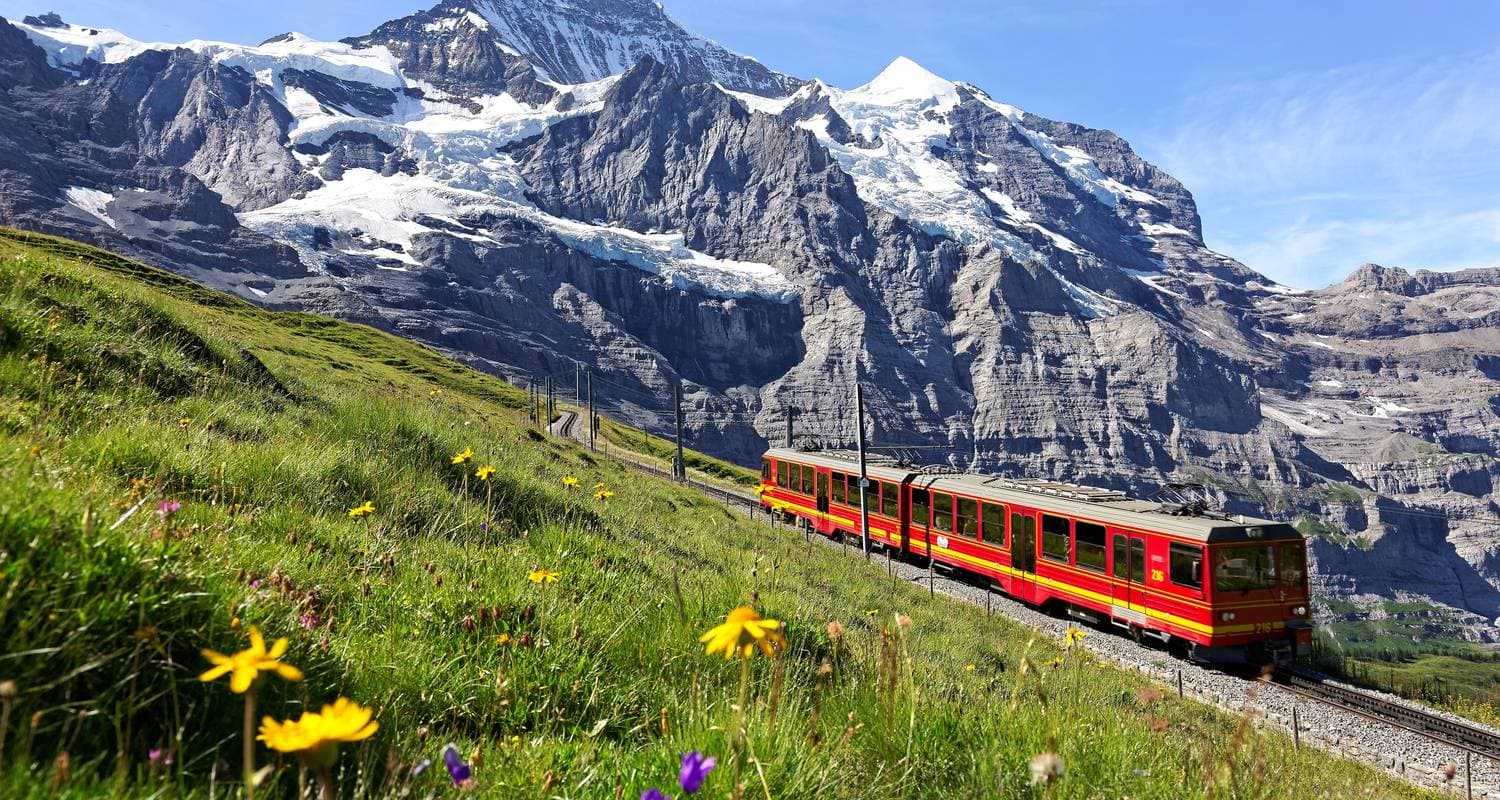
European Horizon (Standard, Summer ( From Mar '26), Start London, Classic)
10 days · Contiki
4.7· 137 reviews✓ Instant confirmationtour from €1,099

Gourmet Tuscany
8 days · Cosmos
5.0· 120 reviews✓ Instant confirmationtour from €2,078
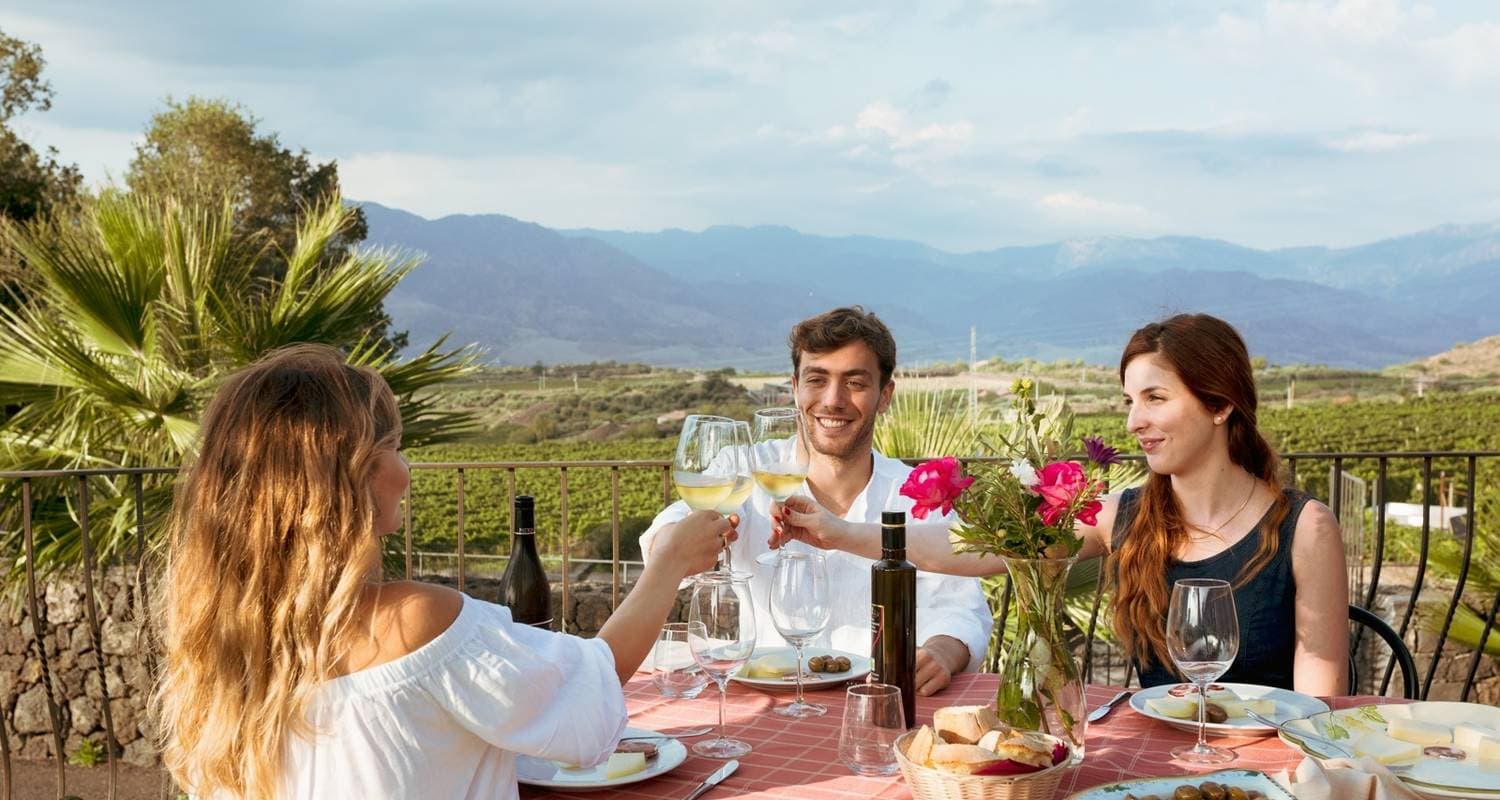
Semi-Private Sicily Food & Wine Tour (Including Hotels & 6 Meals)
8 days · Sicily Activities
4.8· 92 reviews✓ Instant confirmationtour from €2,486
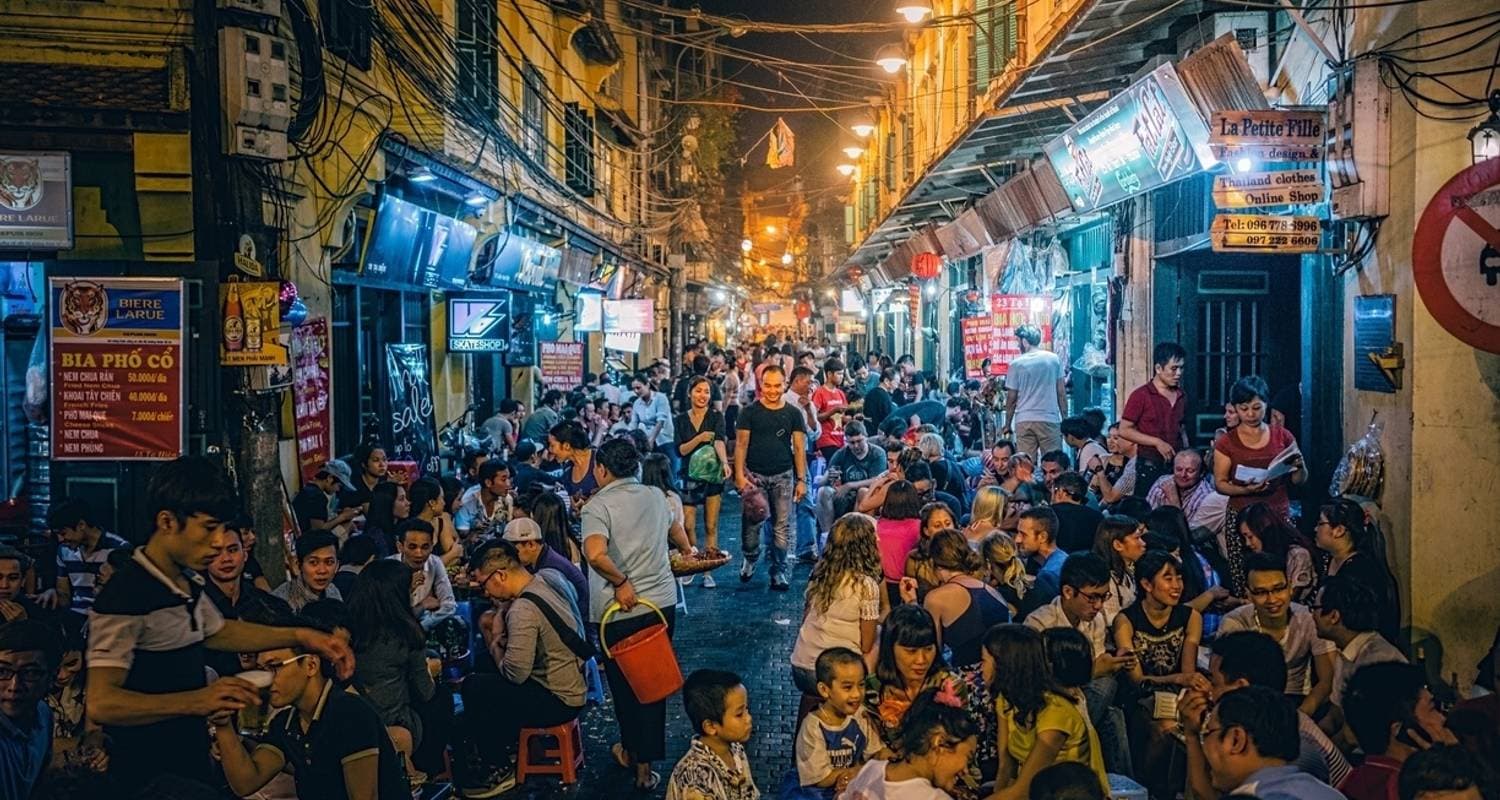
Vietnam Foodie's Paradise In 10 Days
10 days · Realistic Asia
4.8· 90 reviews✓ Instant confirmationtour from €662
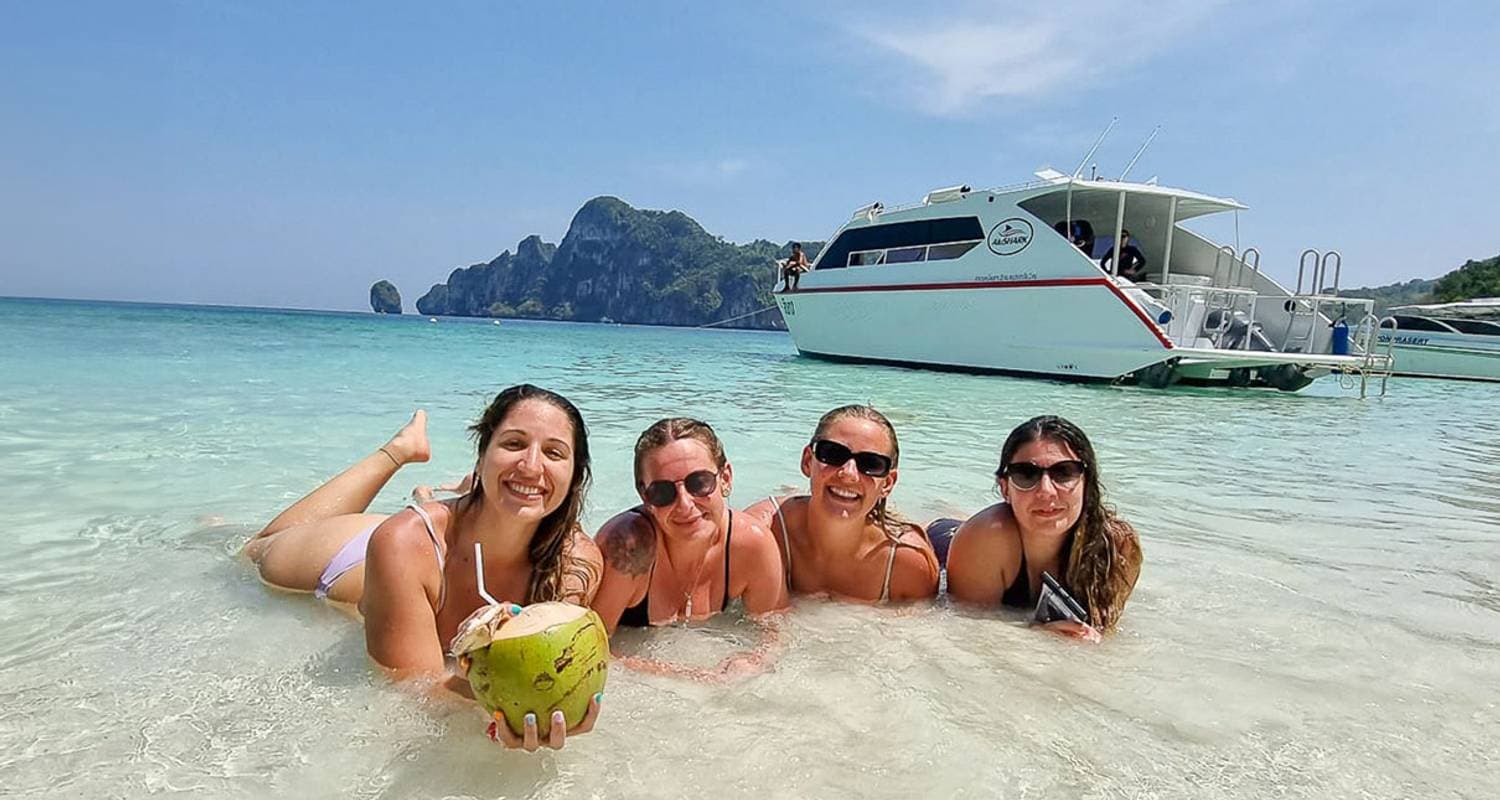
Thailand Island Hopper - Feel Free Travel
9 days · Feel Free Travel
5.0· 82 reviews✓ Instant confirmationtour from €1,089
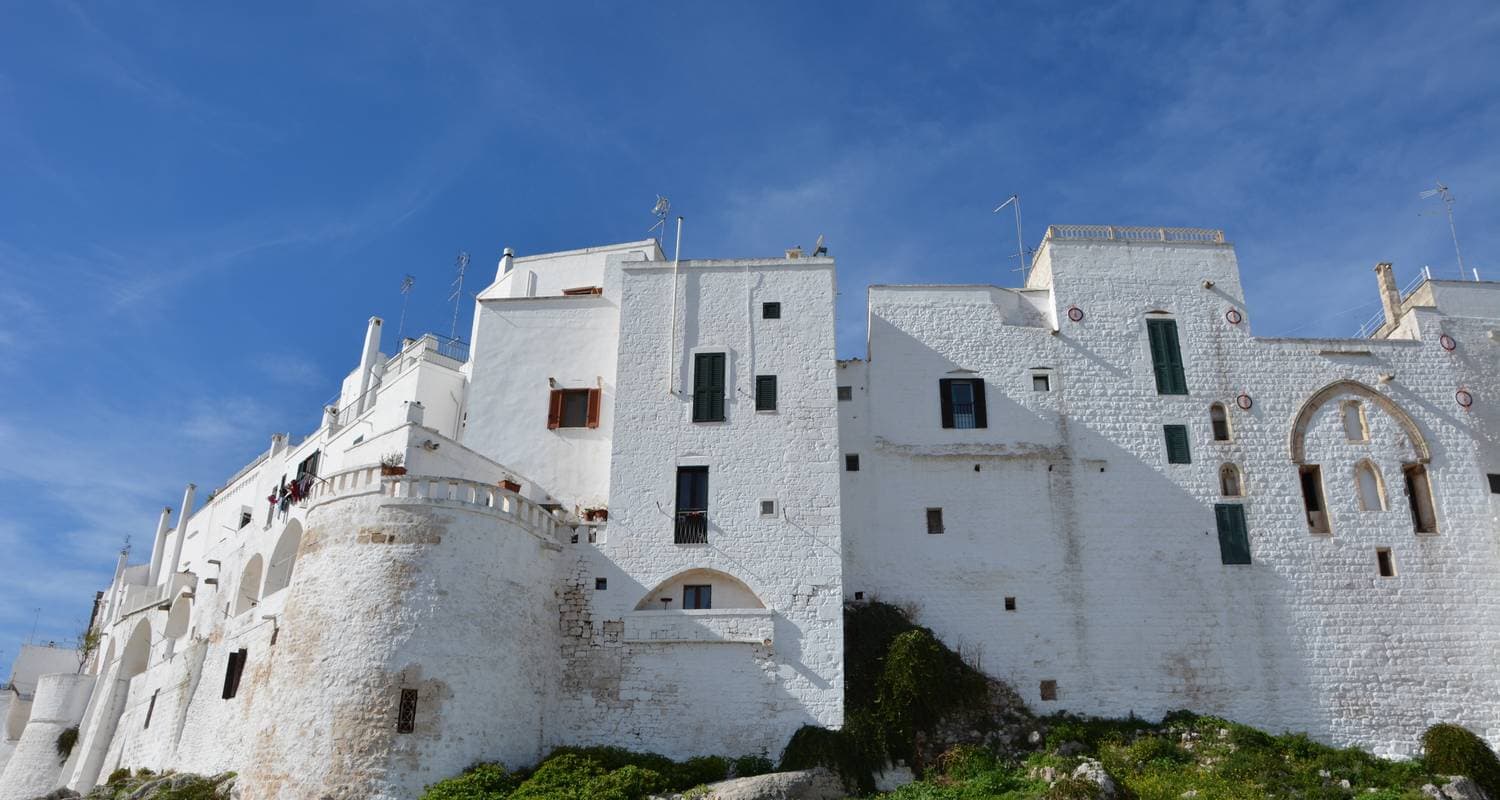
Taste of Salento-Authentic Culinary Experience
7 days · Soleto Travel
4.8· 79 reviews✓ Instant confirmationtour from €2,318
What a real food and wine tour includes
A proper culinary tour is built around producers and practitioners, not restaurants alone. On a 7-day Italy tour that means visiting a Parmigiano Reggiano dairy at 6am as the cheese is pressed, a balsamic vinegar producer in Modena, a pasta workshop in someone's home kitchen, and two or three winery lunches with the owner doing the pouring. Eating well is the reward for finally understanding what is on your plate.
The better operators build in at least one hands-on cooking class a week, two to four winery visits with proper structured tastings, and one or two market tours led by a chef who genuinely shops there. Watch out for padding, though: a 'wine bar visit' is a drink, not a tasting, and a 'market walk' without a chef is just a walk.
Expect 8-12 group meals over a 7-day trip. Breakfasts are usually at the hotel, and several lunches and dinners are left free for you to choose, often with the guide's shortlist in hand. Those solo dinners in a food-obsessed country are part of the point, not a hole in the itinerary.
Best destinations for food and wine tours
Italy leads the field, and rightly so. Piemonte for Barolo and white truffles in October and November; Tuscany for Chianti and Montalcino year-round, but best in September; Sicily for seafood and Etna wines; Emilia-Romagna for the holy trinity of Parmigiano, prosciutto di Parma and balsamic. A 7-day regional trip runs from around €2,200.
Spain follows close behind. La Rioja for tempranillo, the Basque country for pintxos and a remarkable density of Michelin stars, Andalusia for sherry and jamon iberico. Expect a 7-day trip from around €1,800, usually pairing two regions.
France is pricier but precise. Burgundy, Bordeaux, Provence and Champagne each carry a dedicated week with ease. Budget from around €2,800 for 7 days with proper winery access.
Beyond Europe, Vietnam and Thailand run terrific 10-day food tours from around €1,500. Peru's Lima-to-Cusco food scene is a genuine destination in its own right. And Japan's kaiseki-and-sake trail is a fast-growing one to watch, from around €3,500 for 10 days.
How food tours compare to booking it yourself
The honest comparison: a food tour costs more per day than doing it yourself, but it solves two problems that genuinely matter.
First, access. You cannot wander into a family-owned Barolo winery unannounced and expect a two-hour tour with the owner. An operator who has nurtured that relationship for years can. The same goes for Parmigiano dairies (mornings only, booking required), the more interesting Jerez sherry bodegas (appointment only), and most grower-champagne houses.
Second, curation. Booked cold, a week in Tuscany tends to give you four good food days and three forgettable ones. A good operator has already locked in the four good ones and quietly skipped the misses. On a short trip, the time and money lost to trial and error adds up fast.
Where going it alone wins: flexibility on restaurants, longer stays in one city, the freedom to linger at a winery you have fallen for. A hybrid often hits the sweet spot, though: book a 4-day guided block in the food-rich region, then tack on three or four days of your own in a city like Florence or Barcelona. Multi-city Kiwi flights make that cost-neutral.
Typical prices and what drives them
Three things move the price: region, hotel class, and what is bundled in.
- 6-7 day Italy or Spain food tour, 3-4 star hotels, 8-10 group meals: from around €1,800. Intrepid Real Food Adventures lives here.
- 7-8 day France or premium-Italy tour, 4-star hotels, winery pairings, a touch of Michelin: from around €2,800. Think G Adventures Food & Wine and Exodus Food-Themed Premium.
- 7-10 day luxury culinary tour, 5-star and boutique hotels, private winery access, multiple tasting menus: from around €5,500. Operators like Cellar Tours and The Lux Traveller play at this end.
- 10-14 day Asia food tour in Vietnam, Thailand or Japan: from around €1,500, depending on the country.
Flights within Europe run from around €80 in economy on Ryanair and easyJet as well as the legacy carriers. Europe to Asia is from around €550 in economy, usually via the Gulf carriers.
Then the extras: reckon on from around €80 in tour-leader and driver tips across the week, a little more per person for optional Michelin add-ons, and a similar amount per winery for take-home bottles.
Who food and wine tours suit
They suit travellers who want a structured week with real depth in a single cuisine or region. Couples in their forties to sixties make up the largest contingent. Solo travellers do well too, especially on Intrepid Real Food Adventures, which has the most balanced solo-to-couple mix of the major operators.
They suit people who already know they love eating their way around a place. If you have ever spent a Saturday cooking through a Marcella Hazan book, or gone out of your way to hunt down a good wine bar in your own city, a culinary tour will sing to you. If you treat eating as refuelling and nothing more, the pace will bore you rigid.
They do not suit strict dieters on fixed regimes; low-carb, raw-food and fasting routines simply do not survive contact with how these trips run. Vegetarians are well looked after in Italy, Spain and most of Europe, so flag it when you book. Gluten-free works surprisingly well in Italy, where most producers understand it and have options. Vegans and kosher travellers are better off with specialist operators than the mainstream food lines, which still lean firmly meat-heavy.
Booking tips and timing
Book early for autumn departures in wine country. Piemonte and Burgundy sell out six to nine months ahead for October dates, when harvest and truffle season collide gloriously. Italian summer tours want booking three to four months out. Winter and early-spring departures from February to April are quieter and often 15-20 percent cheaper.
Combine regions with care. A 10-day 'Tuscany and Piemonte' sounds tempting, but the long transfer eats into your time in both. You are usually better off picking one region for seven days and adding a shoulder city: Rome before Tuscany, Milan before Piemonte, Madrid before Rioja all work a treat.
On flights, arrive the night before and steer clear of early-morning starts. Food tours typically open with a late-afternoon welcome meeting and a first group dinner, so a flight landing at lunchtime is ideal. Book your return with a buffer day too; after a week of serious eating, a slow quiet morning before flying home is well worth the extra hotel night.
Ready to price your trip?
Enter your origin airport and month — we'll search live flight and tour prices and give you one bundled total per person.
Find combosCommon questions
How much wine is actually included on a food and wine tour?
On a standard 7-day tour, expect 2-4 structured winery visits with 4-6 wines tasted at each, plus wine with 6-10 group meals. That works out to roughly 30-50 tastings and a dozen or so full glasses across the week. You never have to drive, so there is no pressure to spit unless you want to pace yourself. If you want deeper cellar access, hunt for the words 'immersion' or 'intensive' in the trip title; those usually add two or three more winery visits and a Master-of-Wine-led tasting.
Can I take wine home from winery visits?
Yes. Most tours give you a few hours at each winery with the option to buy and ship bottles home. Shipping within the EU from Italy, Spain or France is cheap and well organised, from around €50 a case to most European countries. Shipping to the US, Australia or Asia is slower and dearer, from around €100 a case, and tangled in customs rules, so most non-EU travellers just pack a few bottles in a wine-shipper suitcase instead. Two bottles in the hold almost always survive the journey; for any more, use a proper wine-carrier insert.
Are food tours suitable for vegetarians or other dietary needs?
Vegetarians are well looked after across Europe, and especially in Italy, where vegetable-forward cooking is woven into the tradition. Vegans have a harder time on mainstream food tours, since cheese and meat sit at the heart of most Italian, French and Spanish regions, but specialist vegan culinary tours run in India, Thailand and parts of Italy. Gluten-free works well in Italy and Spain, where most producers keep GF pasta and bread to hand. Kosher and halal need a specialist operator. Flag any requirements when you book, not on day one.
Do I need to know anything about wine before I go?
Not a thing. Good tour leaders pitch tastings to the group's level. First-timers get grape varieties, production methods and regional styles explained from scratch; seasoned drinkers get deeper terroir and producer comparisons. If you want something more intensive, ask when you book whether your group will include a WSET or sommelier-led session; those cost a little extra and are genuinely illuminating. A week on the ground will teach you more than a year of reading ever could.
What is the pace like on a food tour?
Pleasantly unhurried. A typical day runs a 9am winery or market visit, a long lunch from 12:30 to 2:30, an optional afternoon walk or free time, then a group dinner from 7:30 onwards. One or two days a week stay activity-free, built around a cooking class or a lazy lunch at the winery. You are not racing from sight to sight; the gentle pace is half the point. And evenings wrap up earlier than you might expect, because after a long lunch and a four-course dinner, 10pm feels distinctly late.
What should I pack for a food and wine tour?
Smart-casual for dinners: a jacket or blazer for men, a dress or nice trousers for women, because wineries and better restaurants expect it. Comfortable walking shoes, since most medieval Italian and Spanish towns are paved in cobbles. A light day pack for market walks. And loose-fitting trousers, because you are going to eat a great deal. If you plan to ship wine home, pack an empty duffel on the way out and check it on the way back. Summer in Italy, Spain and Provence calls for light layers and a hat; autumn in wine country wants a warm jacket for those early-morning harvest visits.
Related destinations
- Morocco Multi-Day Tours with Flights from €700Nights in the Merzouga dunes, mornings lost in the Fes medin…
- Peru Multi-Day Tours with Flights from €1,900Machu Picchu at sunrise, the Sacred Valley, an Amazon lodge.…
- Egypt Multi-Day Tours with Flights from €1,300Sail the Nile, stand at the pyramids, sleep out under the Wh…
Related tour styles
Pick by trip length
Plan this trip from your city
- Multi-Day Tours from New York with Flights IncludedMulti-day tours from New York with flights included — one US…
- Multi-Day Tours from London with Flights IncludedBuilt for London travellers: LHR for long-haul, LGW for Euro…
- Multi-Day Tours from Vienna with Flights IncludedVienna is a central-European hub on Austrian Airlines with d…
- Multi-Day Tours from Los Angeles with Flights IncludedPackage tours from Los Angeles with flights included — one U…
- Multi-Day Tours from Toronto with Flights IncludedPearson is Canada's biggest long-haul hub, and with a weak l…