
Adventure Tours with Flights Included
Trek, cycle, paddle and climb on guided multi-day trips. Real fitness ratings, real operators, one bundled price.
Edited by Multiday.tours editor
- ✓Trip length: 3-21 days across active disciplines
- ✓Land prices: 900-6,000 EUR depending on duration
- ✓Flights from Europe: 350-1,400 EUR economy
- ✓Fitness ratings 2-5, altitude up to 5,600m
- ✓Small groups of 8-16, expert leaders
- ✓Operators: Exodus, Intrepid, G Adventures, Much Better Adventures
Adventure tours are built around the one physical activity that defines the whole trip: the Inca Trail, the Tour du Mont Blanc, a sea-kayak week in Croatia, a cycling traverse of Vietnam end to end. On Multiday.tours we list adventure departures from specialist operators like Exodus, Intrepid, G Adventures and Much Better Adventures, paired with Kiwi.com flights from your home airport. A 7-day adventure tour starts from around €900, a 10-day trip from around €1,400, and a full-blown 14-day expedition from around €2,500. Economy flights from Europe add from around €350, depending on how far you are going. You see the total per-person price in euros before you commit.
The tours doing the heavy lifting here
Prices are tour-only — add flights for the real total. You book the tour itself on TourRadar.
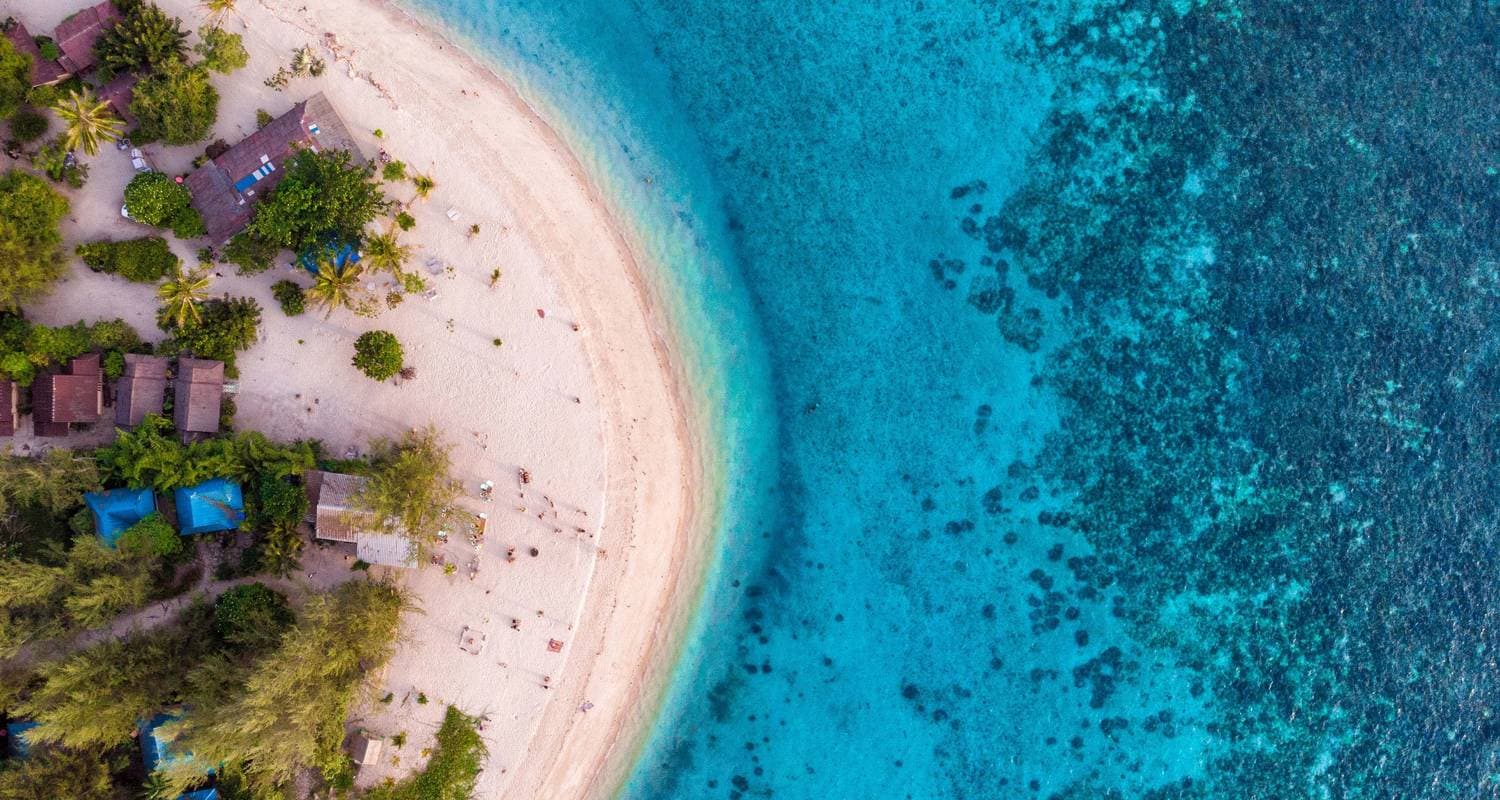
Thai Intro 9 Day
9 days · INTRO Travel
4.8· 4,561 reviews✓ Instant confirmationtour from €1,103
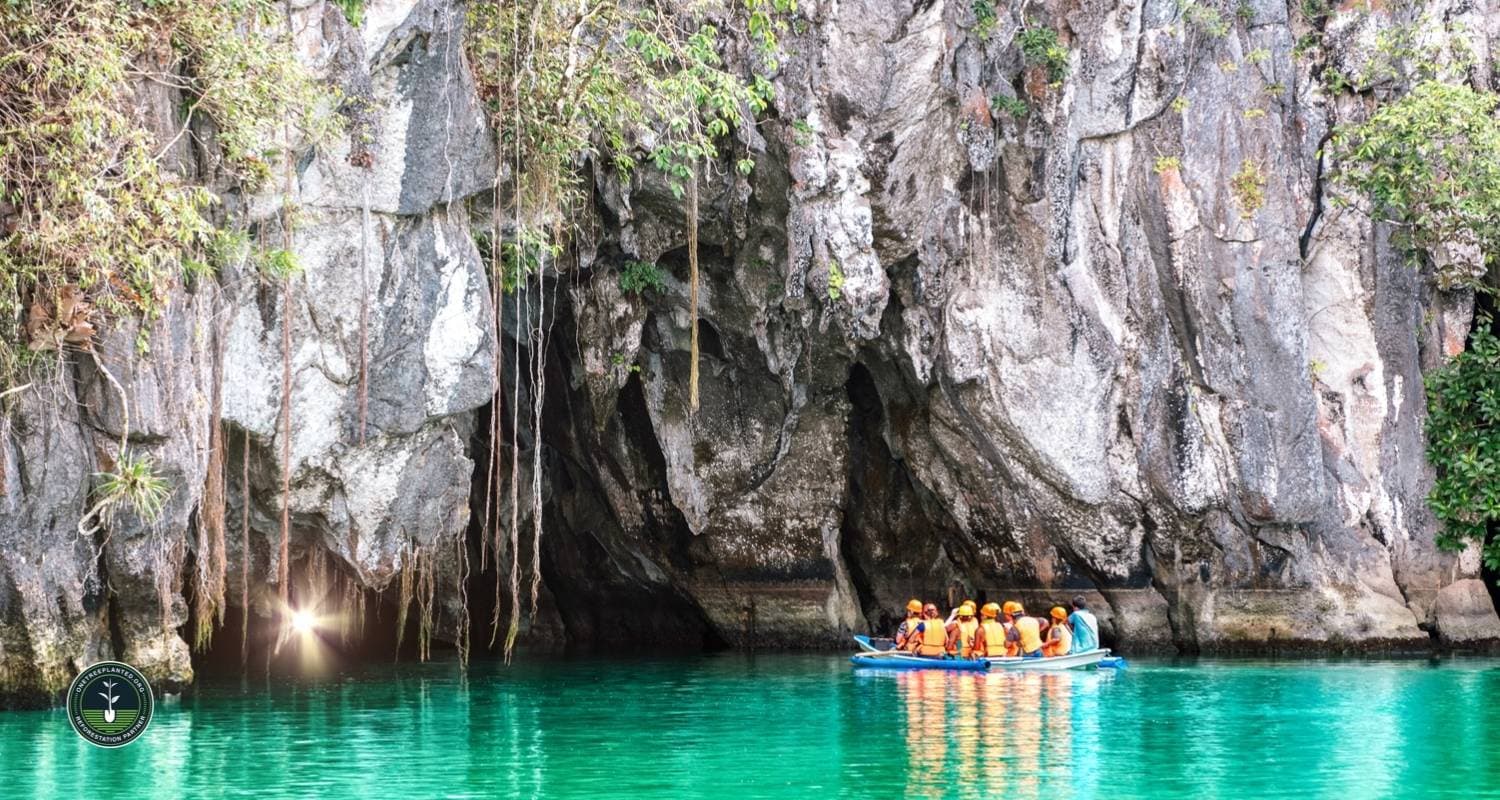
West Philippines Classic 10 Day - One Life Adventures
10 days · One Life Adventures
4.8· 3,429 reviews✓ Instant confirmationtour from €1,541
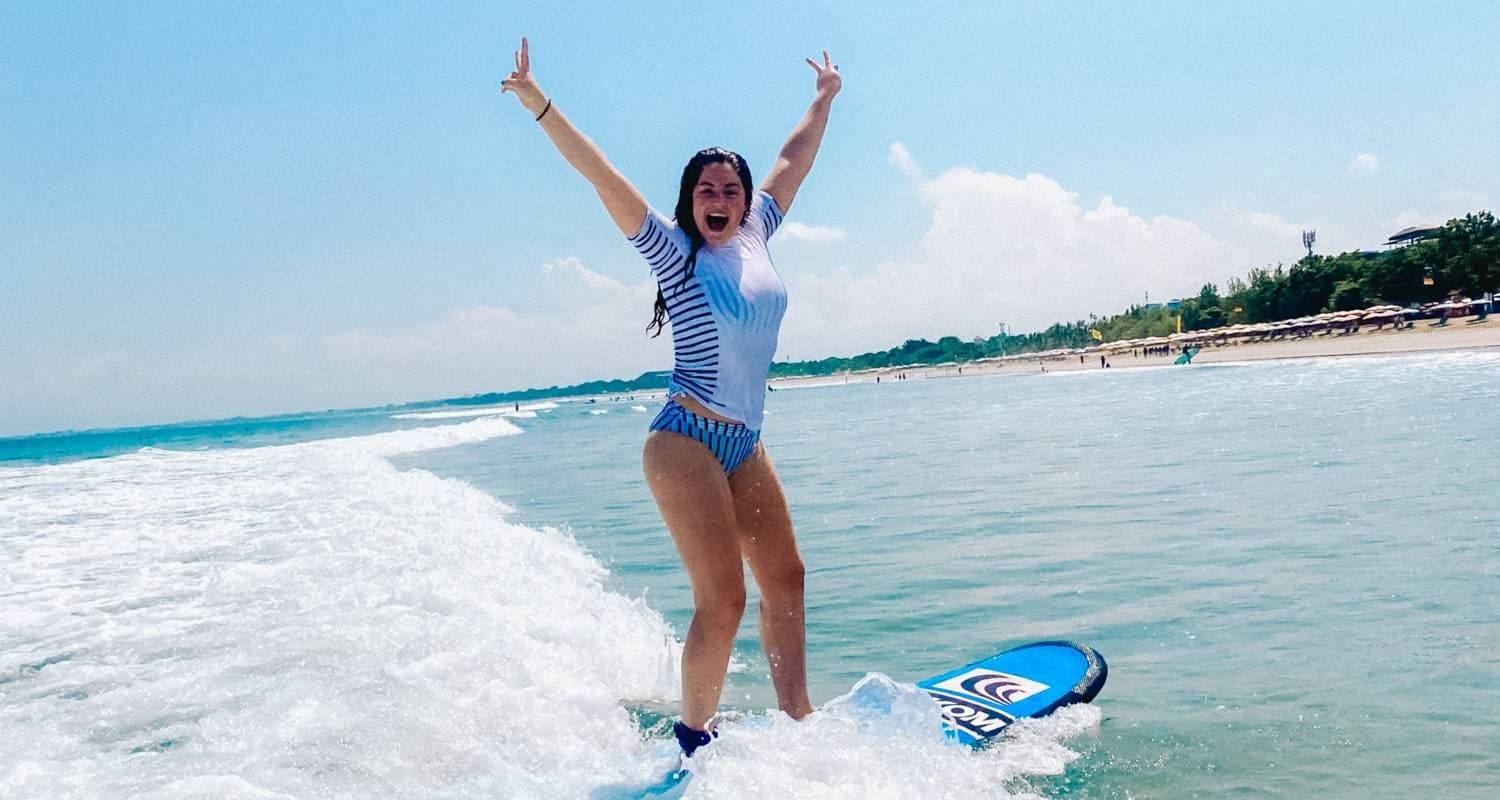
Bali Experience
10 days · TruTravels
4.8· 3,259 reviews✓ Instant confirmationtour from €823
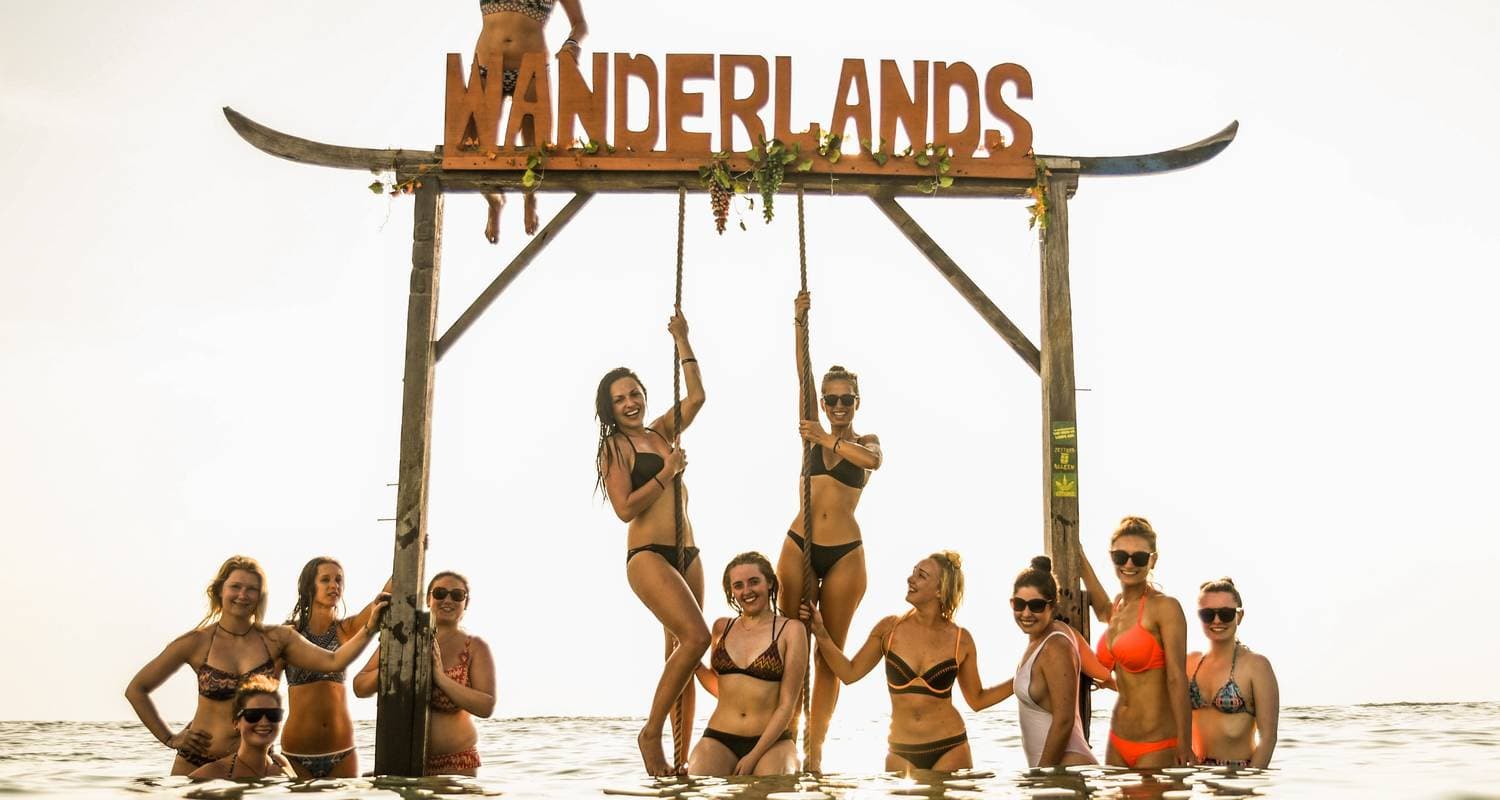
Wanderlands Bali - 8 Days
8 days · Wanderlands Travel
4.8· 2,360 reviews✓ Instant confirmationtour from €791
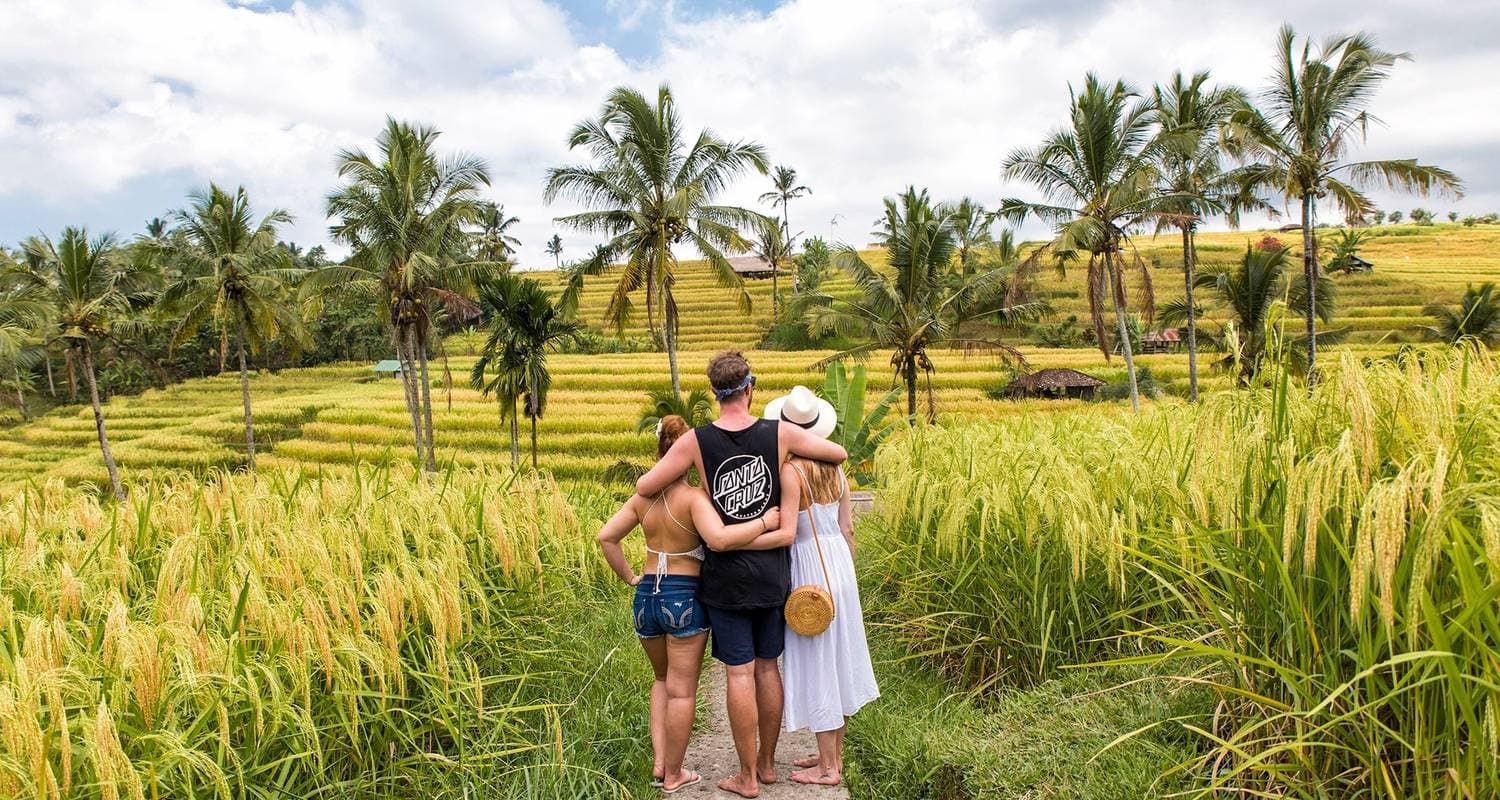
Bali Intro 9 Days
9 days · INTRO Travel
4.7· 2,327 reviews✓ Instant confirmationtour from €919
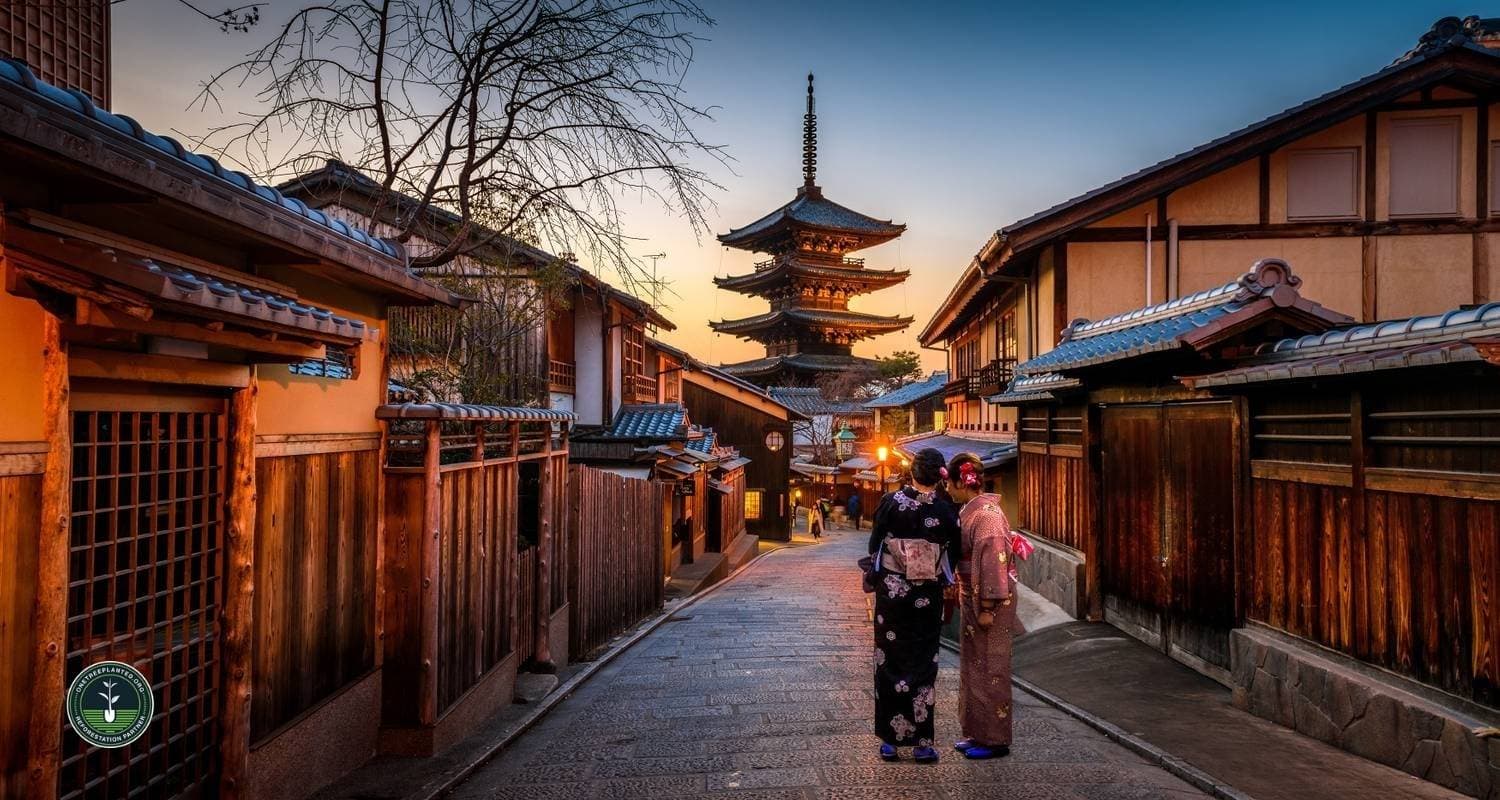
Japan Classic 10 Day - One Life Adventures
10 days · One Life Adventures
4.8· 2,287 reviews✓ Instant confirmationtour from €2,433
What counts as an adventure tour
An adventure tour has a headline activity and a physical rating, and that is the simplest test going. If the brochure leads with a summit, a bike-route profile or a river gradient, you are looking at an adventure tour. If it leads with a wine glass or a hotel lobby, you are not.
Three broad categories cover most of what is out there. Trekking and hiking trips, from the 4-day Inca Trail to the 21-day Everest Base Camp circuit. Cycling trips, usually supported by a van hauling your luggage, from a gentle week along the Danube to a north-to-south traverse of Vietnam. And multi-sport expeditions that stitch several activities together, like a fortnight in Patagonia mixing trekking, kayaking and glacier walks.
Wildlife and polar trips sit slightly apart but often run on the same chassis. A Svalbard ship-based polar bear expedition or a Kenya-Tanzania safari has far more in common with an adventure tour than with a culture trip in how it actually runs, even when the walking is minimal.
Fitness ratings decoded
Every reputable adventure tour operator publishes a physical rating. Annoyingly, they all use different scales, so here is a rough translation to keep you honest.
- Exodus Activity Level 3 / Intrepid Physical 3 / G Adventures 3: full-day hikes of 4-6 hours, moderate terrain, up to 800m of ascent. A fit 50-year-old who walks at weekends will be absolutely fine.
- Level 4: 6-8 hours of walking, 1,000-1,500m of ascent, possibly altitude above 3,000m. This is one to train for over a few months, not a few weeks.
- Level 5: expedition grade — multi-day unsupported sections, serious altitude, river crossings. You want to be a confirmed hill walker with several big trips already behind you.
Altitude matters far more than distance, and this trips a lot of people up. The Inca Trail is rated 4 because of its 4,200m passes, not because of the kilometres. Everest Base Camp earns its 4-5 for the same reason. So train by walking uphill with a loaded pack, not by clocking flat miles on a treadmill.
Typical prices for adventure tours with flights
Adventure tours cost more per day than culture tours, and there is a good reason: smaller groups, specialist gear, and permit-controlled trails all add up. Budget the trip in three lines.
- 7-8 day trips: from around €900 for the tour. High Atlas trekking in Morocco, hiking in Slovenia, cycling in Vietnam. Flights from around €350.
- 10-12 day trips: from around €1,400 for the tour. The Peru Inca Trail, Nepal's Annapurna, an Iceland South Coast adventure. Flights from around €500.
- 14-21 day trips: from around €2,500 for the tour. The Patagonia W Trek with Perito Moreno, Everest Base Camp with Kathmandu extensions, Kilimanjaro with the Serengeti. Flights from around €700.
Permits and peaks pile on extra. An Inca Trail permit runs around €600 before guide fees. A Kilimanjaro park-fee package adds €2,000-2,500 on top of the group price. And gaiters, boots and a decent waterproof shell are one-off costs if you do not already own them; reckon on from around €300 to kit yourself out from scratch.
Best adventure tour destinations by style
If this is your first adventure tour, start somewhere with solid infrastructure and a well-trodden route. Iceland, the Dolomites, Slovenia and Morocco all run 5-7 day itineraries that build steadily towards one proper big day. A Much Better Adventures weekend in the Lake District or Snowdonia is a sensible low-stakes test of whether this style of travel suits you at all.
For the big-ticket treks, the classics earn their reputation: the Inca Trail and Salkantay in Peru, Everest Base Camp and the Annapurna Circuit in Nepal, Kilimanjaro in Tanzania, and the Tour du Mont Blanc looping through France, Italy and Switzerland. Expect 4-8 hours of walking a day, real altitude, and a genuine sense of having earned the view at the end.
For cycling, the Danube, the Loire, Mallorca, Andalusia and Vietnam north to south are the most established supported routes. For water, there is sea kayaking in Croatia and Greece, whitewater on Chile's Futaleufu, and canoe expeditions down Canada's Yukon. And for polar and wildlife, a 7-10 day Svalbard ship expedition or a Kenya-Tanzania safari does the job nicely.
Adventure tour operators who know what they are doing
Exodus Travels is probably the single strongest name for guided adventure tours across trekking, cycling and multi-sport, with a range of around 500 trips to choose from. Intrepid's Active and Adventures collections cover much of the same ground at a slightly gentler price. G Adventures' National Geographic Journeys line adds adventure trips with smarter hotels on rest days.
Much Better Adventures is the standout for short, punchy trips aimed at working professionals; most are 3-5 days, leave on a Thursday and have you back by Monday. World Expeditions and KE Adventure Travel handle the serious expedition end, with 15-28 day trips in Nepal, Patagonia, Central Asia and Antarctica.
For cycling, Skedaddle in the UK and SpiceRoads in Asia are the specialists to know. For the more technical treks, look to Mountain Kingdoms and Wilderness Travel. One thing worth checking: make sure the operator holds the permits directly. On the Inca Trail, for example, permits go to licensed operators, and a middle-man reseller can get bumped when supply runs short, taking your spot with it.
Booking flights for adventure trips
Adventure trips are harder to rebook than culture trips, because permits, porter teams and trail dates simply do not flex. So three flight rules are worth taking to heart.
First, arrive at least 48 hours early if there is any altitude involved. Cusco at 3,400m and Lukla-Namche at 3,440m both reward a forced acclimatisation day. You cannot rush altitude, and losing the first day of a trek to altitude sickness is depressingly common among travellers who flew in that same morning.
Second, buy insurance with trekking cover up to the altitude you are actually attempting. Standard policies cap at 3,000m, which rules out most of the famous treks. Specialist cover from True Traveller, Snowcard or World Nomads goes to 6,000m and sometimes higher.
Third, multi-city flights often save both money and hassle. A Lima-in, Cusco-out ticket usually costs much the same as a round-trip Lima fare while saving you a day each way. Kiwi.com handles multi-city routing on our bundles, and we price the whole itinerary per person in euros so you can compare like with like.
Ready to price your trip?
Enter your origin airport and month — we'll search live flight and tour prices and give you one bundled total per person.
Find combosCommon questions
Do I need previous trekking experience to book an adventure tour?
For levels 1-3, no. A reasonably fit person who gets out walking three or four times a month can handle most short-trek itineraries in Iceland, Morocco, Slovenia or Peru. For levels 4-5, yes; you really want a few multi-day hikes under your belt before tackling Everest Base Camp, Kilimanjaro or the Salkantay. Operators will ask about your experience when you book, and they will push back if they think you are under-prepared. Take that as a kindness, not gatekeeping.
What is included in an adventure tour price?
Usually in: all accommodation, most meals on trekking days, permits and park fees, porter or pack-animal support, group kit like tents and cooking gear, and the lead guide plus local support team. Usually out: international flights, travel insurance, your personal trekking gear (boots, poles, and a sleeping bag on some trips), tips for guides and porters, and meals in the start and end cities. Always read the trip notes, because the in-and-out list is specific to each trip and no two operators do it quite the same way.
Can I hire gear on arrival or do I need to bring my own?
Most big trekking hubs rent gear, and well. Cusco, Kathmandu, Arusha and Huaraz all have dozens of shops renting sleeping bags, down jackets and poles for a few euros a day. Boots are the one exception: bring your own, properly broken in. Renting works fine for occasional travellers who would rather not invest in a full kit. If you trek regularly, buying your own pays for itself after two or three trips and fits you far better. The operator's kit list tells you exactly what they provide versus what you need to bring or rent.
How do I avoid altitude sickness on high-altitude tours?
Arrive at the trekking hub two or three days before the trek begins, and drink like it is your job: three to four litres a day at altitude. Then ascend slowly on the trek itself, which is exactly what a good itinerary is already built to do. Diamox (acetazolamide) is widely used as a preventative, on prescription in Europe and over the counter in Nepal and Peru; have a word with your GP before you travel. And if a headache, nausea or breathlessness keeps getting worse, go down. Mild altitude sickness is normal; severe is not, and it is never worth pushing through.
What happens if I cannot finish a trek?
Your group leader arranges an early descent, usually with a local assistant and a mule or porter to carry your pack. On popular routes like the Inca Trail, Kilimanjaro and Annapurna, the evacuation infrastructure is well established and quietly reassuring. You then rejoin the group at the trail end or a pre-agreed hotel. Good travel insurance covers emergency evacuation and is simply not optional on anything above level 3. Whatever you do, do not push through serious symptoms out of sunk-cost pride.
Are adventure tours suitable for solo travellers?
Very much so. Adventure tours pull in more solos than culture tours do, because the shared effort of a hard trek or a long bike day bonds a group remarkably fast. Most operators offer twin-share with no single supplement. Expect a spread of ages, clustered most thickly between 35 and 60. If you want a younger or older tilt, the operators lean different ways: Much Better Adventures skews 28-45, Exodus 45-65, and G Adventures sits comfortably in the middle.
Related destinations
- Peru Multi-Day Tours with Flights from €1,900Machu Picchu at sunrise, the Sacred Valley, an Amazon lodge.…
- Iceland Multi-Day Tours with Flights from €1,100Drive the Ring Road, walk on a glacier, chase the Northern L…
- Morocco Multi-Day Tours with Flights from €700Nights in the Merzouga dunes, mornings lost in the Fes medin…
- Egypt Multi-Day Tours with Flights from €1,300Sail the Nile, stand at the pyramids, sleep out under the Wh…
Related tour styles
- Small Group Tours with Flights IncludedShared departures of 10-16 travellers. Expert guides, fixed …
- Family Tours with Flights IncludedGuided multi-day family tours built for kids and parents. Fi…
- Food and Wine Tours with Flights IncludedMulti-day culinary tours with small groups, winery visits an…
- Christmas & New Year Tours with Flights IncludedSkip the seasonal clamour at home. December departures to so…
Pick by trip length
Plan this trip from your city
- Multi-Day Tours from New York with Flights IncludedMulti-day tours from New York with flights included — one US…
- Multi-Day Tours from Los Angeles with Flights IncludedPackage tours from Los Angeles with flights included — one U…
- Multi-Day Tours from London with Flights IncludedBuilt for London travellers: LHR for long-haul, LGW for Euro…
- Multi-Day Tours from Toronto with Flights IncludedPearson is Canada's biggest long-haul hub, and with a weak l…
- Multi-Day Tours from Sydney with Flights IncludedLeaving Australia means a long-haul flight whether you like …
Deeper reading
- How to Choose a Guided Tour: A Practical Buyer's GuideWhat to ask before you book. Group size, pace, inclusions, o…
- G Adventures vs Intrepid: Which Small-Group Giant Fits You?The two biggest names in small-group touring are more alike …
- Is TourRadar Legit? What Actually Happens After You BookShort answer: yes. Longer answer: it's a marketplace, your t…
- Intrepid vs TourRadar: Book Direct or Through the Marketplace?They are not really rivals — one runs the trips, the other s…