
Peru Multi-Day Tours with Flights from €1,900
Machu Picchu at sunrise, the Sacred Valley, an Amazon lodge. Real itineraries, straight altitude advice, one bundled trip.
Edited by Multiday.tours editor
- ✓9-day Peru tours from €1,400 before flights
- ✓Return flights Europe to Lima €550-€850 off-peak
- ✓Inca Trail permits book out 4-6 months ahead for May-September
- ✓Best weather: May, June, September for dry season without July-August crowds
- ✓Cusco sits at 3,400m — plan altitude carefully
- ✓14-day itineraries add Amazon, Titicaca and Colca Canyon
Peru is the trip that gives you everything in one sweep: lost Inca cities, high Andean passes and steaming rainforest, often inside a single week. A 9-day small-group tour through Lima, Cusco, the Sacred Valley and Machu Picchu lands from around €1,400-€1,900 per person; add a return flight from Europe to Lima and the full package comes to €1,900-€2,700 all-in. Below we walk through what realistic 7, 10 and 14-day routes actually include, how to handle the altitude so you don't lose a precious day flat on your back in Cusco, when to book the Inca Trail (short answer: six months out), and which operators do small-group Peru properly. Everything priced, nothing waved away.
The tours doing the heavy lifting here
Prices are tour-only — add flights for the real total. You book the tour itself on TourRadar.
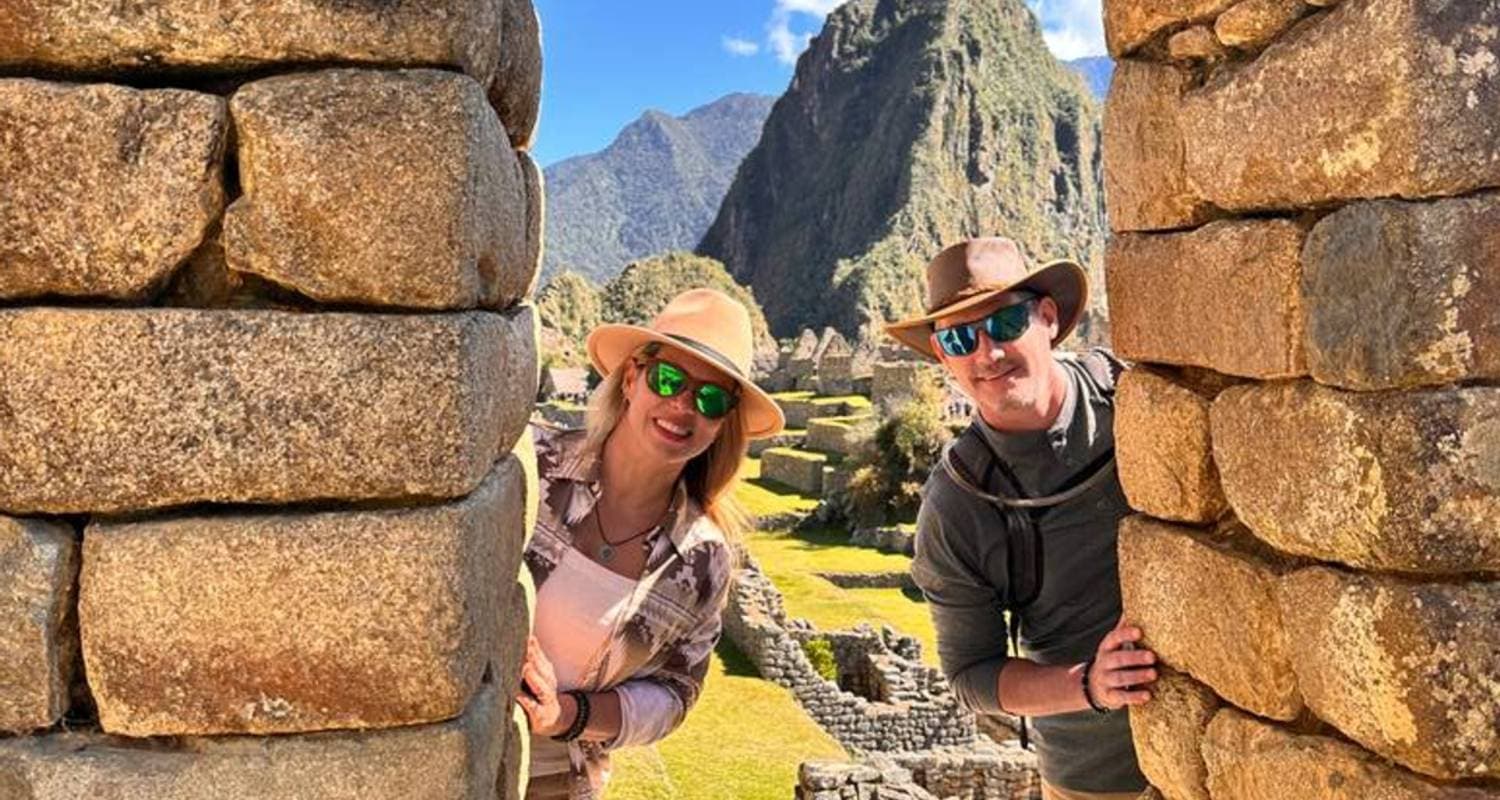
Inca Adventures – 7 Days (Lima, Paracas, Ica, Cusco, Machu Picchu & Rainbow Mountain) – With Domestic Flights
7 days · Waman Adventures
4.8· 233 reviews✓ Instant confirmationtour from €1,739
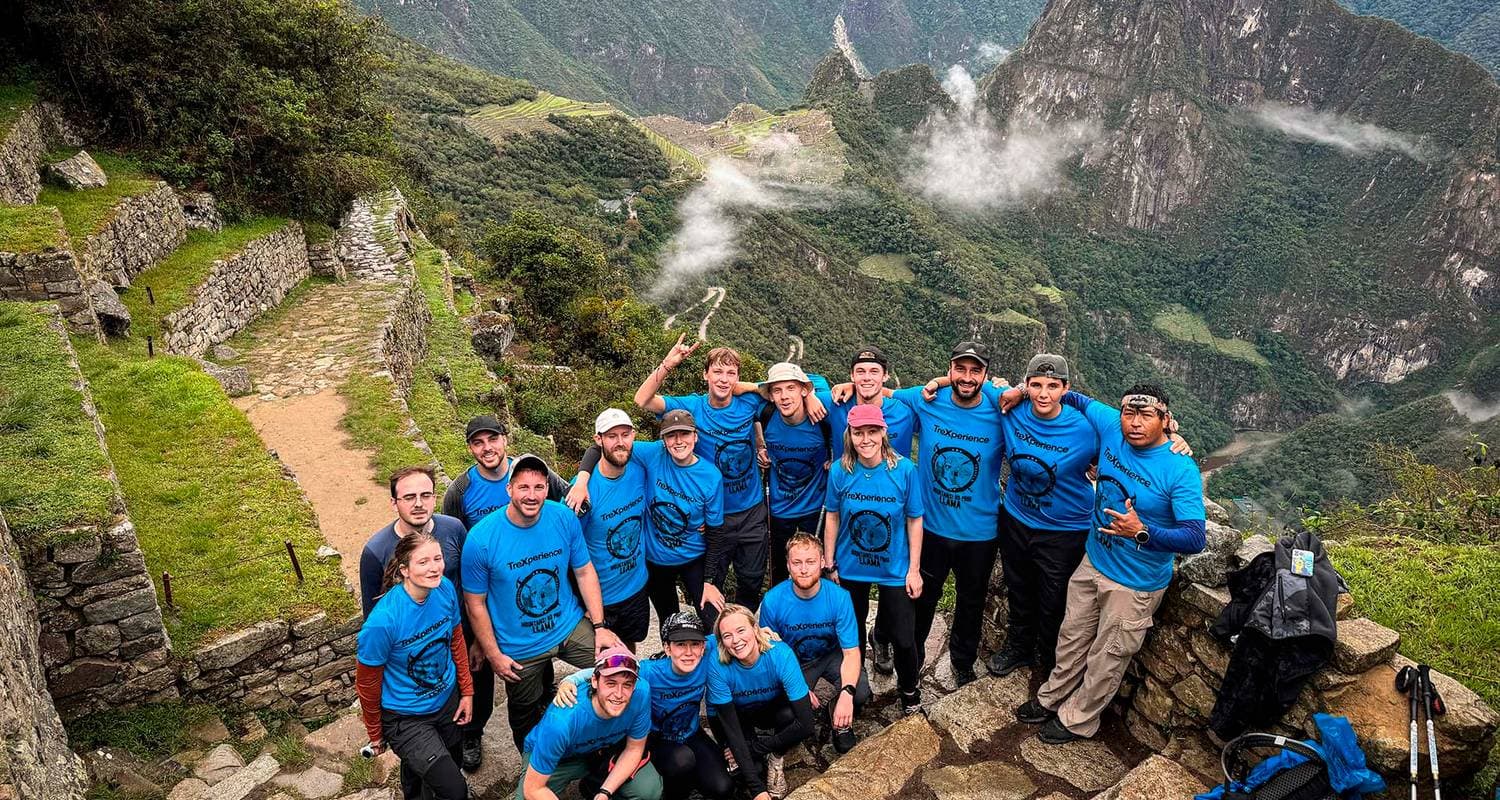
Classic Inca Trail to Machu Picchu 4 Days with Vistadome Train
4 days · TreXperience
5.0· 210 reviews✓ Instant confirmationtour from €773
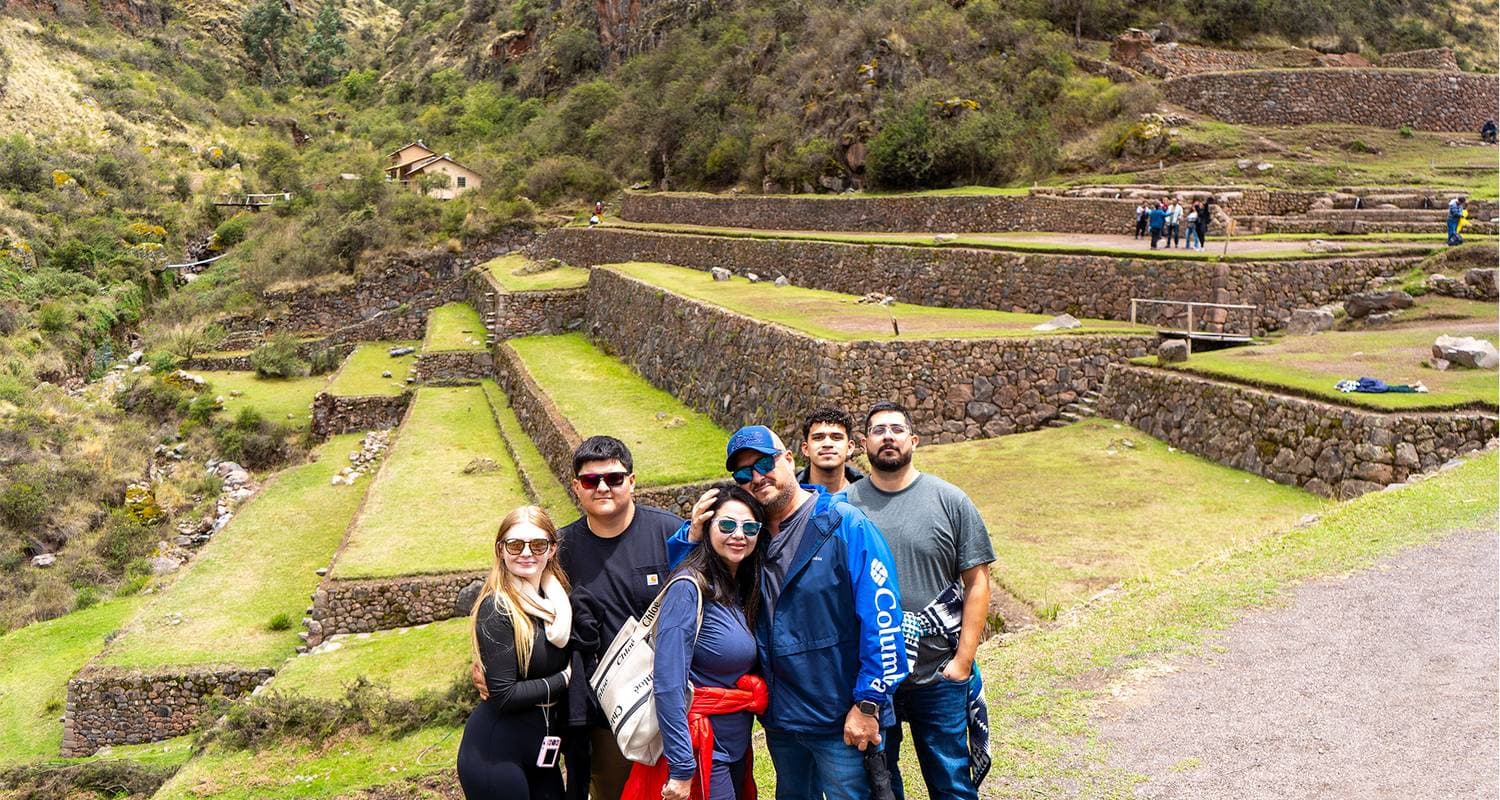
5 Day Cusco Travel Package: Cusco, Sacred Valley, Machu Picchu, and Maras Moray.
5 days · Kantu Peru Tours
4.9· 188 reviews✓ Instant confirmationtour from €514
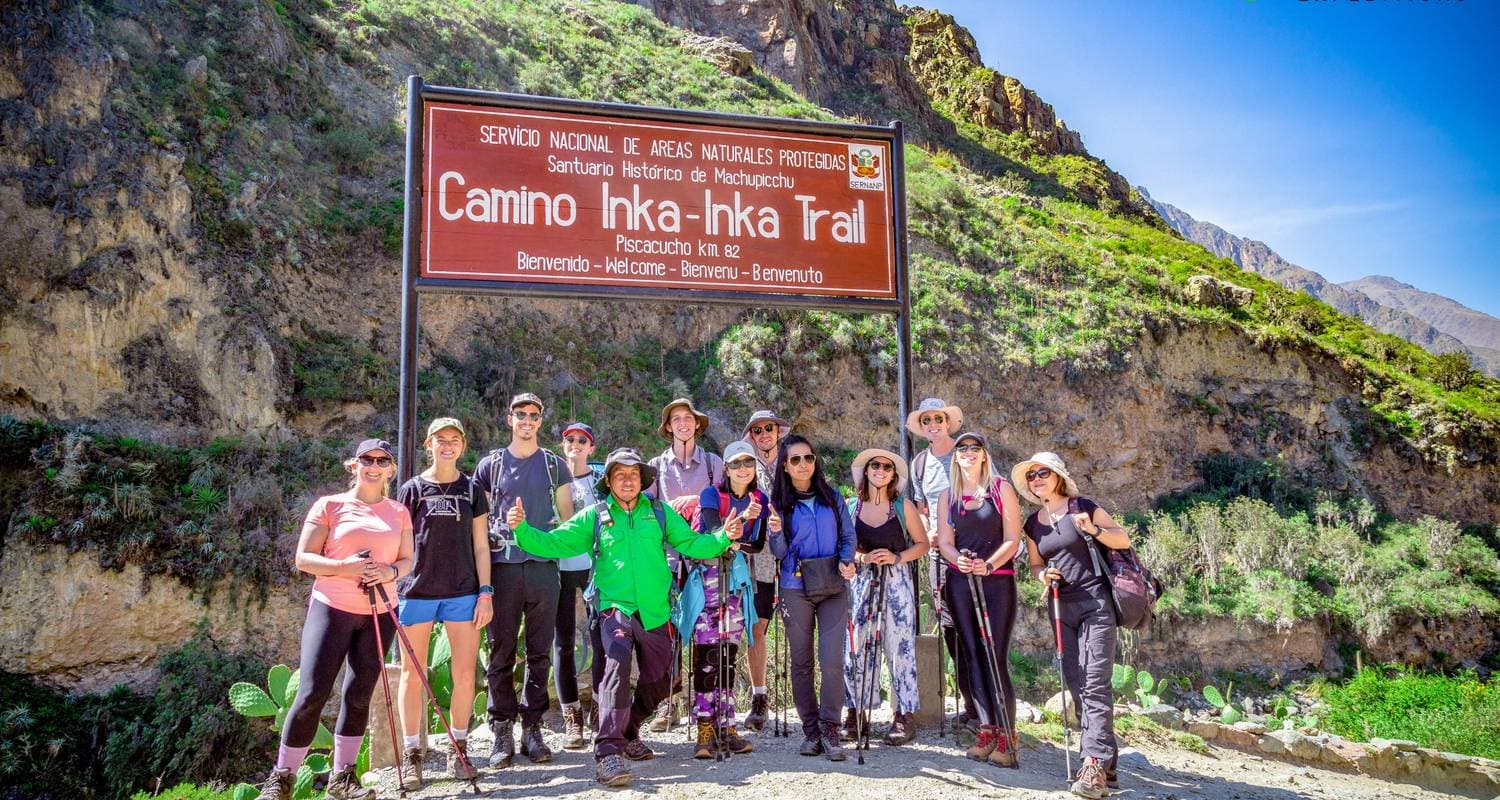
Classic Inca Trail Trek 4D/3N to Machu Picchu (Group service )
4 days · Alpaca Expeditions
5.0· 184 reviews✓ Instant confirmationtour from €764
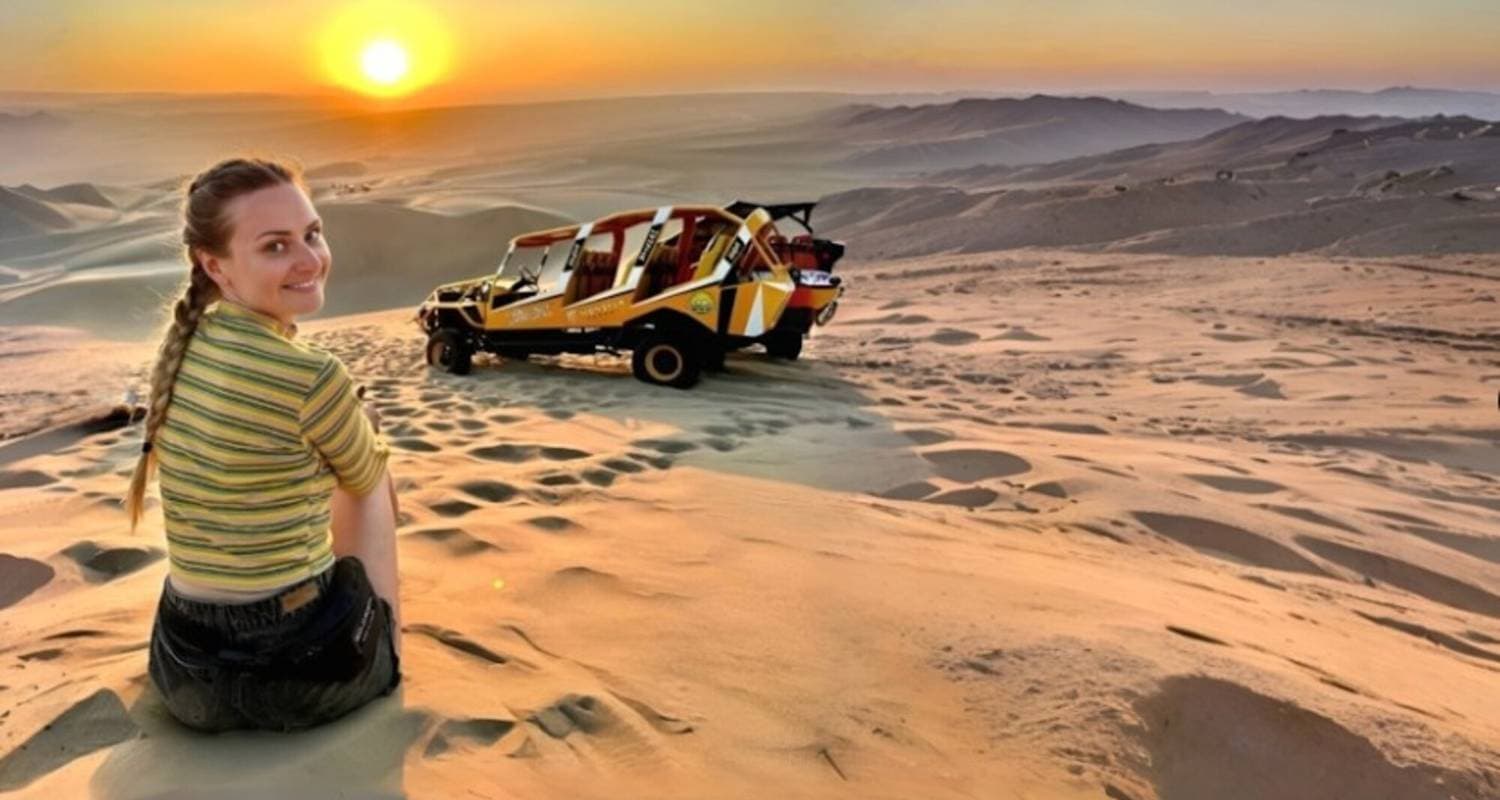
Peru Express - 10 Days (Lima - Cusco - Machu Picchu & Puno) With Domestic Flights
10 days · Waman Adventures
4.8· 178 reviews✓ Instant confirmationtour from €2,138
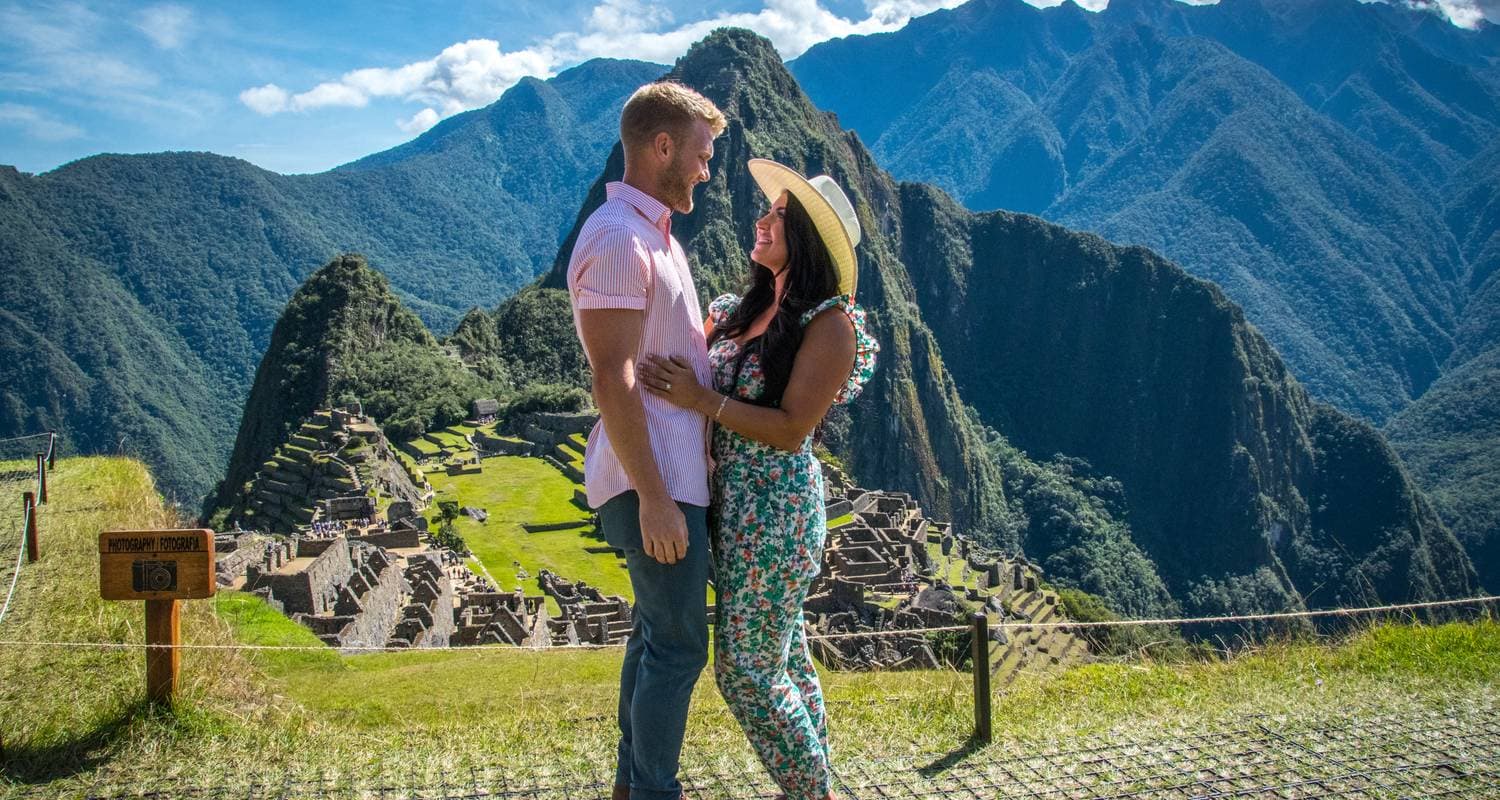
7 Day Cusco Travel Package: Cusco, Sacred Valley, Machu Picchu, Humantay Lake, and Rainbow Mountain.
7 days · Kantu Peru Tours
4.9· 171 reviews✓ Instant confirmationtour from €615
What a 9-day Peru tour actually includes
The standard route runs Lima to Cusco to the Sacred Valley to Machu Picchu and back to Lima, over 8-10 days. Most small-group tours give you a night in Lima to shake off the flight, fly you up to Cusco (3,400m), then drop you straight down to the Sacred Valley (2,800m) for a couple of nights so your body can find its feet before climbing again.
The Sacred Valley days take in Pisac market, the dazzling white Maras salt pans, the strange concentric terraces at Moray and the great fortress of Ollantaytambo. From there the Vistadome or Expedition train winds 90 minutes to Aguas Calientes, the gateway to Machu Picchu.
Machu Picchu itself is usually a full day: the early bus up for sunrise, two or three hours with your guide as the cloud lifts, then a free afternoon for the Huayna Picchu or Machu Picchu Mountain add-ons (€75 each, booked a couple of months ahead).
Reckon on €1,400-€1,900 per person for the 8-9 day version with a good operator. That covers accommodation, domestic flights, the train to Machu Picchu, all transfers, entry fees, your guide and most breakfasts. Lunches and dinners are largely yours, at €8-€25 a meal depending where you sit down.
Inca Trail vs alternatives: which trek fits which Peru tour
The classic 4-day Inca Trail is the one everyone's heard of: 45 km of original stone path that ends at the Sun Gate, looking down on Machu Picchu as dawn breaks. Permits are capped at 500 a day (around 200 for travellers, the rest for guides and porters) and sell out 4-6 months ahead for June-August. Add €700-€900 to your tour for the trek.
The Salkantay Trek is the main alternative — five days, tougher (a high pass at 4,600m), arguably more spectacular, and no permit cap. It runs €500-€750, and most 12-14 day trips lean on Salkantay rather than the Inca Trail simply because it's easier to book.
The Lares Trek is shorter at three days, far quieter, and threads through working Quechua villages. The pick if you'd rather have the culture than the bragging rights.
The Short Inca Trail (two days, one night) does the final stretch and still delivers you to the Sun Gate for €400-€550, with permits much easier to come by. The smart choice if you want the name without giving up four full days.
And if trekking simply isn't your thing, skip it with a clear conscience. The train from Ollantaytambo reaches exactly the same place, and it's the ruins themselves you came all this way for.
Adding the Amazon and Lake Titicaca: 10-14 day Peru tour packages
The 12-14 day trip is what you build when the Cusco spine alone won't do. Two additions earn their place.
The Amazon: a 45-minute flight from Cusco to Puerto Maldonado, then a 1-3 hour boat transfer to a lodge deep in the Tambopata Reserve. Three nights is just right — enough for a macaw clay lick, a canopy walk and one proper night hike with the jungle alive around you. Figure €400-€700 per person for the lodge stay. Manu National Park is wilder still, but harder to reach and really only worth it with five days or more to give it.
Lake Titicaca: fly or bus from Cusco to Puno for a couple of nights. A day trip takes in the Uros floating reed islands and Taquile, though a homestay on Amantaní island is the one you'll remember. Adds €250-€400.
Arequipa and the Colca Canyon are the third add — well worth it for the condors riding the thermals at Cruz del Cóndor and the white-stone colonial streets below. Adds €300-€450 and three days.
The full 14-day Lima-Cusco-Machu Picchu-Amazon-Puno-Arequipa-Lima loop runs €2,400-€3,400 before flights, and it's Peru at its most complete.
Altitude: the most important thing to plan for
Cusco sits at 3,400m, and plenty of travellers feel it within hours of landing — a thumping head, breathlessness, a restless night's sleep. A rough 20-30% get something nastier: nausea, dizziness, the full bout of altitude sickness.
The move that good operators swear by is simple: fly Lima to Cusco, then drop straight down to the Sacred Valley (2,800m) for two or three nights before coming back up. It genuinely works. If your itinerary parks you in Cusco from day one, either rejig it or pre-medicate.
Diamox (acetazolamide) is the most effective preventive going. Ask your GP for a prescription before you leave — 125-250mg twice daily, starting the day before you ascend. Coca tea and coca leaves are everywhere and help a little, but they're no substitute for Diamox if you're sensitive to altitude.
The ground rules: no alcohol for the first 48 hours, drink water like it's your job (3-4L a day), eat light and walk slowly. Don't pencil in a hard trek or Huayna Picchu for your first two days up high.
Puno, on Titicaca, is higher than Cusco at 3,830m; Arequipa is gentler at 2,335m. Plan the route so you gain altitude gradually rather than all at once.
Best time to visit Peru and what each season looks like
The dry season runs May to September across the Andes and the Amazon, and it's peak for good reason: clear skies over Machu Picchu, dependable trekking weather, and the best wildlife sightings in the jungle. It's also the priciest and busiest stretch, with June-August the real crunch — Inca Trail permits go six months or more ahead.
The shoulder months of April, May, September and October are the sweet spot. Prices ease 10-20%, the crowds thin out, the weather stays largely dry, and Machu Picchu is far less mobbed by the afternoon.
The wet season is November to March in the Andes. Afternoon rain is common, some treks close (the Inca Trail shuts entirely in February for maintenance), and the famous view can vanish behind cloud. The flip side: lush green landscapes, far fewer travellers and prices down 25-35%. With a flexible attitude and good waterproofs, it's a perfectly fair call.
The coast (Lima, Paracas, Nazca) does the opposite — grey and misty June-October, sunny December-April. Most itineraries only touch Lima for a day or two, so coastal weather is a footnote.
A word on getting to Lima, since the haul looks very different depending where you start. From the US, Peru is a natural, close-in trip: LATAM, American, Delta, United and JetBlue fly non-stop from Miami (about 8 hours), and Miami, Houston, Atlanta, New York, Fort Lauderdale and LA all run direct or easy one-stop services. Reckon on US$500-$800 round-trip off-peak, US$800-$1,200 over July-August and the December holidays — and the overnight southbound flights barely shift the clock, since Peru shares the US Eastern time zone. From Canada, Air Canada flies Toronto-Lima direct (around 8.5 hours) and you connect easily via the US from elsewhere, C$700-$1,200 return. From Australia, it is a genuine long-haul the honest way: there is no direct route, so you fly via the US (LA or Dallas) or occasionally via Santiago, total travel time around 18-22 hours and A$2,000-$3,200 return; build in a US transit and the time difference, but the reward is one of South America's great trips. From Europe, it is 13-17 hours with one stop via Madrid, Amsterdam or Paris, €550-€850 off-peak and up to €1,200 at the July-August and Christmas peaks. Whatever your home airport, the live bundle prices the flight from there in your own currency right beside the tour, so you weigh the true all-in cost before you commit to either booking.
Small-group, luxury, or independent: picking your Peru tour
Small-group tours of 10-16 people dominate Peru, and rightly so. Intrepid, G Adventures, Exodus and On The Go all run well-worn, dependable itineraries at €1,400-€2,200 for 9-10 days before flights, with a sensible balance of structure and free time and English-speaking local guides the whole way through.
Family and younger-crowd versions follow the same routes at a different pace and price: Intrepid Family folds in hands-on bits like pottery workshops and Cusco cooking classes, while G Adventures 18-to-Thirtysomethings skews younger and more social.
Luxury Peru is a genuine category, led by Belmond (the Hiram Bingham train, the Sanctuary Lodge right at the Machu Picchu gate) and Inkaterra. A full 9-day luxury itinerary runs €6,000-€12,000 per person, and it earns it for travellers chasing comfort and rare access — watching sunset settle inside Machu Picchu from the Sanctuary Lodge, for one.
Private tours land in the middle at €2,500-€4,000 per person for 9-10 days, usually with a private guide, driver and mid-range hotels — a fine fit for two couples or a family who want flexibility without the full luxury bill.
Independent travel is entirely doable, since Peru's tourism infrastructure is excellent. What you give up is the altitude planning, the Inca Trail permit wrangling and the site pre-booking that an operator simply takes care of.
Ready to price your trip?
Enter your origin airport and month — we'll search live flight and tour prices and give you one bundled total per person.
Find combosCommon questions
How much does a 10-day Peru tour cost with flights?
All-in from Europe, roughly €2,100-€2,900 per person. That covers a small-group tour at €1,600-€2,100 (domestic flights, the Machu Picchu train and entry, Sacred Valley hotels, most breakfasts and some dinners), return flights Europe-Lima at €550-€850 off-peak, an Inca Trail or Salkantay trek if you bolt one on (€500-€900 extra), plus €300-€500 of spending money for lunches, dinners, optional activities and tips. Book the flights 4-6 months out for the keenest fares.
Do I need to do the Inca Trail to see Machu Picchu?
No. The 90-minute train from Ollantaytambo sets you down in Aguas Calientes, a 20-minute bus ride from the entrance. Most 9-day trips use the train rather than the trek. The Inca Trail adds four days and €700-€900, and it's worth it if you specifically want that walk through the Sun Gate at sunrise. Alternatives like Salkantay and the Lares Trek reach Machu Picchu by their own routes, and without the permit cap that hems in the classic Inca Trail.
When should I book an Inca Trail tour?
Permits go on sale in October for the following year, and the June-August slots usually vanish by January or February. For May and September, 4-5 months out tends to do it. April and October sometimes still have room 2-3 months ahead. The trail closes every February for maintenance. If your dates are flexible, book the permit first and build the rest of the trip around it. Operators like Intrepid and G Adventures block-book permits and sell the spots bundled with their tours, which saves you the scramble.
How bad is altitude sickness in Cusco?
Roughly half of visitors feel something mild within 24 hours — a headache, breathlessness, tiredness, broken sleep. Around 20-30% get a stronger dose: nausea, dizziness or the full altitude sickness that can cost you a day. Serious cases are rare but possible. Good tours head it off by flying you to Cusco and then dropping straight down to the Sacred Valley (2,800m) for two nights. A Diamox prescription from your GP, plenty of water, no alcohol for the first 48 hours and an easy first day see most people right. Children and older travellers should have a word with a doctor before they go.
Is Peru safe for tourists in 2026?
Yes, for the standard circuit: the tourist neighbourhoods of Lima, Cusco, the Sacred Valley, Machu Picchu, Puno, Arequipa and the Amazon lodges. Petty theft is the main risk, especially on public transport and along Lima's Miraflores-to-airport corridor, and organised tour transfers take most of that exposure off the table. A few regions (the VRAEM in the central Andes, parts of the Puno-Bolivia border during unrest) carry stronger foreign ministry advice, but no standard tour goes near them. Check your country's current advisory before booking, as political protests occasionally snarl transport for a day or two.
Can I add the Amazon to a Peru tour easily?
Yes, and easily. Most 12-14 day trips bolt on a 3-4 night Amazon lodge stay from Puerto Maldonado. You fly Cusco to Puerto Maldonado in 45 minutes, then take a 1-3 hour boat transfer up-river to the lodge. Expect €400-€700 per person for three nights including all meals, guided jungle walks and a macaw clay lick visit. Tambopata is the easy-access reserve; Manu is wilder but wants five days or more to be worth it. Pack one set of jungle kit — light long sleeves, long trousers, insect repellent — and leave the rest in storage back in Cusco.
Related destinations
- Egypt Multi-Day Tours with Flights from €1,300Sail the Nile, stand at the pyramids, sleep out under the Wh…
- Morocco Multi-Day Tours with Flights from €700Nights in the Merzouga dunes, mornings lost in the Fes medin…
- Iceland Multi-Day Tours with Flights from €1,100Drive the Ring Road, walk on a glacier, chase the Northern L…
Related tour styles
Pick by trip length
Plan this trip from your city
- Multi-Day Tours from New York with Flights IncludedMulti-day tours from New York with flights included — one US…
- Multi-Day Tours from Los Angeles with Flights IncludedPackage tours from Los Angeles with flights included — one U…
- Multi-Day Tours from Sydney with Flights IncludedLeaving Australia means a long-haul flight whether you like …
- Multi-Day Tours from Toronto with Flights IncludedPearson is Canada's biggest long-haul hub, and with a weak l…
- Multi-Day Tours from London with Flights IncludedBuilt for London travellers: LHR for long-haul, LGW for Euro…
Deeper reading
- The Best Time to Visit Peru (Month-by-Month, 2026)May-September is the dry-season peak for Machu Picchu. Inca …
- Guided Tour vs Independent Travel — Which is Right for You?Guided wins for some destinations and traveller profiles. In…
- How to Choose a Guided Tour: A Practical Buyer's GuideWhat to ask before you book. Group size, pace, inclusions, o…
- The Perfect 9-Day Peru ItineraryLima to Cusco to the Sacred Valley to Machu Picchu, in the o…
- How Much Does a Peru Tour Cost?A 9-day Peru trip runs €1,900–€2,700 (≈$2,065–$2,935) all-in…
- Is TourRadar Legit? What Actually Happens After You BookShort answer: yes. Longer answer: it's a marketplace, your t…