
Thailand Multi-Day Tours with Flights from €1,050
Bangkok temples, Chiang Mai elephants, Krabi limestone karsts and the Phi Phi/Lanta island circuit. One bundled price, two bookings.
Edited by Multiday.tours editor
- ✓9-day Thailand tours from €900 land, 12-day classics around €1,530
- ✓Return flights from Europe to Bangkok €600-€950 in shoulder season
- ✓Best months: mid-November, early February, late October
- ✓11-12 day itineraries are the sweet spot for Bangkok + Chiang Mai + south
- ✓Andaman vs Gulf monsoons flip — plan islands around the calendar
- ✓Top operators: G Adventures, Realistic Asia, TruTravels, PrestiGo Asia
Thailand is the gentlest introduction to Southeast Asia there is, and somehow still one of the best-value trips in the region. A typical 9-12 day small-group trip, with guide, domestic flights or sleeper train, hotels and most breakfasts, starts from around €1,050 per person, with most travellers landing nearer €1,460, and the longer 14-15 day trips that fold in the southern islands pushing €1,930. Add a return flight from a European hub and a proper two-week trip comes to €1,650-€2,700. G Adventures, Realistic Asia, Bravo Indochina Tours and TruTravels run most of the show. Almost every itinerary traces the same north-to-south spine: into Bangkok, up to Chiang Mai by overnight train, down to Phuket or Krabi by domestic flight, and home from one of the southern airports.
The tours doing the heavy lifting here
Prices are tour-only — add flights for the real total. You book the tour itself on TourRadar.
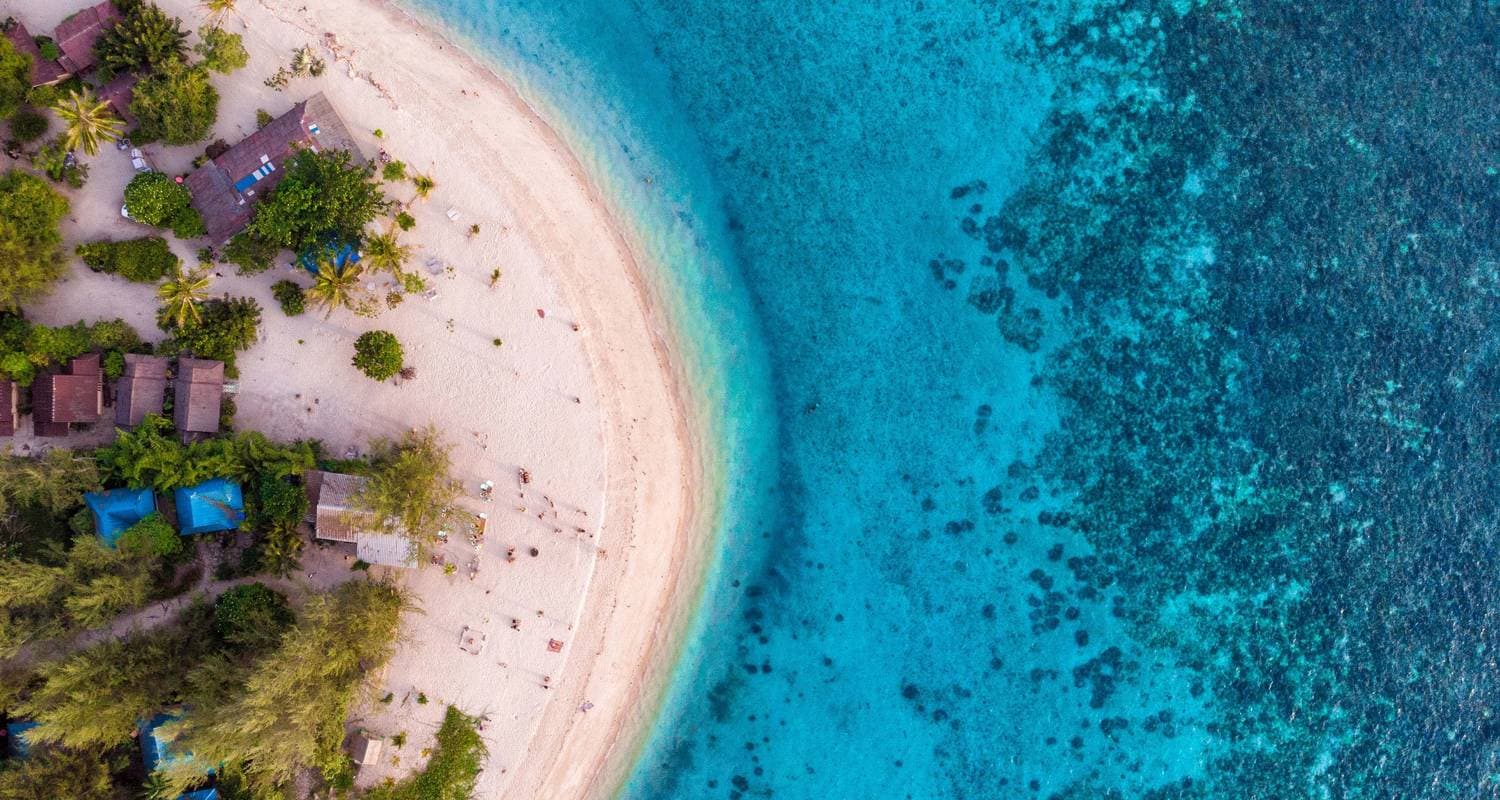
Thai Intro 9 Day
9 days · INTRO Travel
4.8· 4,561 reviews✓ Instant confirmationtour from €1,103

Thailand Island Hopper
14 days · TruTravels
4.7· 1,730 reviews✓ Instant confirmationtour from €1,311
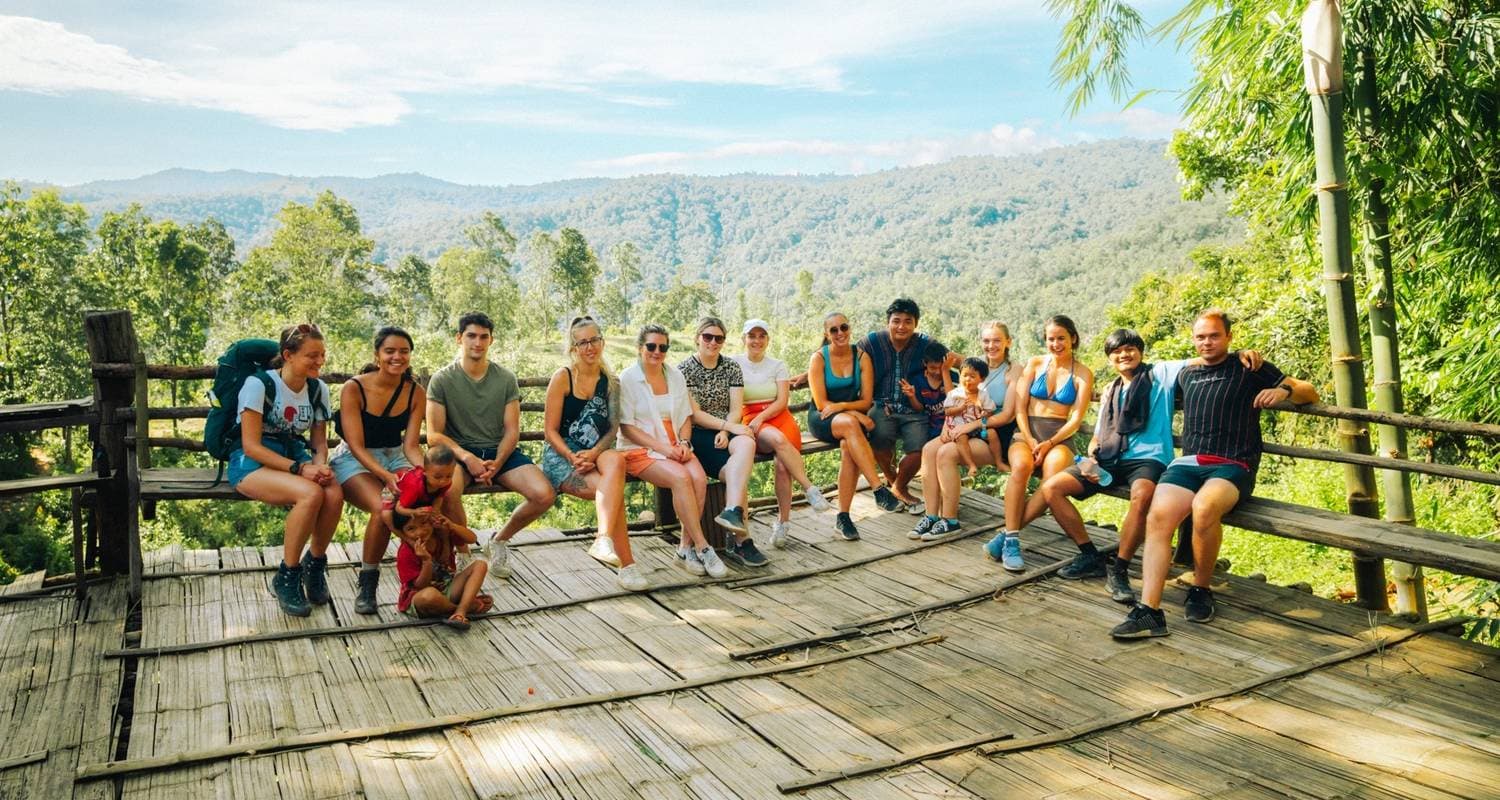
Northern Thailand Adventure
14 days · TruTravels
4.8· 1,672 reviews✓ Instant confirmationtour from €1,311
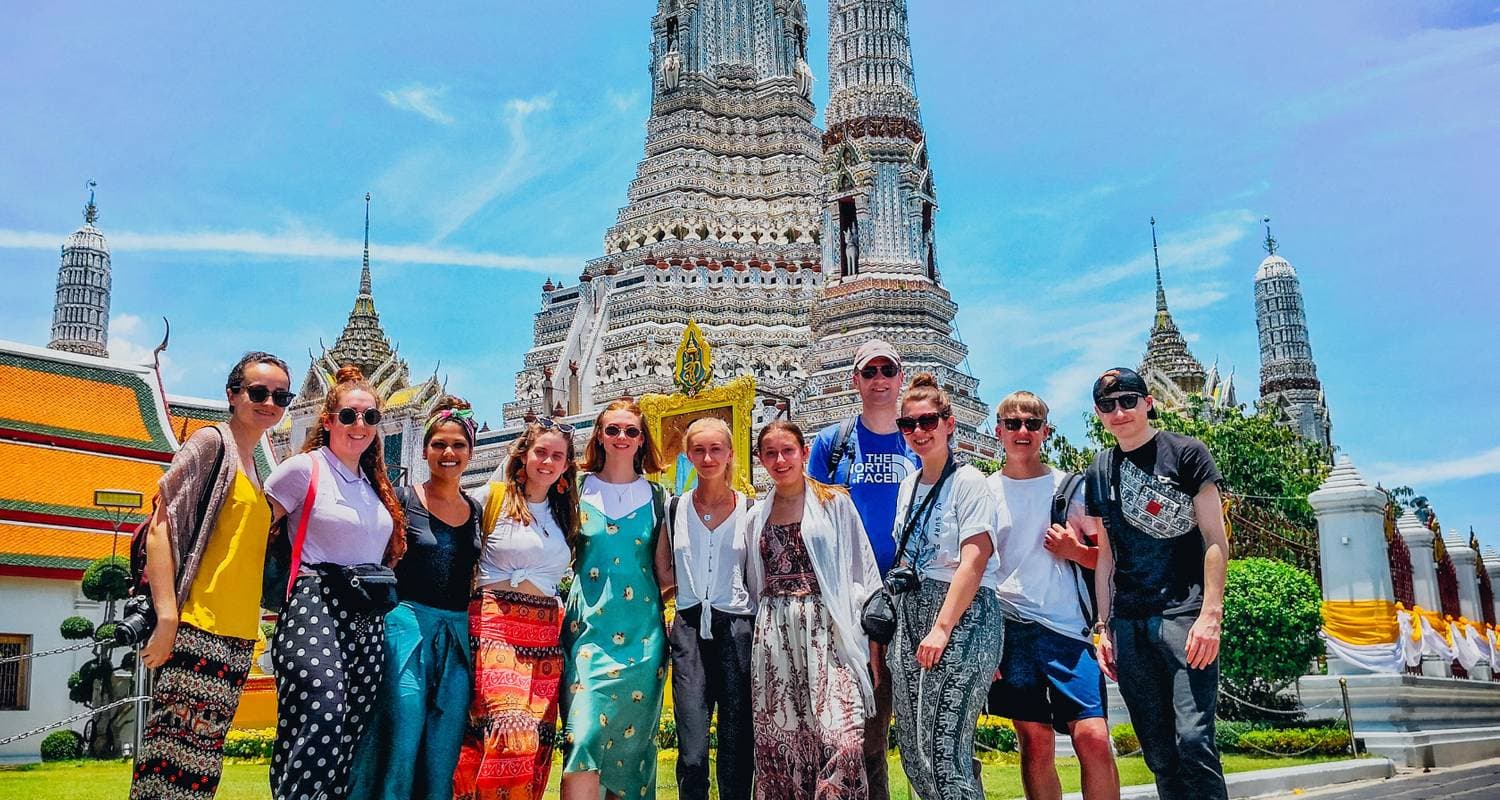
Thailand Experience
8 days · TruTravels
4.7· 1,566 reviews✓ Instant confirmationtour from €823
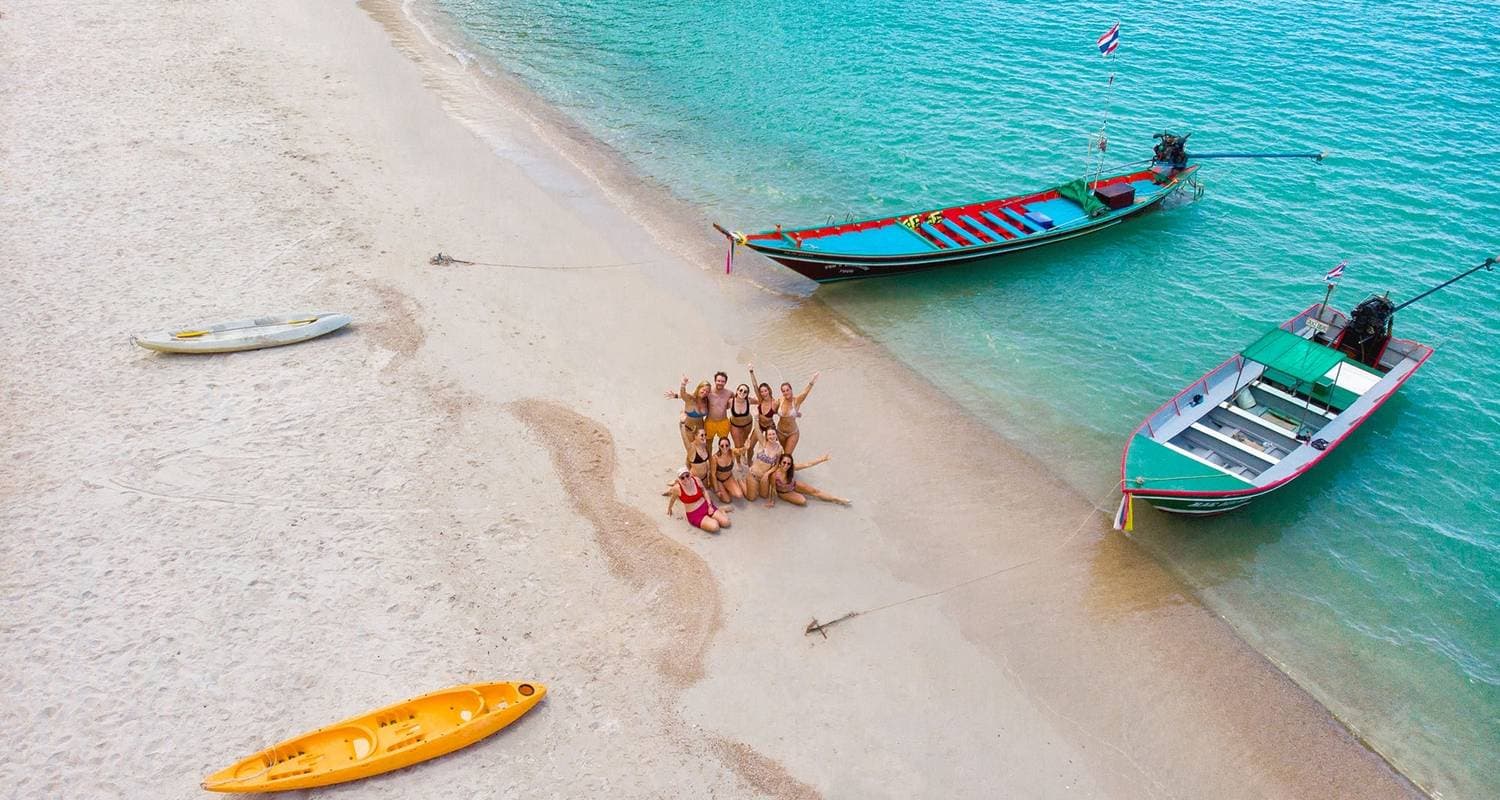
Thai Intro 12 Day
12 days · INTRO Travel
4.8· 909 reviews✓ Instant confirmationtour from €1,425
Thai Experience
13 days · INTRO Travel
4.8· 597 reviews✓ Instant confirmationtour from €1,770
What a classic 10-12 day Thailand tour actually looks like
The default Thailand itinerary runs Bangkok-Chiang Mai-south, and the reason is simple: it is the one route that takes in all three landscapes without ever doubling back. Two nights in Bangkok gets you the Grand Palace, Wat Pho, Wat Arun and a trip up the Chao Phraya, plus one night-market dinner that will outshine anything waiting for you back home. Then it is either the overnight sleeper train to Chiang Mai (13 hours, around €30-€50 in a second-class AC berth) or an internal flight with AirAsia or Nok Air (€35-€70, 75 minutes).
Three nights in Chiang Mai covers the old-city temples, a day at an ethical elephant sanctuary, and a cooking class or a climb up to Doi Suthep. From there you fly south. Bangkok Airways, Thai Lion and AirAsia all run Chiang Mai-Phuket and Chiang Mai-Krabi daily at €60-€120 one way. Allow 3-4 nights in the south: one in Phuket or Krabi town, two out on an island.
PrestiGo Asia's Thailand Classic in 12 Days follows this exact spine at around €1,530 land. Realistic Asia's Amazing Thailand In 9 Days is the compressed version at around €900. Both do the job, but nine days is tight once the travel days take their cut, so 11-12 is the honest sweet spot.
North-focused vs south-focused: which half to prioritise
If you only have 8-9 days, pick a side. The trips that try to cram everything into a week leave you on a plane or a minibus more than on the ground.
North-focused trips base in Chiang Mai and fan out. Add Chiang Rai (3 hours by road, the White Temple and the Golden Triangle border point), Pai for 2-3 nights (4 hours of switchback road, a slower hippie-backpacker mood, waterfalls and canyons), and a proper ethical elephant day. On the elephants: book with Elephant Nature Park, BEES or Boon Lott's, all of them observation and feeding, no riding, no bathing circuses. Steer clear of anywhere selling elephant rides or performing shows. The old Tiger Temple near Kanchanaburi was shut down by the authorities in 2016 for welfare violations, and any operator still pointing you at a tiger-cuddle venue is a red flag.
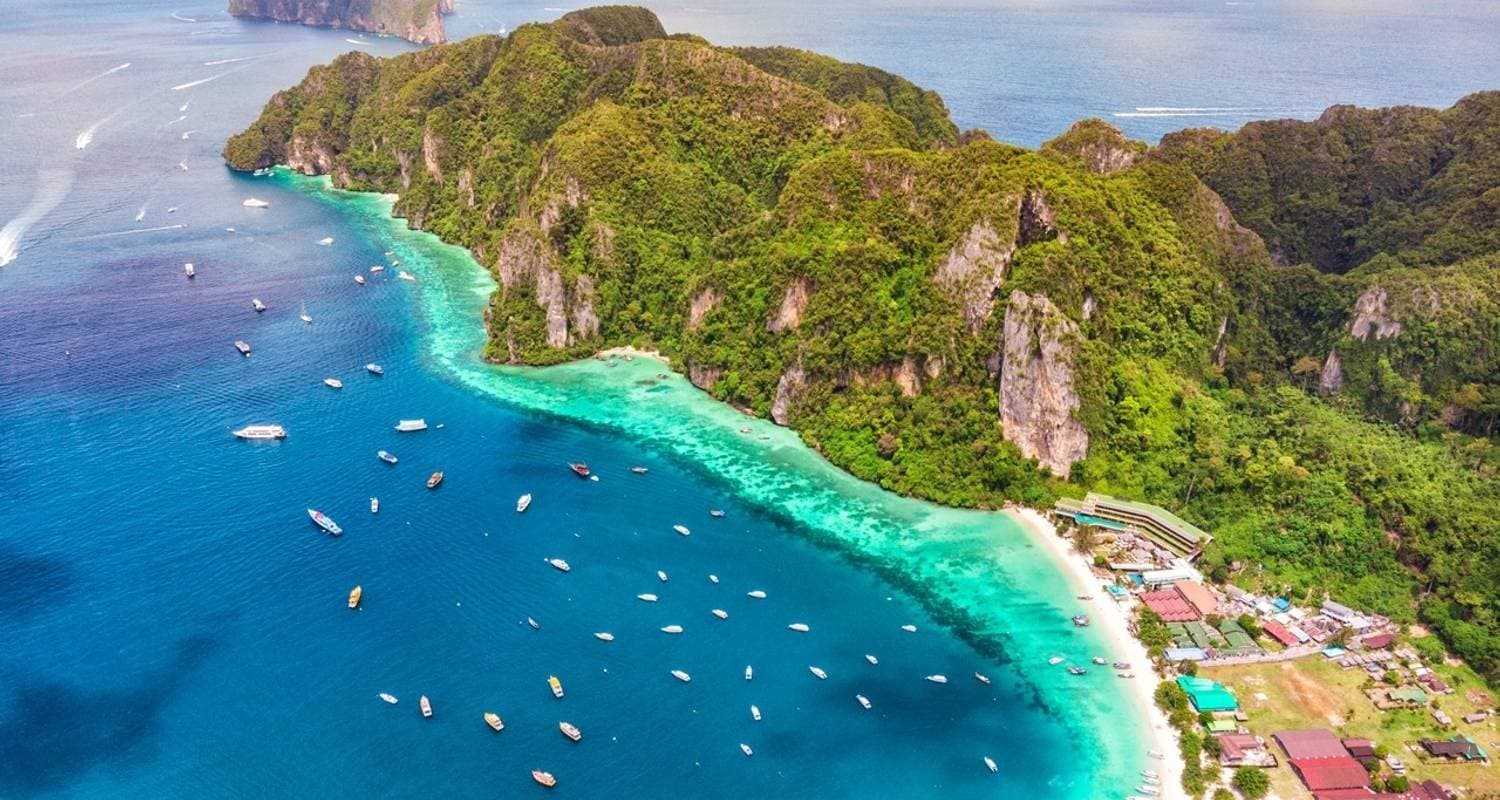
South-focused trips are island hopping. Phuket is the big airport hub, with direct flights from some European cities, but the island itself is the most built-up and the beaches are not its best feature. Treat it as a gateway and move on. Koh Phi Phi has spectacular limestone scenery and is completely overrun, so day-trip in from Krabi or Koh Lanta rather than base there. Koh Lanta is the quiet, long-beach, mid-range family pick. Koh Samui, on the Gulf side, is bigger, more developed and runs on a flipped monsoon calendar. Koh Tao is for divers.
The honest rule: Phi Phi for the photos, Lanta to sleep, Samui if you have kids.
Which operator: the honest take on style and price
G Adventures offers the widest spread of Thailand trips going, skewing 25-45, mixed-age, mid-range hotels, internal flights included. Their National Geographic Journeys range adds smarter hotels and smaller groups for roughly €500-€900 more. A sound default if you are travelling solo or as a couple and want company without it tipping into a party trip.
Intrepid and Exodus sit in the same bracket. Intrepid's Basix range is the cheapest end (dorm or simple hotel, 12-day Thailand trips from around €900 land), with their Original range the mid-range step up. Exodus leans a little older (40-65), runs stronger on the walking and cycling trips, and prices a touch higher.
TruTravels is the backpacker end, 18-35 focused, hostel-based, more party-minded. Their 14-day Thailand Island Hopper at around €1,310 land is the go-to south-coast trip for that crowd, and INTRO Travel plays the same patch.
Realistic Asia, Bravo Indochina Tours and PrestiGo Asia are the in-country specialists: smaller groups, more local guides, fewer brand-name hotels, and the most willing to bend an itinerary to your liking. They quote in USD, which converts to roughly €600-€1,700 depending on length. A strong pick if you want the classic Bangkok-Chiang Mai-Phuket spine run by people who actually live there.
SpiceRoads is the cycling specialist. Their Thailand supported-cycling trips run 7-12 days, with van backup and 40-70km a day on decent roads. Niche, but very good indeed if that is your thing.
Best time to visit Thailand: and the monsoon flip that catches people out
Thailand runs to three seasons, and here is the catch that trips people up: the two coasts of the south sit on opposite monsoons, so "the wet season" depends entirely on which beach you have your eye on.
November to February is the dry, cool season nationwide. Bangkok and Chiang Mai hold at 22-30°C with low humidity, both coasts are swimmable, and every postcard shot comes off. This is the peak: book tours 4-6 months out, flights from Europe run €650-€950 return, and Christmas and New Year are the priciest weeks of the year, adding 30-50%.
March to May is the hot-dry season. Bangkok hits 35-40°C with heavy humidity, and Chiang Mai fills with smoke haze from agricultural burning in March (genuinely unpleasant, worth dodging if you have asthma). April brings Songkran, the Thai New Year water festival (13-15 April 2026), a joy if you want to be in the thick of it and wet-phone chaos if you do not. The islands are fine through this window.
June to October is the rainy season and the cheapest spell to travel. Tour prices fall 25-40%, flights can dip under €500 return, and the islands offer accommodation deals you will never see in December. The pattern is the key part: the Andaman coast (Phuket, Krabi, Phi Phi, Koh Lanta) is wettest June to October, with rough seas and the odd cancelled ferry, while the Gulf coast (Koh Samui, Koh Phangan, Koh Tao) is actually at its driest June to August and only turns properly wet in October and November. So if you're travelling in the June-August window — northern summer holidays, or the Australian winter escape — go Gulf side and skip the Andaman.
For most travellers, the sweet spot is the back half of November and early February.
Flights to Thailand: getting there from wherever you start
Bangkok has two airports, and they are not interchangeable. Suvarnabhumi (BKK) is the big international gateway, 30km east of the city, used by Thai Airways, Qatar, Emirates, Etihad, Singapore and most long-haul carriers. Don Mueang (DMK) is the low-cost hub 25km to the north, home to AirAsia, Nok Air, Thai Lion and Scoot. If your itinerary lists a domestic flight, check which airport it leaves from: a Suvarnabhumi arrival and a Don Mueang internal departure is a 90-minute cross-town transfer you do not want to cut fine.
From Australia, Thailand is on your doorstep, and that's the headline. Thai Airways, Qantas and Jetstar fly Sydney and Melbourne direct to Bangkok in about 9 hours, with Perth closer still at around 7. One-stop fares through Singapore (Scoot, Singapore Airlines) or Kuala Lumpur (AirAsia) undercut the direct seats and run all day long. Return economy from Sydney or Melbourne sits around A$700-A$1,100 in the shoulder months and A$1,200-A$1,700 over the December-January summer break; Perth is cheaper again. For the short hop and the value, Thailand is one of the easiest overseas trips an Australian can take.
From the US, the West Coast has the edge. Los Angeles, San Francisco and Seattle reach Bangkok in about 18-20 hours with one stop in East Asia (EVA via Taipei, Korean via Seoul, ANA or JAL via Tokyo, Cathay via Hong Kong, Singapore Airlines via Singapore), and the fares are lower and the routing shorter than flying to Europe — Southeast Asia is genuinely the easier long-haul from California. Expect US$800-US$1,200 return from the West Coast in shoulder season, US$1,200-US$1,700 at peak. From the East Coast (New York, Washington, Boston) it's 19-22 hours and US$900-US$1,400, routed via the Gulf (Qatar, Emirates) or across the Pacific.
From Canada, Vancouver matches the US West Coast — one stop in East Asia, around 18-20 hours, roughly C$1,100-C$1,600 return. Toronto and Montreal route via Asia or the Gulf at C$1,300-C$1,900.
From the UK and Europe, Thai Airways flies direct from London, Paris, Frankfurt, Munich, Zurich, Copenhagen, Milan and Stockholm depending on the season, 11-12 hours nonstop and usually €750-€1,100 return. The reliable one-stop routings are Qatar via Doha (13-14 hours total, often the price-leader around €600-€850), Emirates via Dubai, Etihad via Abu Dhabi and Turkish via Istanbul. Phuket (HKT) also takes direct charter and scheduled flights from some European cities (TUI, Edelweiss, Condor, Eurowings Discover) over the November-March season at €550-€800, handy for a south-only trip.
Whatever your home airport, the bundle prices the flight live in your own currency the moment you search, so the full per-person total shows right beside the tour before you commit to either side of the booking.
Ready to price your trip?
Enter your origin airport and month — we'll search live flight and tour prices and give you one bundled total per person.
Find combosCommon questions
Is Thailand safe for tourists in 2026?
Yes, for the tourist routes. Bangkok, Chiang Mai, Chiang Rai, Phuket, Krabi and the main islands are all rated exercise-normal-precautions by most European foreign ministries. The avoidance advice is confined to the deep-south provinces of Yala, Pattani, Narathiwat and southern Songkhla (no standard tour goes near them) and any demonstrations in central Bangkok. Petty theft on crowded transport and scooter-rental scams in Phuket and Koh Phangan are the main annoyances, and violent crime against tourists is very rare.
How much does a 10-day Thailand tour cost with flights?
Budget roughly €1,650-€2,400 per person all-in from most European cities. That stretches to a small-group tour (€1,050-€1,550 with guide, internal flights or trains, mid-range hotels and most breakfasts), return flights from Europe to Bangkok (€600-€900 in shoulder season), tips (€40-€80), and spending money for lunches, dinners, markets and transfers (€250-€450). Private tours with Realistic Asia or PrestiGo Asia come in at similar land prices for two, while TruTravels' backpacker-style trips run €200-€400 cheaper.
Where can I see elephants ethically in Thailand?
Book an observation-only sanctuary, not a riding or bathing camp. Elephant Nature Park outside Chiang Mai is the benchmark: rescued elephants, no riding, no performing, day visits around €70-€90. BEES (Burm and Emily's Elephant Sanctuary) near Chiang Mai and Boon Lott's Elephant Sanctuary in Sukhothai follow the same ethical model. Give a wide berth to anywhere advertising rides, bathing circuses or shows, and to any operator still funnelling travellers towards tiger venues: the Tiger Temple was shut in 2016 for animal welfare violations, and the copycat venues that survive it are no better.
When is the cheapest time to visit Thailand?
June to September. Tour prices fall 25-40% off the December-January peak, flights from Europe can drop under €500 return, and the island accommodation deals are the best of the year. The trade-off is the monsoon: the Andaman coast (Phuket, Krabi, Phi Phi, Koh Lanta) gets heavy rain and rough seas with the odd ferry cancellation, while the Gulf islands (Koh Samui, Koh Phangan, Koh Tao) are actually drier through June to August. Late October is the other value window, with prices still low, the rain tapering off, and the cool season about to arrive.
Koh Phi Phi or Koh Lanta — which should I stay on?
Koh Lanta to sleep, Koh Phi Phi for a day trip. Phi Phi has the most dramatic limestone scenery in the country and is well worth seeing, but the main beach at Tonsai is overrun, noisy and short on decent mid-range places to stay. Skip the Phi Phi day-trip crowds out of Phuket and base yourself on Koh Lanta instead (a 1-1.5 hour ferry to Phi Phi), settle on a 5km stretch of quiet beach, and take a Maya Bay-and-snorkel longtail for the photos. Koh Lanta also has the better food, fewer touts, and an easy mid-range family feel.
What should I pack for a Thailand tour?
Light cotton or linen for the heat and humidity, plus one long-sleeve layer and long trousers for the temples, where shoulders and knees must be covered. Real walking shoes for the Bangkok and Chiang Mai temple days, and flip-flops or water shoes for the islands. Reef-safe, high-SPF sunscreen, and bring it with you, since Thai prices for European brands are steep. A lightweight rain shell in the wet season. Mosquito repellent with DEET, basic stomach medication, and roughly €150-€250 in euro or USD to change into baht, which beats the airport ATM rates.
Related destinations
- Vietnam Multi-Day Tours with Flights from €650Sail Halong Bay, drift through Hoi An by lantern-light, wake…
- Cambodia Multi-Day Tours with Flights from €730Sunrise over Angkor Wat, the weight of Phnom Penh's history …
- Sri Lanka Multi-Day Tours with Flights from €790Climb Sigiriya, ride the blue train through tea country to E…
Related tour styles
- Small Group Tours with Flights IncludedShared departures of 10-16 travellers. Expert guides, fixed …
- Adventure Tours with Flights IncludedTrek, cycle, paddle and climb on guided multi-day trips. Rea…
- Food and Wine Tours with Flights IncludedMulti-day culinary tours with small groups, winery visits an…
- Christmas & New Year Tours with Flights IncludedSkip the seasonal clamour at home. December departures to so…
Pick by trip length
Plan this trip from your city
- Multi-Day Tours from New York with Flights IncludedMulti-day tours from New York with flights included — one US…
- Multi-Day Tours from Los Angeles with Flights IncludedPackage tours from Los Angeles with flights included — one U…
- Multi-Day Tours from Sydney with Flights IncludedLeaving Australia means a long-haul flight whether you like …
- Multi-Day Tours from Toronto with Flights IncludedPearson is Canada's biggest long-haul hub, and with a weak l…
- Multi-Day Tours from London with Flights IncludedBuilt for London travellers: LHR for long-haul, LGW for Euro…
Deeper reading
- The Perfect 10-Day Thailand ItineraryBangkok to the north to the southern islands in ten days, da…
- How Much Does a Thailand Tour Cost? The Honest All-In NumberTen to fourteen days in Thailand runs roughly €1,650–€2,700 …
- The Best Time to Visit Thailand (Month-by-Month, 2026)November-February is peak. The Gulf-vs-Andaman monsoon flip …
- What a Thailand Tour Costs from Los Angeles, Flights IncludedThirty-seven Thailand tours priced with a real LAX fare atta…
- What a Thailand Tour Costs from San Francisco, Flights IncludedThirty-seven Thailand tours priced with a real SFO fare atta…
- What a Thailand Tour Costs from New York, Flights IncludedThirty-seven Thailand tours priced with a real JFK fare atta…