
The Best Time to Visit Japan (Month-by-Month, 2026)
Sakura late March-early April and koyo mid-November are the two peaks. Avoid Golden Week and Obon.
By Adam, founding editor · Updated 18 June 2026
- ✓Best peak months: late March-early April (sakura), mid-November (koyo)
- ✓Best shoulder months: late May, early June, late September, October
- ✓Avoid: Golden Week 29 Apr-5 May 2026, Obon 13-16 Aug 2026
- ✓Rainy season (tsuyu): 7 June to 20 July on Honshu and Kyushu
- ✓Hokkaido runs its own calendar — great in June and August
- ✓Book sakura tours 9-12 months ahead; koyo 6-9 months ahead
The best time to visit Japan splits into two windows: late March to early April for sakura (cherry blossom) and mid-November for koyo (autumn foliage). Both sit at premium pricing, both sell out 9-12 months ahead, and both hand you the Japan you have been picturing all along. Outside those two peaks, late April to early June and late September to early October give you comfortable weather, normal pricing and crowds you can move through. Two dates to sidestep in 2026: Golden Week (29 April to 5 May) and Obon (roughly 13-16 August), when the whole country travels at once, the bullet trains book out and ryokan rates leap. Below, we take Japan month by month, with Tokyo, Kyoto and Sapporo temperatures, tour price bands, crowd levels and the festival calendar.
The Japan tours worth timing right
Prices are tour-only — add flights for the real total. You book the tour itself on TourRadar.
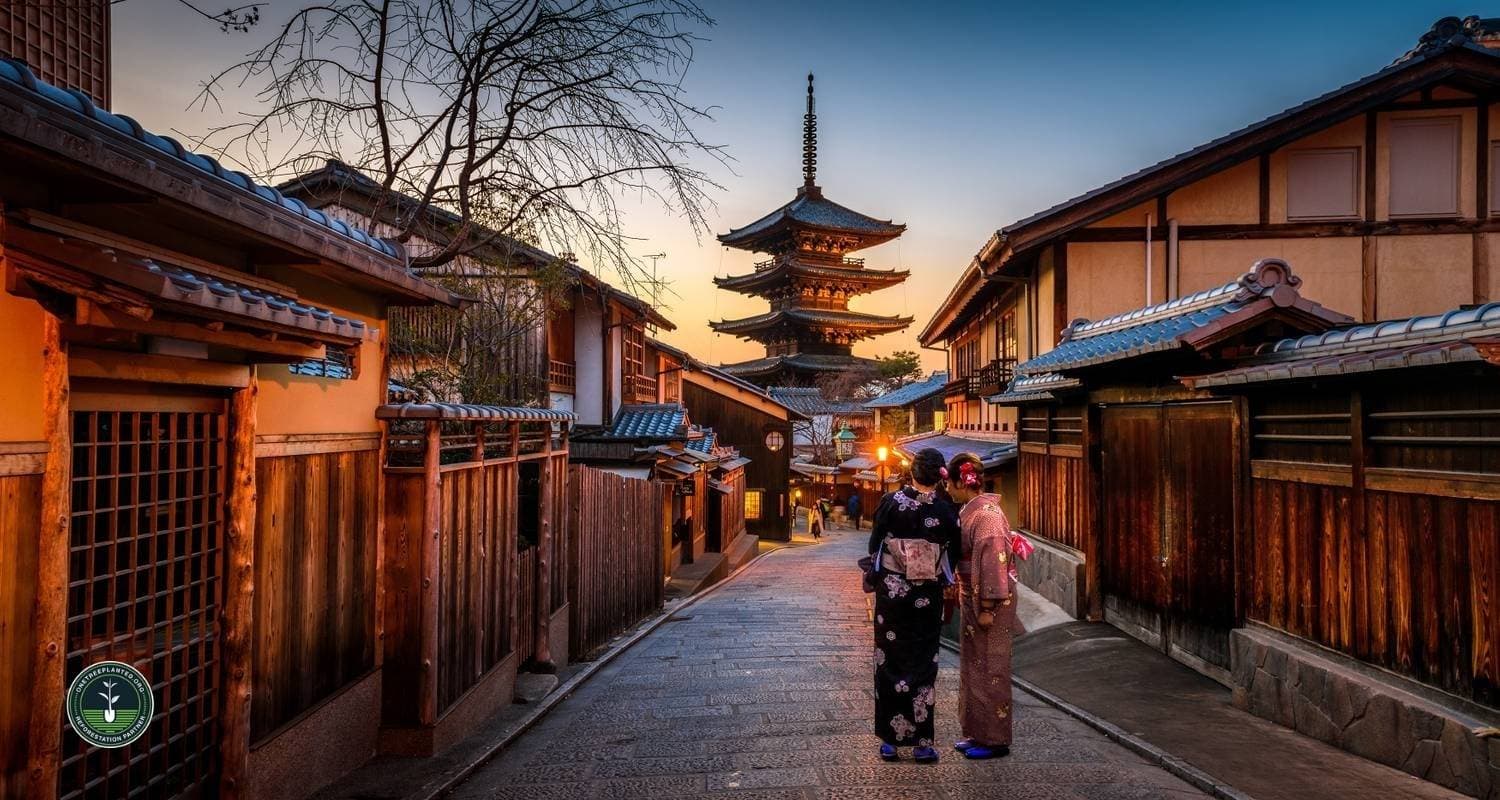
Japan Classic 10 Day - One Life Adventures
10 days · One Life Adventures
4.8· 2,287 reviews✓ Instant confirmationtour from €2,433
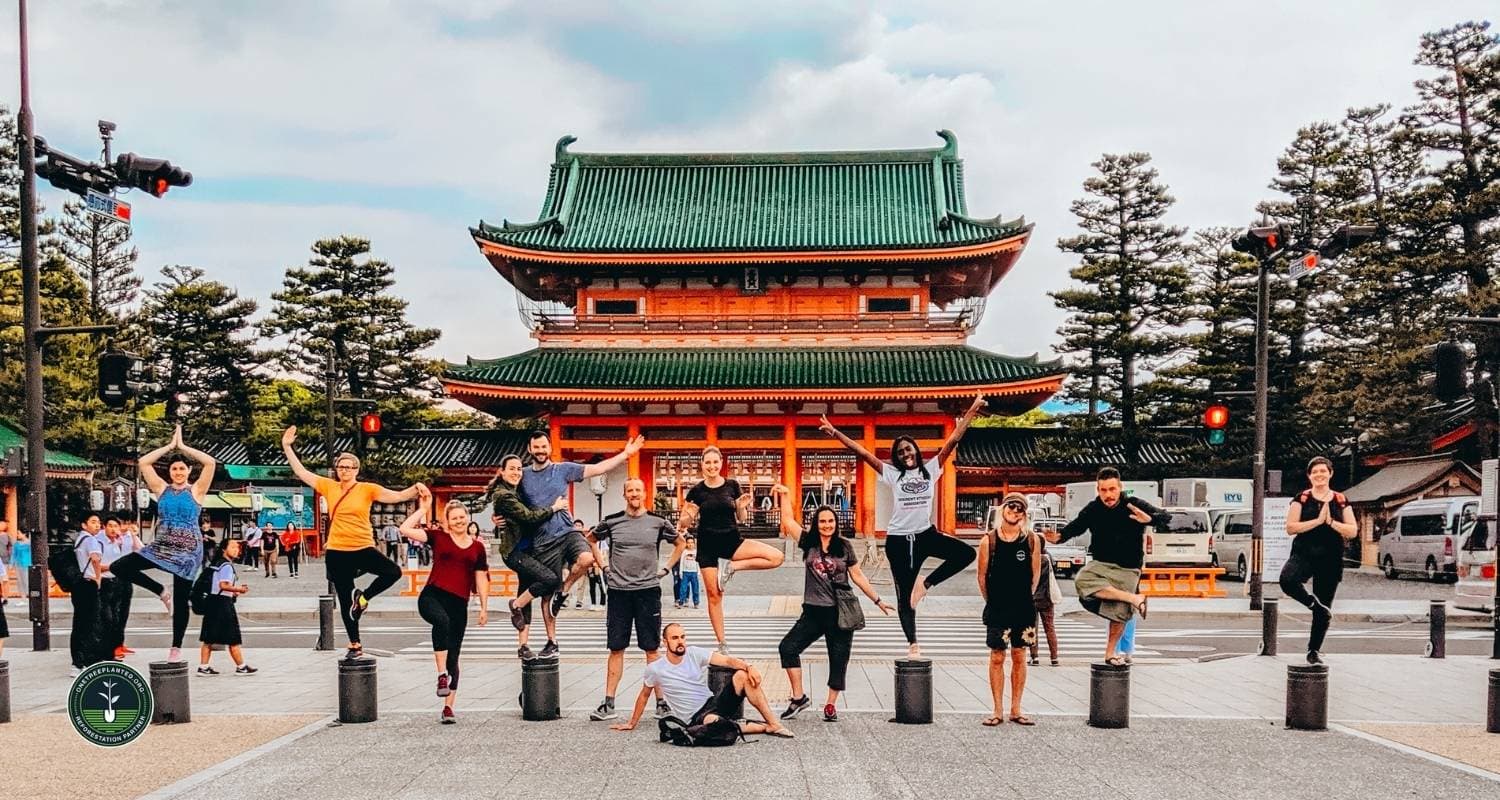
Japan Classic 14 Day - One Life Adventures
14 days · One Life Adventures
4.9· 970 reviews✓ Instant confirmationtour from €3,105
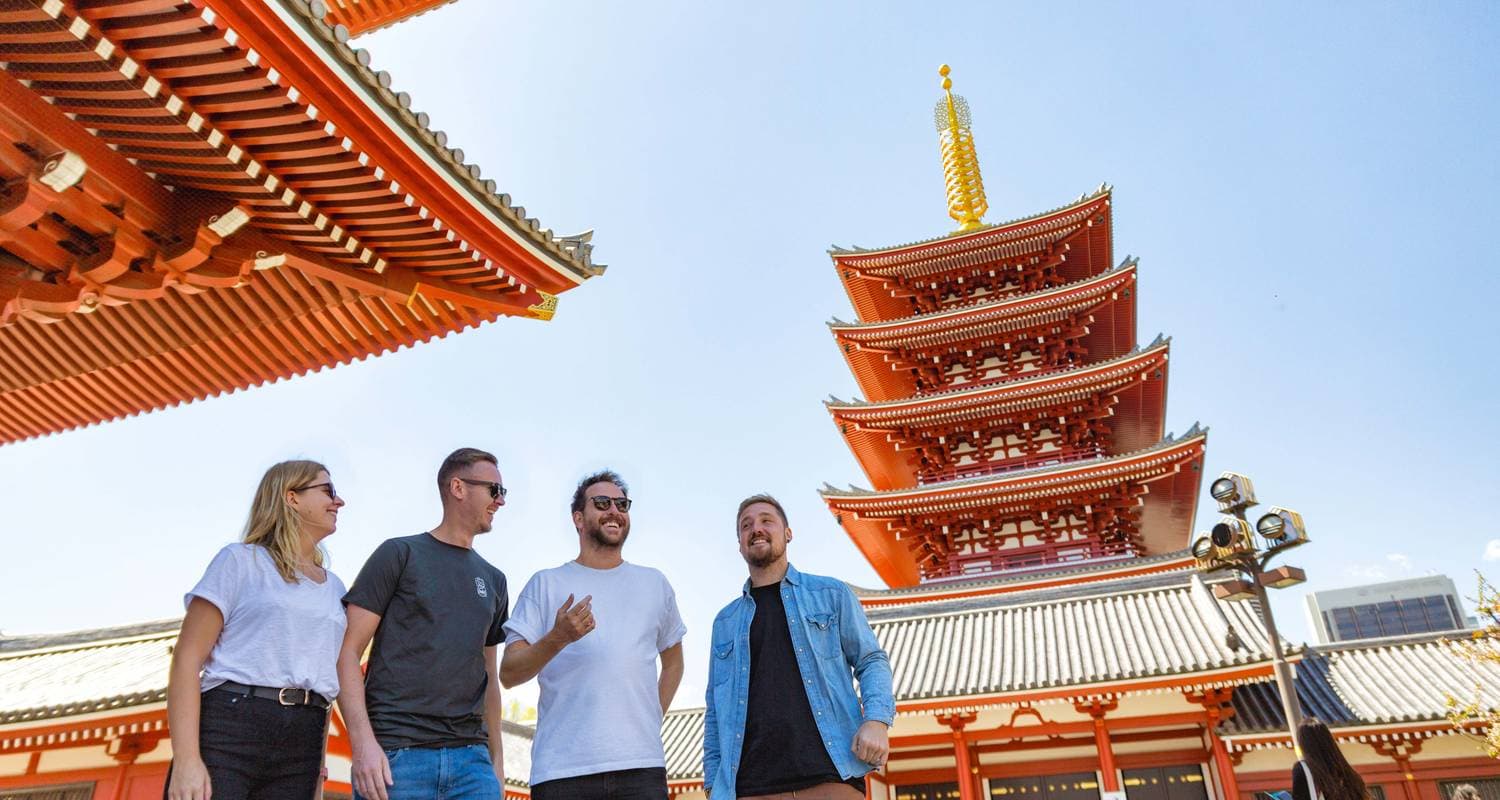
Japan Adventure 13 Day
13 days · INTRO Travel
4.9· 404 reviews✓ Instant confirmationtour from €2,851
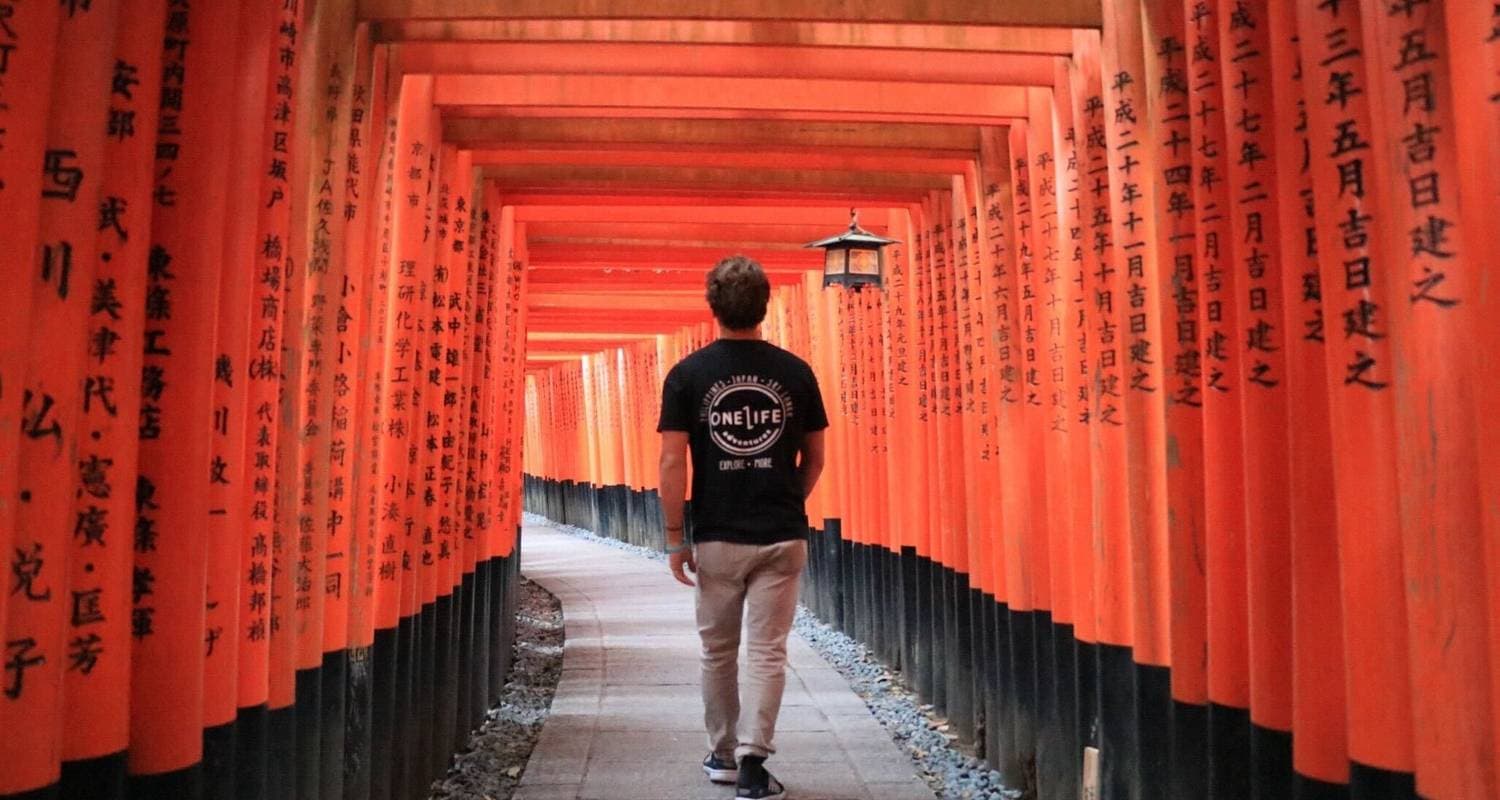
Japan Essentials 9 Day - One Life Adventures
9 days · One Life Adventures
4.8· 353 reviews✓ Instant confirmationtour from €1,697
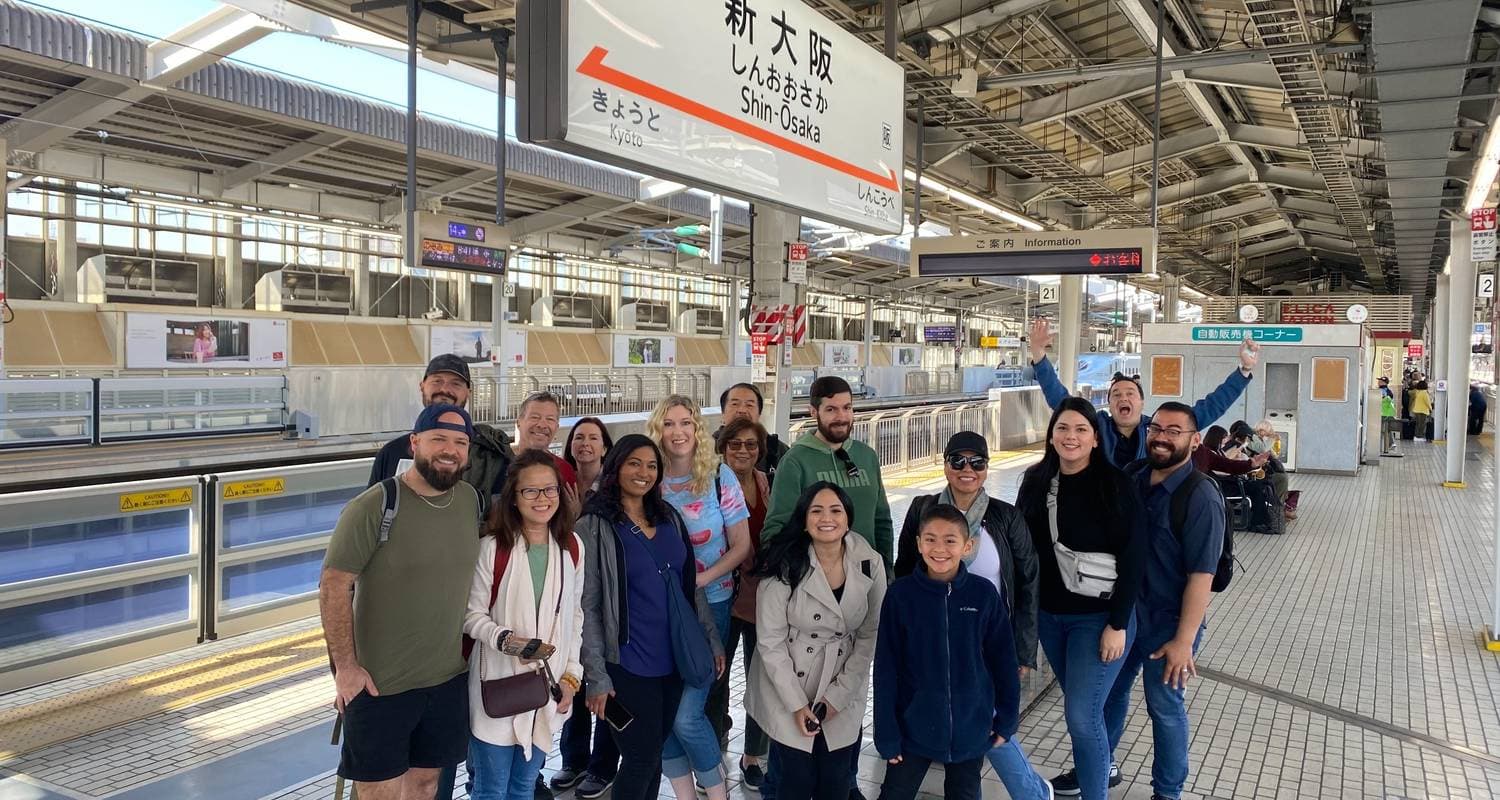
9D Splendid Japan-Private 3 Star Hotels-Osaka to Tokyo
9 days · Stunning Tours
4.5· 343 reviews✓ Instant confirmationtour from €3,494
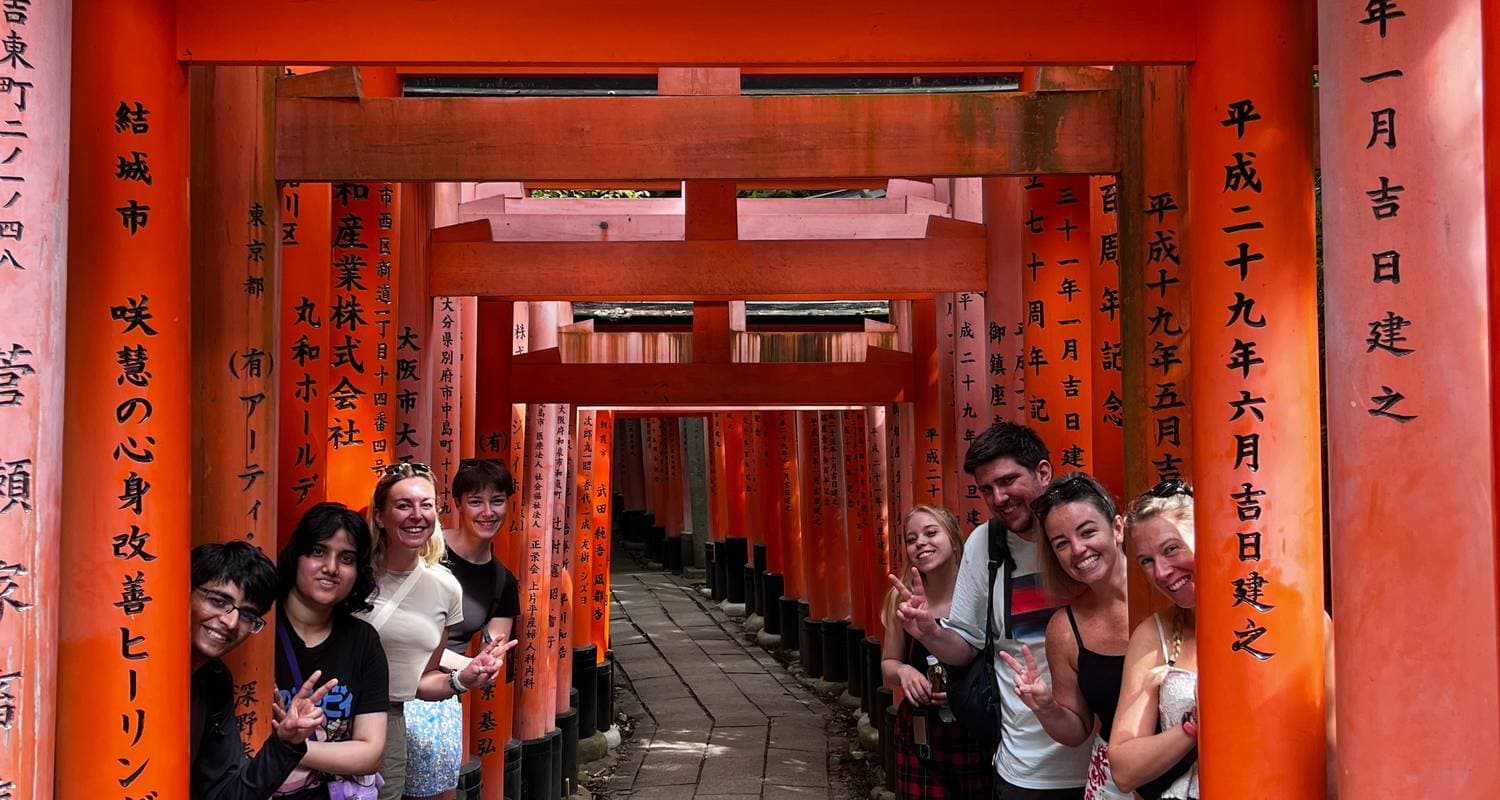
13-Day Japan Tour: Tokyo, Mount Fuji, Kyoto, Nara, Osaka & Beyond
13 days · The Dragon Trip
4.4· 166 reviews✓ Instant confirmationtour from €2,935
Four seasons, three very different regions
Japan stretches from subarctic Hokkaido in the north to subtropical Kyushu in the south, so a single 'Japan season' map does not work. You need to think in three vertical bands.
Hokkaido (Sapporo, Niseko, Furano): long snowy winters, short warm summers. January-February sees 1-2 metres of snow and world-class ski conditions. Summer (June-August) tops out at 24-27°C, Japan's most comfortable hot-season region. Lavender fields peak in July. Sakura arrives late — early May in Sapporo, almost a month after Kyoto.
Honshu's central belt (Tokyo, Kyoto, Osaka, Takayama, Kanazawa): four distinct seasons with hot humid summers (30-35°C plus serious humidity June-August), mild winters (5-10°C days, occasional snow in Kyoto), sakura late March to early April, koyo mid-November. This is where 70% of Japan tours spend most of their time.
Kyushu and Okinawa (Fukuoka, Nagasaki, Kagoshima, Naha): mild winters (12-15°C in January), earliest sakura (mid-March in Fukuoka), hot summers, typhoon exposure August-September. Okinawa is tropical and runs its own calendar — swimmable water April-October.
Rainy season (tsuyu) hits most of Honshu and Kyushu from roughly 7 June to 20 July. Hokkaido and Okinawa sit outside the main rainy belt. If a tour itinerary is Tokyo-Kyoto-Hiroshima in late June, expect 6-8 rainy days out of 14. Not a dealbreaker; worth knowing.
Month by month: what Japan actually looks like
January: Tokyo 10°C, Kyoto 8°C, Sapporo -1°C. Sapporo Snow Festival early Feb. Prices normal-low. Quiet after first week. Clear winter skies in Tokyo/Kyoto.
February: Tokyo 11°C, Kyoto 9°C, Sapporo 0°C. Plum blossoms late month. Ski season peak in Hokkaido and Nagano. Lowest mainland prices of the year.
March: Tokyo 14°C, Kyoto 13°C, Sapporo 4°C. Sakura arrives Fukuoka mid-month, Tokyo around 25 March, Kyoto around 27 March. Prices climb sharply last 10 days.
April: Tokyo 19°C, Kyoto 18°C, Sapporo 11°C. Sakura peak first 10 days Tokyo/Kyoto. Premium pricing through April 10. Golden Week starts 29 April — hard stop.
May: Tokyo 23°C, Kyoto 23°C, Sapporo 17°C. Best overall weather month. Sakura in Sapporo first week. Golden Week overhang first 5 days. Normal pricing from 10 May.
June: Tokyo 26°C, Kyoto 26°C, Sapporo 21°C. Tsuyu (rainy season) from around 7 June. Hokkaido skips it — strong June option.
July: Tokyo 29°C, Kyoto 30°C, Sapporo 24°C. Humid. Rainy season ends around 20 July. Gion Matsuri all month in Kyoto. Lavender season in Hokkaido.
August: Tokyo 31°C, Kyoto 32°C, Sapporo 26°C. Hot, humid, typhoons possible. Obon 13-16 Aug — avoid for travel. Fireworks festivals nationwide.
September: Tokyo 27°C, Kyoto 28°C, Sapporo 22°C. Typhoon risk first half. Second half is underrated: cooling, quiet, normal prices.
October: Tokyo 22°C, Kyoto 22°C, Sapporo 16°C. Clear dry weather. Early koyo in Hokkaido. Normal pricing. Excellent month.
November: Tokyo 17°C, Kyoto 17°C, Sapporo 8°C. Koyo peak Kyoto/Nikko 15-30 Nov. Premium pricing second half.
December: Tokyo 12°C, Kyoto 10°C, Sapporo 1°C. Illuminations in Tokyo. New Year 29 Dec-3 Jan domestic spike.
Sakura 2026 and koyo: the two premium windows
Sakura (cherry blossom) peak dates for 2026 based on long-run Japan Meteorological Corporation trends: Fukuoka around 20 March, Tokyo around 25 March to 3 April, Kyoto and Osaka around 27 March to 5 April, Kanazawa and Takayama around 5-12 April, Sapporo around 1-7 May. Actual peak is roughly 5-7 days after first bloom. Confirmed forecasts come out from January 2026 onwards — Weathernews and JMC publish weekly updates.
Kyoto's peak, the one most travellers optimise for, should fall between 20 March and 10 April 2026. Build a 7-10 day itinerary with Kyoto in its middle third and you have a buffer against early or late blooms.
Koyo (autumn foliage) is more predictable. Kyoto's momiji peaks 15-30 November almost every year, with the best 7-10 day window usually 18-27 November. Nikko peaks earlier (late October to early November). Hokkaido peaks mid-October.
Booking lead times are the real constraint. Small-group Japan tours with guaranteed sakura-week departures sell out 9-12 months ahead. Ryokan in Kyoto during bloom week books out by August the year before. Shinkansen reserved seats during sakura weekends need booking on opening day (30 days ahead).
Expect tour prices 25-40% above shoulder pricing for sakura week and 15-25% above for koyo week. Flights from Europe/North America run 30-50% above off-peak. If your dates are flexible by a week, skipping peak and taking the week immediately before or after saves meaningful money with only a minor loss in foliage/bloom density.
Golden Week (29 Apr-5 May) and Obon (13-16 Aug): actively avoid
Golden Week 2026 runs 29 April (Showa Day) to 6 May (Children's Day makeup). In practice that cluster absorbs the weekend either side, so real disruption is roughly 25 April to 6 May. Obon 2026 runs approximately 13-16 August, effectively 10-17 August once domestic travel bleeds in on both sides.
What happens during these windows: domestic travel hits its two annual peaks. Shinkansen reserved seats sell out weeks ahead and unreserved cars run 200% capacity with standing-only on Tokyo-Kyoto, Tokyo-Hiroshima and Tokyo-Sendai. Domestic flights run 30-60% above normal. Popular ryokan in Hakone, Kyoto, Nikko and Kusatsu fully book 2-4 months ahead at premium rates. Major sites — Fushimi Inari, Kinkaku-ji, Asakusa, Osaka Castle — sit at 2-3x normal visitor numbers. Tokyo and Kyoto restaurants require advance booking far more aggressively than normal.
What does not change: flights from Europe and North America are largely unaffected on the outbound leg (Japanese residents are the ones travelling domestically). International hotels in Tokyo and Kyoto are actually slightly cheaper during Golden Week because corporate travel drops.
Two workable approaches for travellers who cannot move dates:
1. Stay put. Pick one city (Tokyo or Kyoto), base yourself there the full Golden Week, skip day trips to Hakone or Nara on peak days, visit lesser sites and neighbourhoods rather than headline attractions.
2. Go rural. Hokkaido, Tohoku (Aomori, Akita) and San'in coast (Tottori, Shimane) see much less Golden Week spillover. A Golden Week Hokkaido or Tohoku tour is genuinely relaxed.
Do not book Tokyo-Kyoto-Hiroshima-Osaka on a classic circuit during either window. It is the single most stressful version of Japan.
Flights from Europe and North America: timing the fare
Direct carriers: ANA and JAL (Tokyo Haneda/Narita from London, Paris, Frankfurt, New York, LA, Chicago, San Francisco), British Airways (London-Haneda and London-Narita), Lufthansa (Frankfurt and Munich), Air France (Paris-Haneda), Delta (Seattle, Detroit, Atlanta), United (Newark, San Francisco, Chicago). Finnair's Helsinki-Tokyo has resumed via southern routing.
One-stop via the Gulf is often cheaper and nearly as fast from Europe: Emirates Dubai-Haneda/Narita, Qatar Doha-Haneda, Turkish Istanbul-Narita. Expect 14-16 hours total versus 12-14 direct. Japan is one of the few long-haul destinations reachable direct from both the US west coast (LA, San Francisco, Seattle, around 11 hours) and Australia (Qantas, ANA and Jetstar from Sydney, Melbourne and Brisbane, roughly 10 hours), so North American and Australian travellers often skip a connection entirely.
Fare bands (economy return, rough 2026 estimate). From Europe (London/Frankfurt/Paris):
- Sakura week (25 Mar-10 Apr): 1,100-1,600 euro. Book by October 2025.
- Golden Week outbound departures (25 Apr-2 May): actually softer because fewer international travellers. 700-1,000 euro.
- Summer (Jul-Aug): 900-1,300 euro. Obon week spikes domestically, not internationally.
- Koyo week (15-30 Nov): 800-1,100 euro. Book by June 2026.
- Shoulder (late May, early Jun, late Sep, early Oct): 600-900 euro. Best value.
- Winter (Jan-Feb excluding New Year): 550-850 euro. Cheapest mainland Japan flights.
From North America the same seasonal shape holds: US west coast direct runs roughly US$700-1,000 in shoulder and US$1,200-1,800 at sakura peak, with the East Coast about 20% higher. From Australia, expect around A$1,000-1,500 in shoulder and A$1,800-2,600 at peak. Open-jaw (fly into Tokyo, out of Osaka) adds little and saves a shinkansen return — worth it for Tokyo-Kyoto itineraries. Multiday.tours prices the flight live from your own airport in your own currency, so these bands are just a guide. For a worked example, see what a Japan tour costs from each US airport across eight American hubs.
For sakura 2026, set fare alerts by September 2025 and hold the trigger for a 10-14 day window rather than a fixed date.
Ready to price your trip?
Enter your origin airport and month — we'll search live flight and tour prices and give you one bundled total per person.
Find combosFAQs
What is the best month to visit Japan?
Late March to early April for sakura and mid-to-late November for koyo are the two premium windows and both deliver Japan at its most scenic. For better value with strong weather, late May and October are the best shoulder months — Tokyo and Kyoto sit at 22-23°C days, tour prices are 20-30% below sakura week, and crowds are meaningfully lighter at Fushimi Inari, Kinkaku-ji and Arashiyama. Late September is underrated once typhoon risk eases.
When is cherry blossom season in Japan 2026?
Based on long-run averages, Fukuoka around 20 March, Tokyo around 25 March to 3 April, Kyoto and Osaka around 27 March to 5 April, Kanazawa and Takayama around 5-12 April, Sapporo around 1-7 May. Peak bloom lasts roughly 7-10 days from first bloom. Accurate forecasts publish from January 2026 onwards via Japan Meteorological Corporation and Weathernews. If you are optimising for Kyoto specifically, target a trip that puts you there between 28 March and 5 April.
Should I avoid Golden Week in Japan?
Yes if your itinerary is a classic Tokyo-Kyoto-Hiroshima circuit. Golden Week 2026 runs 29 April to 5 May and drives Japan's biggest annual domestic travel peak. Shinkansen sell out, ryokan book out at premium rates, and the headline sites sit at 2-3x normal crowds. International flights are actually fine. Two workarounds: base yourself in one city the full week, or head rural to Hokkaido or Tohoku where the Golden Week effect is much weaker.
What is Obon and when is it in 2026?
Obon is a Buddhist festival honouring ancestors and one of Japan's two major annual domestic travel periods. Obon 2026 is approximately 13-16 August, with travel bleeding into 10-17 August. Like Golden Week, domestic trains, flights and ryokan all spike. Urban centres empty out while home regions fill up. The atmosphere in smaller towns during Obon dances (bon odori) is memorable, but logistics for tourists following a multi-city route become genuinely difficult. Shift dates a week either side if possible.
How far in advance should I book a Japan tour?
For sakura week departures (late March to early April), book 9-12 months ahead. The best small-group tours with guaranteed sakura dates sell out by the previous June or July. Koyo week (mid-to-late November) needs 6-9 months. Golden Week and Obon departures need 4-6 months because domestic supply is constrained even when international demand is not. Shoulder season (late May, October) is comfortable at 3-4 months. Winter Hokkaido ski tours need 6-9 months for Niseko/Hakuba properties.
Is the Japan rainy season a dealbreaker?
No, but it needs planning. Tsuyu runs roughly 7 June to 20 July across Honshu and Kyushu. Expect 6-8 rainy days in a two-week trip, mostly afternoon rather than all-day, and temperatures in the pleasant 24-28°C range. Hokkaido sits outside the main rainy belt — a strong late June option. Hydrangea (ajisai) bloom during tsuyu and Kamakura's temples look outstanding in light rain. Pack a compact umbrella, accept some reshuffling, and tsuyu trips cost 20-30% less than sakura or koyo.
Watching a trip?
Once a month: where all-in prices actually dropped, from your airport. No spam, unsubscribe anytime.
Related destinations
- Japan Multi-Day Tours with Flights from €1,900Kyoto temple mornings, Tokyo neon nights, shinkansen in betw…
- Vietnam Multi-Day Tours with Flights from €650Sail Halong Bay, drift through Hoi An by lantern-light, wake…
- Thailand Multi-Day Tours with Flights from €1,050Bangkok temples, Chiang Mai elephants, Krabi limestone karst…
Related tour styles
Pick by trip length
Plan this trip from your city
- Multi-Day Tours from Los Angeles with Flights IncludedPackage tours from Los Angeles with flights included — one U…
- Multi-Day Tours from New York with Flights IncludedMulti-day tours from New York with flights included — one US…
- Multi-Day Tours from Sydney with Flights IncludedLeaving Australia means a long-haul flight whether you like …
- Multi-Day Tours from Toronto with Flights IncludedPearson is Canada's biggest long-haul hub, and with a weak l…
- Multi-Day Tours from London with Flights IncludedBuilt for London travellers: LHR for long-haul, LGW for Euro…