
The Best Time to Visit Egypt (Month-by-Month, 2026)
Month-by-month weather, tour prices and crowd levels for Cairo, Luxor, Aswan and the Red Sea. No hedging.
By Adam, founding editor · Updated 18 June 2026
- ✓Best months: October, November, February, March
- ✓Avoid: June, July, August for Upper Egypt (40-45°C)
- ✓Christmas and New Year peak: 25-40% price premium
- ✓Ramadan 2026: approximately 17 Feb - 19 March
- ✓Red Sea works year-round (water 22-29°C)
- ✓February is the best overall value month
The best time to visit Egypt is late October to early April, and the sweet spot inside that is February to March. You get comfortable temple-visit weather in Luxor (25-28°C days), warm Red Sea water for snorkelling, and prices 15-25% below the Christmas peak. May through September is hot enough in Upper Egypt that temple visits shift to 6am and the Valley of the Kings becomes genuinely uncomfortable. Below, we walk Egypt month by month: the temperatures you will actually feel, where tour prices land, how busy the big sites get, when Ramadan falls in 2026, and which trade-offs are worth caring about. And if summer is your only window, stay with us, there is a way to make it sing.
The Egypt tours worth timing right
Prices are tour-only — add flights for the real total. You book the tour itself on TourRadar.
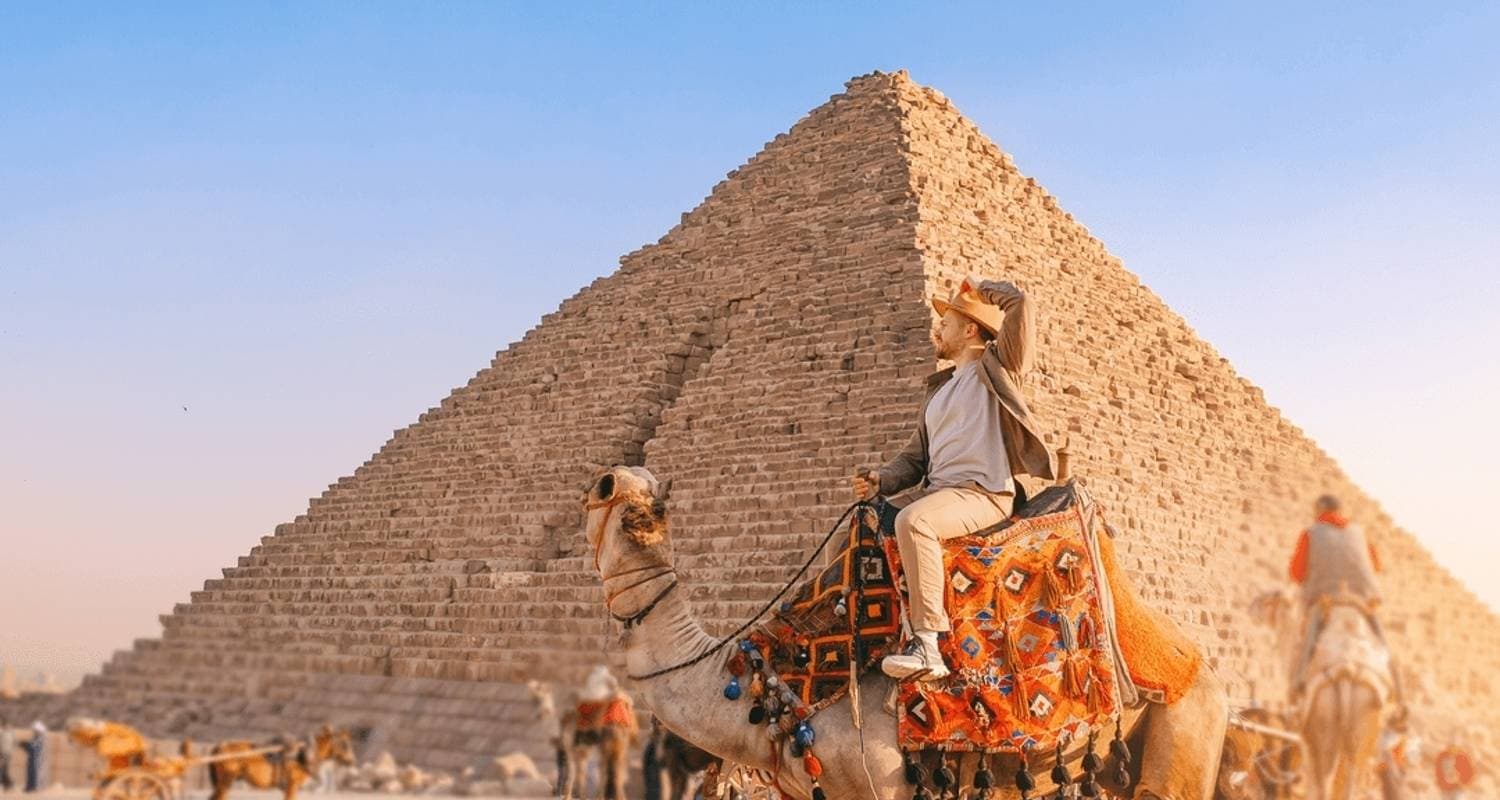
Pharaohs Nile Cruise Adventure - Grand GEM Visit – Return Flights Included
8 days · Beyond The Nile Tours
4.7· 1,530 reviews✓ Instant confirmationtour from €1,794
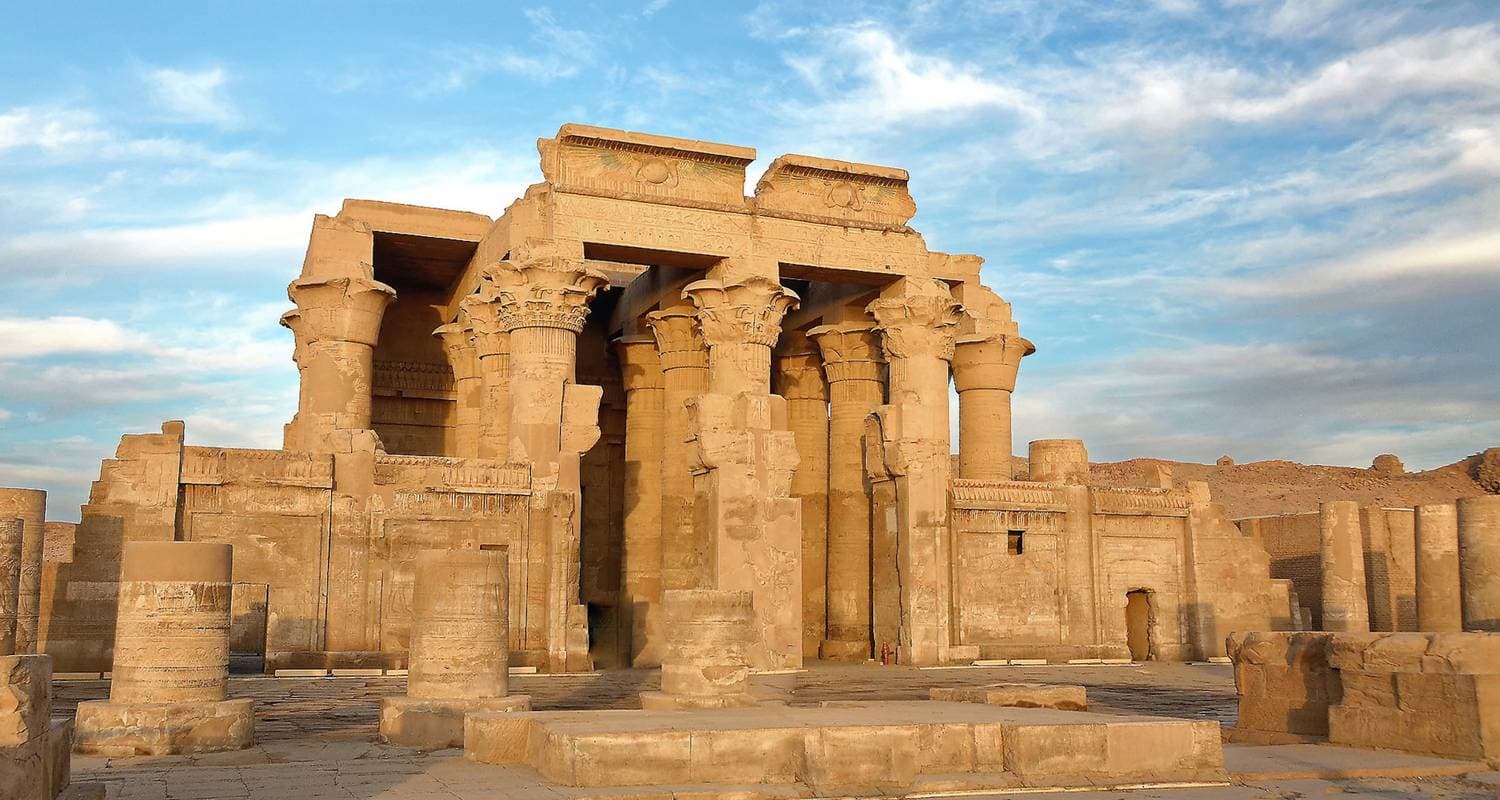
Nile Jewel - 5* Cruise
9 days · Timeless Tours
4.7· 1,096 reviews✓ Instant confirmationtour from €1,350

Egypt Explorer - Felucca cruise & Red Sea
10 days · Timeless Tours
4.6· 531 reviews✓ Instant confirmationtour from €1,240

Best Of Egypt - 5* Cruise
10 days · Timeless Tours
4.7· 463 reviews✓ Instant confirmationtour from €1,416
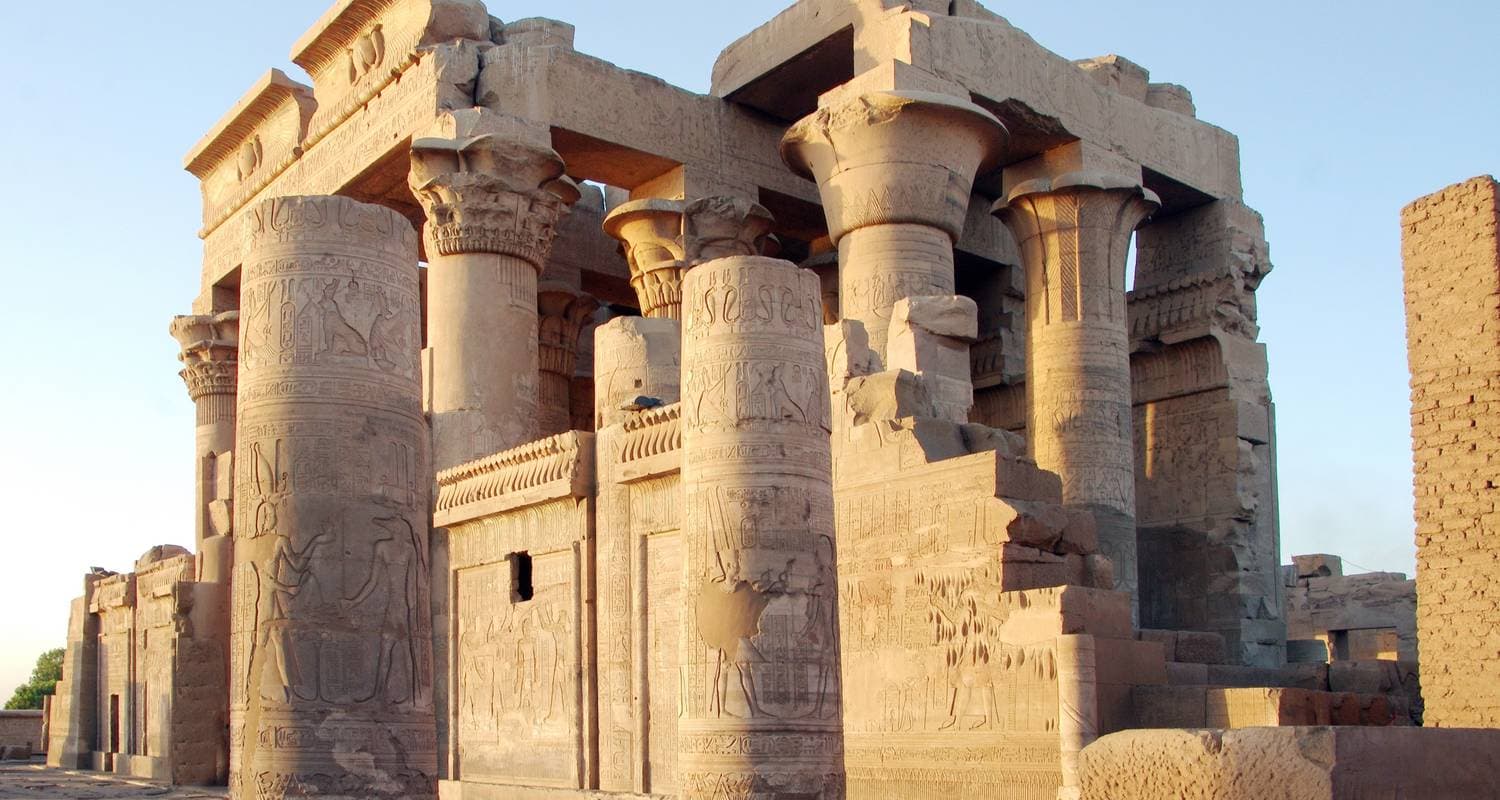
Nile Adventure - Felucca cruise
9 days · Timeless Tours
4.6· 404 reviews✓ Instant confirmationtour from €1,138

Pyramids & Nile Cruise - Domestic Flights Included
7 days · Beyond The Nile Tours
4.7· 344 reviews✓ Instant confirmationtour from €1,150
Why October to April is the standard Egypt season
Egypt's climate is the deciding factor in any Egypt trip plan. Upper Egypt — Luxor, Aswan, Abu Simbel, most of what Egypt tours cover — is desert. Summer highs routinely sit at 40-45°C in June, July and August. Temples offer almost no shade. Karnak is a two-hour walk through open stone in direct sun.
From late October through April, daytime highs drop to a manageable 22-30°C. Nile cruise evenings become genuinely pleasant, outdoor dining in Cairo and Aswan works, and walking the Valley of the Kings stops being a survival exercise.
The Mediterranean coast (Alexandria) and the Red Sea (Hurghada, Sharm el-Sheikh, Dahab) follow a milder pattern. Red Sea water temperatures stay 22-27°C year-round, so snorkelling and diving work in any month. The difference between seasons there is wind and air temperature, not water.
Price-wise, tour operators know this. October to early December and mid-January to April sit at 'normal' season pricing. Christmas to mid-January and Easter week are peaks with 25-40% premiums. Summer (May-September) drops 25-40% below standard. This pricing pattern is almost identical across Intrepid, G Adventures, On The Go and most Egypt-based operators.
Month by month: what Egypt actually looks like
January: 18-22°C highs in Luxor, cool Nile evenings (wear a fleece on cruise deck). Busy first two weeks with Christmas rollover, quiet from mid-month. Good pick for travellers who want winter sun without the December premium.
February: 22-26°C in Luxor, 18-22°C in Cairo. Sweet spot starts here. Prices normal. Crowds manageable. Ramadan begins roughly Feb 17 in 2026 (check closer to date).
March: 25-30°C in Luxor. Peak comfort for temple days. Slight price uptick for Easter if it falls in late March.
April: 28-33°C in Luxor. Still tolerable early in the month, getting warm by end of April. Red Sea water at 24°C.
May: 33-38°C in Luxor. Borderline. Temple visits need early starts. Cairo still manageable. Prices drop 15-20%.
June-August: 40-45°C in Upper Egypt. 5am wake-ups for temples. Most operators shift to Red Sea-focused itineraries or run reduced summer schedules. Prices 30-40% lower but the heat is a real constraint.
September: 35-40°C early, 30-35°C late. Heat easing. Good value for travellers who tolerate warmth.
October: 28-33°C. Prices still below peak for first half. Our pick for best value alongside February.
November: 24-28°C. Excellent weather. Normal pricing. Quieter than December.
December: 20-24°C. Pleasant. Christmas week premium kicks in around Dec 20.
Best time for a Nile cruise specifically
Nile cruise considerations are slightly different from general Egypt tour timing. You are on the river, often with a covered sun deck, so heat is more manageable than walking through open temples. But the temple visits the cruise includes (Edfu, Kom Ombo, Karnak, Valley of the Kings) still matter.
October through April is the standard cruise season. November, February and March are the sweetest spots: warm days, cool evenings for deck dinners, and low-water periods have ended so the ships run normal schedules.
Mid-December to mid-January sees Christmas and New Year pricing jump 30-50%. Ships book out 4-6 months ahead. Quality of experience does not improve — just prices. Avoid unless dates are fixed.
April and early May are underrated. Temperatures climb but cruise days break the heat with river wind and pool access. Prices are normal-to-slightly-reduced.
July and August cruise pricing drops 35-45%. The ships are not crowded. But temple visits mean 5-6am starts and the experience shifts from 'take your time at Karnak' to 'see it, photograph it, get back on the bus'. Reasonable if budget is the main driver.
Dahabiya sailing boats (smaller, 8-16 guests, no engine) are best in shoulder months when river wind is reliable. They are magical in February-April.
Red Sea timing is not the same as Nile timing
If your Egypt trip is focused on Hurghada, Sharm el-Sheikh, Marsa Alam or Dahab for diving and snorkelling, the calendar shifts.
Water temperatures stay swimmable year-round: 22-24°C in January-February, 26-29°C June-September. Wetsuits (3mm) are advisable November-March, not essential May-October.
Wind patterns matter for surfers, kitesurfers and anyone on a liveaboard boat. North winds pick up May-August — great for kiting El Gouna, windier boat rides for divers. Calmer seas October-March.
Price-wise, Red Sea resorts run their own cycle mostly driven by European demand: December-February is high season for northern Europeans escaping winter (prices up 20-30%), Easter is a spike, summer is lower-demand for the beach resorts because European Mediterranean options are closer.
If you are combining a Nile tour with Red Sea days, mid-October to mid-April gives you the best version of both. A common 10-14 day Egypt itinerary does 7-8 days Cairo-Nile cruise-Luxor, then 3-5 days unwinding in Hurghada or Dahab. February is particularly strong: Nile at peak comfort, Red Sea water starting to warm, flight prices below summer peak.
Ramadan in 2026 and why it actually matters less than you think
Ramadan in 2026 runs approximately 17 February to 19 March (exact start depends on moon sighting). Most tour operators still run full Egypt programmes through Ramadan with minor adjustments.
What changes: restaurants outside hotels and tourist zones may be closed or have limited menus during daylight hours. Tour guides and drivers are fasting, which most handle professionally but it can affect energy levels on very hot days. Souks and street life are quieter during the day, much livelier after sunset (iftar). Some small museums and lesser sites have reduced hours.
What does not change: all major sites remain open — Pyramids, Valley of the Kings, Karnak, Abu Simbel, Egyptian Museum, Grand Egyptian Museum. Nile cruises operate normally. Hotel restaurants serve food throughout the day. International flights run on normal schedules.
Upside of Ramadan travel: tourist numbers drop 15-20% during the month. Tour prices often drop 10-15% from operators pricing around expected lower demand. The post-sunset iftar culture — mosques lit up, street food vendors everywhere, communal meals — is one of the most distinctive experiences of the year in Egypt.
Eid al-Fitr immediately follows Ramadan (around 20 March 2026 for 2-3 days). Expect busy domestic travel, some sites more crowded with Egyptian visitors, a celebratory atmosphere. Most tours adjust without issue.
Picking your month: a short decision tree
Want best weather at normal prices: February, March, or late October to late November. February-March is our top pick.
Want cheapest Egypt tour possible: June, July, August. You will deal with 42°C+ in Luxor and 6am starts. If you are young, healthy, heat-tolerant and budget-first, it works. Save 30-40% on everything.
Want Christmas or New Year in Egypt: book 5-6 months ahead and pay the 25-40% premium. Weather is good but every site is busier.
Want to combine Nile and Red Sea: mid-October to mid-April. February is strongest.
Want to avoid Ramadan: pick April-October or late November-January for 2026. Honestly, Ramadan is fine for most travellers and is not worth rescheduling around unless you specifically want lively daytime street food culture.
Want long beach days with minimal temple heat: go directly to Dahab or Hurghada in May-October, skip Upper Egypt.
Want Abu Simbel at sunrise with clear light and fewer crowds: February, March, October, November, all on weekdays rather than weekends.
Ready to price your trip?
Enter your origin airport and month — we'll search live flight and tour prices and give you one bundled total per person.
Find combosFAQs
What is the best month to visit Egypt?
February is the single best month for most travellers. You get comfortable 22-26°C days in Luxor, cool evenings on Nile cruise decks, normal pricing below the Christmas peak, and far fewer crowds than December or January. March is a close second, slightly warmer. October and November are equally strong if you prefer autumn travel. Avoid June-August unless budget is your main priority and you can handle 40°C+ in Upper Egypt.
Is it too hot to visit Egypt in summer?
For Upper Egypt (Luxor, Aswan, Abu Simbel) in July and August, yes for most people. Daytime highs routinely sit at 42-45°C and temples offer no shade. Tour itineraries shift to 5-6am starts to avoid peak heat. The Red Sea (Hurghada, Dahab, Sharm el-Sheikh) stays much more manageable because of sea breezes and water-based activity. If you must travel June-August, do a Red Sea-focused trip rather than a classic Nile cruise route.
When is the cheapest time to visit Egypt?
May, June and September. Tour prices drop 25-40% compared to November-March normal pricing, and the Christmas peak premium is more like 40-50% off. Flights soften too: from Europe fares can fall under €200 return from major hubs, while travellers from North America (typically US$700-1,100 return, usually via a European or Gulf hub) and Australia (around A$1,600-2,400, via the Gulf) see their own summer dips. Multiday.tours prices the flight live from your own airport in your own currency, so you see the real number rather than a euro estimate. The trade-off is heat: Luxor sits at 38-42°C in peak summer. Shoulder months like early May and late September give you 80% of the weather benefit with only a 15-20% price discount and are often the best compromise.
Does Ramadan affect Egypt tours?
Minimally. All major sites stay open, Nile cruises run normal schedules, international flights and hotel restaurants are unaffected. Expect some restaurants outside hotels to be closed during daylight hours and tour guides to be fasting (most handle this professionally). The post-sunset iftar atmosphere is one of the most distinctive parts of the year in Egypt. Tourist numbers drop 15-20% and tour prices often follow with 10-15% discounts. For 2026, Ramadan runs approximately 17 February to 19 March.
When should I book Abu Simbel Sun Festival tickets?
The Sun Festival happens twice a year, on 22 February and 22 October, when sunrise light reaches the inner sanctum of the Great Temple. These dates fill 6-9 months in advance — both Abu Simbel hotels and tour packages that include the early-morning access. If you want to be there for either date in 2026, book by August 2025 for February or April 2026 for October. Otherwise Abu Simbel is worth visiting any sunrise in October-March; the sun festival is extra, not essential.
Is the Red Sea a good add-on to a winter Egypt tour?
Yes, and it is one of the most under-sold Egypt tour combinations. After 7-8 days of temples and Nile cruising, 3-5 days in Dahab, Hurghada or Marsa Alam gives you warm-water snorkelling or diving and proper down-time. Water temperatures are 22-24°C January-March (3mm wetsuit advisable), 25-28°C April onwards. Domestic flights Luxor-Hurghada run €70-€120 one way. Most 10-14 day Egypt tour packages on Multiday.tours offer this as a built-in option.
Watching a trip?
Once a month: where all-in prices actually dropped, from your airport. No spam, unsubscribe anytime.
Related destinations
- Egypt Multi-Day Tours with Flights from €1,300Sail the Nile, stand at the pyramids, sleep out under the Wh…
- Morocco Multi-Day Tours with Flights from €700Nights in the Merzouga dunes, mornings lost in the Fes medin…
- Peru Multi-Day Tours with Flights from €1,900Machu Picchu at sunrise, the Sacred Valley, an Amazon lodge.…
- Iceland Multi-Day Tours with Flights from €1,100Drive the Ring Road, walk on a glacier, chase the Northern L…
Related tour styles
Pick by trip length
Plan this trip from your city
- Multi-Day Tours from London with Flights IncludedBuilt for London travellers: LHR for long-haul, LGW for Euro…
- Multi-Day Tours from New York with Flights IncludedMulti-day tours from New York with flights included — one US…
- Multi-Day Tours from Toronto with Flights IncludedPearson is Canada's biggest long-haul hub, and with a weak l…
- Multi-Day Tours from Dublin with Flights IncludedPackage tours from Dublin with flights included — one total …
- Multi-Day Tours from Sydney with Flights IncludedLeaving Australia means a long-haul flight whether you like …
Deeper reading
- The Perfect 10-Day Egypt Itinerary (Route, Day by Day)Ten days is the Egypt sweet spot: the pyramids, a slow Nile …
- How Much Does an Egypt Tour Cost? The Honest All-In NumberA week to ten days in Egypt runs roughly €1,300–€2,800 (≈$1,…
- How to Choose a Guided Tour: A Practical Buyer's GuideWhat to ask before you book. Group size, pace, inclusions, o…