
What an Italy Tour Costs from New York, Flights Included
Thirty-seven Italy tours priced with a real JFK fare attached. The cheapest honest total is €1,417 (≈$1,540); the middle of the market is €2,584 (≈$2,809).
By Adam, founding editor · Updated 1 September 2026
- ✓Cheapest complete Italy trip from JFK: €1,417 (≈$1,540) per person
- ✓Median of all 37 priced combinations: €2,584 (≈$2,809)
- ✓Median JFK return fare to Italy: €516 (≈$561) — the lowest of eight US gateways
- ✓New York beats Chicago by €216 (≈$235) on an identical tour
Most Italy tour prices you will read are missing the most expensive part of the trip. An operator quotes you the land package — hotels, guide, transfers, some meals — and the flight from New York sits in a separate tab, unpriced, until the moment you commit. So we priced them together. In July 2026 we took 37 Italy tours and attached a live return fare from JFK to each one for October departures. The cheapest complete trip came to €1,417 (≈$1,540) per person. The middle of that range, which is a fairer guide to what you will actually pay, sat at €2,584 (≈$2,809). New York turns out to be the cheapest of the eight American gateways we price, and the gap is not small — a New Yorker pays roughly €216 (≈$235) less than someone flying the same tour out of Chicago.
The number that matters: the whole trip, not the tour
The cheapest complete Italy trip we could build from New York in October 2026 was €1,417 (≈$1,540) per person. That splits into €873 (≈$949) of tour and €544 (≈$591) of return flight, and the tour in question is a five-day run through Naples, Sorrento, the Amalfi coast, Capri, Pompeii and Vesuvius operated by STM Tours. Five days is short, and southern Italy in October is warm enough to make it feel like a longer holiday than it is.
The median across all 37 combinations was €2,584 (≈$2,809), and that is the figure to plan against. Medians are unglamorous but honest: the cheapest option is one specific tour on one specific week, and it may not be the trip you want. Half of everything we priced came in under €2,584 (≈$2,809) and half above, so if you are budgeting for a fortnight in Tuscany rather than five days near Naples, start there and expect to climb.
The flight component behaved better than we expected. The median JFK return to Italy across the whole set was €516 (≈$561) — cheaper than every other airport we sampled, including Boston, which is closer to Europe. New York's advantage is not distance, it is competition, and the next section explains why that matters more.
For the full airport-by-airport table, including the four gateways we do not have a dedicated page for yet, see the Italy tour cost index from US airports.
The Italy tours in these New York totals
Prices are tour-only — add flights for the real total. You book the tour itself on TourRadar.
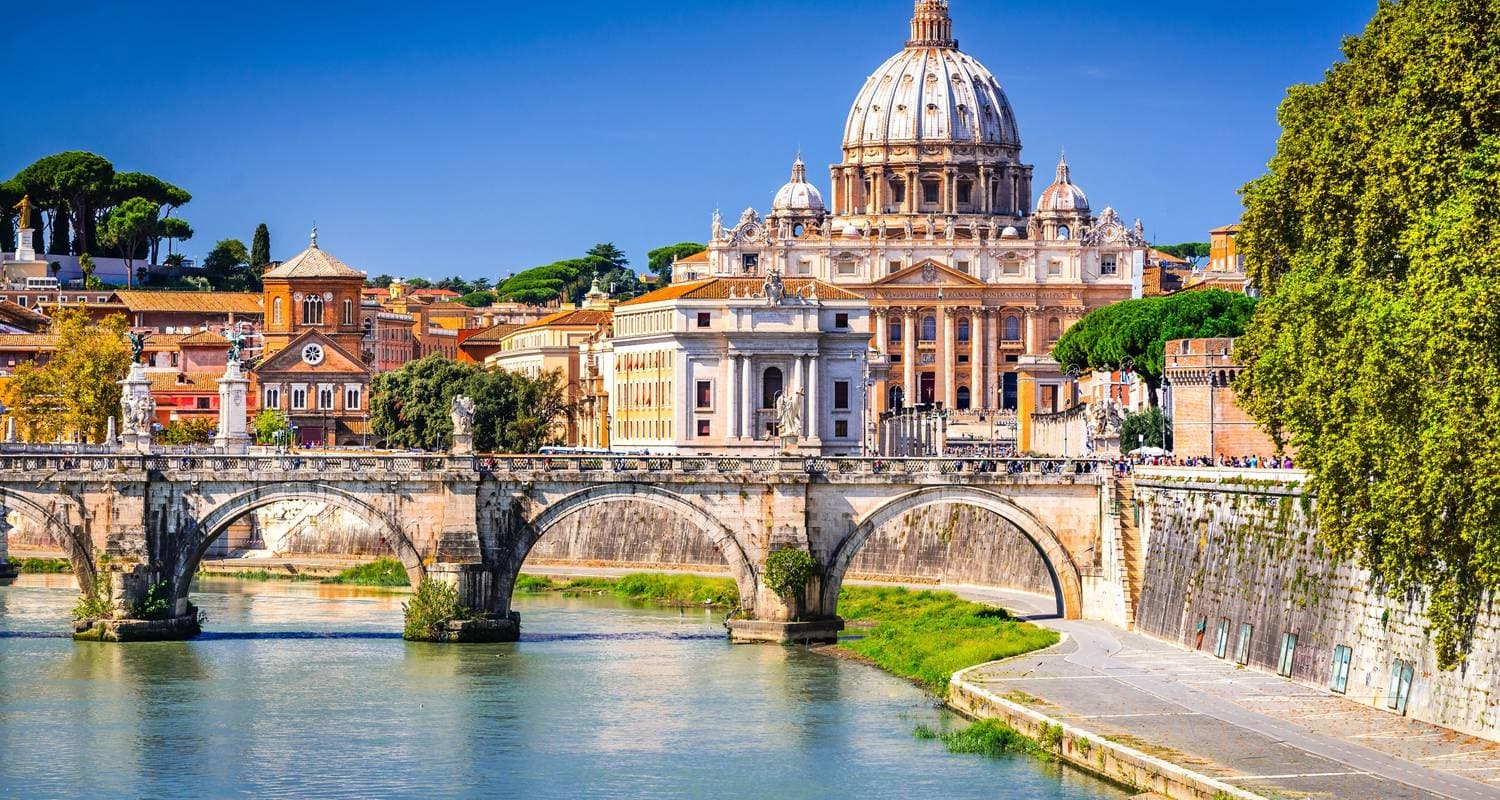
Europe Escape
12 days · Expat Explore Travel
4.5· 868 reviews✓ Instant confirmationtour from €3,284

Scenic Switzerland by Train
9 days · Cosmos
5.0· 452 reviews✓ Instant confirmationtour from €3,532

Europe Jewel
14 days · Expat Explore Travel
4.5· 388 reviews✓ Instant confirmationtour from €3,386
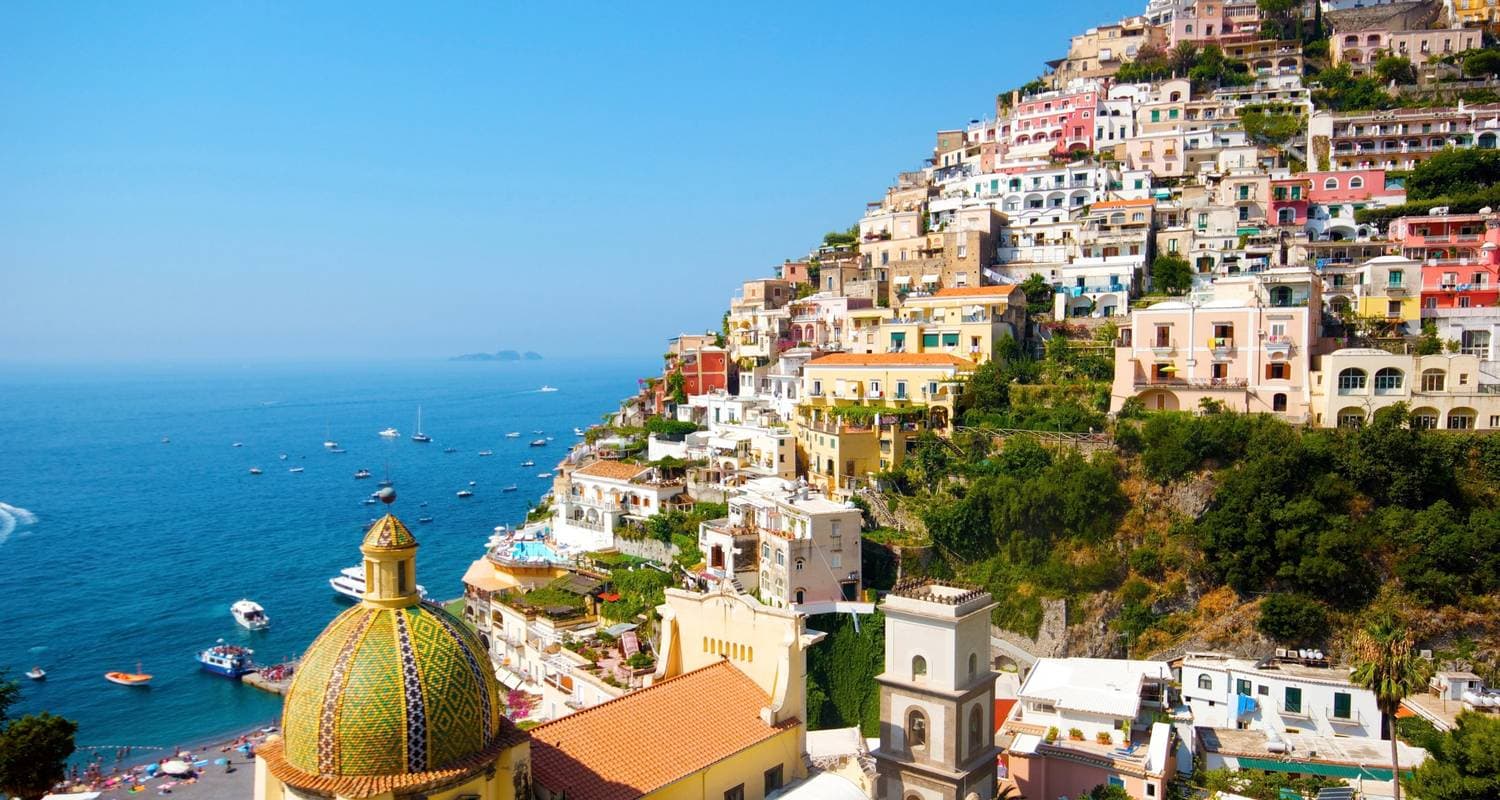
Walking the Amalfi Coast
8 days · Exodus Adventure Travels
4.4· 316 reviews✓ Instant confirmationtour from €2,029
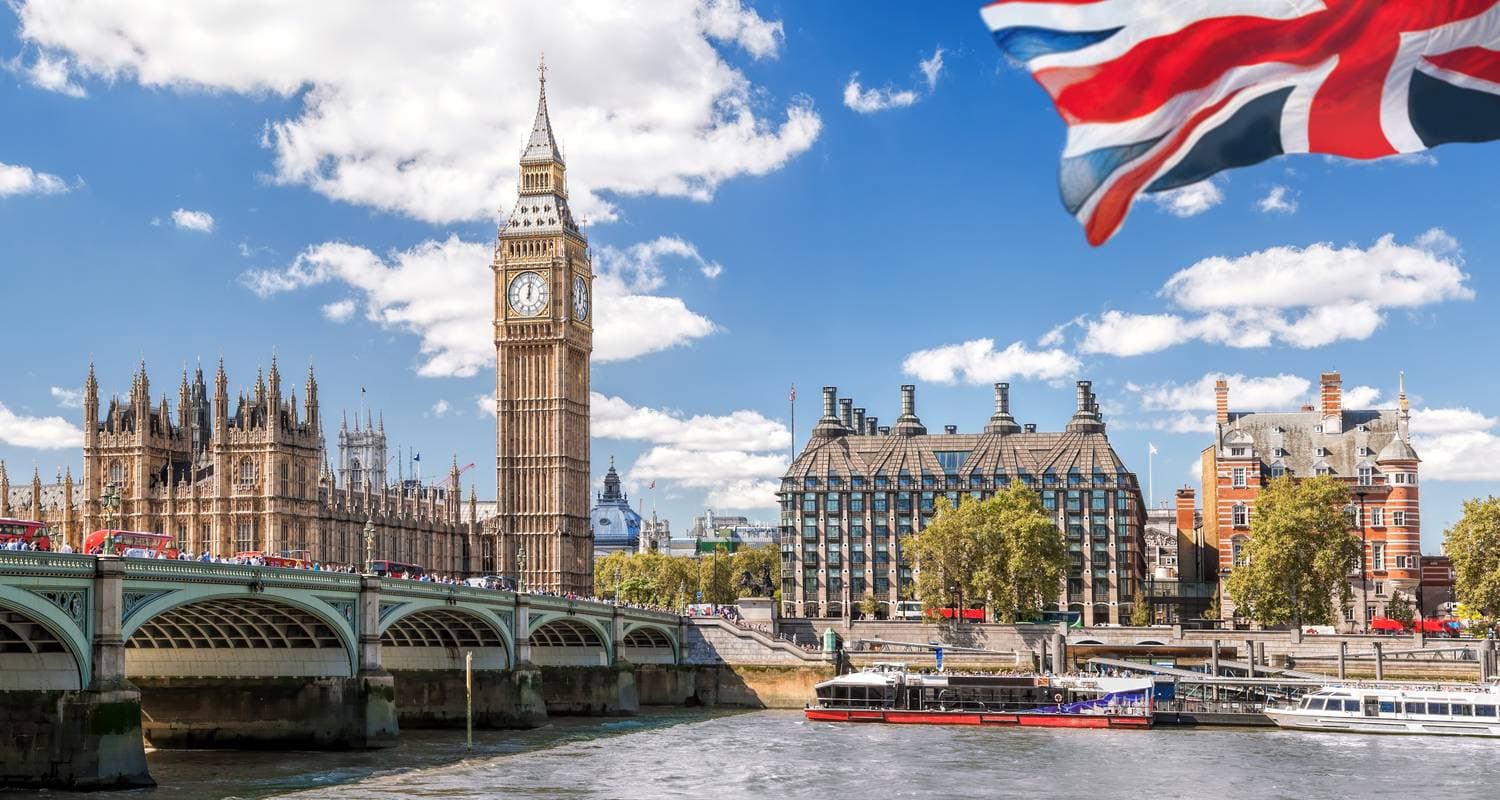
Classic Europe
14 days · Expat Explore Travel
4.6· 289 reviews✓ Instant confirmationtour from €3,358
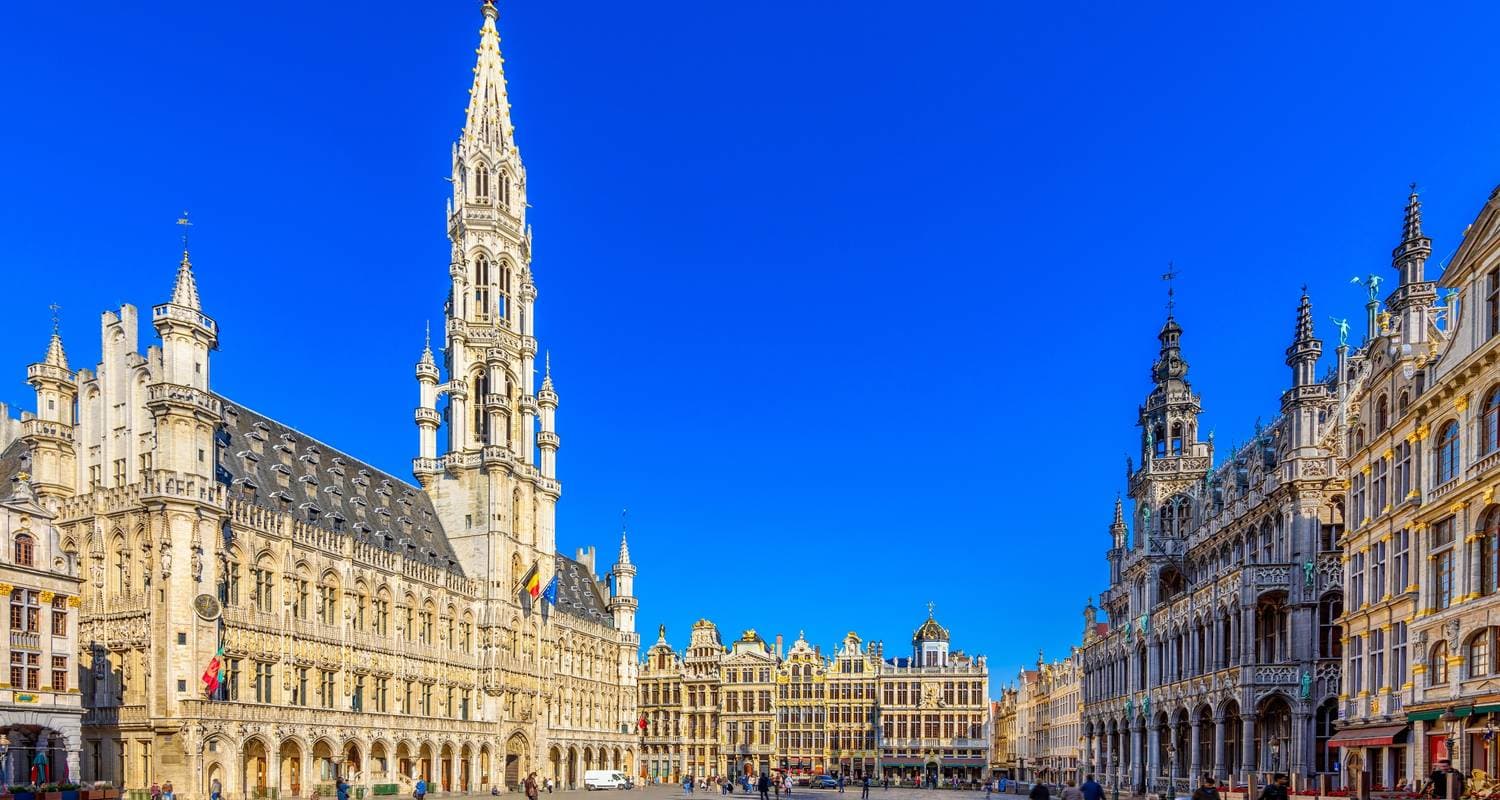
Seven Countries, Venice & Paris
10 days · Cosmos
4.9· 278 reviews✓ Instant confirmationtour from €2,235
Why JFK is the cheapest transatlantic door to Italy
New York has more competing capacity to Italy than any other American city, and competition is what sets fares. Through October you can fly JFK to Rome nonstop on Delta, ITA Airways or American; Newark adds United and, on the low-cost end, Norse Atlantic, whose presence drags everyone else's prices down even if you never book it. Milan Malpensa gets a similar spread. When four or five carriers are selling the same route, the marginal seat gets discounted, and the median fare falls to the €516 (≈$561) we measured.
October helps too. Transatlantic pricing is brutally seasonal: the same seat that costs €516 (≈$561) in October runs closer to double in the second week of July. Italy's shoulder season — late September through the end of October — is the sweet spot where the weather is still generous and the fares have collapsed. It is also when the tour operators quietly discount, which is why the combined total falls faster than either half alone.
A practical note on airports. If your tour starts in Rome, book into FCO and do not be tempted by a cheap Milan fare with a domestic connection; the saving is usually under €60 (≈$65) and you will spend it on the train. If your tour starts in Venice or the lakes, Milan is genuinely the better door. And if the itinerary begins in Naples or on the Amalfi coast, look at flying into Rome and taking the high-speed train south — it is under an hour and a half to Naples and considerably less painful than a connection.
One more habit worth building: check the fare before you fall in love with the tour. Operators sell departures months apart at the same land price, but the flight underneath can swing by €400 (≈$435) between two Tuesdays. Our search prices both halves at once precisely so that swing is visible before you book rather than after.
What the tour half buys you in Italy
Strip the flight out and Italy's land prices sort into three fairly clean bands. Under €1,000 (≈$1,087) for the tour itself buys you a short, tightly-run trip in one region — the Naples and Amalfi loop that anchors our cheapest total, a four-day Rome and Vatican package, a long weekend in Venice. These are efficient rather than leisurely, and they generally use three-star hotels a short bus ride outside the historic centres.
Between €1,000 (≈$1,087) and €2,200 (≈$2,391) is where most people end up, and where Italy is genuinely good value. This is the classic Rome–Florence–Venice run over eight to twelve days, with rail transfers rather than coach where it makes sense, a mix of three- and four-star hotels, and enough free time to eat properly. Small-group operators cluster here, which matters more in Italy than in most places: a group of twelve moves through the Uffizi and the Vatican in a way a group of forty simply cannot.
Above €2,200 (≈$2,391) you are buying space and specificity — Tuscan agriturismo stays, cooking days in Bologna, private guides at the archaeological sites, a boat rather than a ferry to Capri. Italy rewards this more than some destinations do, because so much of what you came for involves standing in front of something with an expert who can tell you why it matters.
What none of those bands include is worth naming plainly: tips for your guide and driver, most lunches and dinners once you are past the half-board tier, museum reservations booked outside the itinerary, and the city taxes that Italian hotels collect in cash at check-out. Budget €35 (≈$38) a day on top for a mid-range trip and you will not be caught out. Group size is the other variable worth paying for, and it is not always visible in the price. Italian sites operate timed entry and hard caps, so the practical difference between a group of twelve and a group of forty is measured in queueing rather than comfort. Operators who cap at sixteen or under tend to sit €200 (≈$217) to €400 (≈$435) above the coach tiers for the same route and nights, and in Rome and Florence specifically that is the best-spent money on the invoice.
Our broader Italy tour cost guide breaks the land price down region by region.
How New York compares with the other seven US gateways
New York came first of the eight airports we priced for Italy, and the ranking is worth reading because it is not the ranking most people would guess.
JFK led at €1,417 (≈$1,540) for the cheapest complete trip. Boston followed closely at €1,443 (≈$1,568), which makes sense — it is the shortest hop to Europe on the list. Then came Los Angeles at €1,549 (≈$1,684), Miami at €1,566 (≈$1,702), Dallas–Fort Worth at €1,591 (≈$1,729), San Francisco at €1,603 (≈$1,742), Chicago at €1,613 (≈$1,753) and Seattle at €1,633 (≈$1,775).
The surprise is Chicago, which sits second from bottom despite being a major international hub roughly a thousand miles closer to Italy than Los Angeles. O'Hare has the connectivity but not the transatlantic price war, and on the specific cheapest combination its flight component came to €740 (≈$804) against New York's €544 (≈$591). That is a €196 (≈$213) penalty for living in the Midwest rather than the north-east, on an identical tour.
The spread from top to bottom is €216 (≈$235) — about fifteen per cent of the cheapest total. That is real money, but it is smaller than the swing you get from moving your travel dates by three weeks, and much smaller than the gap between tour tiers. Put bluntly: which American city you fly from matters, but it matters less than when you go and what standard of tour you buy. If you are within driving distance of two of these airports, it is worth pricing both. If you are not, do not lose sleep over it. The one case where the gateway genuinely decides the trip is a short tour: on a five-day itinerary a €216 (≈$235) fare penalty is a much larger share of the total than it is on a fortnight, so shorter trips reward flying from the cheapest door and longer ones do not.
Five ways to bring a New York to Italy total down
First, move the dates rather than the tour. Late October is cheaper than early October, and the first week of November is cheaper again while Rome and Naples are still perfectly pleasant. The land price barely moves; the fare does.
Second, fly into one city and out of another. Italy is long, and a tour that ends in Venice does not want to send you back to Rome to fly home. Open-jaw tickets from New York into Milan and out of Rome, or the reverse, frequently price within €40 (≈$43) of a return and save a full travel day. Most operators are perfectly happy for you to arrive and depart from different airports.
Third, look at Newark as well as JFK. They are the same market for pricing purposes but not the same inventory, and Norse Atlantic's Newark flying in particular can undercut the field. If you are coming from New Jersey it is also a shorter journey to the gate.
Fourth, take the shoulder tier rather than the shoulder season on hotels. Many operators sell the same itinerary in a three-star and a four-star version, and in Italy the three-star is often a family-run place in a better position than the chain. The saving runs to €300 (≈$326) on a ten-day trip.
Fifth, price the flight and the tour together before you commit to either. This sounds obvious and almost nobody does it. Two departures of the same Rome–Florence–Venice tour, three weeks apart, can differ by €400 (≈$435) once the fare is attached — and the cheaper one is not reliably the earlier one. Sixth, be sceptical of single-supplement maths if you are travelling alone. Italian operators price solo rooms more aggressively than most, and a supplement of €350 (≈$380) on a ten-day trip is common enough that it can outweigh every other saving on this list. Some operators waive it on shoulder departures, and a few run guaranteed share-a-room matching — both are worth asking about directly before you book, because neither is advertised prominently.
Search Italy tours from New York and you will see both halves priced against each other, which is the only way the real total ever becomes visible.
Ready to price your trip?
Enter your origin airport and month — we'll search live flight and tour prices and give you one bundled total per person.
Find combosFAQs
How much does an Italy tour cost from New York in total?
The cheapest complete trip we priced was €1,417 per person — €873 of tour plus a €544 return flight from JFK, for a five-day Naples and Amalfi itinerary in October 2026. The median across all 37 combinations was €2,584, which is the more useful planning figure. Both numbers include the return flight, which is the part operator quotes leave out.
Is it cheaper to fly to Italy from New York than from other US cities?
Yes, and it was the cheapest of the eight American airports we sampled. The median JFK return to Italy came to €516, against €679 from Chicago and €739 from San Francisco. The reason is competition rather than distance — Delta, ITA, American, United and Norse Atlantic all sell the route, and Boston is physically closer to Europe yet came second.
When is the cheapest time to fly from New York to Italy?
Late October and early November, and the shoulder either side of that. Transatlantic fares to Italy roughly double between October and mid-July for the same seat, while tour land prices move far less. That means the combined total falls faster than either half, so shifting a trip from July to October saves more than switching to a cheaper tour would.
Should I fly into Rome or Milan for an Italy tour?
Follow the itinerary rather than the fare. If the tour starts in Rome, book Fiumicino; a cheap Milan fare plus a domestic connection usually saves under €60 and costs you a travel day. Milan is the better door for Venice, the lakes and most northern loops. For Naples or the Amalfi coast, flying into Rome and taking the high-speed train south beats connecting.
What is not included in these Italy tour prices?
Tips for guides and drivers, most lunches and dinners above the half-board tier, museum bookings made outside the itinerary, and the city tax Italian hotels collect in cash when you check out. Around €35 a day on top covers it for a mid-range trip. Travel insurance and any pre-tour hotel night are also separate.
Watching a trip?
Once a month: where all-in prices actually dropped, from your airport. No spam, unsubscribe anytime.
Related destinations
- Italy Multi-Day Tours with Flights from €1,750Rome, Florence and Venice in ten days, or a full Grand Tour …
- Greece Multi-Day Tours with Flights from €1,220Athens and the Acropolis, Meteora's monasteries, the Santori…
- Portugal Multi-Day Tours with Flights from €1,325Lisbon trams, Porto's Ribeira, terraced vineyards of the Dou…
- Spain Multi-Day Tours with Flights from €1,115Madrid, Seville, Granada and Barcelona on the AVE, stitched …
Related tour styles
Best for these travellers
- Tours for Couples with Flights IncludedGuided multi-day trips that work for two — small-group socia…
- Tours for Seniors with Flights IncludedMulti-day guided tours for over-55 travellers: gentler pacin…
- Solo Travel Tours with Flights IncludedGuided multi-day tours built around solo travellers: small g…
Pick by trip length
Plan this trip from your city
- Multi-Day Tours from New York with Flights IncludedMulti-day tours from New York with flights included — one US…
- Multi-Day Tours from Los Angeles with Flights IncludedPackage tours from Los Angeles with flights included — one U…
- Multi-Day Tours from Toronto with Flights IncludedPearson is Canada's biggest long-haul hub, and with a weak l…
- Multi-Day Tours from London with Flights IncludedBuilt for London travellers: LHR for long-haul, LGW for Euro…
Deeper reading
- What an Italy Tour Costs from Los Angeles, Flights IncludedThirty-seven Italy tours priced with a real LAX fare attache…
- What an Italy Tour Costs from Chicago, Flights IncludedO'Hare has the connections but not the bargains. The cheapes…
- What an Italy Tour Costs from San Francisco, Flights IncludedSan Francisco has the priciest median fare to Italy of any U…
- How Much Does an Italy Tour Cost? The Honest All-In NumberSeven to ten days in Italy, flights folded in, comes to roug…
- The Perfect 10-Day Italy Itinerary (Route, Day by Day)Ten days is the Italy sweet spot: Rome, Florence and Venice …