
How to Pick the Right Safari Tour — Country, Lodge Tier, Timing
Safari choices come down to country, lodge tier, and what kind of wildlife experience you actually want. Here's the honest guide.
By Adam, founding editor · Updated 18 June 2026
- ✓South Africa is the cheapest first safari; Botswana is premium only
- ✓Mid-range tented camps deliver most of the wildlife for a third of the cost of luxury
- ✓Match your camp location to where the migration is that month, not the reverse
- ✓Open 4x4 vehicles beat closed minibuses — ask the operator directly
- ✓Three nights minimum per park; two parks beats five every time
- ✓G Adventures and Intrepid cover the mid-range; Wilderness and andBeyond own luxury
A safari is the trip where the brochure photo and the reality drift furthest apart. Two tours both billed as 'Kenya 8-day safari' can sit €2,400 apart because one puts you in canvas tents with shared bucket showers while the other has permanent camps with plunge pools, or because one lingers over three parks while the other hammers through five. Country choice decides what wildlife you actually see. Lodge tier decides how you sleep, eat and move between parks. Timing decides whether the migration is right in front of you or 500km away. What follows is the five decisions that make or break a safari: which country suits your experience, which lodge tier suits your budget, when to go for the animals you're after, which operators to trust, and the mistakes that catch out most first-timers.
The safaris travellers review most
Prices are tour-only — add flights for the real total. You book the tour itself on TourRadar.
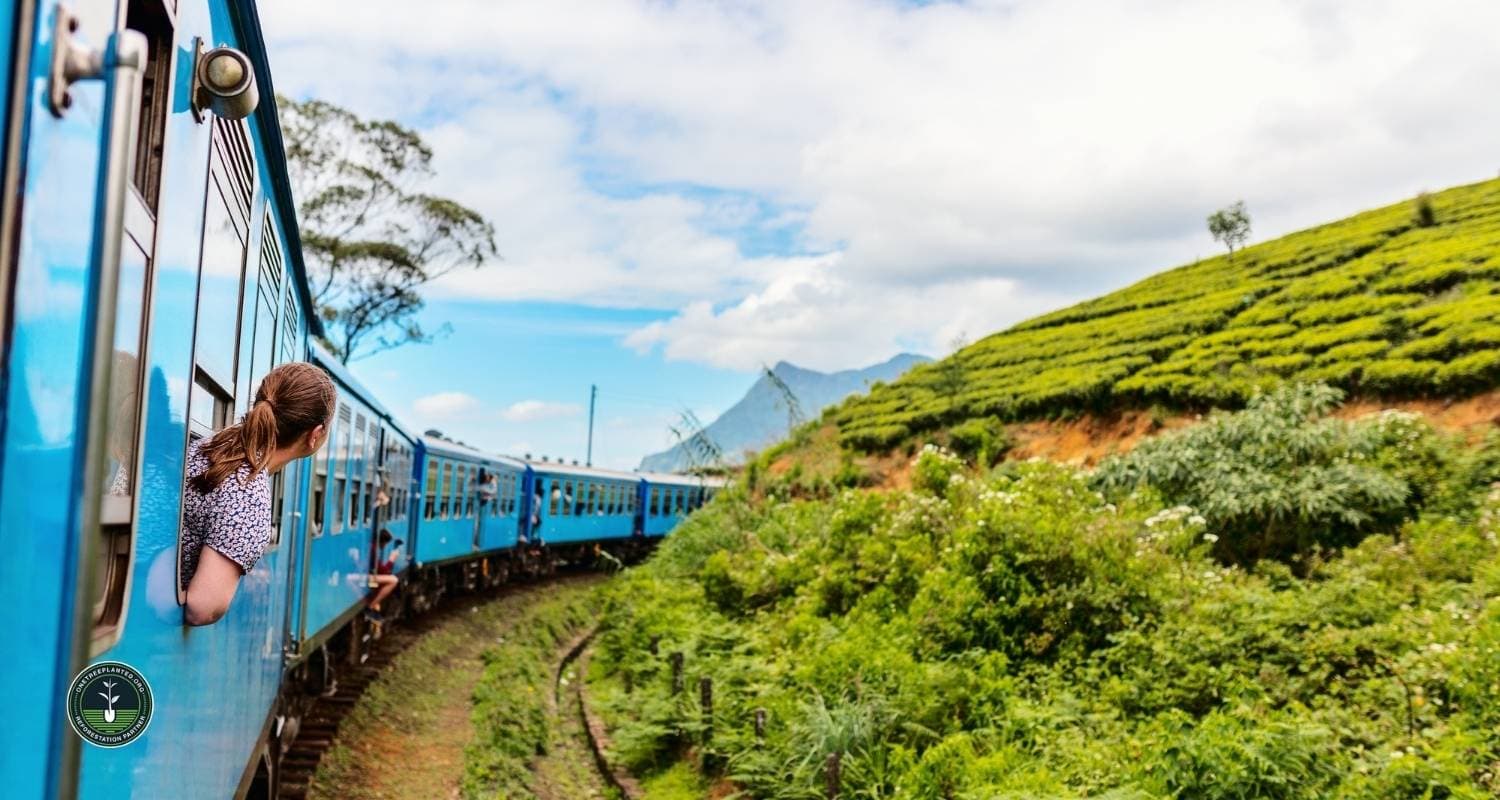
Sri Lanka Classic 12 Day - One Life Adventures
12 days · One Life Adventures
4.9· 2,194 reviews✓ Instant confirmationtour from €1,697
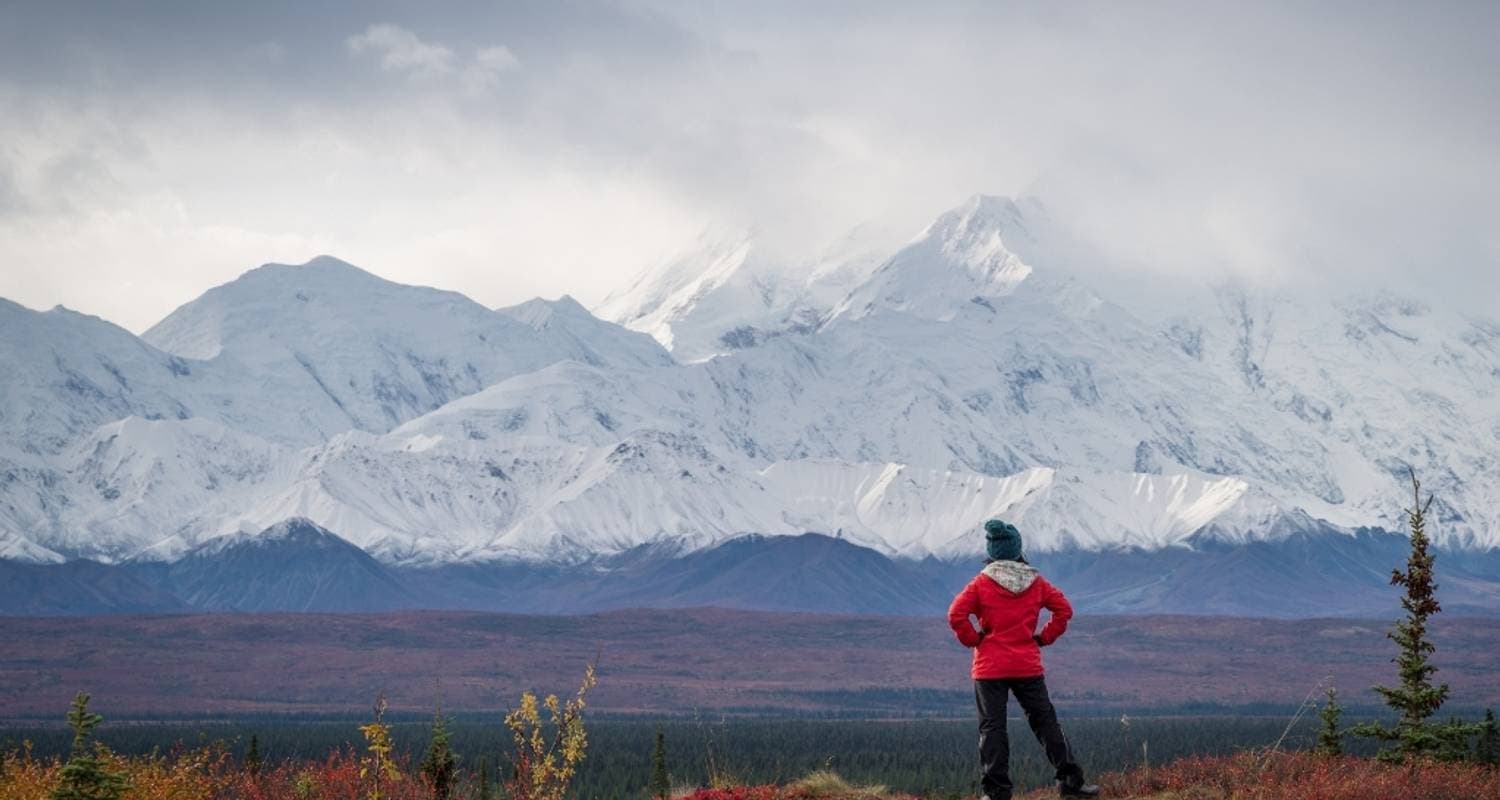
Spectacular Alaska!
10 days · Globus
5.0· 718 reviews✓ Instant confirmationtour from €5,326
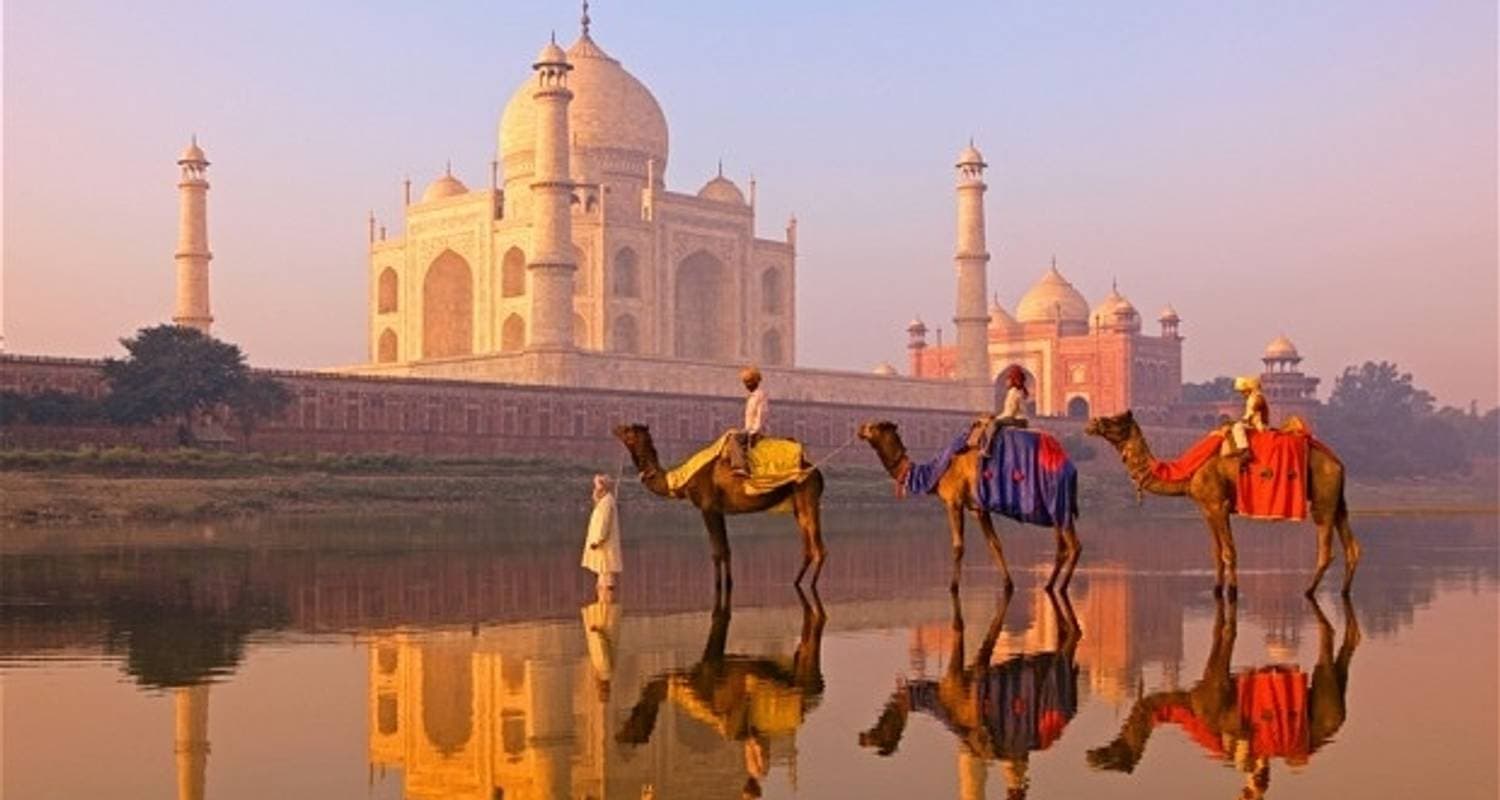
Taj Mahal and Wildlife with Royal Stay at Castles
11 days · Swastik India Journeys
4.8· 585 reviews✓ Instant confirmationtour from €1,306
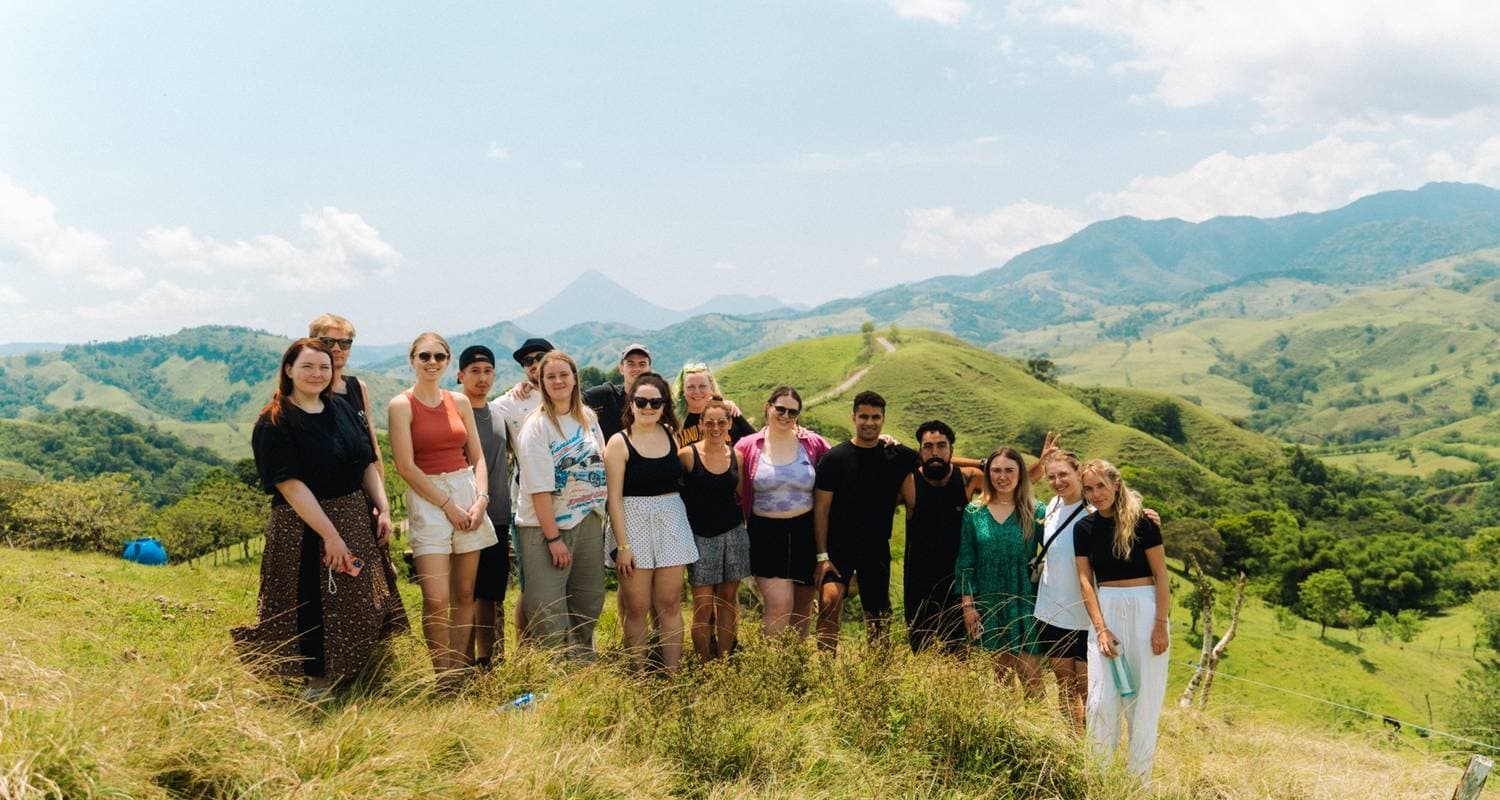
Costa Rica Adventure
10 days · TruTravels
4.8· 575 reviews✓ Instant confirmationtour from €1,610
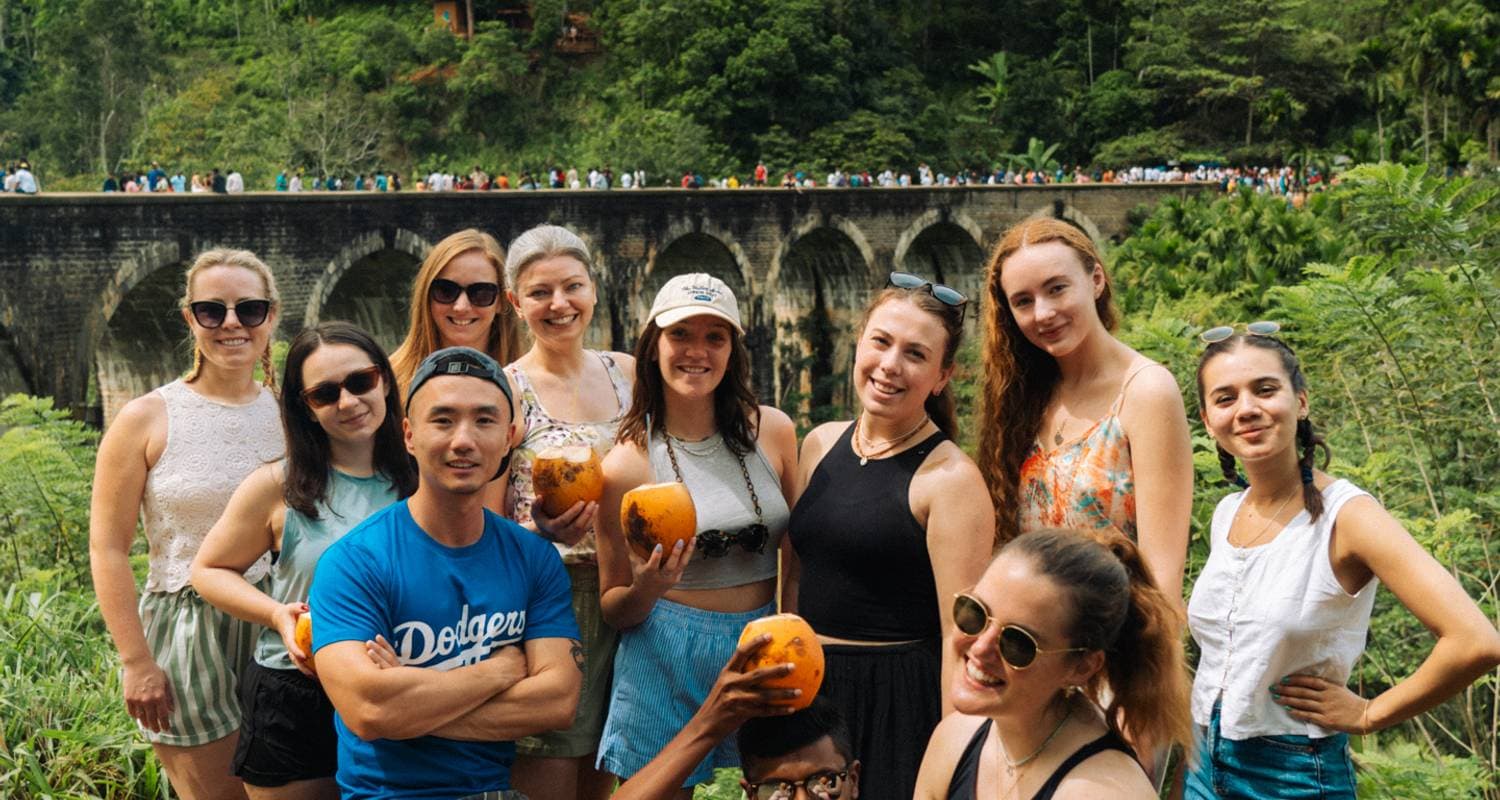
Sri Lanka Uncovered
10 days · TruTravels
4.8· 392 reviews✓ Instant confirmationtour from €1,150
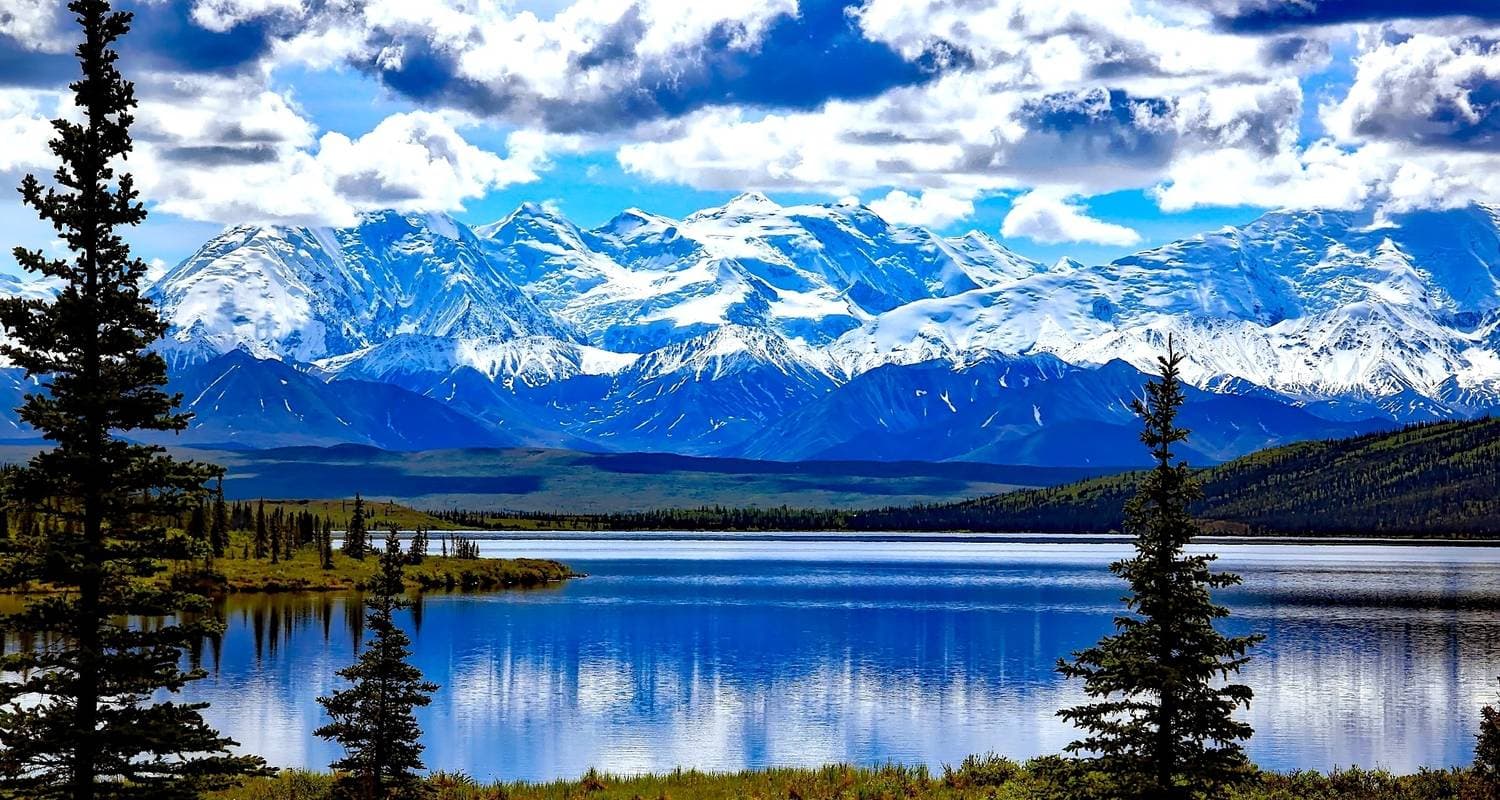
Nature's Best: Alaska
7 days · Globus
5.0· 389 reviews✓ Instant confirmationtour from €4,084
Pick a country: Kenya, Tanzania, Botswana, South Africa, Namibia
Five countries cover 90% of African safari itineraries and each has a distinct character.
Kenya is the easiest first safari. The Maasai Mara delivers dense big-cat sightings year-round and river crossings during the Great Migration July to October. Logistics are genuinely straightforward — short internal flights between reserves, strong English-speaking guiding culture, reliable mid-range lodge infrastructure. Typical 7-day mid-range safari: €2,800-€4,200 per person.
Tanzania is the headline act. The Serengeti is larger and wilder than the Mara, Ngorongoro Crater offers dense concentrations in a single contained ecosystem, and the calving season in February is an under-rated alternative to the northern river crossings. Distances are longer, road transfers are brutal, so fly-in circuits cost more. Typical 7-day mid-range: €3,500-€5,500.
Botswana is premium and luxury only by government policy — the country deliberately caps visitor numbers. The Okavango Delta and Moremi are extraordinary, but expect €900-€2,500+ per night. No backpacker option exists. Typical 7-day: €7,000-€18,000.
South Africa is the cheapest entry point. Kruger is self-drive friendly, malaria-free private reserves (Madikwe, Welgevonden) work well for families, and you can do a credible 7-day safari from €1,800. Sightings are excellent but the experience feels more managed.
Namibia is for self-drivers. Etosha's waterholes, the Skeleton Coast, and Sossusvlei dunes form a 12-14 day loop that works best behind your own steering wheel. Not a classic safari country — a landscape-plus-wildlife country.
Lodge tiers: overland camping to Singita luxury
Accommodation tier is the biggest single driver of safari cost and the biggest thing people get wrong when comparing prices.
Overland camping (€150-€250 per night): Acacia Africa, Dragoman, Nomad. Shared dome tents, bucket showers, group cooking, truck-based transfers between parks. Typical traveller is 20-35, budget-conscious, wants the social overland experience as much as the wildlife. Game drives happen in shared vehicles, often closed-sided minibuses. Real compromise on wildlife time and vehicle quality — you are here for the price, not the safari quality.
Mid-range lodge (€350-€550 per night): G Adventures, Intrepid, Wayo Africa, On The Go. Permanent lodges or semi-permanent tented camps with ensuite bathrooms, proper beds, buffet dining, shared open 4x4 vehicles with a guide. This is the sweet spot for most first-time safari travellers — real wildlife access without luxury pricing.
Permanent tent camp (€600-€900 per night): Asilia, Wilderness mid-tier, Lemala, Sanctuary Retreats. Canvas walls, hardwood floors, hot showers, three-course dinners, private or semi-private vehicles, off-road access in private concessions. The quality jump from mid-range is significant — guiding is better, vehicles are better, camp locations are deeper inside prime game areas.
Luxury (€1,500-€5,000+ per night): Singita, Londolozi, andBeyond, Wilderness top-tier, Great Plains. Private plunge pools, butler service, private vehicles, walking safaris, helicopter transfers, chef-led dining. Pay for this tier if wildlife photography, privacy or a special occasion justifies it. Otherwise the wildlife you see from a €700 tented camp is the same as the wildlife you see from a €3,000 suite.
Season and migration math — timing versus lodge tier
Most safari countries have a clear dry-season window and the wildlife viewing difference between seasons is real.
Kenya's Maasai Mara peaks July to October for the Great Migration river crossings at the Mara River. Herds arrive from Tanzania around mid-July, stay through October, then return south. Resident big cats are excellent year-round, so a January Mara trip still works — you just miss the wildebeest columns. Low season (April-May long rains) sees some camps close and road access degrades.
Tanzania's Serengeti is a movable feast. February means calving season in the southern Serengeti (Ndutu) — hundreds of thousands of wildebeest calves, predator density through the roof, arguably better than the river crossings. July to September is the northern Serengeti crossing season at the Mara River (same river, Tanzanian side). December to February the herds are in the south again. Match your camp location to the migration month, not the reverse.
Botswana's Okavango Delta peaks May to September — the flood arrives from Angola and concentrates game around the waterways. October is hot and dry but sightings stay strong. Avoid December-March unless you are a keen birder.
Namibia's Etosha is best May to October when animals concentrate at waterholes. Wet season (December-March) disperses wildlife.
The trade-off: peak-season dates at peak lodges command 30-60% premiums. If budget is tight, drop one tier of lodge to keep peak dates, or keep the tier and take shoulder-season dates. Do not do both — low-season low-tier safaris rarely deliver.
Operators to trust on safari specifically
Safari is a specialist product and operator quality varies more here than on most tour categories. A short list of operators with genuine track records.
G Adventures has the largest safari catalogue by volume — strong mid-range product in Kenya, Tanzania and South Africa, decent overland options, a reasonable family range. Works well for travellers who want name recognition and financial protection without paying specialist premiums.
Intrepid runs a solid Ranger range across the same countries, slightly more adventurous feel, comparable pricing to G Adventures. The Intrepid small-group ethos translates well to safari.
Wild Frontiers is an under-the-radar mid-to-upper mid-range operator, strong in East Africa, run by people who know the guides personally.
andBeyond operates at the luxury end — owns its own camps across Southern and East Africa, guiding culture is excellent, pricing starts around €1,200 per night and goes up fast.
Wilderness Safaris (now just Wilderness) is the Botswana specialist, with camps across Delta, Kalahari and Zambezi. If you are doing Botswana at tier three or four, you are probably using Wilderness.
Asilia Africa runs permanent tented camps across Tanzania and Kenya at the upper mid-range tier. Strong guiding, good camp locations, €600-€1,000 per night.
Specialist agents worth knowing: Natural World Safaris for photographic and rare-species trips, Expert Africa for bespoke itineraries across the continent. These are planners, not operators — they book you onto the above camps with better routing than a generalist.
Common mistakes on a first safari
Four mistakes account for most safari regret.
Too many parks too fast. The instinct is to pack Serengeti, Ngorongoro, Tarangire, Lake Manyara and Arusha into seven days. The reality is that you spend six hours a day in transit and two hours on game drives. Pick two or three parks, spend three nights minimum at each. Three nights at Serengeti and three at Ngorongoro beats single nights at five parks every time.
Ignoring vehicle quality. Open-sided 4x4 Land Cruisers with pop-up roofs and no back-row middle seats are the standard in premium East Africa. Closed-sided minibuses with fixed windows are the standard on budget tours. The difference in photography access, heat, dust and animal sightings is enormous. Ask the operator directly what vehicle type is used and how many travellers per vehicle. Six per open 4x4 is fine, eight is tolerable, ten is a problem.
Under-budgeting the mid-range to luxury gap. Travellers who can afford €5,000 for a safari often assume €8,000 gets them a meaningful upgrade. It does not — real luxury starts around €12,000 for seven nights. Either accept mid-range as the best return on money, or commit fully to luxury.
Stacking too much into too few days. Kilimanjaro trek plus safari plus Zanzibar beach in 12 days sounds efficient and produces three mediocre experiences. Either do the safari properly on its own, or allocate 18+ days for the combination.
Ready to price your trip?
Enter your origin airport and month — we'll search live flight and tour prices and give you one bundled total per person.
Find combosFAQs
Which country is best for a first safari?
For most first-time safari travellers, Kenya is the strongest fit. The Maasai Mara delivers dense big-cat sightings, logistics are straightforward with short internal flights, and mid-range camps are abundant at the €350-€550 per night tier. Tanzania is the alternative if you want the Serengeti specifically and can absorb longer transfers. South Africa suits travellers on tighter budgets or families wanting malaria-free private reserves. Botswana is extraordinary but premium-only and not a sensible first safari unless cost is no object.
How much should a decent safari cost per person?
Budget camping safaris start around €1,500 per person for 7 days but compromise on vehicle quality and wildlife time. Mid-range lodge safaris in Kenya and Tanzania run €2,800-€4,200 for 7 days and represent the best return on money for most travellers. Upper mid-range tented camps push €4,500-€7,000 for the same duration. True luxury (Singita, andBeyond, Wilderness top-tier) starts around €12,000 for 7 nights and climbs past €30,000. Flights to Africa, visas, tips (€80-€150 per traveller per week) and park fees sit outside most quoted tour prices.
When is the best time for the Great Migration?
The migration is a year-round event, not a single month. July to early October sees the famous river crossings at the Mara River, with herds moving between northern Serengeti and the Maasai Mara. February is calving season in the southern Serengeti (Ndutu) with hundreds of thousands of newborn wildebeest and exceptional predator density. December to February the herds are in the southern Serengeti. April-May is low season with long rains. Match your camp location to the month, not the reverse — a June Serengeti camp in the north will miss the herds still grazing in the south.
Are luxury safari lodges actually worth the money?
Luxury lodges at €1,500-€5,000 per night deliver better beds, private vehicles, walking safaris, helicopter transfers and chef-led dining. The wildlife you see is the same wildlife visible from a €700 permanent tented camp in a comparable concession. Pay for luxury if photography with a private vehicle matters, if you are on a special-occasion trip, or if privacy is non-negotiable. Otherwise the mid-range to upper mid-range tier (Asilia, Wayo, Lemala, Wilderness mid-tier) delivers most of the wildlife value at a third of the cost.
Should I go on safari with a big operator or a specialist?
Big operators (G Adventures, Intrepid) offer strong mid-range product with financial protection, standardised itineraries and reliable English-speaking guiding. They are the right choice for first-timers. Specialists (Expert Africa, Natural World Safaris, Wild Frontiers) build bespoke itineraries using smaller camps with better routing, typically at upper mid-range to luxury tiers. Use a specialist when you want a photographic focus, a specific species (gorillas, wild dogs), a non-standard country combination, or are on a second safari and know what you want.
Can I combine safari with Kilimanjaro or a beach stay?
You can, but only if you allocate enough days. Kilimanjaro needs 7-9 days on the mountain plus 2 days either side. A proper safari needs 6-8 days. A worthwhile Zanzibar or Mozambique beach extension needs 4-5 days. That adds up to 18-22 days, not the 12 days most travellers try to cram it into. If your holiday is shorter than 16 days, pick one — do the safari properly, or do the trek, or do the beach. Stacking all three into 12 days produces three mediocre experiences rather than one excellent one.
Watching a trip?
Once a month: where all-in prices actually dropped, from your airport. No spam, unsubscribe anytime.
Related destinations
- Kenya Multi-Day Tours with Flights from €870River crossings in the Mara when the migration is running, e…
- Tanzania Multi-Day Tours with Flights from €1,800The Serengeti plains and Ngorongoro Crater, a summit night o…
- South Africa Multi-Day Tours with Flights from €1,100Kruger and the Big Five, Cape Town under Table Mountain, the…
Related tour styles
Pick by trip length
Plan this trip from your city
- Multi-Day Tours from London with Flights IncludedBuilt for London travellers: LHR for long-haul, LGW for Euro…
- Multi-Day Tours from New York with Flights IncludedMulti-day tours from New York with flights included — one US…
- Multi-Day Tours from Toronto with Flights IncludedPearson is Canada's biggest long-haul hub, and with a weak l…
- Multi-Day Tours from Sydney with Flights IncludedLeaving Australia means a long-haul flight whether you like …
- Multi-Day Tours from Los Angeles with Flights IncludedPackage tours from Los Angeles with flights included — one U…