
Tanzania Multi-Day Tours with Flights from €1,800
The Serengeti plains and Ngorongoro Crater, a summit night on Kilimanjaro, then a Zanzibar beach to wind down on. This is Tanzania's classic three-in-one.
Edited by Multiday.tours editor
- ✓Entry-level 6-8 day Northern Circuit safaris from €1,800 per person
- ✓Median 8-day tour lands around €2,300 per person before flights
- ✓Kilimanjaro climbs €1,600-€3,000 on top; Zanzibar add-ons €600-€1,400
- ✓Best safari window: June-October (migration river crossings Jul-Sep)
- ✓Calving season in southern Serengeti runs February-March
- ✓Fly JRO for safari and Kili, DAR for Zanzibar; open-jaws priced as returns
Tanzania is the rare country where you can stack a serious safari, a 5,895m mountain and an Indian Ocean beach into one trip, and plenty of travellers do exactly that. A six-to-eight-day Northern Circuit safari with a local operator starts from around €1,800 per person, the typical eight-day trip settles near €2,300, and a richer nine-to-eleven-day safari-and-culture combo runs around €3,500. A Kilimanjaro climb adds €1,600-€3,000 on top, and a Zanzibar finish another €600-€1,400. Below we get into what a proper Serengeti and Ngorongoro week really costs at the land, permanent-camp and luxury tiers, how to slot a Kili climb or a beach week onto the end, when to go for the migration, and whether to fly into JRO or DAR.
The tours doing the heavy lifting here
Prices are tour-only — add flights for the real total. You book the tour itself on TourRadar.
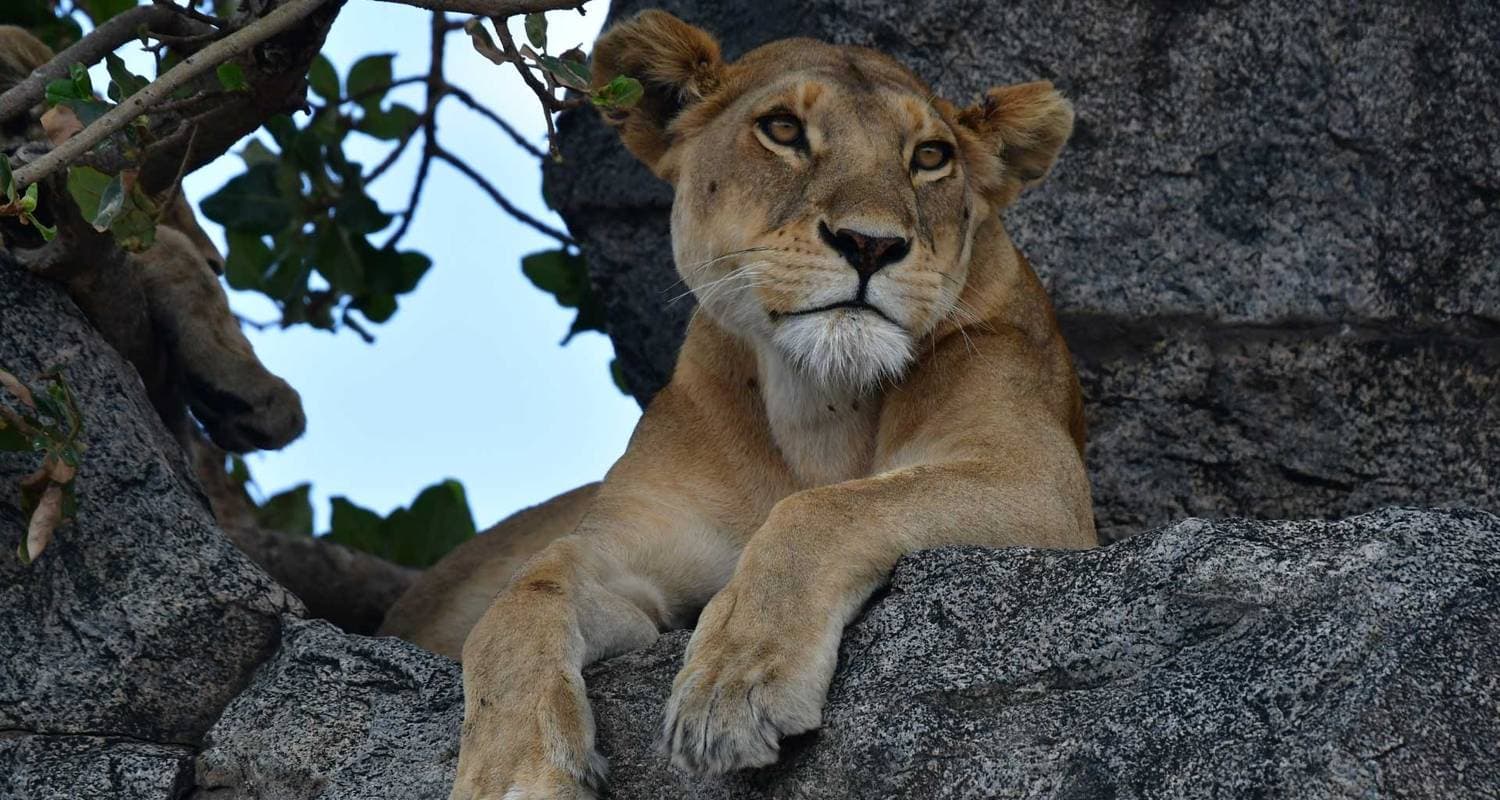
Big Five Classic Safari in Tanzania **Sustainable Approach to Travel
7 days · World Adventure Tours
4.9· 261 reviews✓ Instant confirmationtour from €3,496
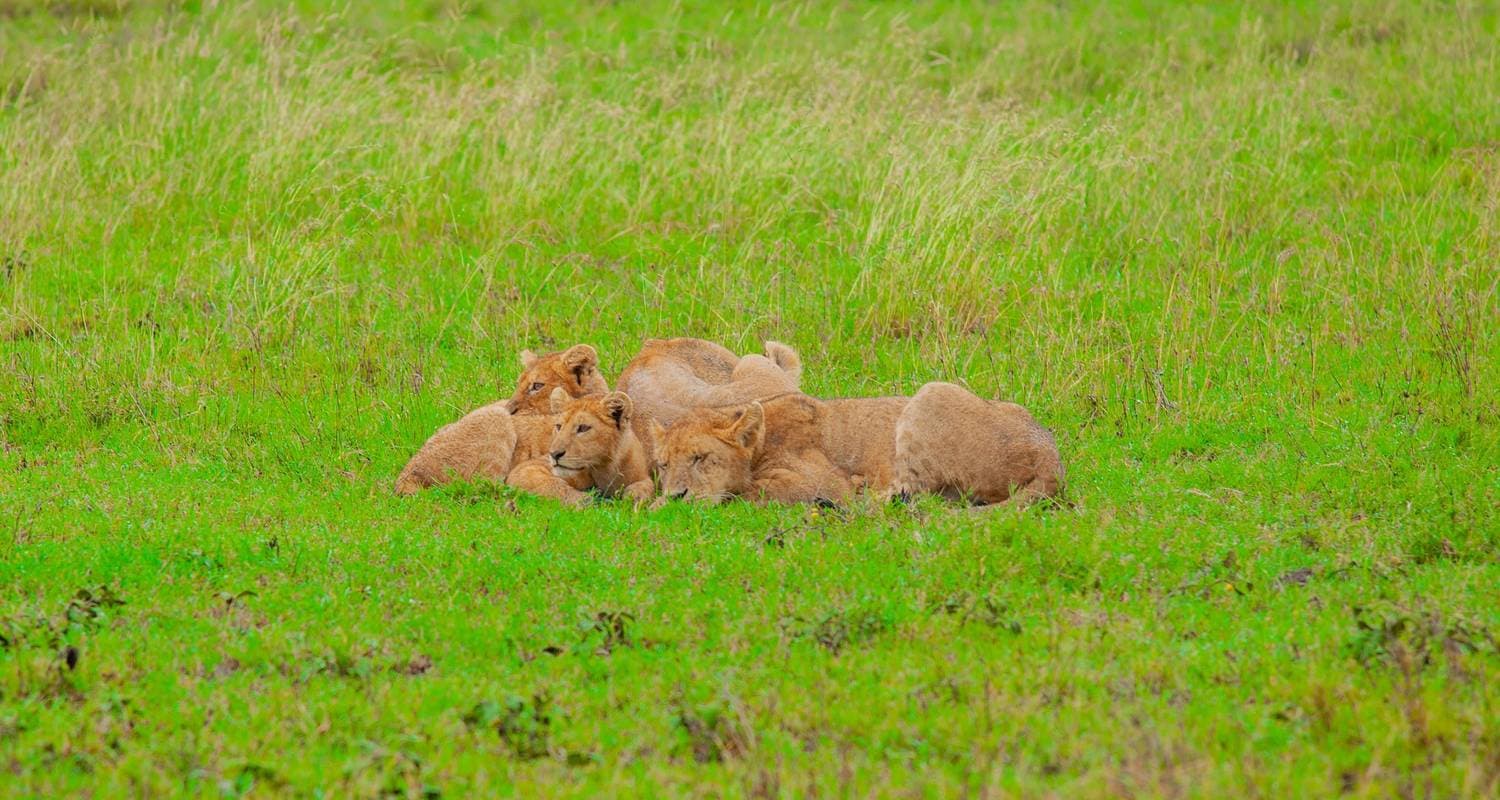
Best of Tanzania Luxury Safari & Day Adventures
9 days · Zara Tours (Zara Tanzania Adventures)
5.0· 211 reviews✓ Instant confirmationtour from €3,588
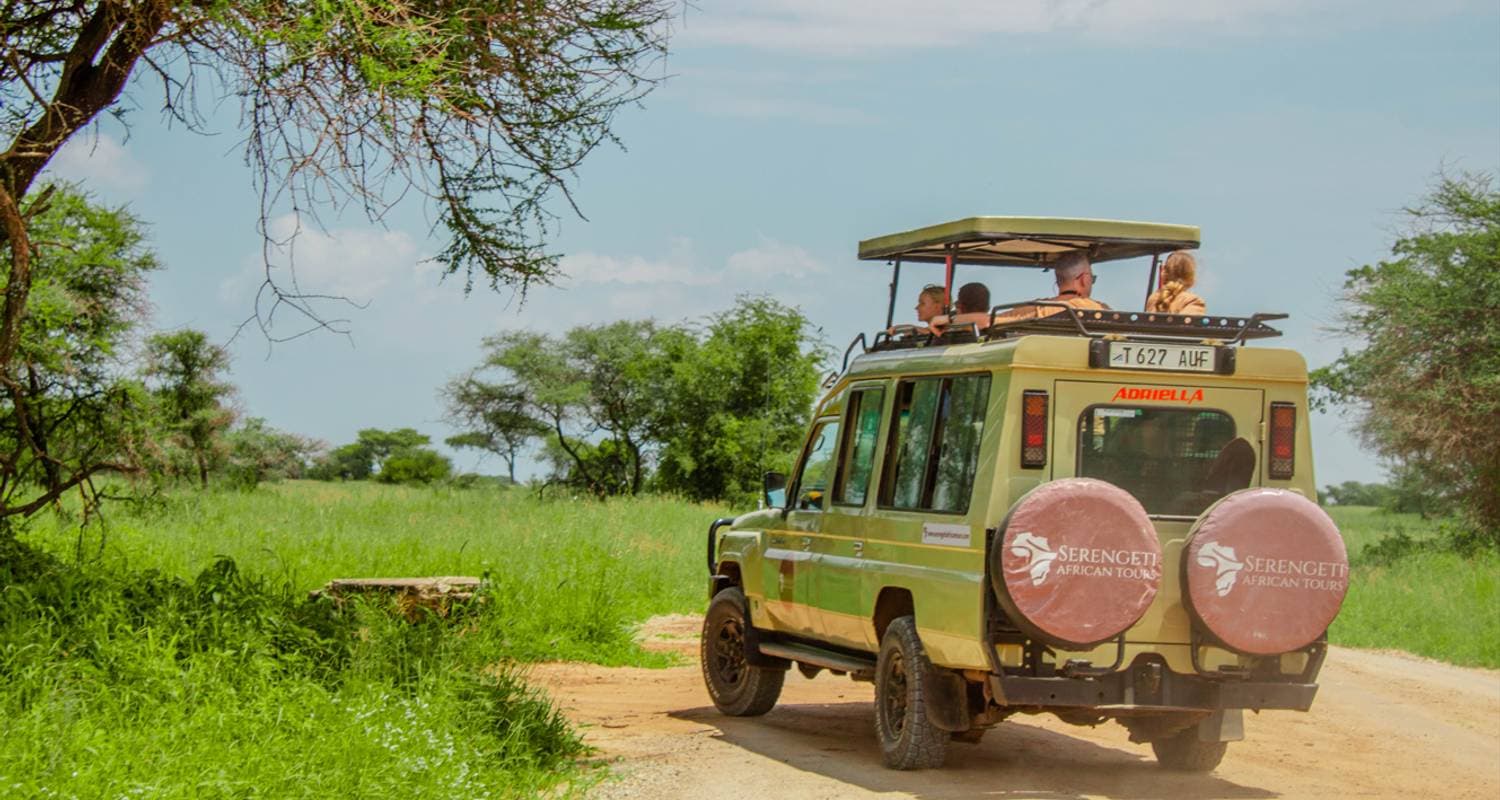
Serengeti, Ngorongoro, Tarangire (with Materuni waterfalls, coffee tour) - 6 Days
6 days · Serengeti African Tours
4.9· 112 reviews✓ Instant confirmationtour from €1,288
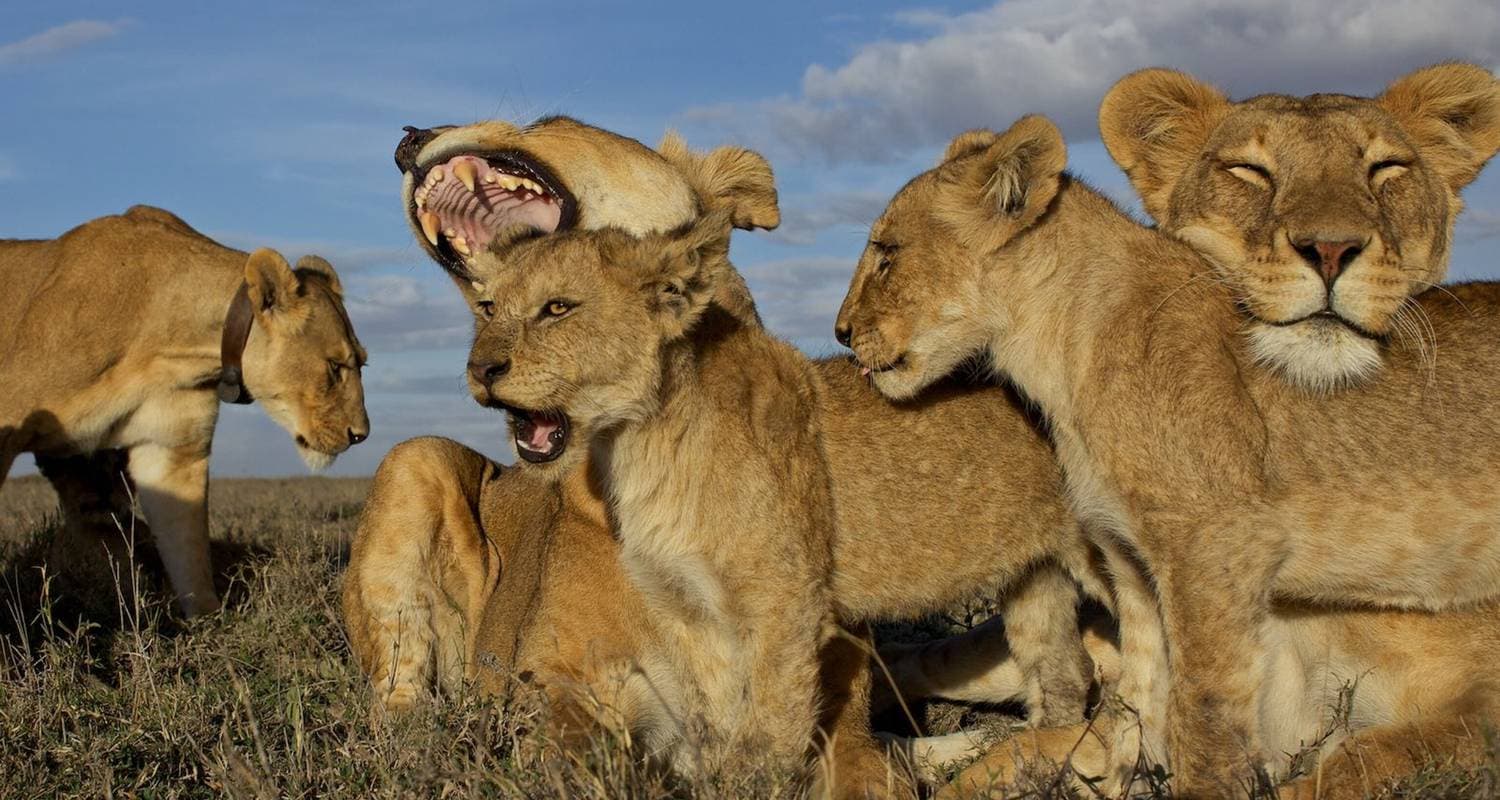
8- Days Tarangire, Serengeti, Ngorongoro, Lake manyara , Materuni Waterfalls & Coffee Tour- (Accommodation and Transport are Included)
8 days · Tanzania Wildlife Adventures
5.0· 110 reviews✓ Instant confirmationtour from €1,987

Kilimanjaro Climbing Via Lemosho Route 10 Days (all accommodation and transport are included)
10 days · Spider Tours and Safaris
5.0· 105 reviews✓ Instant confirmationtour from €2,926

Mount Kilimanjaro climbing via Marangu Route 8 days Tanzania (all accommodation and transport are included)
8 days · Spider Tours and Safaris
5.0· 103 reviews✓ Instant confirmationtour from €2,300
The Northern Circuit safari: Arusha, Tarangire, Ngorongoro and Serengeti in 7 days
Almost every first-timer runs the same loop, and it works. You fly into Kilimanjaro (JRO), overnight in Arusha or Moshi, then strike out west in a Land Cruiser for six or seven days through four parks: Tarangire for elephants and baobabs, Lake Manyara for tree-climbing lions and flamingos, Ngorongoro Crater for a near-guaranteed day of rhino and lion, and the Serengeti for two or three nights of open-plains driving. Most tours bring you back to Arusha or drop you at Kilimanjaro to start a climb.
The price tiers are sharp, and worth getting straight before you book.
At the bottom, land safaris with camping or budget lodges (€1,800-€2,400 per person for six to eight days). Operators like Serengeti African Tours, Tanzania Wildlife Adventures and Spider Tours run shared-vehicle departures with public-campsite accommodation inside the parks. Same animals, same guides, cheaper bed. Solid value if you're happy under canvas.
In the middle, permanent tented camps and lodges (€2,300-€3,500 per person for seven to nine days): think Serena, Sopa, Kati Kati Tented Camp, Ndutu Safari Lodge. Proper beds, hot showers, good food, four guests to a vehicle. This is the tier most travellers should aim for, and where World Adventure Tours and Zara Tours sit.
At the top, luxury mobile camps and lodges (€3,500-€7,000+ per person): Nomad Tanzania's Serengeti Safari Camp, &Beyond Klein's, Singita Grumeti, Asilia's Namiri Plains. Your own vehicle, the best guides, and camps that pick up and move with the migration.
Add-ons: Kilimanjaro climb and Zanzibar beach week
Two add-ons run straight off the safari, and both earn the extra days.
First, Kilimanjaro, a six-to-nine-day climb. The mountain is non-technical but it's high: Uhuru Peak tops out at 5,895m and altitude is the entire game. Two routes dominate. Machame (six to seven days) is the crowd's choice, scenic, varied underfoot, with a decent acclimatisation profile and success rates around 65-75% on the seven-day version. Lemosho (seven to eight days) creeps in from the quieter west, builds in an extra acclimatisation day and lifts success rates to 85-90%; it costs €200-€400 more and it's the route to take if you can spare the time. The shorter five-day Marangu routes drag summit rates below 50%, so give them a miss. Reckon on €1,600-€2,200 with a reputable local operator (Zara, Kilimanjaro Wonders) and €2,400-€3,200 with the international outfits (G Adventures, Intrepid, Exodus). That covers park fees (around €800 of it), guides, porters, tents and food. A tip budget of €250-€350 per climber is standard, and not really optional.
Second, Zanzibar, four or five days, a short hop from the safari and the usual way to finish. Coastal Air or Precision Air whisk you from Arusha or the Serengeti strips to Zanzibar (ZNZ) in ninety minutes to two hours. Give Stone Town a night for the architecture and the food market, then make for the north-east coast (Matemwe, Kiwengwa) for reef snorkelling or the north tip (Nungwi, Kendwa) for the calmer swimming beaches. Mid-range beach hotels run €90-€180 a night half-board; the flights add €120-€220 one way.
Operator style: local Arusha outfits vs international small-group
Tanzania splits cleanly into two operator camps, and the price gap between them is wider than anywhere else on the continent.
The local Arusha and Moshi operators, Zara Tours, World Adventure Tours, Tanzania Wildlife Adventures, Serengeti African Tours, Spider Tours, Rumara Safaris, GoExplore, run most of the safaris you'll see on Multiday.tours. They own the Land Cruisers, employ the guides and book or own the camps themselves, which is why their prices sit 25-40% below G Adventures or Intrepid for much the same product. Groups are four to six to a vehicle, the guides are Tanzanian and usually excellent, and the operator squares away the park fees directly.
The international small-group operators come next. G Adventures runs a big Tanzania programme (Serengeti Trail, Kilimanjaro climbs, Zanzibar beach extensions), with Intrepid and Exodus covering similar ground. Prices land at €2,800-€4,500 for eight to ten days before flights. The premium buys you a global support line, standardised inclusions, trip-cancellation backing, and groups of ten to twelve with a Western tour leader alongside the local guide.
Then there are the specialists. Wayo Africa runs walking safaris and mobile tented camps inside the Serengeti from around €600 per person per night, niche but exceptional if you want to get off the vehicle. &Beyond operates Klein's, Serengeti Under Canvas and Grumeti Serengeti for luxury fly-in safaris. And Nomad Tanzania runs semi-permanent camps (the Serengeti Safari Camp tracks the wildebeest) for travellers who want the high end without the full &Beyond price.
On the beds specifically: camping comes in €50-€90 a night below permanent tents, permanent tents run €150-€300 below lodges, and luxury mobile camps cost what a lodge does but pack up and follow the herds.
Best time to visit Tanzania and the migration calendar
Tanzania's safari year turns on two things: the wildebeest migration and the rains.
January to March is calving season in the southern Serengeti around Ndutu. Roughly 500,000 wildebeest calves drop in a three-week window in February, the predator action is relentless, and the short-grass plains lay it all out in front of you. The weather is warm and mostly dry. This is the prime window for the southern Serengeti, and lodges like Ndutu Safari Lodge and Lake Masek go nine months ahead.
April and May bring the long rains. Roads turn boggy, some camps close, the bush thickens up. Lodge rates fall 30-45%, and if you can take your game drives a little unpredictable this is the cheapest window. Skip it for a first trip, though.
June kicks off the dry season, and the migration pours across the Grumeti River in the western corridor. July to September is when the herds push north and cross the Mara River into Kenya; from late July through September you can watch the crossings from the northern Serengeti (Kogatende, Lamai). This is the peak, with costs running 20-40% above shoulder and northern camps booking six to twelve months out.
October and November are the short rains: quick afternoon storms, otherwise good viewing, shoulder prices. December into early January holds good conditions but spikes on the Christmas and New Year rates.
Kilimanjaro keeps its own calendar. January to early March is clear, warm and quiet underfoot. June to October is the other main climbing window: dry, cold at altitude, busiest on Machame. April-May and November are the wet months to steer clear of.
Getting to Tanzania from wherever you start
Three airports matter, and which one you fly into comes down to the shape of your trip. Kilimanjaro International (JRO) is the safari and Kili gateway, forty minutes from Moshi and fifty from Arusha, and every Northern Circuit tour starts and ends here. Dar es Salaam (DAR) is the one to aim for if Zanzibar is the main event. Arusha (ARK) is a small strip for bush flights, not international arrivals.
Nobody flies Tanzania nonstop from across an ocean, so everyone connects once — the question is just which hub. From the US, you route through a Gulf hub (Qatar via Doha, Emirates via Dubai to DAR, Etihad via Abu Dhabi), an Ethiopian connection via Addis Ababa, or a European hub (KLM via Amsterdam, Turkish via Istanbul). Expect roughly US$1,000-$1,600 return from the East Coast, US$1,200-$1,900 from the West, and 18-23 hours door to door. The Gulf carriers tend to price keenest and connect cleanly from across the country.
From Australia, Sydney and Melbourne route through a Gulf hub (Doha, Dubai, Abu Dhabi) and reach JRO or DAR after 21-25 hours of travel. Reckon on roughly A$2,000-$3,000 return.
From Canada, Toronto and Montreal connect through a European or Gulf hub; budget roughly C$1,500-$2,300 return and 19-24 hours via the stop.
From the UK and Europe, the connections are shortest. KLM runs the most useful route (daily from Amsterdam via Dar), with Qatar via Doha, Turkish via Istanbul and Ethiopian via Addis. Return fares from Western Europe land at €650-€950 in the shoulder months (February-March, October-November) and €1,000-€1,400 in the July-September and Christmas peaks, for 9-11 hours' total travel via the hub.
For a safari-plus-Zanzibar trip the classic move, whatever your origin, is the open-jaw: in through JRO, out from ZNZ or DAR, so you never double back. KLM, Qatar and Turkish all price open-jaws keenly. From Dar, Coastal Aviation and Precision Air run twenty-minute hops to Zanzibar (ZNZ) for €70-€110 one way, or the ferry takes two hours (€35-€50). On Multiday.tours you'll see the live Kiwi fare from your own home airport, in your own currency, beside each tour, so you can size up the all-in cost before you book either side.
Ready to price your trip?
Enter your origin airport and month — we'll search live flight and tour prices and give you one bundled total per person.
Find combosCommon questions
How much does a Tanzania safari cost with flights?
Reckon on €2,800-€4,200 per person all-in from most European capitals for a mid-range eight-to-ten-day trip. That covers a permanent-tent or lodge safari (€2,300-€3,500), return flights to JRO with one stop (€700-€950 in the shoulder months), park fees (already folded into the operator price for the Serengeti, Ngorongoro and Tarangire, roughly €500 of it), tips of €150-€250, and the meals you eat off-safari. Go the budget camping route and the total drops to €2,400-€2,900. Add €1,800-€3,000 if you bolt on Kilimanjaro, or €700-€1,500 for a Zanzibar week.
Serengeti or Masai Mara for a first safari?
Both ride the same migration, and the animals couldn't care less which side of the border they're on. The Serengeti is seventeen times the size of the Mara, so crowds at a sighting are thinner, the roads more open, and the southern plains hand you the February calving the Mara can't. The Mara, for its part, gets the better river crossings (steeper, more dramatic banks) in August and September. For a first safari, pick the Serengeti if you want space and a longer multi-region trip; pick the Mara if your window is July to September and you want the classic crossing footage in a tighter area.
Which Kilimanjaro route should I pick?
Lemosho over seven or eight days is the best all-rounder: quieter trails, scenery that shifts through four ecological zones, and an extra acclimatisation day that lifts summit success rates to 85-90%. Machame over seven days is the popular alternative, scenic and €200-€400 cheaper but busier underfoot. Marangu, the hut route, sounds easier because you sleep indoors, but the five-day version drags summit rates below 50% on poor acclimatisation and isn't worth the saving. Whatever the route, walk away from any operator offering fewer than seven days on the mountain.
Can I add Zanzibar to a Tanzania safari and how much time do I need?
Yes, it's the standard add-on, and four to five nights is the sweet spot. Give Stone Town one night for the architecture, a food tour and the sunset at Forodhani market, then three or four nights on the north or north-east coast. Flights from Arusha or the Serengeti bush strips to Zanzibar take ninety minutes to two hours on Coastal Aviation or Precision Air for €120-€220 one way. Tight on time? Skip Stone Town and make straight for the beach. Plenty of operators sell the Zanzibar leg as a bolt-on for €600-€1,400, depending on the hotel tier.
Is malaria a risk in Tanzania and do I need anti-malarials?
Yes, most of Tanzania is malaria country year-round, including the Serengeti, Ngorongoro, Tarangire and Zanzibar. Anti-malarials (Malarone, doxycycline or Lariam) are strongly recommended for every traveller heading on safari or to the coast, so speak to a travel clinic four to six weeks before you go. Kilimanjaro above around 1,800m is malaria-free, since the mosquitoes can't survive the altitude, but you'll likely spend nights lower down before and after the climb. A yellow fever vaccination is required if you're arriving from a country with yellow fever risk (Kenya included).
What should I pack for a Tanzania tour?
For safari, pack neutral layers in beige, olive or khaki, and leave the bright white, black and camouflage at home (camo is illegal in several East African countries). Mornings in the Ngorongoro Highlands drop to 5-10°C, so bring a fleece and a windproof. Add closed shoes, a wide-brim hat, high-SPF sunscreen, insect repellent with DEET, binoculars, a headtorch and a dust-proof bag for camera gear. For Kilimanjaro, layer up properly: thermal base, down jacket, waterproof shell, gaiters, and hiking boots you've already broken in. For Zanzibar, throw in modest cover-up clothes for Stone Town (it's a Muslim island) alongside your beach wear. The plug is a Type G three-pin, so bring a universal adapter.
Related destinations
- Kenya Multi-Day Tours with Flights from €870River crossings in the Mara when the migration is running, e…
- South Africa Multi-Day Tours with Flights from €1,100Kruger and the Big Five, Cape Town under Table Mountain, the…
- Egypt Multi-Day Tours with Flights from €1,300Sail the Nile, stand at the pyramids, sleep out under the Wh…
Related tour styles
Pick by trip length
Plan this trip from your city
- Multi-Day Tours from New York with Flights IncludedMulti-day tours from New York with flights included — one US…
- Multi-Day Tours from Los Angeles with Flights IncludedPackage tours from Los Angeles with flights included — one U…
- Multi-Day Tours from Sydney with Flights IncludedLeaving Australia means a long-haul flight whether you like …
- Multi-Day Tours from Toronto with Flights IncludedPearson is Canada's biggest long-haul hub, and with a weak l…
- Multi-Day Tours from London with Flights IncludedBuilt for London travellers: LHR for long-haul, LGW for Euro…