
Kenya Multi-Day Tours with Flights from €870
River crossings in the Mara when the migration is running, elephants strolling under Kilimanjaro in Amboseli, the dry-country oddities of Samburu, and a hushed Watamu coast. This is the original safari country, and still the one to beat.
Edited by Multiday.tours editor
- ✓Entry-level 6-10 day Mara and Nakuru safaris from €870 per person before flights
- ✓Median 9-day Kenya safari lands around €2,250; 13-day mid-range trips near €3,635
- ✓Direct flights from London, Paris and Amsterdam to Nairobi NBO, €520-€780 shoulder
- ✓Masai Mara river crossings concentrated in August and September (book 9-12 months ahead)
- ✓Calving-season migration is in Tanzania in February — combine for the full loop
- ✓Mid-range lodges at €220-€420 pp per night are the value sweet spot
Kenya is the safari every other safari gets measured against. A no-frills small-group trip, six to ten days looping through the Mara and Nakuru, starts from around €870 per person; the typical nine-day safari settles near €2,250, and a properly mid-range thirteen-day adventure runs close to €3,635 before flights. You'll find three sorts of operator running the place: Kenya-owned specialists like Bonvoyage, Africa Venture Safaris and Perfect Wilderness, the big international names (Intrepid, G Adventures, Absolute Africa, Dragoman), and luxury camp brands like Governors', Cottar's and Angama Mara. Almost everyone begins in Nairobi and spends seven to fourteen days working the Mara-Amboseli-Lake Nakuru triangle, often tacking on Tanzania for the full Great Migration loop. Below we get into what each tier really costs, how to time the migration, when to go, and which European carriers will fly you into Nairobi and Mombasa.
The tours doing the heavy lifting here
Prices are tour-only — add flights for the real total. You book the tour itself on TourRadar.
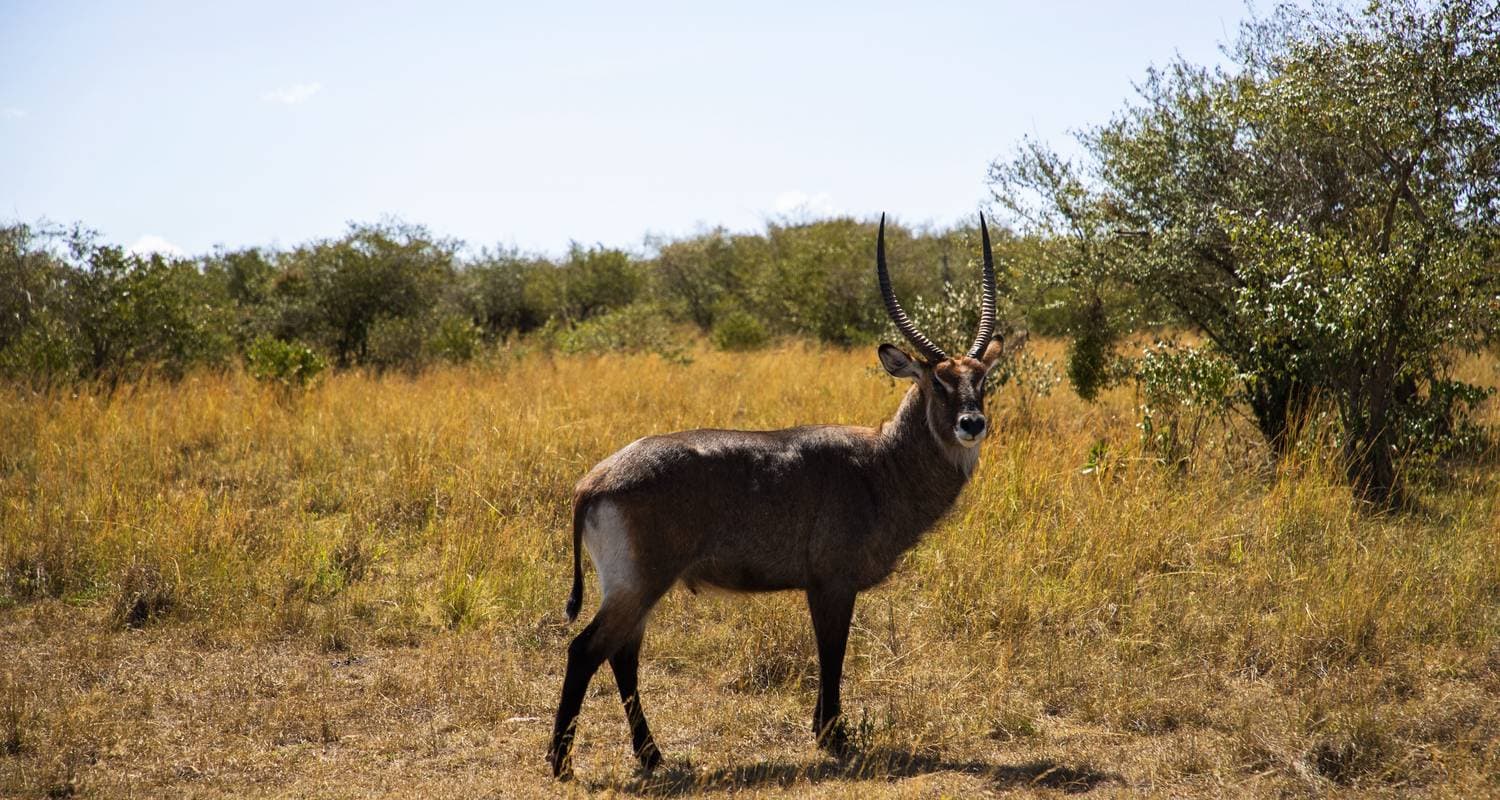
12 Days Best of Kenya and Tanzania
12 days · Africa Venture Safaris
4.3· 76 reviews✓ Instant confirmationtour from €2,208
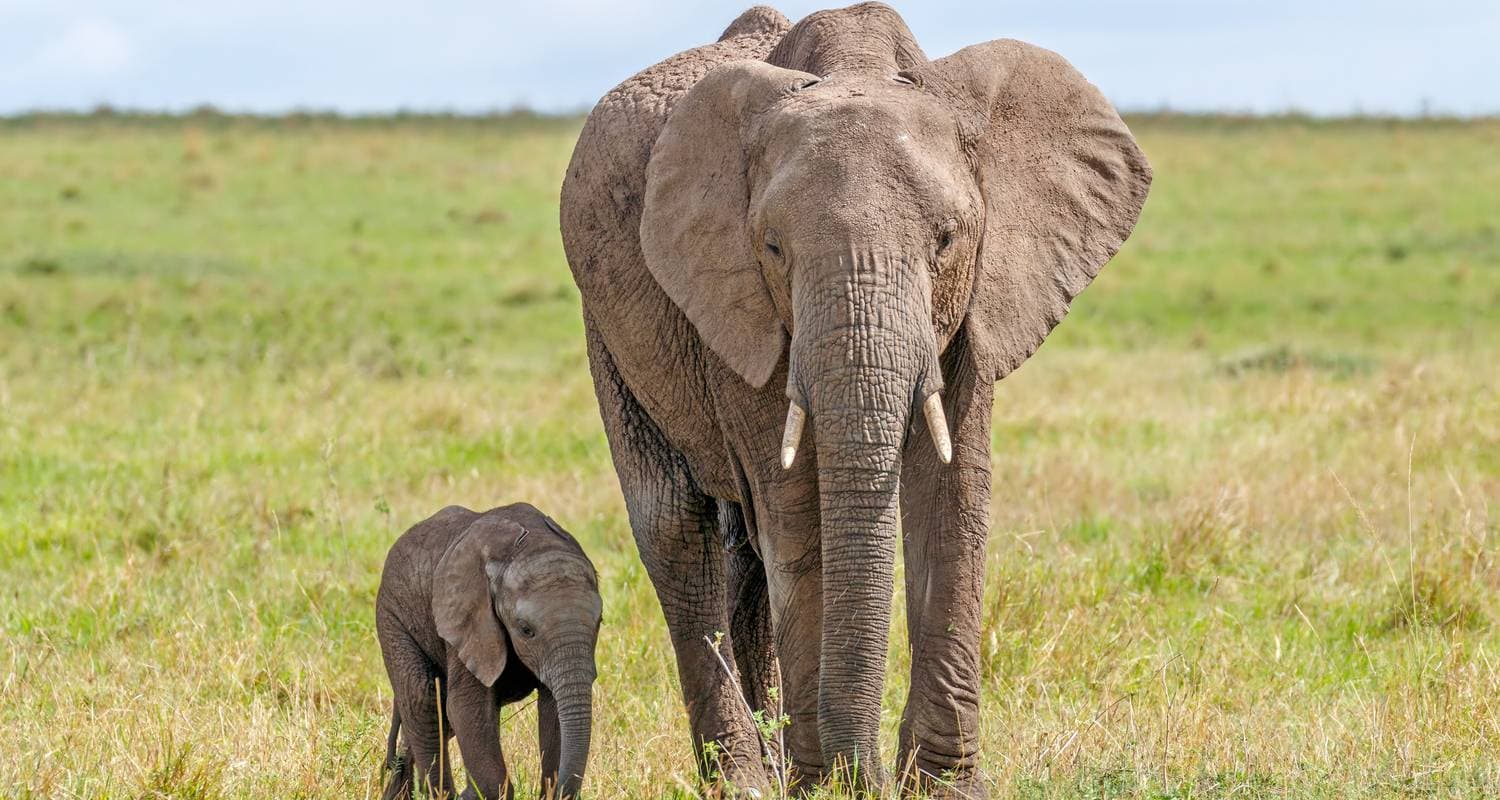
Kenya Wildlife Safari
8 days · Intrepid Travel
4.7· 58 reviews✓ Instant confirmationtour from €1,518
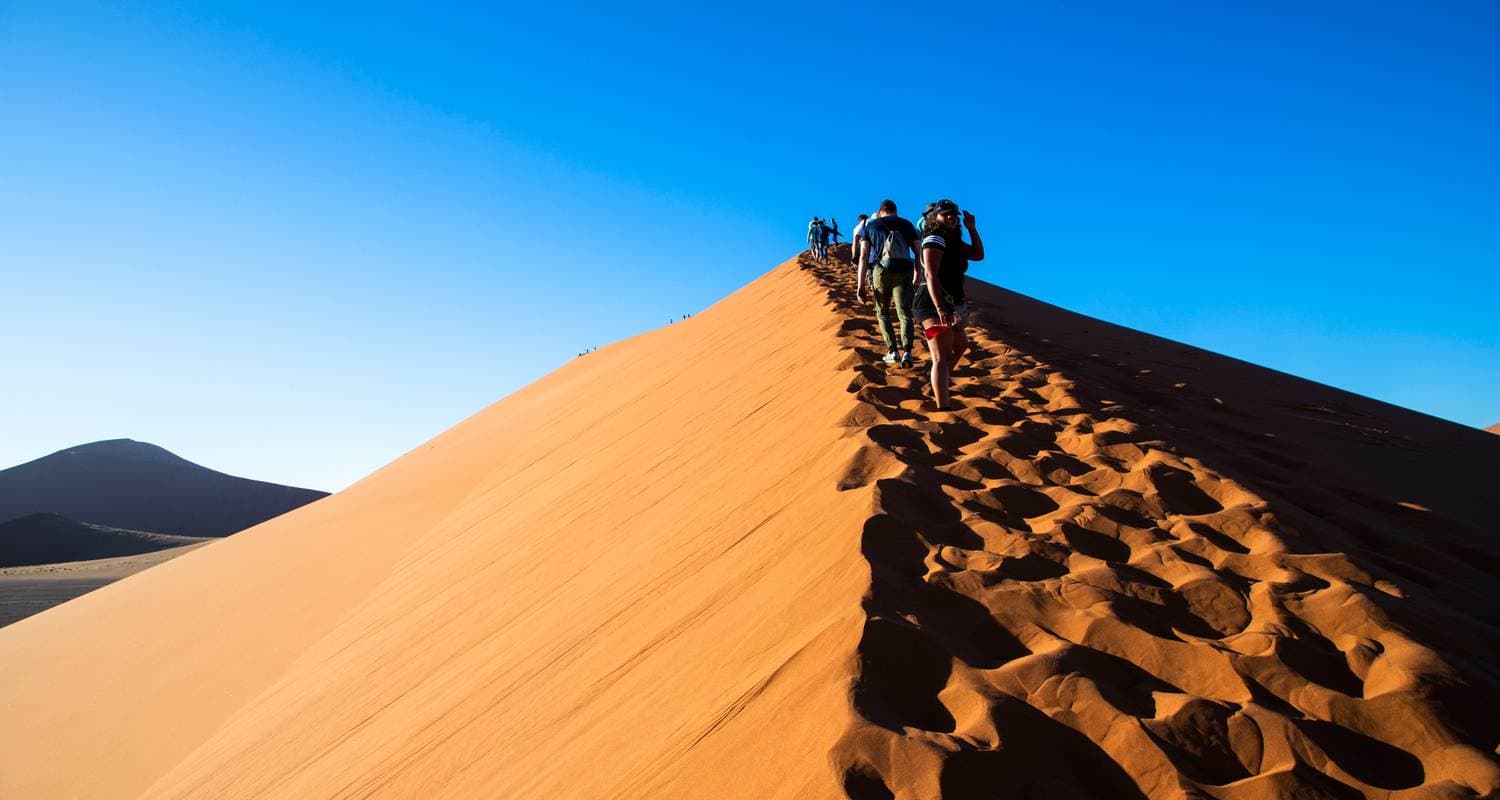
The Absolute Safari
77 days · Absolute Africa
4.7· 46 reviewstour from €4,728

6 Days Kenya Budget Tours (with Free Night at Nairobi Hotel)
6 days · Bonvoyage Kenya Safaris
4.1· 40 reviews✓ Instant confirmationtour from €501
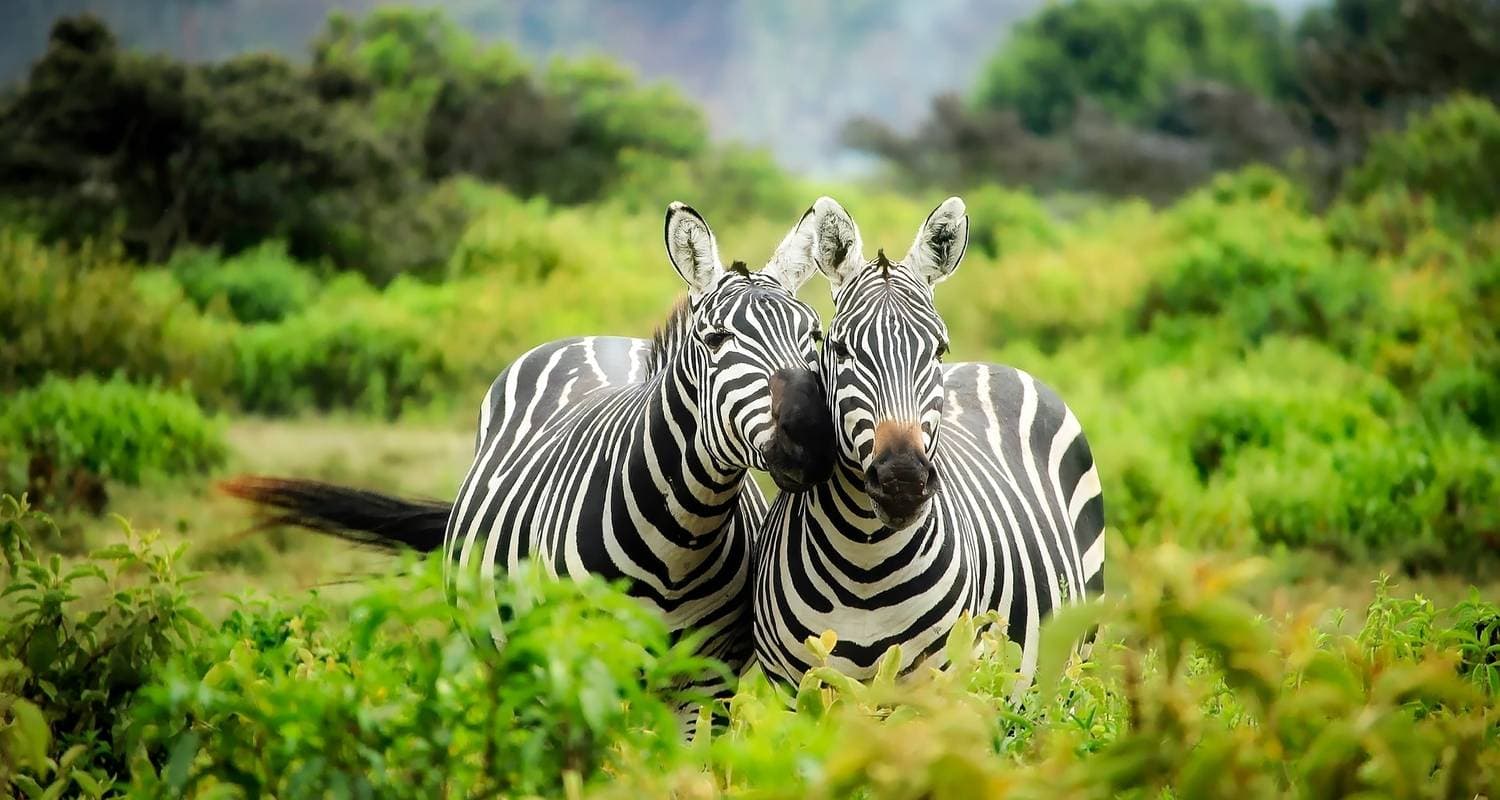
4 Days Amazing Kenya Safari
4 days · Africa Venture Safaris
4.7· 35 reviews✓ Instant confirmationtour from €690
Affordable 3-Day Budget Luxury Masai Mara Safari in Kenya - With Free Night at Nairobi Hotel
3 days · Bonvoyage Kenya Safaris
4.2· 33 reviews✓ Instant confirmationtour from €317
The classic 7-10 day Kenya safari: what you actually do
The standard Kenya trip is a loop out of Nairobi that takes in three or four parks across seven to ten days, and it earns its popularity. You land at NBO on day one, overnight in Nairobi and meet your group. Day two is the long haul to the Masai Mara, either a five-to-seven-hour road transfer or a fifty-minute light-aircraft hop. Then come three nights in the Mara with two game drives a day: the dawn run from 6am to 10am, when the cats are hunting and the light is golden, and the 3.30pm drive that chases the sunset. From the Mara you slip down to Lake Nakuru or Lake Naivasha for flamingos, rhino and a gentler rift-valley pause, then swing south-east to Amboseli for two nights, with Kilimanjaro filling the horizon and the elephant herds the park is rightly famous for. The last morning, it's back to Nairobi for the flight home.
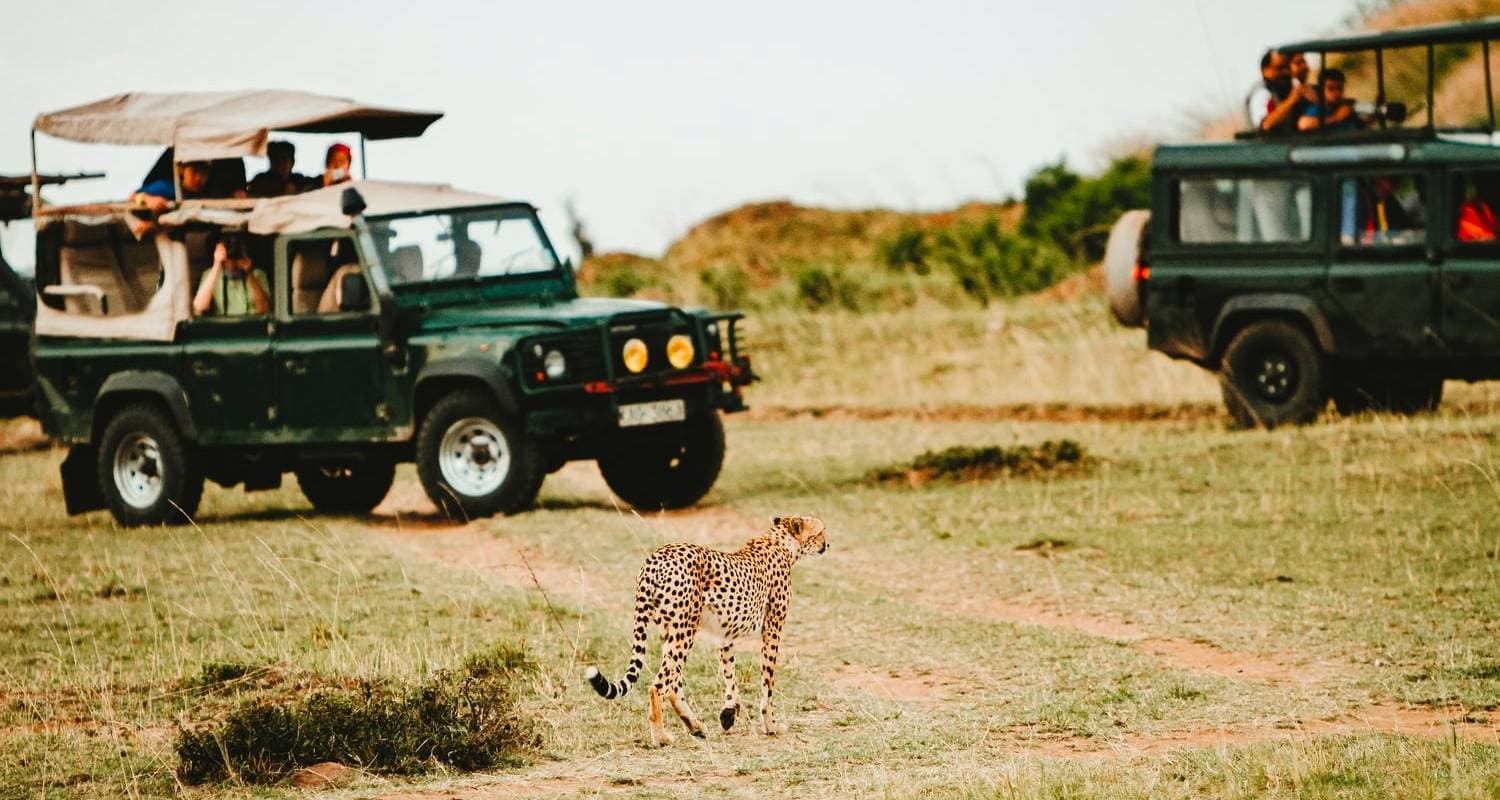
Game drives run in 4WD Land Cruisers or Toyota vans with pop-up roofs, and the vehicle you're in matters more than you'd think. Budget and mid-range operators usually seat six to eight with a window for everyone; the better ones (Bonvoyage, Perfect Wilderness, Intrepid) cap it at six. Overland trucks carrying eighteen to twenty-four travellers do roam Kenya, but the serious game viewing happens in the smaller vehicles that meet you at the park gates.
Reckon on ten to fourteen game drives over a nine-day trip and somewhere between 600 and 900km of driving if you stay on the ground. Trading a leg for a light aircraft (Safarilink, AirKenya) costs €180-€320 and buys back a whole day each way.
Migration math: Masai Mara vs Serengeti timing
The Great Migration isn't one moment in one place. It's roughly 1.5 million wildebeest and 300,000 zebra grinding through a slow clockwise loop between Tanzania's Serengeti and Kenya's Masai Mara across the year, and deciding where to stand and when is the biggest call you'll make on a Kenya trip.
Kenya's moment is July to October. The herds start pouring across the Mara River into the Masai Mara from around mid-July, the crossings cluster in August and September, then the animals drift back south into the Serengeti through late October. If it's the famous crocodile-versus-wildebeest river scene you're after, you want the Mara in August or September, and you want to book nine to twelve months out. It's lodge beds that run short, not luck with the weather.
Flip the calendar and you get calving season, January to March, down on the southern Serengeti's short-grass plains in Tanzania. Half a million wildebeest calves arrive in a frantic three-week window in February, predators prowl everywhere, and plenty of old hands rate it above any river crossing, so long as you don't mind that it plays out in Tanzania rather than Kenya.
A ten-to-fourteen-day Great Migration combo gives you both. The classic shape: fly into NBO, four nights in the Masai Mara on the Kenya side, a charter hop south across the border to the northern Serengeti for three, then Ngorongoro Crater and Tarangire for four more, flying out from Kilimanjaro JRO or back via Arusha. Africa Venture Safaris' twelve-day Best of Kenya and Tanzania, around €2,210, is a good yardstick for the mid-range version.
Style choice: overland, mid-range lodge or luxury camp
Kenya's price tiers are clearer than most safari countries, and the gaps between them are wide.
At the budget end, overland and group tours (Intrepid, G Adventures, Acacia, Dragoman, Absolute Africa) put you in an eighteen-to-twenty-four-seat truck or a minibus, camping or in simple tented camps, with meals cooked out of the back of the vehicle. Dragoman and Absolute Africa run the epic multi-week Nairobi-to-Cape-Town routes; Intrepid and G Adventures stick to the seven-to-ten-day Kenya-Tanzania loops. Reckon on €90-€140 a day on the truck, or €1,600-€2,400 for a ten-day lodge-based group tour.
Mid-range lodge safaris (€220-€420 per person per night, all meals and game drives in) are where most travellers happily settle. Wild Frontiers, Africa Venture Safaris and the sharper Kenya-owned specialists put you in permanent tented camps inside or right on the edge of the reserves: en-suite canvas rooms, proper beds, good food, your own six-seat 4WD. A nine-day trip at this level runs around €2,250-€3,600 before flights.
Then there's the top end, luxury camps at €700-€2,200 per person per night: Governors' Camp, Cottar's 1920s, Mara Plains, Angama Mara, Sanctuary Olonana. These sit in private conservancies where you can go off-road, drive at night and walk among the wildlife, with a guide and a tracker to each vehicle, Wi-Fi, plunge pools and a wine list. Going from mid-range to luxury in Kenya is roughly a three-to-fourfold jump, and what it mostly buys you is having a sighting to yourself.
Best time to visit Kenya and what the weather does
Kenya runs to two rainy seasons and two dry ones, and the two dry seasons are far from interchangeable.
July to October is the prime window: dry, cool up in the highlands (10-24°C at Mara altitude), the herds in the Masai Mara, the river crossings landing in August and September. It's also peak pricing and peak scramble, with the best camps gone nine to twelve months ahead for August. Game viewing is at its easiest now, the grass short and the animals bunched around whatever water is left.
January and February are the second dry stretch: warm, clear and green after the short rains, with superb viewing in Amboseli, Samburu and Laikipia. The migration is over in Tanzania during these months (calving on the southern Serengeti short-grass plains runs roughly 1-20 February), so if it's wildebeest you're chasing, think of this as a Tanzania trip with a Kenya add-on rather than the reverse.
The long rains, roughly late March to late May, are the ones to dodge. Some camps shut, the Mara's roads turn to mud, and the bush shoots up chest-high so the animals melt into it. November's short rains are far gentler: quick afternoon showers, lush landscapes, lodge rates down 20-35%, and game viewing that's still strong.
The coast plays by opposite rules. Watamu, Diani and Mombasa stay hot and humid all year (26-32°C), with the heaviest rain in April-May and October-November. August on the coast, though, is dry, breezy and genuinely lovely, so it pairs beautifully with your Mara dates.
Getting to Kenya from wherever you start
Nairobi's Jomo Kenyatta (NBO) is the main gateway and the one almost every safari runs through; Mombasa (MBA) is the coastal door for a beach add-on.
From the US — and Kenya is a huge US safari market — Kenya Airways flies the only nonstop, New York JFK to Nairobi (around 14-15 hours). From everywhere else you connect once, and the choice is rich: the Gulf carriers (Qatar via Doha, Emirates via Dubai, Etihad via Abu Dhabi) and the Europeans (KLM, BA, Turkish, Lufthansa) all serve NBO well, so the West Coast, the South and the Midwest are all one stop away. Expect roughly US$900-$1,500 return from the East Coast, US$1,100-$1,800 from the West, and 17-22 hours door to door via the layover. The Gulf hubs usually price keenest from inland cities.
From Australia, Sydney and Melbourne route through a Gulf hub (Doha, Dubai, Abu Dhabi) and land in Nairobi after 20-24 hours of travel. Reckon on roughly A$1,900-$2,900 return. Qatar and Emirates run the smoothest single-stop connections.
From Canada, Toronto and Montreal connect through a European or Gulf hub; budget roughly C$1,400-$2,200 return and 18-23 hours via the stop.
From the UK and Europe, you've the shortest run: Kenya Airways flies direct from London Heathrow and Paris CDG, KLM daily from Amsterdam, BA from London, with Qatar, Turkish, Lufthansa and Ethiopian a step behind on one-stop fares. London-NBO and Amsterdam-NBO are both 8.5 hours nonstop; it's 11-14 hours with one stop from most other European cities. Return fares run €520-€780 in the shoulder months (February, March, June, November) and €800-€1,250 over the July-September migration peak and Christmas. Shop four to eight months out for the busy window; the fares rarely soften last-minute in August.
Whatever your origin, the time-saver most people overlook is the internal light aircraft. Safarilink and AirKenya run scheduled flights from Nairobi Wilson (WIL, not NBO) out to every major park airstrip — Masai Mara, Amboseli, Samburu, Lewa — for €180-€320 a leg, and a one-hour flight swallows a five-to-seven-hour road transfer whole. On Multiday.tours you'll see live Kiwi fares from your own home airport, in your own currency, beside every tour, so you can weigh up the full bundle before you commit.
Ready to price your trip?
Enter your origin airport and month — we'll search live flight and tour prices and give you one bundled total per person.
Find combosCommon questions
How much does a Kenya safari cost with flights from Europe?
Reckon on €2,800-€4,200 per person all-in for a ten-day mid-range trip from most European capitals. That bundles a small-group or private lodge-based tour (€2,000-€3,200), return flights to NBO in the shoulder months (€520-€780), the park fees that are usually folded in already, tips for guides and camp staff (€120-€200), and drinks and odds and ends (€150-€300). Strip it back to an overland or budget tented-camp trip and the total drops to €1,800-€2,400; go the other way with a luxury camp at Governors' or Angama and the same ten days sails past €7,000.
Open-sided or closed safari vehicle — which should I book?
In Kenya you'll mostly find yourself in a closed 4WD Land Cruiser or a pop-up-roof minibus. Pop-up roofs are the Mara standard and they work well enough: you stand up through the hatch for photos, drop back down when you're moving. The fully open, sides-off Land Cruisers turn up inside the private conservancies (Mara North, Olare Motorogi, Naboisho, Laikipia) where the luxury camps operate, and they're simply the better thing to be in: no glass between you and the wildlife, a lower eye-line, and far better for photography. If open-sided is what you want, book a camp in a private conservancy rather than a national-reserve lodge.
Which Kenyan park is best for a first safari?
For a first trip, the Masai Mara is the answer for almost everyone: the highest density of big cats in Africa, open grasslands that make spotting easy, and the migration from July to October if you time it right. Amboseli throws in the Kilimanjaro backdrop and those vast elephant herds, Samburu serves up dry-country oddities (reticulated giraffe, Grevy's zebra, gerenuk) you won't meet further south, and Lake Nakuru or Naivasha gives the driving a breather. A nine-day loop stitching together the Mara, Nakuru and Amboseli is the classic first-timer's run.
When exactly does the migration reach Kenya?
The herds usually start crossing the Mara River into Kenya from mid-July, though the rains move the goalposts and the date can swing two or three weeks either way. The dramatic crossings, the ones with crocodiles, cluster from early August to late September and then taper through October before the wildebeest turn back south into the Serengeti. If a crossing is the whole point of the trip, aim for the last two weeks of August or the first two of September, and give yourself at least four nights in the Mara to stack the odds in your favour.
Do I need malaria tablets for Kenya?
Yes, for most Kenya trips. The Masai Mara, Amboseli, Lake Nakuru, Samburu and the coast are all malaria country, so anti-malarial prophylaxis is recommended: Malarone is the usual pick for short trips, doxycycline the cheaper option. Nairobi itself sits above the malaria altitude line and is low-risk, as do Mount Kenya and the high Laikipia camps above 2,100m. Either way, dodging bites still counts: long sleeves at dusk, DEET repellent, and the bed nets the camps put up. Check in with a travel clinic four to six weeks before you go for the current guidance and any yellow-fever requirements.
What should I pack for a Kenya safari?
Neutral layers for the game drives: beige, olive or khaki trousers and long-sleeve shirts, a warm fleece for those cold Mara mornings (it can drop to 10°C at dawn in July and August up at altitude), a windproof jacket and closed walking shoes. Leave the bright white, black and camouflage at home; white spooks the animals and camo is illegal to wear in Kenya unless you're military. Add a wide-brim hat, high-SPF sunscreen, DEET repellent, binoculars (don't skip these), a headtorch, a universal adapter for the UK Type G three-pin sockets, and a soft duffel rather than a hard suitcase if you're hopping on light aircraft with their 15kg limit.
Related destinations
- Tanzania Multi-Day Tours with Flights from €1,800The Serengeti plains and Ngorongoro Crater, a summit night o…
- South Africa Multi-Day Tours with Flights from €1,100Kruger and the Big Five, Cape Town under Table Mountain, the…
- Egypt Multi-Day Tours with Flights from €1,300Sail the Nile, stand at the pyramids, sleep out under the Wh…
Related tour styles
Pick by trip length
Plan this trip from your city
- Multi-Day Tours from New York with Flights IncludedMulti-day tours from New York with flights included — one US…
- Multi-Day Tours from Los Angeles with Flights IncludedPackage tours from Los Angeles with flights included — one U…
- Multi-Day Tours from Sydney with Flights IncludedLeaving Australia means a long-haul flight whether you like …
- Multi-Day Tours from Toronto with Flights IncludedPearson is Canada's biggest long-haul hub, and with a weak l…
- Multi-Day Tours from London with Flights IncludedBuilt for London travellers: LHR for long-haul, LGW for Euro…