Safari Tours with Flights Included
Big-5 safaris, Serengeti migration, Kruger, Okavango and Masai Mara — guided departures with flights bundled in one euro price.
Edited by Multiday.tours editor
- ✓Trip length: 6-14 days typical across safari circuits
- ✓Land prices: 1,000-8,000+ EUR depending on tier
- ✓Flights from Europe: 700-1,500 EUR return economy
- ✓Peak dry season: May-October Southern Africa, Jul-Sep migration
- ✓Small groups of 6-12 in shared 4x4 game vehicles
- ✓Operators: G Adventures, Intrepid, &Beyond, Wilderness Safaris
Safari tours are built around game drives in one specific ecosystem: the Serengeti-Masai Mara migration belt, the Okavango Delta, the greater Kruger, the Chobe riverfront, or Etosha in Namibia. On Multiday.tours we list safari departures from specialist operators alongside Kiwi.com flights from your home airport. A 7-10 day safari runs from around €2,000 per person, depending on whether you bed down in overland camps, mid-range lodges, or luxury tented suites. Flights from Europe add another from around €700 return. G Adventures runs a vast African range, Intrepid's Ranger trips cover the mid-range, and &Beyond and Wilderness Safaris hold the luxury end. You see the total per-person price in euros before you commit.
The tours doing the heavy lifting here
Prices are tour-only — add flights for the real total. You book the tour itself on TourRadar.
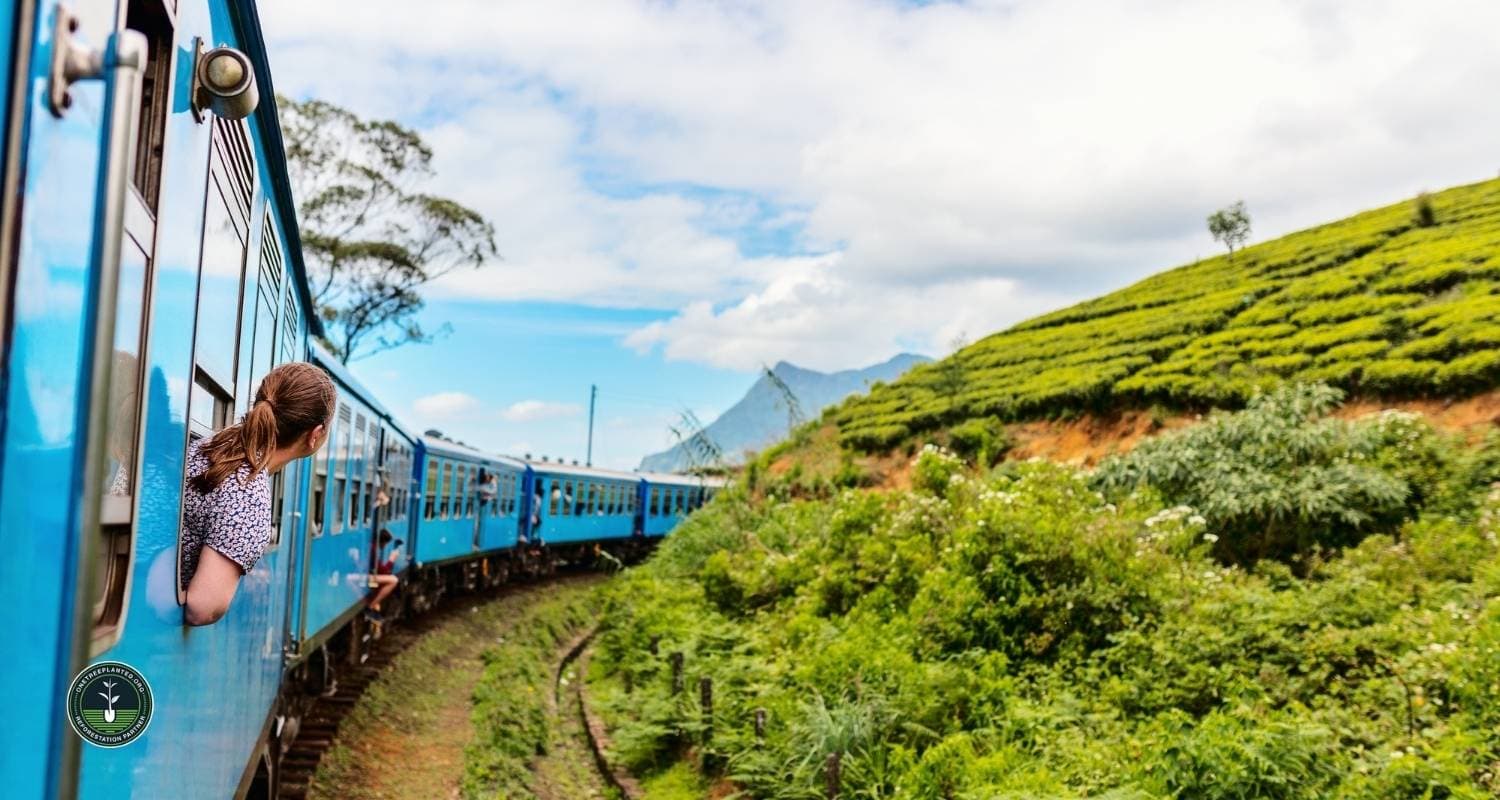
Sri Lanka Classic 12 Day - One Life Adventures
12 days · One Life Adventures
4.9· 2,194 reviews✓ Instant confirmationtour from €1,697
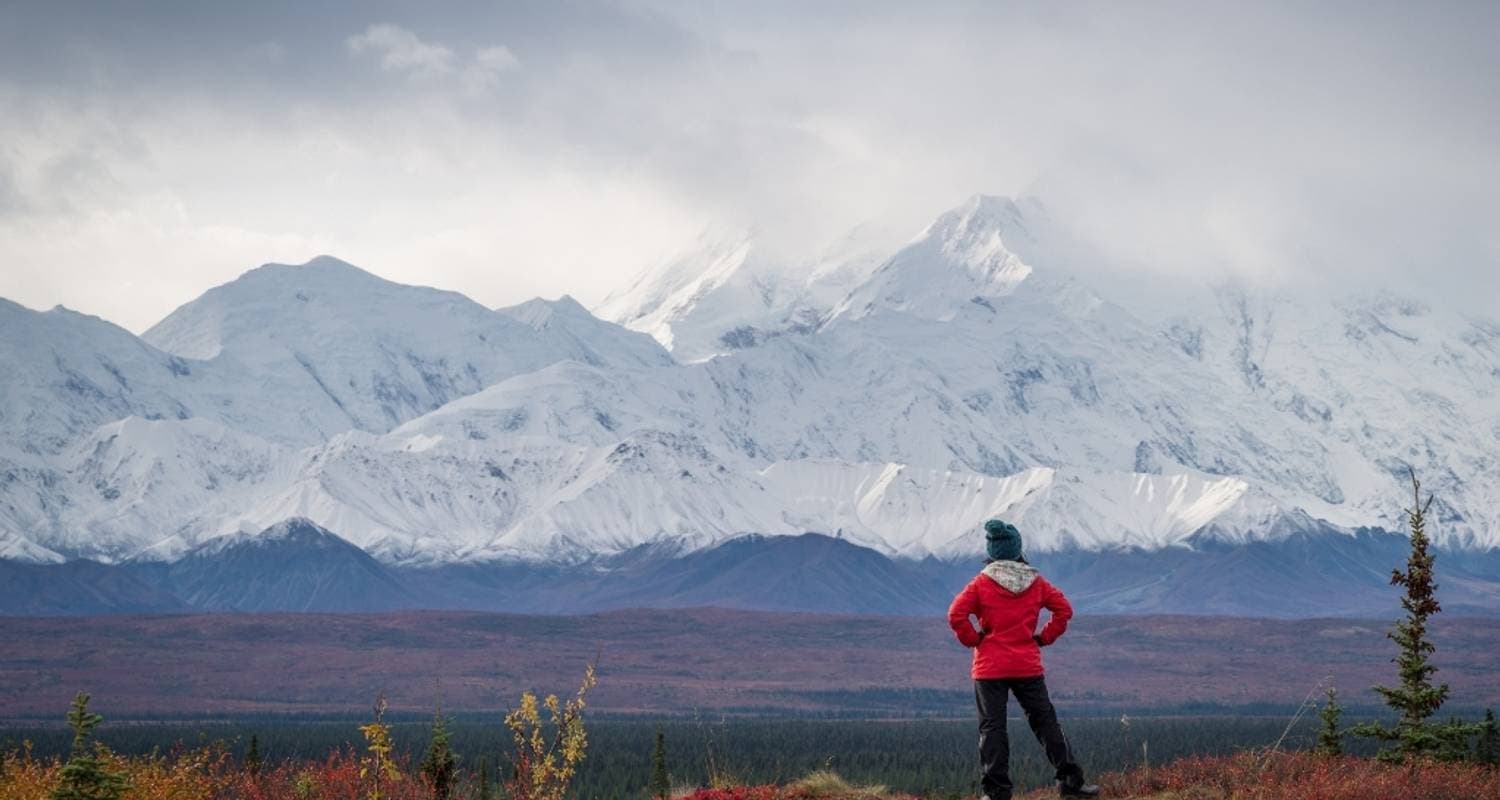
Spectacular Alaska!
10 days · Globus
5.0· 718 reviews✓ Instant confirmationtour from €5,326
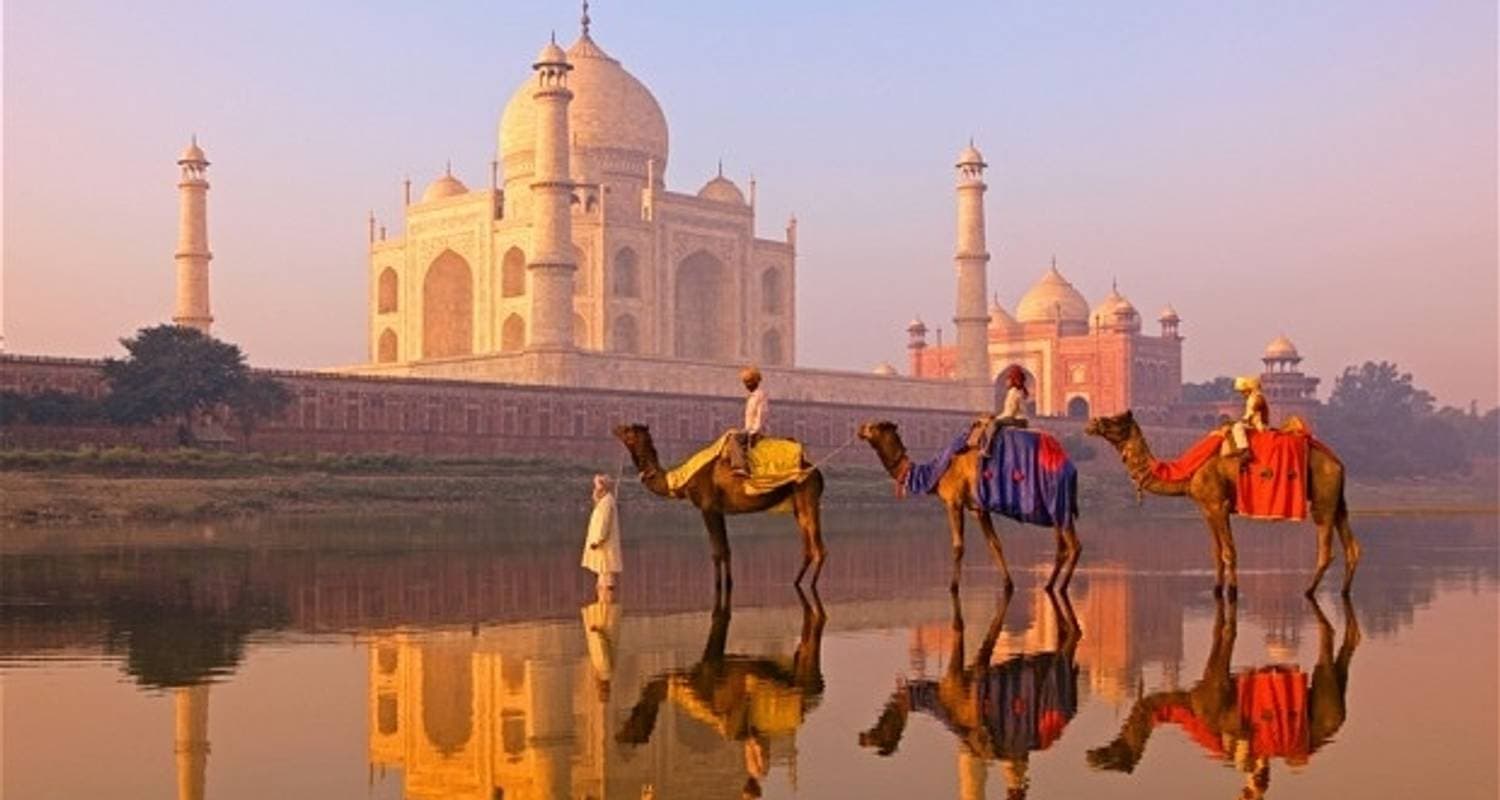
Taj Mahal and Wildlife with Royal Stay at Castles
11 days · Swastik India Journeys
4.8· 585 reviews✓ Instant confirmationtour from €1,306
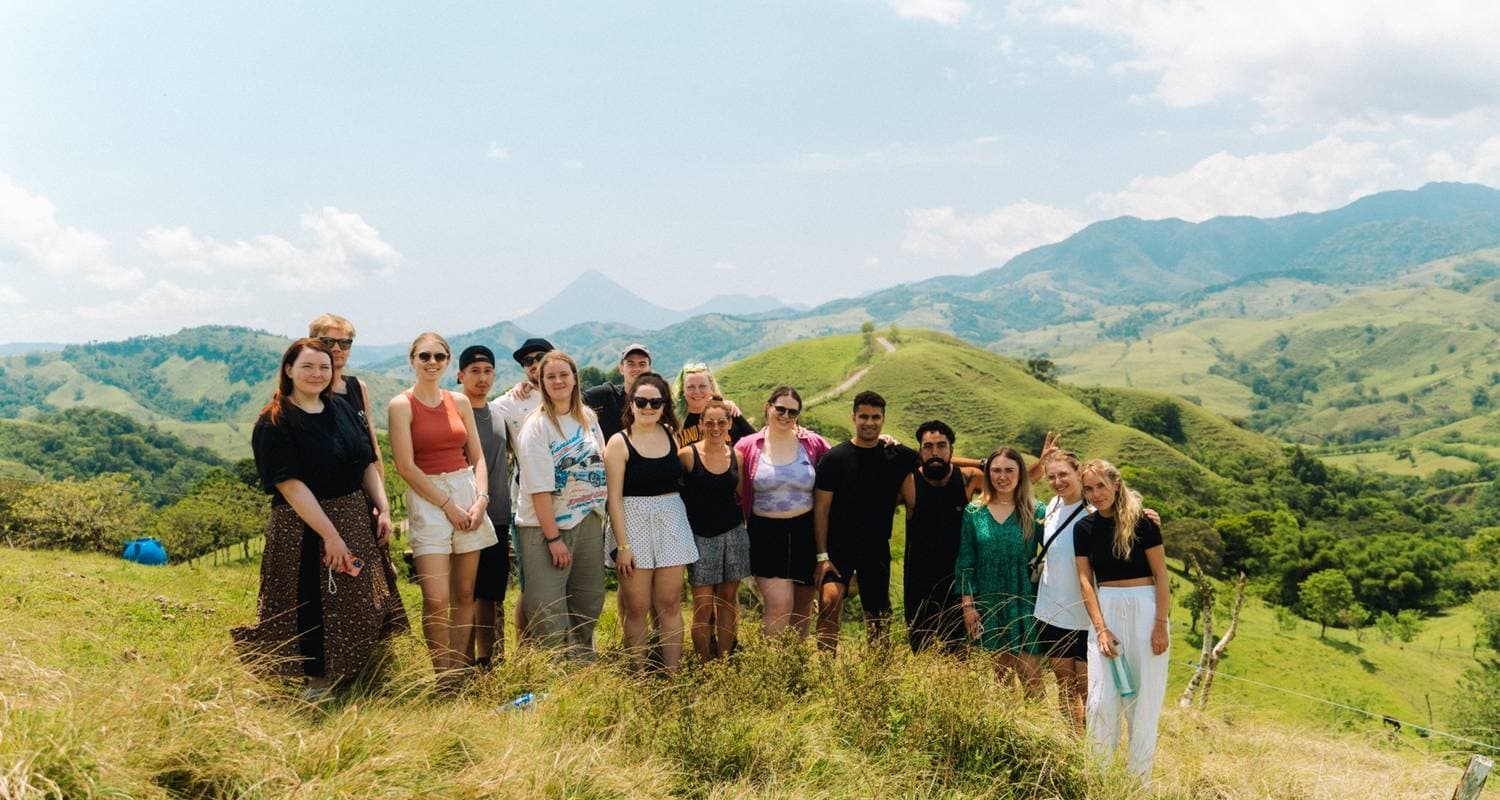
Costa Rica Adventure
10 days · TruTravels
4.8· 575 reviews✓ Instant confirmationtour from €1,610
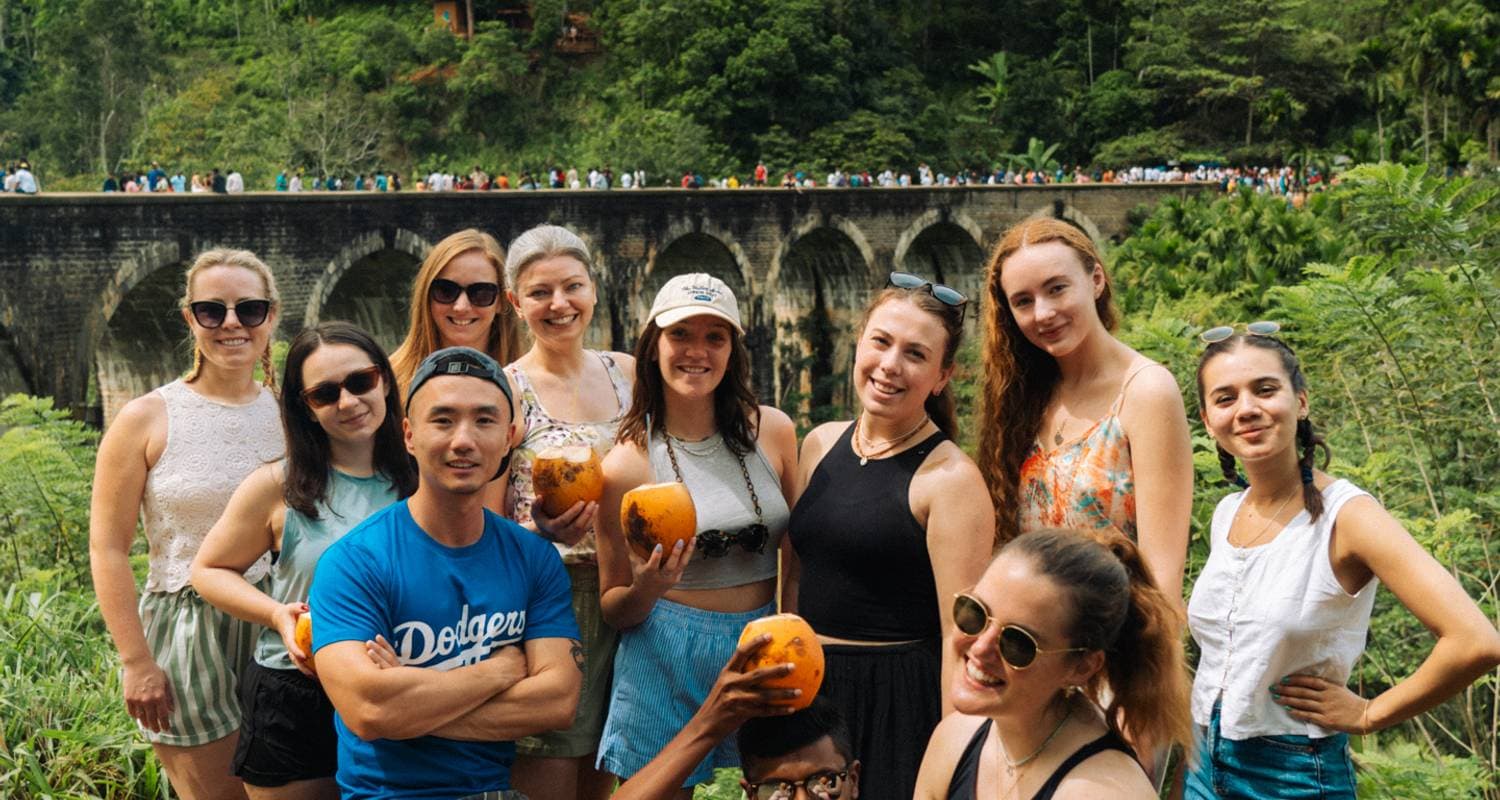
Sri Lanka Uncovered
10 days · TruTravels
4.8· 392 reviews✓ Instant confirmationtour from €1,150
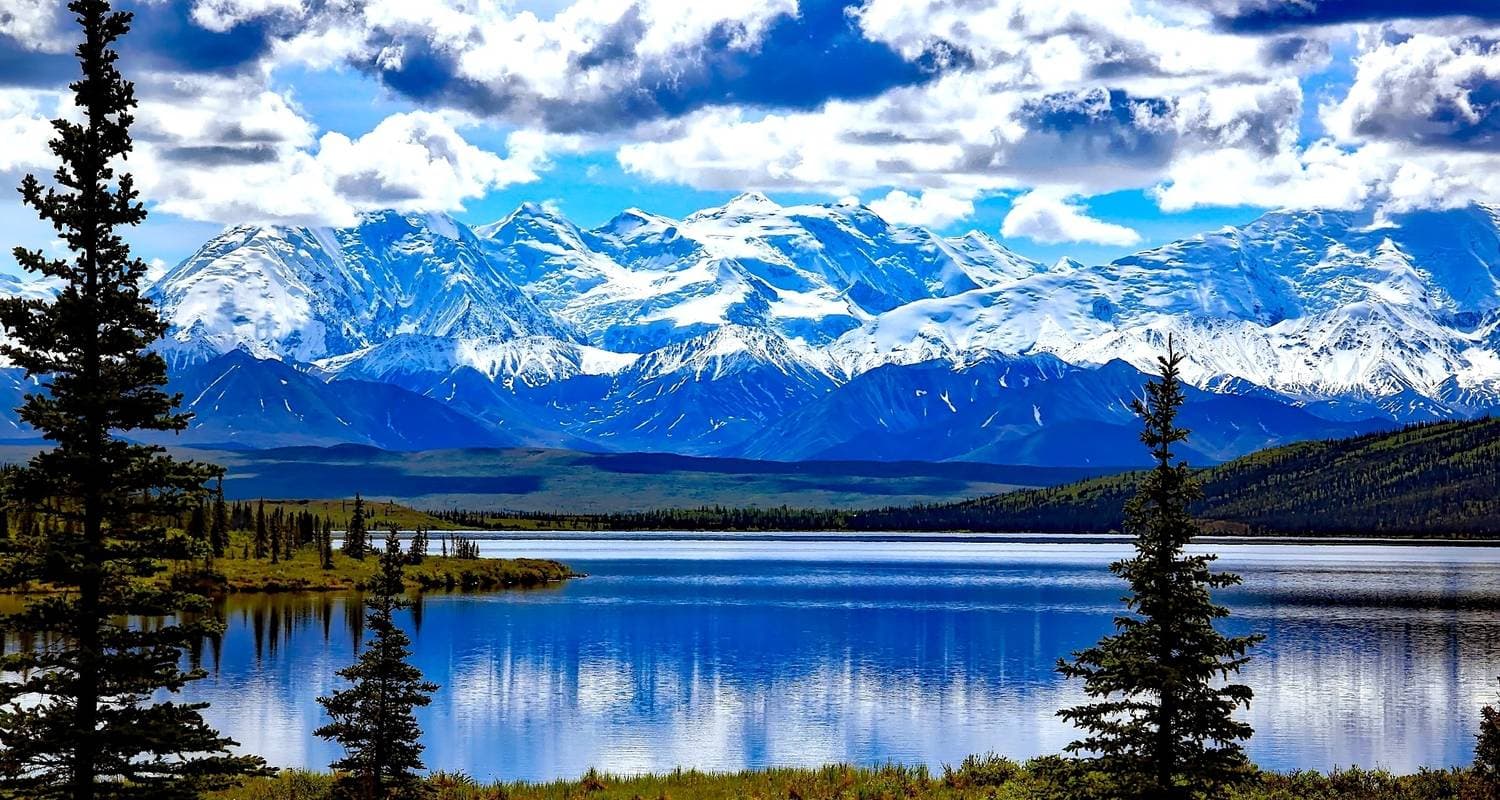
Nature's Best: Alaska
7 days · Globus
5.0· 389 reviews✓ Instant confirmationtour from €4,084
Safari archetypes — East, Southern, Western Africa
Three regions cover almost every safari sold to European travellers, and they are genuinely different trips.
East Africa means Tanzania and Kenya, and the whole thing turns on the wildebeest migration. The Serengeti in Tanzania and the Masai Mara in Kenya are one ecosystem cleaved by a colonial border, and 1.5 million wildebeest move through it on an annual loop. Game density is high all year, and the open savannah photographs beautifully. Expect 4x4 game drives from permanent tented camps, hopping between parks on small bush planes. Tanzania throws in Ngorongoro Crater and Tarangire too.
Southern Africa means South Africa, Botswana and Zambia. The greater Kruger, with private reserves like Sabi Sand, offers the best Big-5 viewing on the continent and the most established luxury lodges. Botswana's Okavango Delta is water-based safari, with mokoro canoe trips and walking safaris alongside the game drives. Chobe, on the Zambezi, is elephant country.
Western safari is really Namibia, and it plays by its own rules. Etosha National Park is a vast salt pan ringed with waterholes; self-drive is common, and fly-drive with a 4x4 is the mid-range choice. Add the Sossusvlei dunes and the Skeleton Coast and you have a landscape-led trip rather than pure game viewing. Less dense wildlife than East or Southern Africa, but far more road-trip freedom.
Budget tier reality — overland, lodge, luxury
Safari prices split cleanly into three tiers, and the gap between them is wider than in almost any other kind of trip.
- Overland tier: from around €1,000 for 7-14 days. Operators like Acacia Africa, Dragoman and Oasis Overland run big-truck expeditions with participation camping, so you help pitch the tents and cook. Usually aimed at travellers in their twenties and early thirties. Honest, sociable, and you cover serious ground. Tanzania to Cape Town in 21 days from around €2,500 is a realistic price.
- Mid-range lodge tier: from around €2,500 for 7-10 days. G Adventures, Intrepid and Exodus live here. Permanent tented camps or mid-range lodges, en-suite bathrooms, daily game drives in shared 4x4s with 6-7 guests aboard. Meals included, guides salaried. This is where most European first-timers land, and rightly so.
- Luxury lodge tier: from around €8,000 for 6 nights. Singita, Londolozi, &Beyond and Wilderness Safaris run the top end. A private vehicle, wine-paired dinners, plunge pools, butler service, and flight transfers between camps. You are paying for exclusivity, guide quality and position; Singita Grumeti in Tanzania or Mombo in the Okavango costs what a small car costs.
The mid-tier is the sweet spot for most travellers. You get nearly all of the wildlife for a fraction of the luxury price, and the animals could not care less how many thread counts are on your sheets.
When to go — migration, dry season, delta peaks
Safari timing is not something to wing. The wrong month can halve what you see. Each region keeps its own rhythm.
Tanzania and Kenya dance to the wildebeest migration, which chases the rains. Calving season runs late January to mid-March on the southern Serengeti plains, with 8,000 calves born a day and the predators in a frenzy. April and May bring the long rains, when camps close or drop their prices and the roads turn tough. The famous Mara River crossings run July through September, with the herds in the Masai Mara from July to October before they loop back south, returning through the central Serengeti around December and January.
Southern Africa is simpler: dry season is prime. May to October means cold nights, warm days, thin vegetation and animals crowding the waterholes. This is when Kruger, Kgalagadi and Zambia's South Luangwa are at their best. November to March is the green season, kinder for birds and photography but harder for spotting cats in thick bush.
Botswana's Okavango Delta is the counter-intuitive one. The water peaks from May to September, months after the rains that feed it, because the flood drifts slowly down from Angola. Dry-land camps have game all year; the water-camp mokoro trips only work during the flood. And Namibia's Etosha is best May to October, when the animals gather at the waterholes.
Operators who do safari well
Safari leans on its operators more than almost any other kind of trip. A great guide and a well-placed camp count for more than the company logo, but the right brand filters for both.
G Adventures runs the biggest range of African trips aimed at European travellers, taking in the Kenya-Tanzania classics, Cape Town to Victoria Falls overlands, and the full Namibia loop. Intrepid's Ranger range is its safari-focused line, with smaller groups capped at 12 and better camps than the standard Basix trips. Exodus Travels covers similar ground for a slightly older crowd, mostly 45-65.
Among the dedicated Africa specialists, Wild Frontiers is strong on Uganda gorillas and East Africa, Asilia Africa runs excellent mid-range tented camps across Kenya and Tanzania, and Natural Habitat Adventures handles the science-led photography trips. At the luxury end, &Beyond and Wilderness Safaris both own and run their own camps, so the experience is joined up end to end rather than brokered. Singita is the option for when budget is simply not a concern.
Book 8-14 months ahead for peak season, July-October in East Africa and May-September in Botswana, because the camps genuinely sell out. Off-peak, you can book 3-4 months out and still take your pick of lodge. And always check whether the operator owns its camps or merely books them: owned-camp operators control the experience, resellers do not.
Flights to Africa — gateways and routings
Africa has a handful of safari gateways, and bush planes handle the rest. Get the international leg right and the internal logistics largely look after themselves.
Nairobi (NBO) is the main Kenya hub, with Kenya Airways, KLM and Qatar Airways flying direct from European capitals. Kilimanjaro (JRO) in Tanzania is the cleanest way into the Serengeti and Ngorongoro, with KLM direct from Amsterdam, Qatar via Doha and Turkish via Istanbul. Dar es Salaam (DAR) is an alternative, but it adds a domestic flight. Return Europe to Nairobi or Kilimanjaro typically costs from around €700 in economy, more in July and August.
Johannesburg (JNB) is the Southern Africa hub, served by Lufthansa, KLM, British Airways, Qatar and Turkish. From there, domestic SA Airlink or FlySafair connect to the Kruger airstrips at Skukuza and Hoedspruit and to Kasane (BBK) for Chobe and the Okavango. Cape Town direct flights are common too if you want to fold the Cape into your safari. Windhoek (WDH) is the Namibia gateway, served by Eurowings Discover, Lufthansa and Ethiopian via Addis, usually from around €800 return.
Multi-city flights earn their keep here. Fly into Nairobi and out of Kilimanjaro, or into Kruger and out of Cape Town, and you skip a wasted day of overland backtracking. Kiwi.com handles the multi-city routing on our bundles.
Ready to price your trip?
Enter your origin airport and month — we'll search live flight and tour prices and give you one bundled total per person.
Find combosCommon questions
What does a 10-day safari with flights actually cost?
For a mid-range lodge safari in Kenya or Tanzania, the most popular European choice, budget from around €4,000 per person all-in. That covers return flights from Europe from around €700, the tour itself from around €2,500 with operators like G Adventures or Intrepid, and another €300-500 for tips, visas, drinks and the odd balloon ride. Overland camping trips come in under €3,000 in total; luxury lodge trips run €10,000 and up. Our bundle page shows the full total in euros before you commit.
Which African country is best for a first safari?
Tanzania if game density is your priority; the Serengeti and Ngorongoro Crater pack more big mammals into fewer days than anywhere else, and the infrastructure is well sorted. South Africa's greater Kruger is the easiest logistically, with direct Johannesburg flights, English everywhere, and excellent mid-range lodges in Sabi Sand. Kenya makes a strong third choice, especially July to October when the migration sweeps into the Masai Mara. Namibia and Botswana come into their own as second safaris, once you know what you love.
Serengeti or Masai Mara — which one?
Same ecosystem, same animals, different experience. The Serengeti is larger and quieter, and the Tanzanian operators tend to run smaller lodges spread across a 15,000 sq km park. The Masai Mara gets busier with vehicles at peak times but is far easier to reach, a 4-hour drive or 45-minute flight from Nairobi, and the river crossings from July to September are something else. If you have 7 days, take the Mara. If you have 10-14, the Serengeti-plus-Ngorongoro pairing is the stronger play.
Lodge safari or camping — what is the difference?
Lodges and permanent tented camps are fixed setups: en-suite bathrooms, hot showers, a full bar, a chef, and 6-20 rooms. Camping on overland trips means pitching your own dome tent at designated sites, sharing bush-kitchen meals, and making do with basic shared washblocks. The wildlife is identical either way; the animals neither know nor care whether you sleep under canvas or a thatched roof. Lodge safaris run from around €2,500 for a week, while overland camping starts from around €1,000. Mobile luxury camps split the difference, with canvas walls, real beds and proper plumbing.
Can I do a safari with kids?
Yes, with a few caveats. Most Big-5 camps set a minimum age of 6 or 8 for game drives, because a child crying in an open 4x4 with predators nearby is a genuine safety issue. Family-specific lodges, like Intrepid's Family range, &Beyond's family suites and some Sabi Sand camps, run shorter child-friendly drives, pool time and junior ranger programmes. Malaria risk rules out some areas for young children; the malaria-free reserves include Madikwe, Welgevonden and Shamwari in South Africa. Budget more, not less, for a family safari, because a private vehicle really is worth it.
Do I need malaria tablets for safari?
For most safari zones, yes. Kenya, Tanzania, the Okavango, Chobe, Zambia and the low-veld of South Africa, including most of Kruger, are all malaria areas. Malarone (atovaquone-proguanil) is the most common safari prescription, taken 1-2 days before arrival and 7 days after departure, with mild side effects for most travellers. Doxycycline is cheaper but brings on sun sensitivity. Cape Town, Namibia's Etosha and the malaria-free reserves in north-east South Africa need no prophylaxis at all. Have a word with a travel GP 4-6 weeks before you leave.
Related destinations
- South Africa Multi-Day Tours with Flights from €1,100Kruger and the Big Five, Cape Town under Table Mountain, the…
- Egypt Multi-Day Tours with Flights from €1,300Sail the Nile, stand at the pyramids, sleep out under the Wh…
- Morocco Multi-Day Tours with Flights from €700Nights in the Merzouga dunes, mornings lost in the Fes medin…
Related tour styles
Pick by trip length
Plan this trip from your city
- Multi-Day Tours from London with Flights IncludedBuilt for London travellers: LHR for long-haul, LGW for Euro…
- Multi-Day Tours from New York with Flights IncludedMulti-day tours from New York with flights included — one US…
- Multi-Day Tours from Toronto with Flights IncludedPearson is Canada's biggest long-haul hub, and with a weak l…
- Multi-Day Tours from Sydney with Flights IncludedLeaving Australia means a long-haul flight whether you like …
- Multi-Day Tours from Los Angeles with Flights IncludedPackage tours from Los Angeles with flights included — one U…
Deeper reading
- How to Choose a Guided Tour: A Practical Buyer's GuideWhat to ask before you book. Group size, pace, inclusions, o…
- The Best Time to Visit South Africa (Month-by-Month, 2026)Two opposite windows. May to September for the safari, Novem…
- Is TourRadar Legit? What Actually Happens After You BookShort answer: yes. Longer answer: it's a marketplace, your t…