
The Best Time to Visit Vietnam (Month-by-Month, 2026)
Late October to April is the window, but the north/south monsoon split matters. One month does not fit the whole country.
By Adam, founding editor · Updated 18 June 2026
- ✓Feb-Apr the only window that works across all three zones
- ✓March is the single strongest month for the full-country tour
- ✓Avoid Hoi An in October — flooding is routine
- ✓Tết 2026: 17 February — most operators pause Feb 14-22
- ✓Halong Bay visibility peaks Feb-April, worst Dec-Jan
- ✓Shoulder flights from Europe drop to €550-750 return
The best time to visit Vietnam is February to April, and that is the only window that genuinely works across all three climate zones. Hanoi has shaken off its cold-damp winter, Hoi An and the central coast are past typhoon season, and the Mekong and Saigon are firmly in their dry months. The catch: Vietnam is long and narrow, and the weather in Hanoi tells you nothing about the weather in Saigon on the same day. So we have gone month by month, with the real temperatures for Hanoi, Hoi An and Saigon, the rainfall, where tour prices sit through peak, normal and shoulder season, plus Tết 2026 logistics and the moment European and US fares quietly soften. If your dates are locked in, we will tell you exactly which regions to cut.
The Vietnam tours worth timing right
Prices are tour-only — add flights for the real total. You book the tour itself on TourRadar.

Vietnam Intro 12 Day
12 days · INTRO Travel
4.8· 1,863 reviews✓ Instant confirmationtour from €1,540
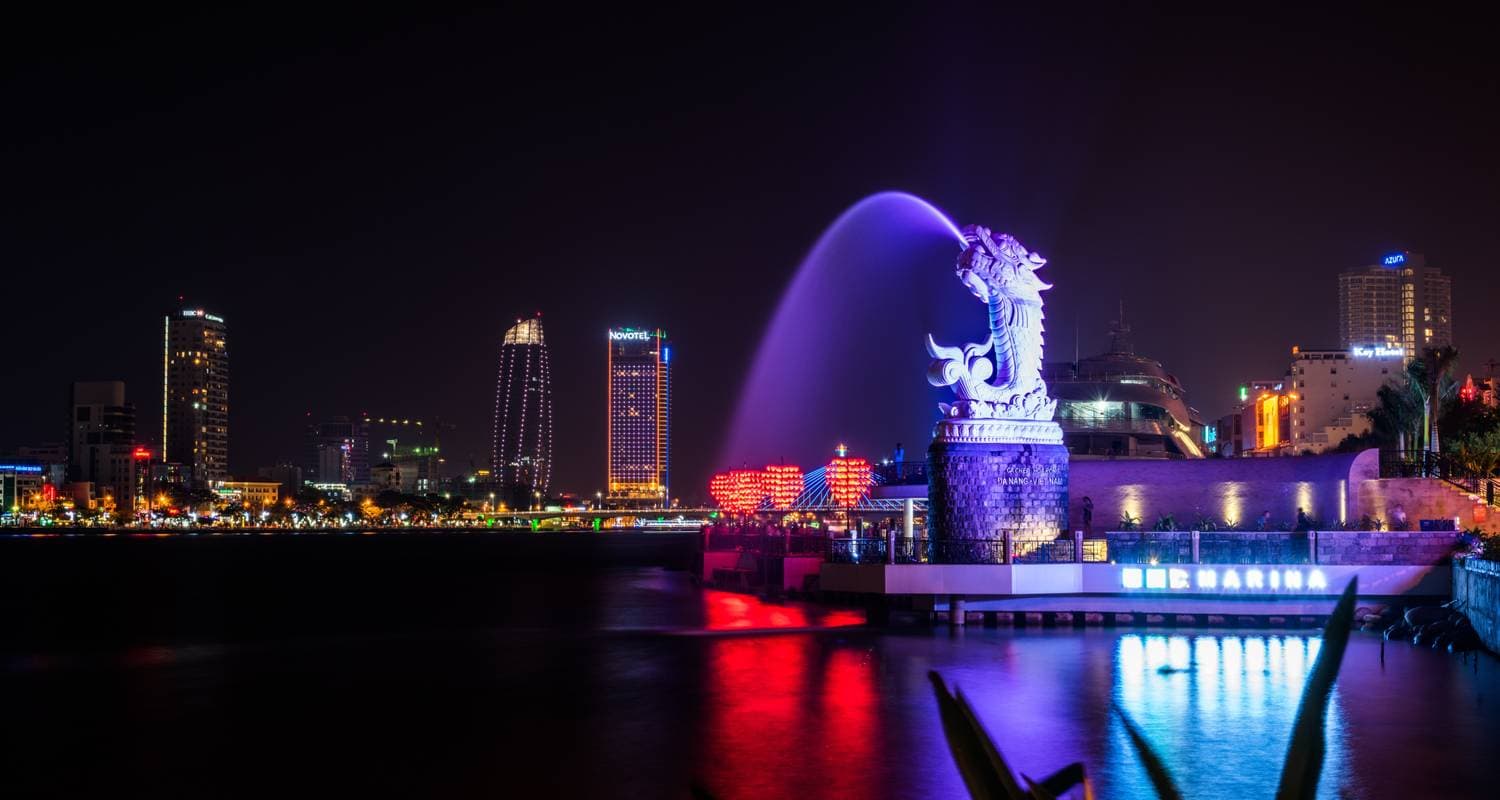
Essential Vietnam & Cambodia
17 days · G Adventures
4.9· 575 reviews✓ Instant confirmationtour from €2,345

Vietnam Intro 9 Day
9 days · INTRO Travel
4.8· 395 reviews✓ Instant confirmationtour from €1,154
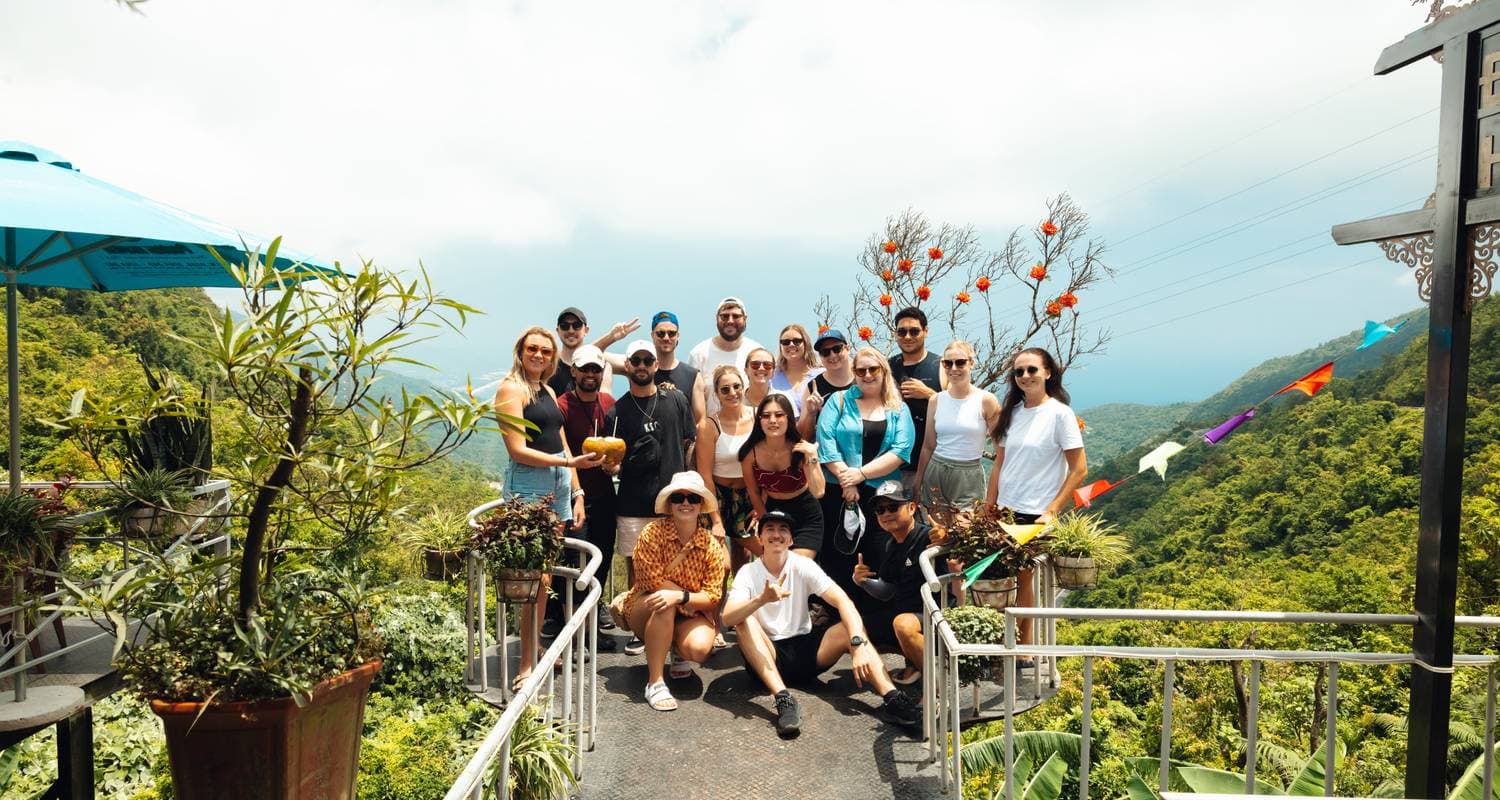
Vietnam Classic 12 Day - One Life Adventures
12 days · One Life Adventures
4.8· 360 reviews✓ Instant confirmationtour from €1,605
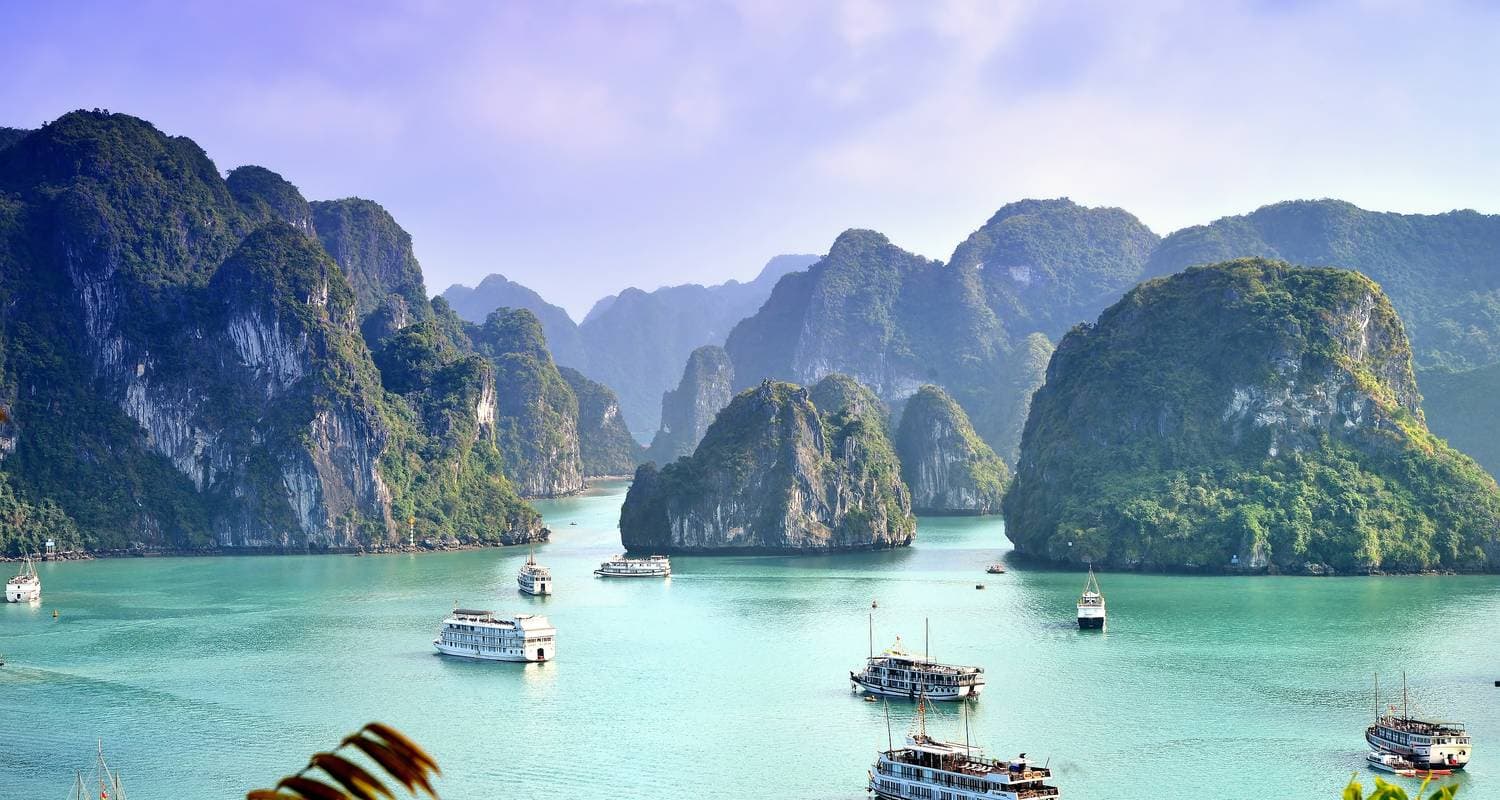
Vietnam Express Southbound
10 days · Intrepid Travel
4.8· 303 reviews✓ Instant confirmationtour from €1,371
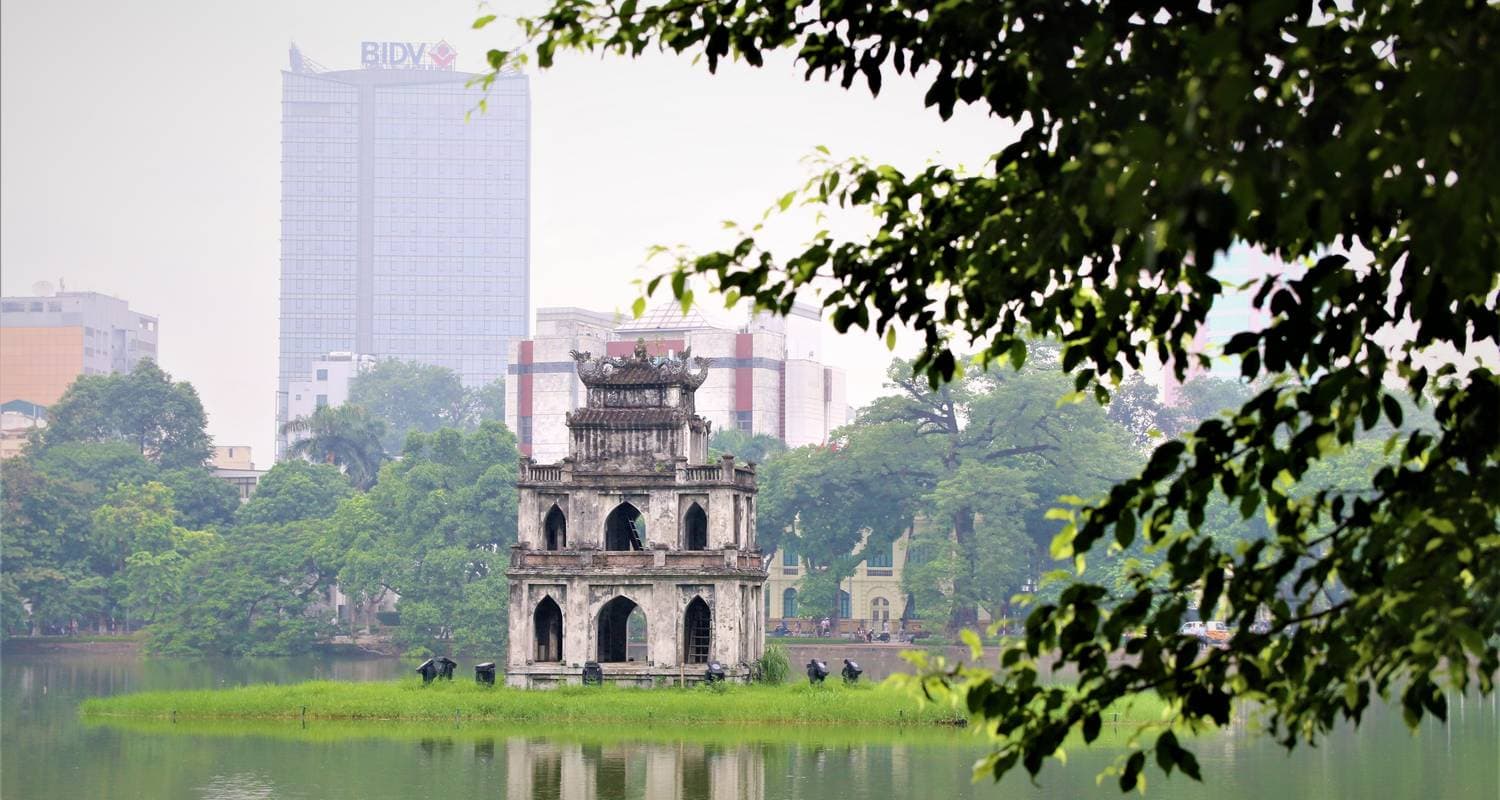
Classic Vietnam: Hanoi to Ho Chi Minh City
10 days · G Adventures
4.9· 228 reviews✓ Instant confirmationtour from €1,177
Why Vietnam has three weather zones, not one
Vietnam stretches roughly 1,650 km from the Chinese border to the Mekong Delta. That is more north-south distance than London to Naples. Treating it as one climate is the single biggest planning mistake travellers make.
The North (Hanoi, Halong Bay, Sapa, Ninh Binh) has four real seasons. December to February is cold: Hanoi highs sit at 17-20°C, Sapa can drop below 5°C, and Halong Bay often has grey misty days that kill the photography. March to May is mild and pleasant. June to August is hot and humid with 32-35°C days and afternoon thunderstorms. September to November is the autumn sweet spot.
The Centre (Hue, Hoi An, Da Nang, Phong Nha) is the trickiest. Dry from February to August with building heat, then typhoon season September to November. October is often the wettest month of the year here, with Hoi An flooding regularly. December and January are cool, occasionally wet, swimmable but not beach weather.
The South (Ho Chi Minh City, Mekong Delta, Phu Quoc, Con Dao) has two seasons only: wet (May to October) and dry (November to April). Temperatures stay 27-33°C year-round. Wet season means short intense afternoon downpours, not all-day rain, and travel still works — but Phu Quoc beach days are compromised.
These three zones peak at different times. There is no universal 'best month'.
Month by month: what Vietnam actually looks like
January: Hanoi 17-20°C (cold, often grey), Hoi An 22-25°C (cool, occasional showers), Saigon 30-32°C (peak dry). Peak season pricing in the south and on Halong Bay. Tết looms late in the month.
February: Hanoi 18-22°C warming up, Hoi An 23-26°C dry, Saigon 32-34°C dry. Tết hits mid-February 2026 — avoid the week around it. Post-Tết prices normal. Strong pick.
March: Hanoi 21-25°C, Hoi An 26-29°C, Saigon 33-35°C. Best all-country month. Normal pricing. Crowds manageable. Halong Bay visibility at its peak.
April: Hanoi 24-28°C, Hoi An 28-31°C, Saigon 34-36°C (hottest month in the south). Still an excellent window. Reunification Day (Apr 30) brings domestic travel surge.
May: Hanoi 28-32°C humid, Hoi An 30-33°C, Saigon 32-34°C with wet season starting. Shoulder pricing begins.
June-August: Hanoi 32-35°C humid with storms, Hoi An 32-35°C hot and dry, Saigon 30-32°C wet afternoons. Summer European holiday premium on beaches. Low season rates inland.
September: typhoon risk starts central coast. Hanoi 28-31°C cooling. Shoulder month.
October: worst month for Hoi An — flooding common. Hanoi 25-28°C lovely. Saigon still wet. Split-country month.
November: Hanoi 22-25°C autumn crisp, Hoi An 24-27°C wet tailing off, Saigon 30-32°C drying out. Recovery month.
December: Hanoi 17-20°C cold, Hoi An 22-25°C mild, Saigon 30-32°C peak dry. Christmas/New Year premium on Halong cruises and Phu Quoc (30-45% uplift).
Best time for the full Hanoi to Saigon classic tour
The classic Vietnam tour runs Hanoi — Halong Bay — Hue — Hoi An — Saigon, usually with the Mekong Delta tacked on. Twelve to fifteen days on average. This is the itinerary sold by Intrepid, G Adventures, Exodus, On The Go and most Vietnam specialists.
The honest answer: February to April is the only window that works everywhere. Outside that range you are accepting a compromise in at least one region.
March is the single best month. Halong Bay visibility is at its annual peak (the winter mist has burned off), Hoi An is dry and the Japanese Bridge is not underwater, Saigon is firmly in dry season, and the Mekong Delta is easy-going with low water levels. Tour prices sit in normal band. Flight prices from Europe and North America have come off the Christmas peak.
February works beautifully after Tết finishes. Do not book a full-country tour that intersects Tết week (roughly Feb 14-22 in 2026) — domestic transport is chaotic, small museums and family-run restaurants close, and operator guides are on leave.
April is strong but hot in the south by month end. Early April is effectively identical to March.
May to October: northern cities are fine, but Hoi An is either hot then typhoon-flooded, or straight-up flooded in October. Consider cutting the centre and doing a Hanoi-Halong-Sapa plus Saigon-Mekong split instead.
November to January works for north and south separately but central coast is a gamble.
North-only or south-only if your dates are fixed
Plenty of travellers have non-negotiable dates — summer school break, time off over Christmas, a wedding anywhere. Cutting regions is almost always smarter than forcing a full-country tour into the wrong month.
Dates locked June-August: go north-only. Hanoi, Halong Bay, Sapa, Ninh Binh, Mai Chau. Accept 33°C and humidity but no typhoon risk. Sapa's rice terraces are emerald green and at their most photogenic July-September. Halong Bay is warm enough for kayaking and swimming. Skip the central coast entirely — do not try to squeeze Hoi An into this window.
Dates locked September-November: go south-only for most of the window, or Hanoi plus Sapa in November. Mekong Delta is lush and the dry season is arriving in the south. Phu Quoc works from mid-November. Do not route through Hoi An in October.
Dates locked December-January: go south-only or do Hanoi briefly plus Saigon and the Mekong. Halong Bay in December/January is misty 60% of the time — you might get a magical clear cold day or three grey ones. Set expectations. Saigon, Mekong Delta and Phu Quoc are at their best.
Dates locked May: borderline everywhere but the full country still works if you accept rising heat. One of the quietest tourist months.
The decision tree: if your window includes typhoon season in the centre (Sep-Nov), always cut the centre. If your window is hot-summer, cut nothing — the centre is dry then, just hot.
Tết 2026 — why most operators pause
Tết Nguyên Đán, Vietnamese Lunar New Year, falls on 17 February 2026. The public holiday runs roughly 14-22 February, but the practical impact stretches from about 10 February to 25 February.
What happens: the country essentially stops for family reunions. Domestic flights, trains and long-distance buses book out months ahead and prices double or triple. Hanoi and Saigon empty out as urban workers return to home villages. Small shops, family restaurants, independent museums and many tour-guide-owned operators close for 5-10 days. Major sites (Ha Long Bay cruises, Cu Chi Tunnels, Imperial City Hue) stay open but operate skeleton crews.
Tour pricing around Tết is bimodal. The week immediately before (Feb 10-16) is a premium domestic-travel period — international tour prices rise 20-35%. The week of Tết itself (Feb 17-22) sees many operators simply not running departures. The week after Tết (Feb 23 onward) is the single best-value time in Vietnam: tourist numbers are low, prices normalise, weather is excellent and domestic life is back to full swing.
Should you travel during Tết? If you want to see the fireworks in Hanoi and the peach-blossom markets, yes — but book everything 4-6 months ahead and accept inflated prices. If you want a standard Vietnam tour experience, arrive 23 February or later, or go before 10 February.
Most operators on Multiday.tours skip departures Feb 14-22 entirely and resume Feb 23-25.
Flights: when European and US carriers drop Vietnam fares
Vietnam flight pricing from Europe and North America follows predictable seasonal patterns. Knowing them saves 25-40% on the biggest single line item in your trip budget.
From Europe: the main carriers are Qatar Airways (via Doha), Emirates (via Dubai), Turkish Airlines (via Istanbul), Vietnam Airlines (direct from London, Paris, Frankfurt), and Air France direct to Saigon. Peak fare windows are mid-December to early January (Christmas) and mid-July to mid-August (summer holidays). Typical economy returns peak at €900-1,300. The sweet spots are late February to late April and late September to early November — fares routinely drop to €550-750 return, 25-35% below peak. Book 10-14 weeks out for best prices in shoulder seasons.
From North America: ANA (via Tokyo), JAL (via Tokyo), Korean Air (via Seoul), EVA Air (via Taipei) and Cathay Pacific (via Hong Kong) dominate. United and Delta's West Coast routes via Asia-hub partners are competitive. Peak fares run late June to mid-August and Christmas/New Year, $1,400-1,900 economy return. Shoulder sweet spots are March-April and October-November at $900-1,150 — roughly 35-40% off peak. East Coast fares sit $150-250 higher than West Coast throughout the year.
From Australia: Vietnam is closer and cheaper than from Europe or North America. Vietnam Airlines, Qantas, Jetstar and the Gulf and Asian carriers run direct and one-stop services from Sydney, Melbourne and Brisbane — expect roughly A$1,500-2,200 at peak and A$900-1,400 in the March-April and October-November shoulders. Whatever your origin, Multiday.tours prices the flight live from your own airport in your own currency.
Practical tip: pair shoulder flight pricing (March or early November) with the regional weather guide above. March is the only month where flights AND all three Vietnam climate zones align in your favour. It is not a coincidence that is when specialist operators run their biggest departure volume.
Ready to price your trip?
Enter your origin airport and month — we'll search live flight and tour prices and give you one bundled total per person.
Find combosFAQs
Is Vietnam rainy in June?
In the south yes, in the centre no, in the north it depends on the day. Saigon and the Mekong get short sharp afternoon downpours in June — usually 45-90 minutes, often sunny either side. Hoi An and Da Nang are dry and hot (32-35°C) in June, making it a genuinely good time for the central coast. Hanoi sees humid 33°C days with occasional thunderstorms. A June trip absolutely works, you just plan outdoor activities for mornings.
What is the coldest month in Vietnam?
January in the north. Hanoi sits at 17-20°C daytime and 12-15°C overnight, often grey and damp rather than crisp. Sapa regularly drops below 5°C and occasionally sees light snow on the upper slopes. Halong Bay has misty low-visibility days 50-60% of January. The central coast (Hue, Hoi An) is mild at 22-25°C. The south is unaffected — Saigon stays 30-32°C year-round. Pack a proper warm layer if your January itinerary includes the north.
When is Tết 2026 and should I travel around it?
Tết Nguyên Đán falls on 17 February 2026. The public holiday runs roughly 14-22 February. Domestic transport is chaotic, small businesses close for 5-10 days, and most specialist operators pause Vietnam tour departures Feb 14-22. Travel the week after (from 23 February) for the single best combination of good weather, low crowds and normal pricing. Avoid departures that intersect the Tết week itself unless you specifically want the festival atmosphere and you booked 4-6 months out.
What is the best month for Halong Bay?
March. Winter mist has burned off, visibility is at annual peak, temperatures are a pleasant 22-26°C, seas are calm and photography is excellent. April is a close second, slightly warmer with swimmable water. October and November are good alternatives if you want autumn light. Avoid December and January if photography matters — grey misty days that kill the iconic karst-landscape views happen on more than half of winter mornings. July-August are warm and swimmable but prone to afternoon storms.
Can I swim at Halong Bay in winter?
Not comfortably. Water temperatures drop to 18-20°C in December-February and air temperatures on deck are 15-20°C with wind off the water. Kayaking is fine with a windbreaker layer, but swimming is a quick dip rather than a relaxed activity. Overnight cruises still run and remain magical on clear days, but pack warm layers for the open deck and set expectations. If swimming and beach time matter, do Halong in March-May or September-November, or substitute Phu Quoc in the south.
What should I pack for a February to April Vietnam trip?
Layers, because your itinerary crosses climate zones. For the north in February pack a light down jacket or fleece, long trousers and a windproof layer for Halong Bay deck evenings. By April the north needs only light long sleeves. For the centre and south pack standard tropical kit: breathable shirts, shorts, sandals, sun hat, high-SPF sunscreen. Always include a compact rain shell (passing showers happen even in dry months), quick-dry trekking shoes for Sapa or Ninh Binh, and modest clothing for temple visits (shoulders and knees covered).
Watching a trip?
Once a month: where all-in prices actually dropped, from your airport. No spam, unsubscribe anytime.
Related destinations
- Vietnam Multi-Day Tours with Flights from €650Sail Halong Bay, drift through Hoi An by lantern-light, wake…
- Thailand Multi-Day Tours with Flights from €1,050Bangkok temples, Chiang Mai elephants, Krabi limestone karst…
- Cambodia Multi-Day Tours with Flights from €730Sunrise over Angkor Wat, the weight of Phnom Penh's history …
Related tour styles
- Small Group Tours with Flights IncludedShared departures of 10-16 travellers. Expert guides, fixed …
- Adventure Tours with Flights IncludedTrek, cycle, paddle and climb on guided multi-day trips. Rea…
- Food and Wine Tours with Flights IncludedMulti-day culinary tours with small groups, winery visits an…
Pick by trip length
Plan this trip from your city
- Multi-Day Tours from London with Flights IncludedBuilt for London travellers: LHR for long-haul, LGW for Euro…
- Multi-Day Tours from New York with Flights IncludedMulti-day tours from New York with flights included — one US…
- Multi-Day Tours from Los Angeles with Flights IncludedPackage tours from Los Angeles with flights included — one U…
- Multi-Day Tours from Sydney with Flights IncludedLeaving Australia means a long-haul flight whether you like …
- Multi-Day Tours from Toronto with Flights IncludedPearson is Canada's biggest long-haul hub, and with a weak l…