
The Best Time to Visit India (Month-by-Month, 2026)
Most of India is October-March. Kerala breaks the rule. Himalayas break it again.
By Adam, founding editor · Updated 18 June 2026
- ✓Best North months: November, February, early March
- ✓Best Kerala months: mid-November to mid-March
- ✓Himalayas only: mid-June to mid-September
- ✓Diwali 2026: Sunday 8 November
- ✓Holi 2026: Wednesday 4 March
- ✓Avoid North April-June (40-46°C)
For weather, India is not one country, it is three. The North (Delhi, Agra, Jaipur, Varanasi) is comfortable October to March and brutal April to June, with the monsoon rolling through July-September. Kerala and the southern coast run almost the opposite calendar: dry and pricey October-March, soaked and glorious June-September. The Himalayas (Leh, Ladakh, Spiti, parts of Sikkim) only open up properly June-September, when the passes are clear of snow. Below, we lay out month-by-month day temperatures for five real cities, tour-price bands, crowd levels and the 2026 festival dates. If you already know which India you are after, Golden Triangle, Kerala backwaters or the high mountains, the choice falls into place fast. Still deciding? The sections below will narrow it down for you.
The India tours worth timing right
Prices are tour-only — add flights for the real total. You book the tour itself on TourRadar.
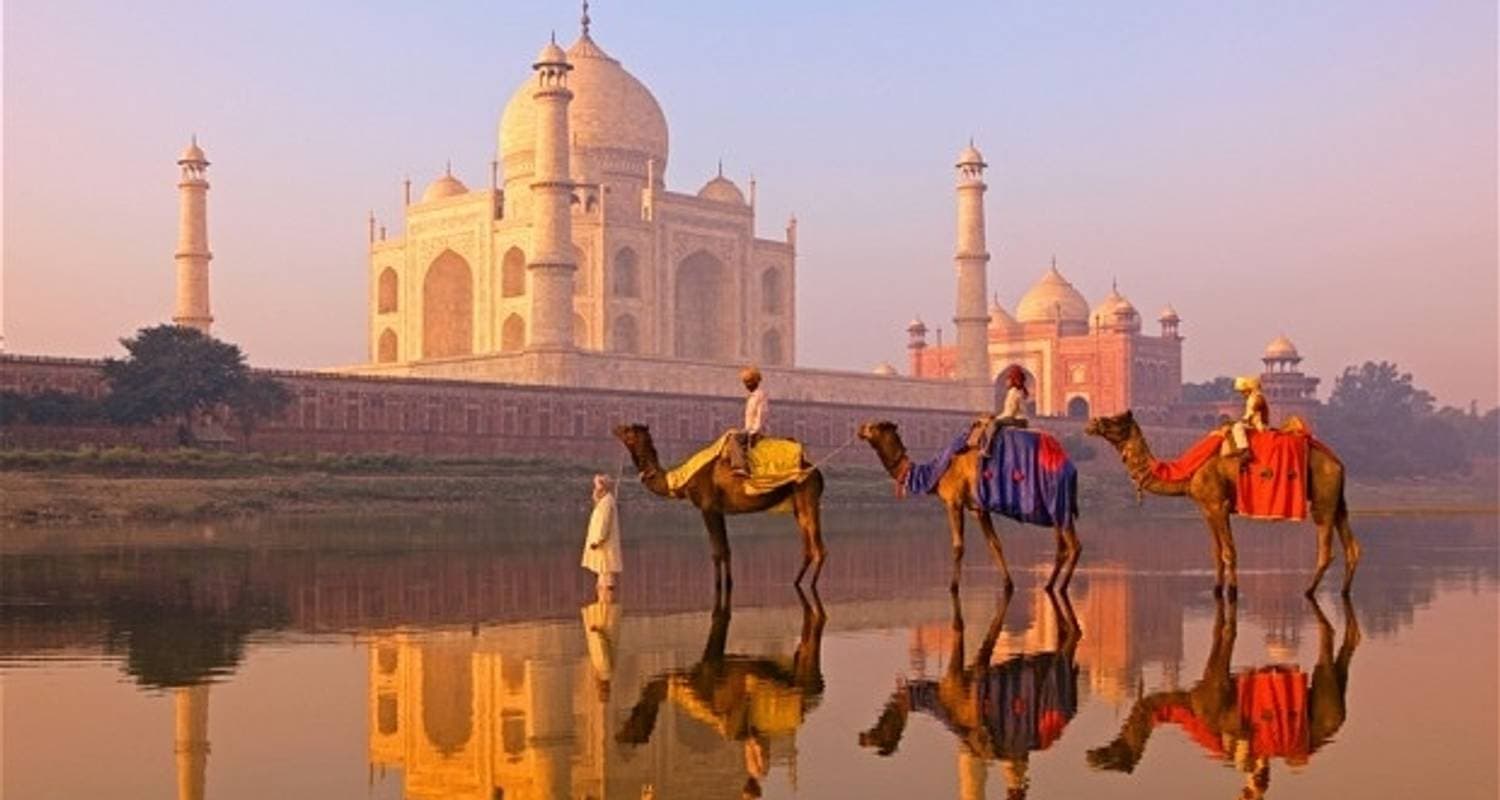
Taj Mahal and Wildlife with Royal Stay at Castles
11 days · Swastik India Journeys
4.8· 585 reviews✓ Instant confirmationtour from €1,306
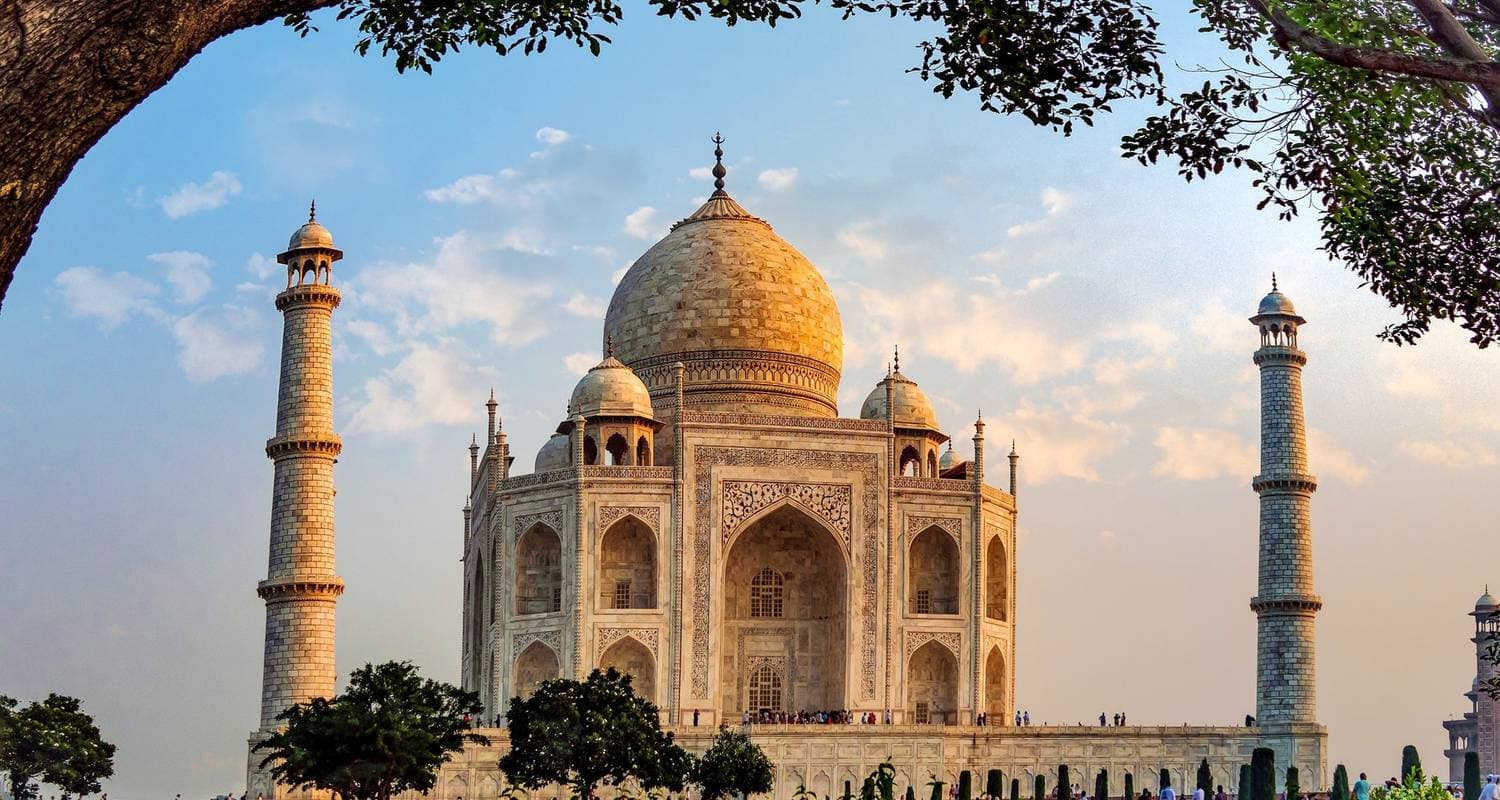
India's Top Selling Golden Triangle India Tour w/ Meals and Sunrise Taj Mahal
5 days · Swastik India Journeys
4.7· 421 reviews✓ Instant confirmationtour from €377
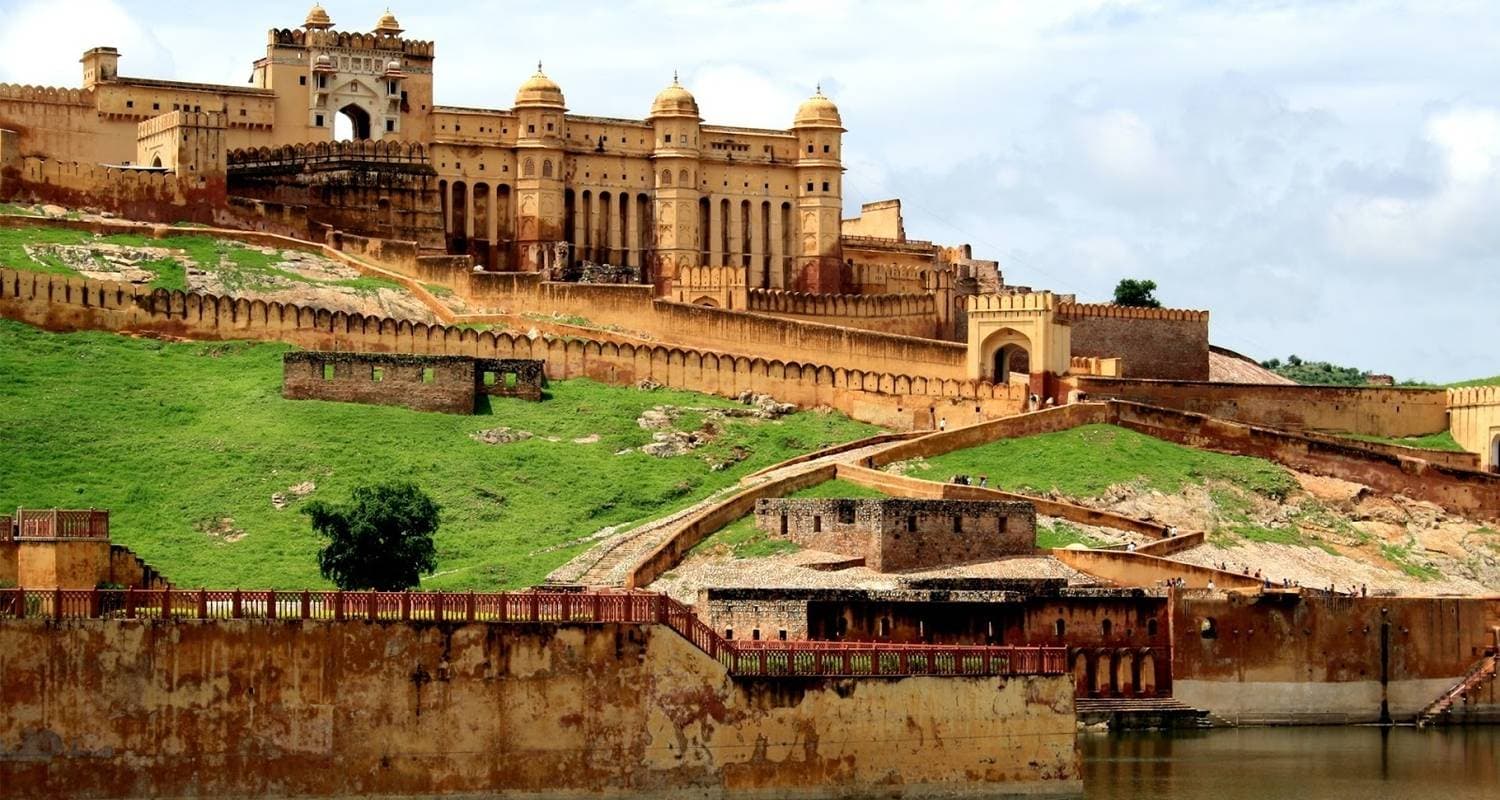
India's Bestseller - 5 Day Golden Triangle - Delhi, Agra & Jaipur (Guaranteed Departure)
5 days · K K Holidays N Vacations
4.8· 362 reviews✓ Instant confirmationtour from €828
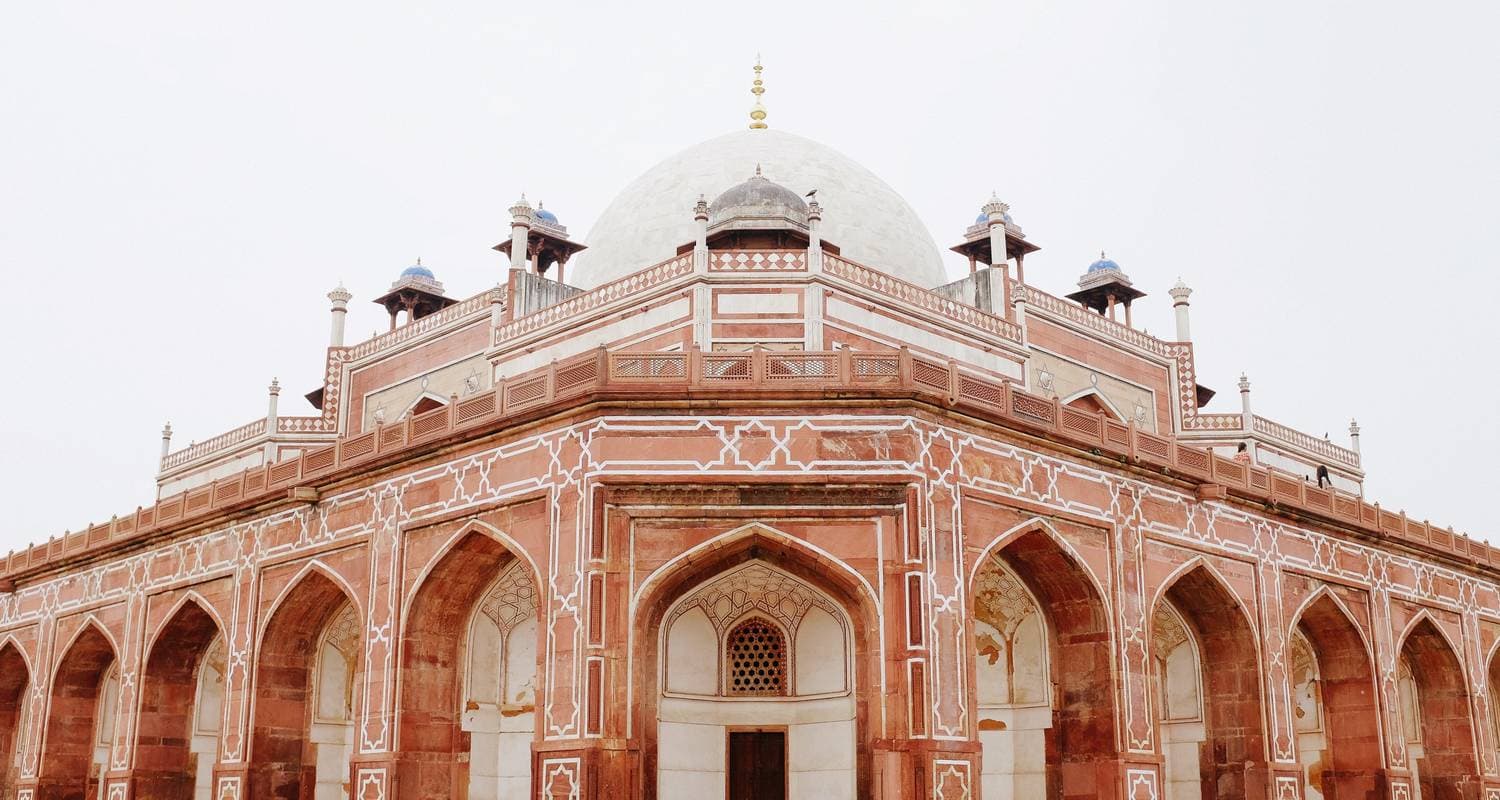
Golden Triangle Tour - 3 Days
3 days · Taj Destination Tours
4.8· 318 reviews✓ Instant confirmationtour from €202
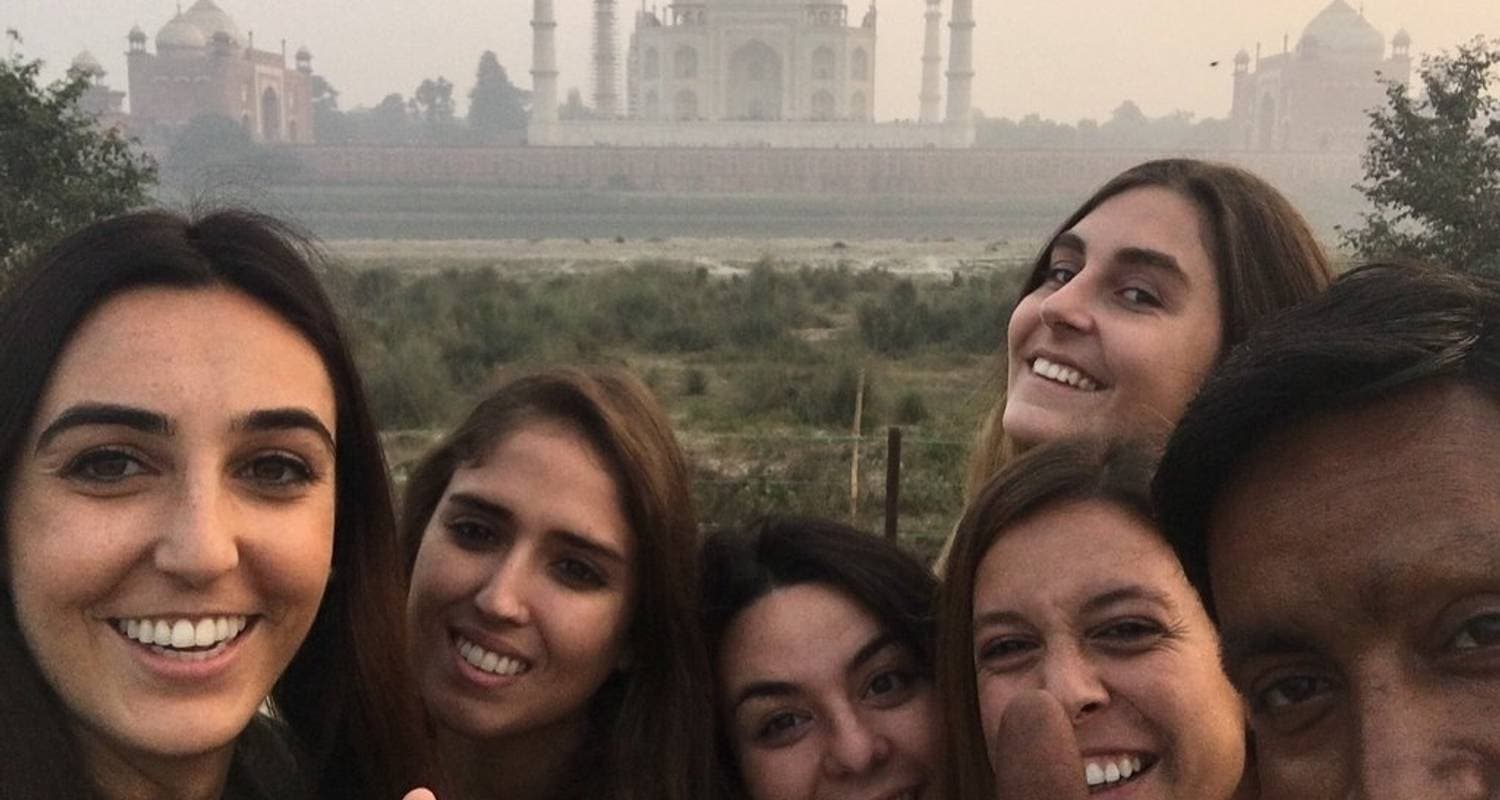
Luxury 3 Day Golden Triangle With 5 star Hotel
3 days · Taj Destination Tours
4.8· 318 reviews✓ Instant confirmationtour from €322
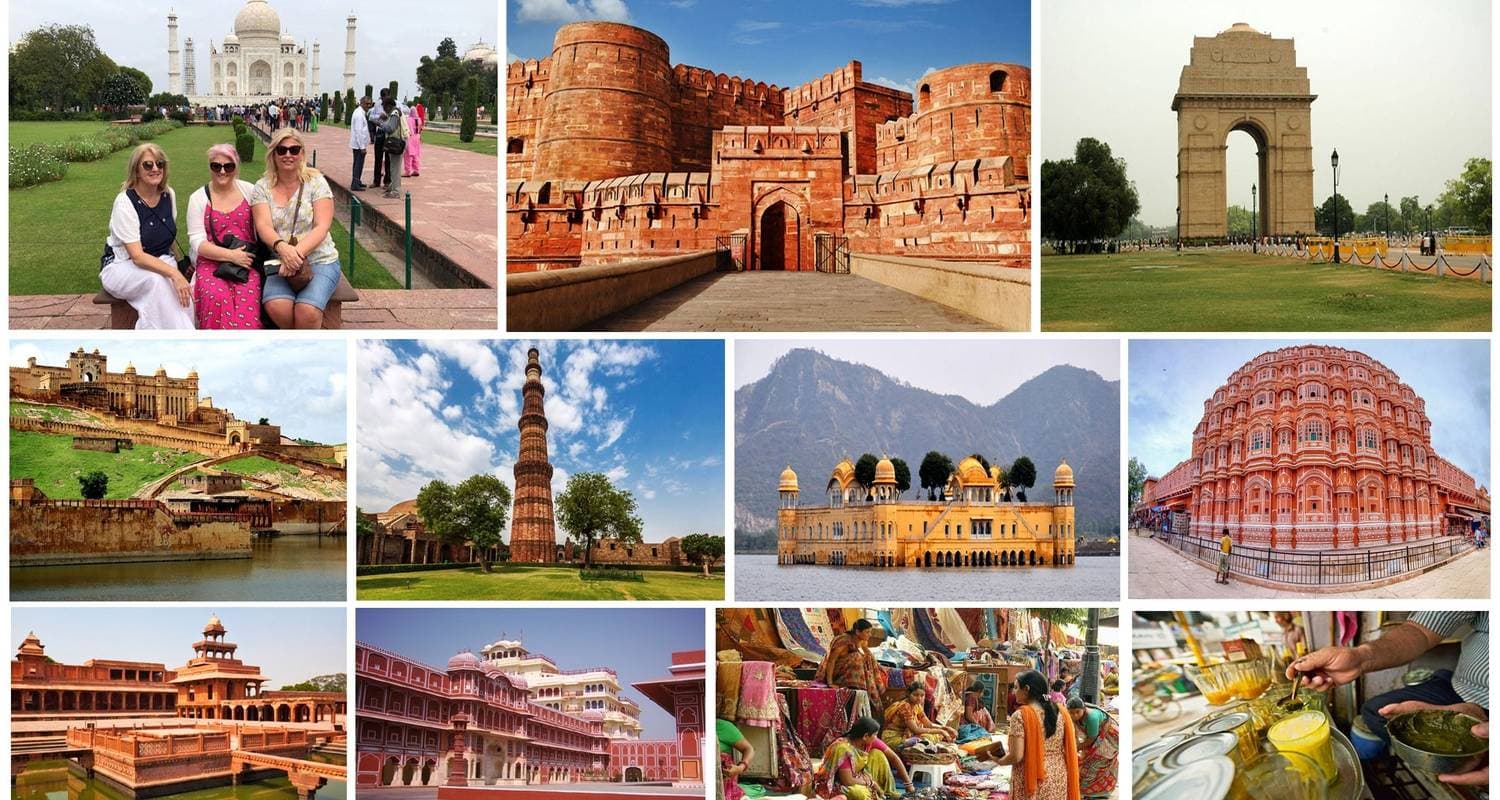
Golden Triangle Tour 3 Days & 2 Nights
3 days · ITS holidays
5.0· 246 reviews✓ Instant confirmationtour from €184
Three weather patterns, not one country
India has three distinct travel climates and they do not overlap neatly. Treat them as separate trip decisions.
North and central plains (Delhi, Agra, Jaipur, Varanasi, Rajasthan, Madhya Pradesh): dry and cool October to March, with 20-28°C day highs and cold nights December-January. April to June is brutal — daytime 40-46°C with Delhi and interior Rajasthan regularly hitting 45°C+. July to September is monsoon, 28-35°C with heavy afternoon rain and high humidity. October is the clean-up month when dust settles and skies clear.
South coast and Kerala (Kochi, Varkala, Alleppey, Goa): tropical with two monsoons. The southwest monsoon hits Kerala first, around 1 June, and delivers heavy rain through September. A shorter northeast monsoon affects the Tamil Nadu side in October-November. Dry season is December-March with 28-32°C days and low humidity. Sea water is warm year-round.
Himalayas and Ladakh (Leh, Nubra, Spiti, upper Sikkim, Himachal high valleys): only properly accessible mid-June to mid-September. Passes like Khardung La and Rohtang stay closed by snow October-May. Summer day highs are 20-25°C in Leh with cold nights. Attempting these regions outside the window means road closures, altitude-plus-cold medical risk and most guesthouses shut.
Pick the India you want first. The calendar follows from there.
Month by month across five cities
January: Delhi 6-20°C with morning fog, Agra similar (Taj Mahal sometimes invisible until 10am), Kochi 23-32°C sunny, Leh closed at -2 to -12°C, Varanasi 8-22°C and misty. Tour prices at peak. Crowds heavy at Golden Triangle sites.
February: Delhi 10-24°C, Agra 10-26°C, Kochi 24-33°C, Leh closed, Varanasi 12-26°C. Best all-round North month. Prices stay at peak. Holi builds toward early March.
March: Delhi 16-32°C, Agra 18-34°C, Kochi 25-34°C, Leh starting to thaw, Varanasi 18-32°C. Holi around 4 March 2026. Prices ease late month.
April: Delhi 22-38°C, Agra 24-40°C, Kochi 26-34°C humid, Leh partially opening late month, Varanasi 22-38°C. North getting uncomfortable. Kerala shoulder.
May: Delhi 28-42°C, Agra 30-44°C, Kochi pre-monsoon 27-33°C, Leh opening fully, Varanasi 28-42°C. North off-limits for most travellers. Kerala cheap, wet threatening.
June: Delhi 30-40°C with pre-monsoon storms, Agra same, Kochi monsoon arrives ~1 June heavy rain, Leh open and peak 12-25°C, Varanasi 28-38°C. Himalaya season starts.
July-August: North monsoon 26-34°C humid, Kerala heavy rain, Leh dry 14-25°C peak, Varanasi 26-33°C rainy. Cheapest tour prices everywhere except Ladakh.
September: Monsoon retreating. Leh still open early month. Kerala Ayurveda season continues.
October: Delhi 18-32°C, Agra 18-34°C, Kochi 24-32°C drying, Leh closing, Varanasi 18-32°C. Prices climb. Diwali late Oct-early Nov.
November: Delhi 10-26°C, Agra 12-28°C, Kochi 24-31°C dry, Leh closed, Varanasi 14-28°C. Excellent across the board.
December: Delhi 5-20°C foggy, Agra same, Kochi 23-31°C, Leh closed, Varanasi 8-22°C. Christmas-New Year premium 20-35%.
Golden Triangle (Delhi + Agra + Jaipur): November to February
The classic Delhi-Agra-Jaipur loop is a cold-weather trip. November to February is the window nearly every tour operator targets, and the weather reason is straightforward: day highs of 20-28°C and low humidity mean you can walk Amber Fort, Fatehpur Sikri and Agra Fort without collapsing, and evenings in Jaipur palaces are pleasant rather than stifling.
One specific warning for December and January: morning fog across the Indo-Gangetic plain is severe. Taj Mahal sunrise visits — the iconic image — can be completely fogged out until 9 or 10am from mid-December through late January. Tour operators know this and often shift the Taj visit to afternoon on foggy mornings, but if you have your heart set on sunrise clear, book for late February or November instead. Domestic flights Delhi-Agra-Jaipur also get delayed or cancelled on heavy fog mornings.
March is a good shoulder month: Holi around 4 March 2026 is either a reason to go or a reason to avoid depending on your appetite for colour-powder crowds. Daytime warms to 30°C+ by late March.
April-June is too hot for most travellers — Rajasthan interior regularly hits 45°C and sightseeing grinds to a halt by mid-morning. July-September monsoon brings the lowest tour prices (30-40% off) but the fort-and-palace experience is compromised by heavy rain and mud.
Price-wise, November-February sits at peak, with a 20-35% Christmas-New Year premium. Tours booked 4-6 months ahead run €1,200-€2,500 for a standard 8-10 day Golden Triangle.
Kerala's opposite calendar
Kerala and the southern coast run a completely different calendar from North India, and this is the single most useful thing to know when planning. Standard dry tourist season is October to March — specifically mid-November through mid-March — when day highs sit at 28-32°C, humidity is manageable, skies are clear and backwater cruises at Alleppey operate without weather disruption. This is also when prices peak and Varkala, Kovalam and Fort Kochi fill with long-stay travellers escaping the northern-hemisphere winter (December-February in Europe and North America; southern-hemisphere readers from Australia have their seasons flipped, so this is your summer).
April and May are hot and humid pre-monsoon, with scattered thunderstorms and building tension before the southwest monsoon arrives. The monsoon breaks around 1 June — Kerala is the first Indian state hit — and runs heavy through September. Daily rainfall in July and August can be genuinely dramatic, 100mm+ days are normal.
Here is the counter-intuitive bit: monsoon Kerala is a proper season, not a lost one. Ayurveda resorts specifically price monsoon as their prime treatment season — the humid, pore-opening weather is considered optimal for the traditional Panchakarma protocols, and centres like Somatheeram and Kairali run full programmes June-September. Hill stations Munnar and Wayanad look spectacular green and waterfall-heavy. Prices drop 30-50% versus peak.
What does not work well in monsoon: beach time (rough seas, sometimes red-flag swimming bans), photography-led trips (grey skies), and itineraries relying on multi-hop drives (landslides on the Ghats close roads). If you want a Kerala trip that is backwaters, beach and temples: come October-March. If you want Ayurveda, hills and green: monsoon is the season, not a compromise.
Festivals worth timing and flight seasonality
Diwali 2026 falls on Sunday 8 November. This is the biggest festival of the Indian year, roughly equivalent to combining Christmas and New Year. Cities light up with oil lamps and fireworks for 3-5 days. Upside: atmosphere is extraordinary, Jaipur and Udaipur are particularly magical. Downside: air quality in Delhi and the North plunges after firework night (AQI often 400+ for 48-72 hours), domestic flights and trains book out 2-3 months ahead, and tour prices spike 20-30%. Worth timing for, worth booking early for, worth adding a Kerala leg to escape the smog afterwards.
Holi 2026 falls on Wednesday 4 March. A one-to-two-day colour festival, best experienced in Mathura, Vrindavan, Pushkar or Jaipur. Foreigner-friendly Holi tours are common. Tour prices bump 10-15% around the date.
Pushkar Camel Fair runs roughly 15-24 November 2026 in Rajasthan. A 7-10 day festival combining livestock trading, music, acrobatics and pilgrimage. Book camps 4-6 months ahead — they fill fast and nearby Ajmer hotels are not a great substitute.
Kumbh Mela is a rare date-sensitive event. The next major gathering is the Ardh Kumbh at Prayagraj in early 2031. No Kumbh falls in 2026. If you have read about Kumbh and want to attend, mark calendars now for 2031.
Flight seasonality: Delhi and Mumbai are cheapest in May-August, most expensive mid-December through early January, and normal in November and February-March. From Europe that means roughly €500-€700 in the cheap months, rising to €900-€1,400 at the Christmas peak. India is markedly cheaper and closer from Australia and the Gulf than from North America — expect around A$900-1,500 return from Australian cities and US$900-1,500 from North America (usually via a European, Gulf or Asian hub), with the same seasonal shape. Book 10-14 weeks out for best pricing outside Diwali and Christmas. Multiday.tours prices the flight live from your own airport in your own currency.
Ready to price your trip?
Enter your origin airport and month — we'll search live flight and tour prices and give you one bundled total per person.
Find combosFAQs
What is the best month to visit India overall?
November is the single strongest month across most of India. Delhi, Agra and Jaipur sit at 10-26°C with clear skies, Kerala is drying out after monsoon with 24-31°C days, Varanasi is comfortable, and Rajasthan desert nights are cool rather than cold. Diwali usually falls in November (8 November in 2026) adding festival atmosphere. The one exception: Leh and Ladakh have closed by November, so Himalaya-focused trips need a June-September plan instead.
When does the monsoon hit India and does it ruin travel?
The southwest monsoon arrives in Kerala around 1 June and moves north, reaching Delhi by late June or early July. It runs heavy through September. Monsoon does not ruin travel, it changes it: North tour pricing drops 30-40%, Kerala Ayurveda resorts enter prime season, hill stations look spectacular, and Ladakh is actually in its own summer window. What gets compromised is beach time, long road trips on mountain routes (landslides), and photography with clear skies.
Is it safe to visit the Himalayas in winter?
For most travellers, no. Leh, Ladakh, Spiti and the high Himachal valleys have high passes like Khardung La and Rohtang that close with snow from October through May. Temperatures drop to -20°C, most guesthouses close, medical evacuation is slow, and altitude sickness combines dangerously with cold exposure. The accessible window is mid-June to mid-September. For winter mountain atmosphere without the risk, consider lower hill stations like Shimla, Manali town itself, or Darjeeling.
Should I plan around Diwali 2026?
Diwali falls on Sunday 8 November 2026. It is worth timing for if you want the atmosphere — Jaipur and Udaipur particularly are extraordinary during the festival. Book tours 4-6 months ahead because domestic flights, trains and hotels fill fast, and expect tour prices to run 20-30% higher than normal November. The main downside is Delhi air quality after firework nights (AQI often 400+ for 2-3 days). Many tour operators now build in a post-Diwali move south to Rajasthan or Kerala specifically to escape the smog.
When is the cheapest time to visit India?
July and August for everywhere except Ladakh. North India tour prices drop 30-40%, Kerala monsoon pricing sits 30-50% below peak, and flights bottom out too — roughly €500-€700 return from Europe versus €900-€1,400 at Christmas, with similar summer dips from Australia (often A$900-1,500, India being closer than from North America) and North America (around US$900-1,500, usually via a hub). The trade-off is heavy rain, humidity, and compromised sightseeing for forts, palaces and beaches. May is also cheap for Kerala specifically but involves very high humidity. For value without monsoon, late September to mid-October is the sweet spot.
Can I combine the Golden Triangle with Kerala in one trip?
Yes, and the overlap window is October to March. Standard itinerary is 6-8 days on the Delhi-Agra-Jaipur-Varanasi loop, then a 2-hour domestic flight south to Kochi for 4-7 days in Kerala (backwaters, Munnar tea hills, Fort Kochi, a beach town like Varkala). Total trip 12-16 days. November and February are the strongest months for both ends. Domestic flights Delhi-Kochi run €80-€150 one way and most 2-week India tour packages on Multiday.tours offer this pairing as a built-in option.
Watching a trip?
Once a month: where all-in prices actually dropped, from your airport. No spam, unsubscribe anytime.
Related destinations
- India Multi-Day Tours with Flights from €640Golden Triangle, Rajasthan forts, Kerala backwaters and Vara…
- Nepal Multi-Day Tours with Flights from €790Everest Base Camp, the Annapurna Circuit, Kathmandu temples …
- Sri Lanka Multi-Day Tours with Flights from €790Climb Sigiriya, ride the blue train through tea country to E…
Related tour styles
Pick by trip length
Plan this trip from your city
- Multi-Day Tours from London with Flights IncludedBuilt for London travellers: LHR for long-haul, LGW for Euro…
- Multi-Day Tours from New York with Flights IncludedMulti-day tours from New York with flights included — one US…
- Multi-Day Tours from Toronto with Flights IncludedPearson is Canada's biggest long-haul hub, and with a weak l…
- Multi-Day Tours from Sydney with Flights IncludedLeaving Australia means a long-haul flight whether you like …
- Multi-Day Tours from Los Angeles with Flights IncludedPackage tours from Los Angeles with flights included — one U…
Deeper reading
- The Perfect 12-Day India Itinerary (Route, Day by Day)Twelve days is the India sweet spot: the Golden Triangle plu…
- How Much Does an India Tour Cost? The Honest All-In NumberTen days in India runs roughly €1,300–€2,300 (≈$1,413–$2,500…
- How to Choose a Guided Tour: A Practical Buyer's GuideWhat to ask before you book. Group size, pace, inclusions, o…