
The Best Time to Visit Peru (Month-by-Month, 2026)
May-September is the dry-season peak for Machu Picchu. Inca Trail closes February. Amazon and coast flip the script.
By Adam, founding editor · Updated 18 June 2026
- ✓Best overall window: May to September (dry in the Andes)
- ✓Inca Trail closed all of February every year
- ✓Inti Raymi 2026: 24 June — book Cusco hotels 6+ months out
- ✓Amazon: dry May-Oct (hiking), wet Nov-Apr (flooded forest)
- ✓Lima garua (grey fog) May-September, sunny Dec-March
- ✓Peak tour prices June-August, low season Jan-March
The best time to visit Peru depends entirely on which Peru you mean, because the country never quite agrees with itself. For Cusco and Machu Picchu, the dry season from May to September is the easy answer: sunny days, cool nights, and trails you can trust. The Amazon basin keeps its own clock, and the Pacific coast keeps a third. A few dates are worth tattooing on your forearm: Inca Trail permits go six months ahead for the peak weeks, the trail shuts completely every February, and Inti Raymi on 24 June 2026 brings the single biggest crowd of the Cusco year. What follows is Peru taken apart by climate zone and month, with the permit deadlines that genuinely matter, the truth about the Amazon's wet-versus-dry trade-off, and how flights through Lima tend to price. If your dates are loose, we will happily tell you exactly where to point them.
The Peru tours worth timing right
Prices are tour-only — add flights for the real total. You book the tour itself on TourRadar.
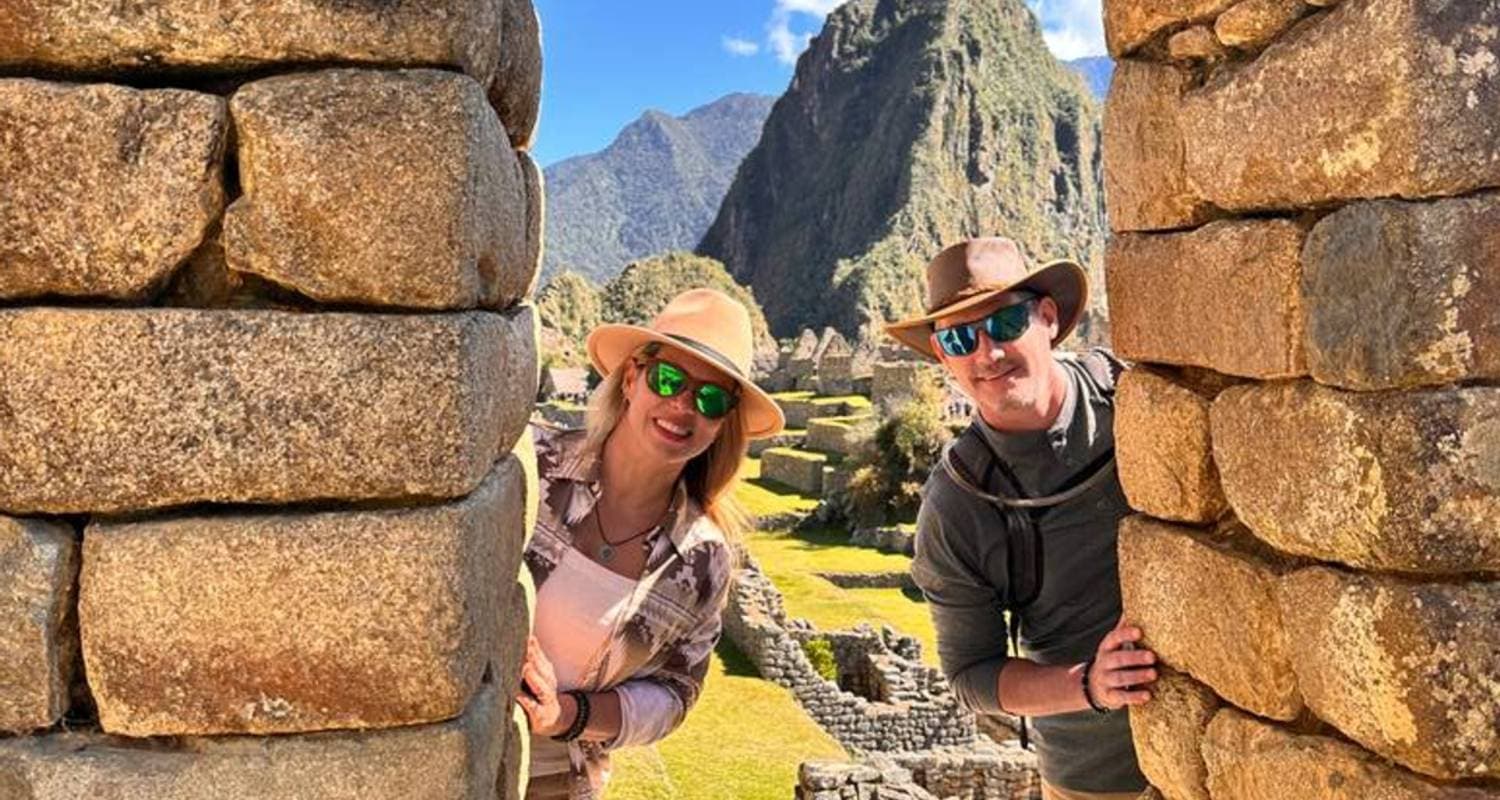
Inca Adventures – 7 Days (Lima, Paracas, Ica, Cusco, Machu Picchu & Rainbow Mountain) – With Domestic Flights
7 days · Waman Adventures
4.8· 233 reviews✓ Instant confirmationtour from €1,739
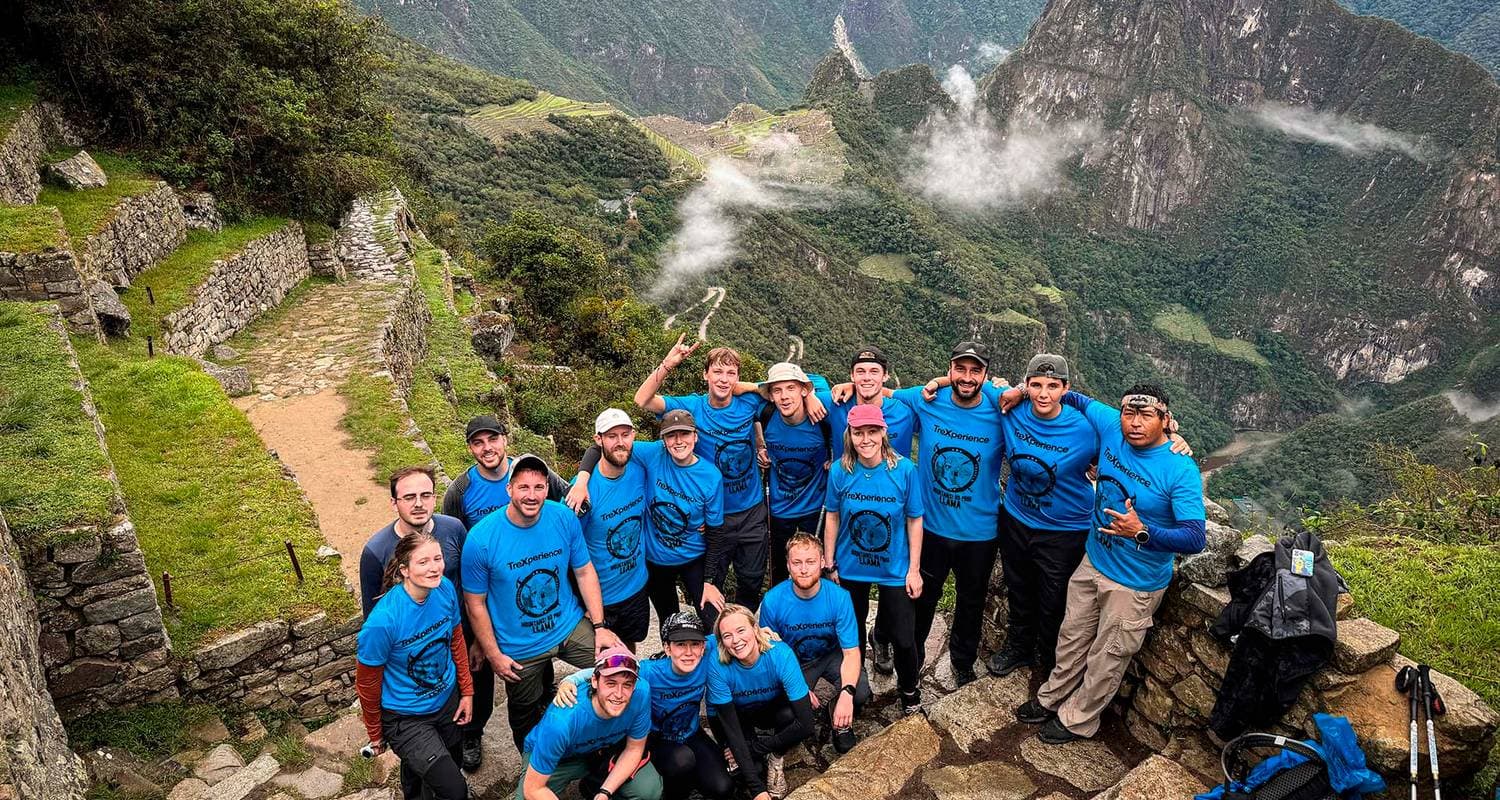
Classic Inca Trail to Machu Picchu 4 Days with Vistadome Train
4 days · TreXperience
5.0· 210 reviews✓ Instant confirmationtour from €773
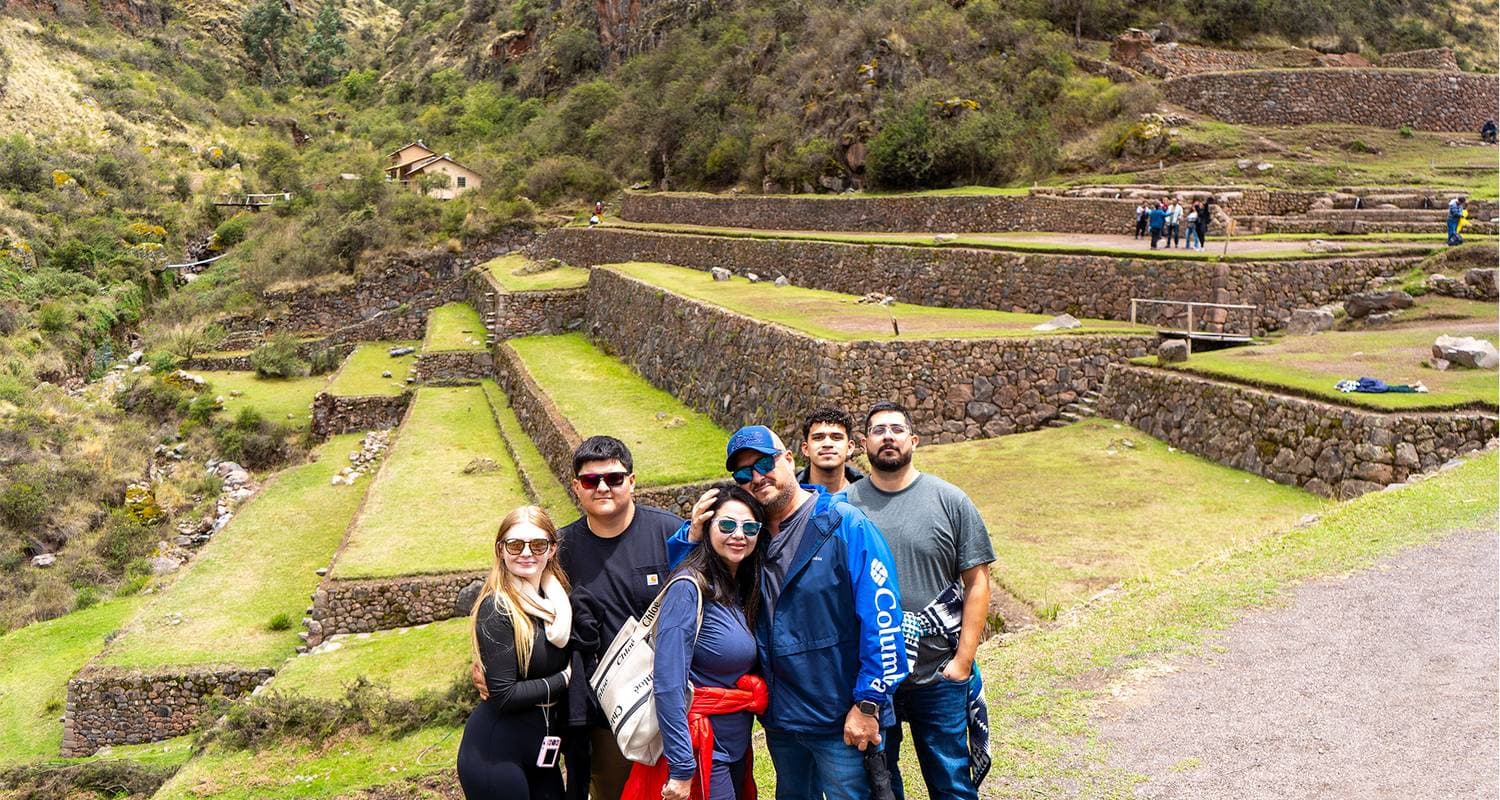
5 Day Cusco Travel Package: Cusco, Sacred Valley, Machu Picchu, and Maras Moray.
5 days · Kantu Peru Tours
4.9· 188 reviews✓ Instant confirmationtour from €514
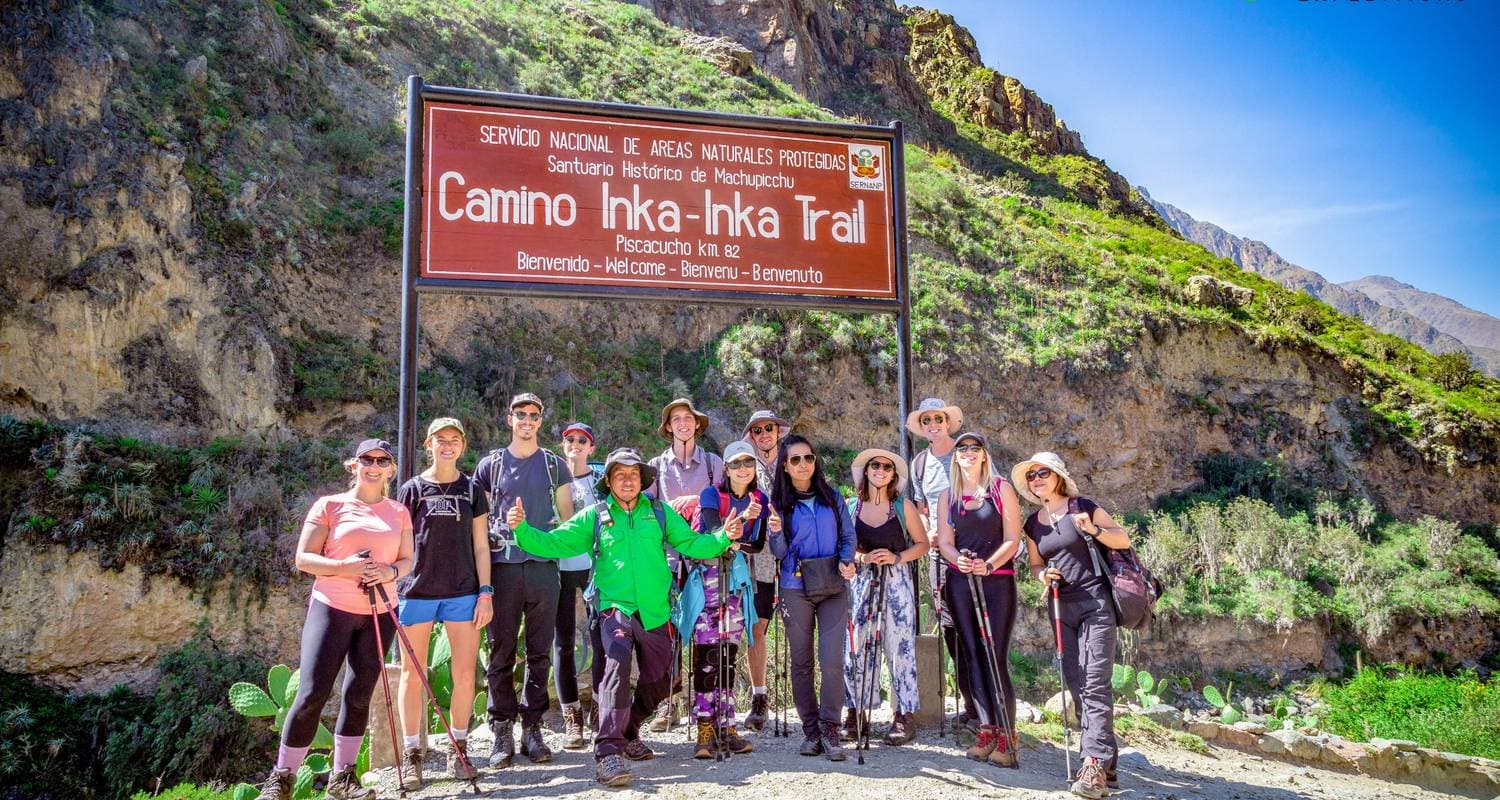
Classic Inca Trail Trek 4D/3N to Machu Picchu (Group service )
4 days · Alpaca Expeditions
5.0· 184 reviews✓ Instant confirmationtour from €764

Peru Express - 10 Days (Lima - Cusco - Machu Picchu & Puno) With Domestic Flights
10 days · Waman Adventures
4.8· 178 reviews✓ Instant confirmationtour from €2,138
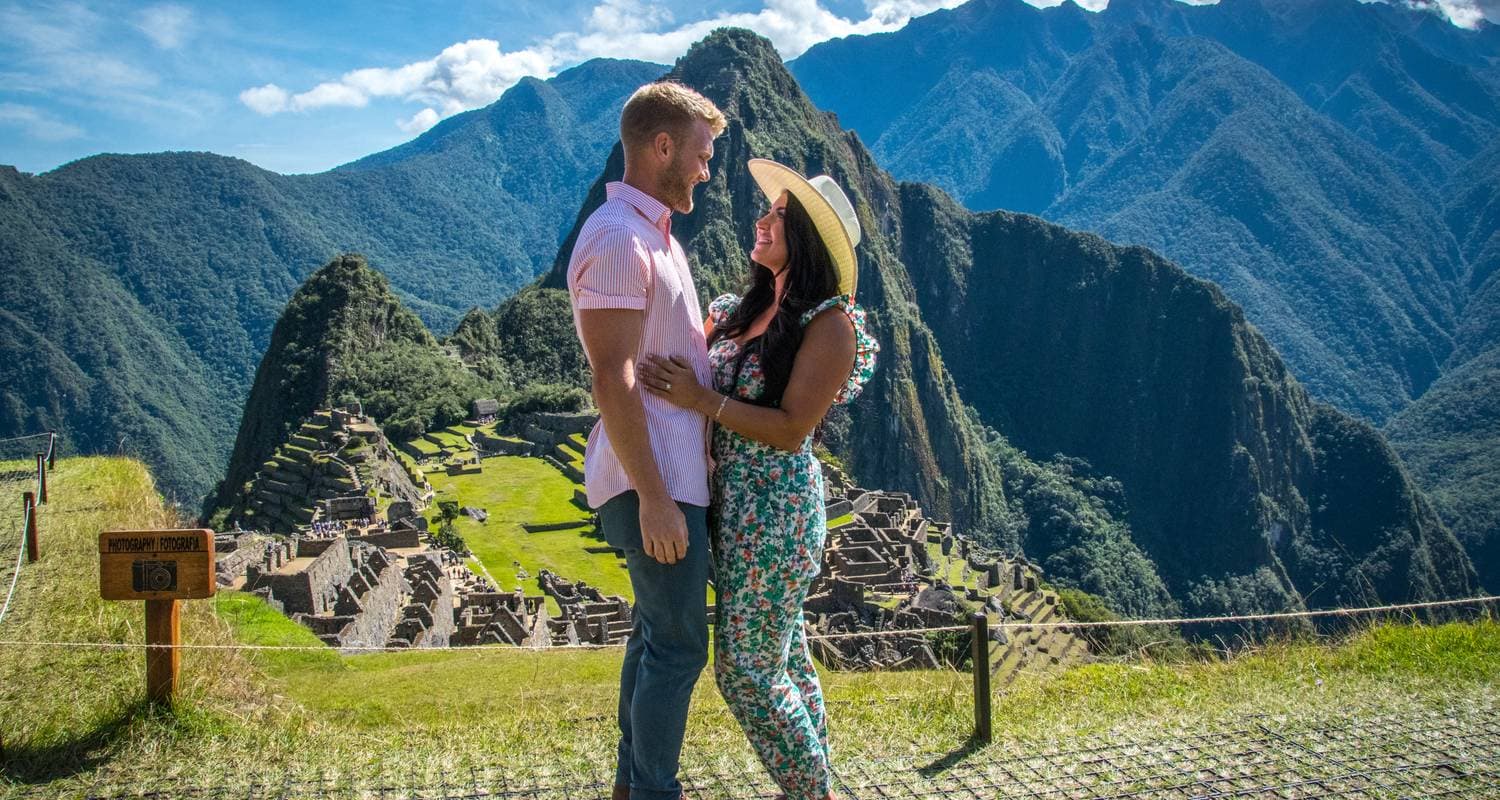
7 Day Cusco Travel Package: Cusco, Sacred Valley, Machu Picchu, Humantay Lake, and Rainbow Mountain.
7 days · Kantu Peru Tours
4.9· 171 reviews✓ Instant confirmationtour from €615
Peru's three climate zones do not align
Peru is not one climate. It is three, and they keep three incompatible calendars. Getting this straight before you book anything saves you a great deal of re-planning later.
The Andes — Cusco, the Sacred Valley, Machu Picchu, Lake Titicaca, the Colca Canyon — run a classic highland dry-wet split. Dry season is May through September: sunny days at 18-22°C, cold nights that can dip below freezing above 3,500m, and trail conditions you can plan around. Wet season is December through March: afternoon rain most days, mud underfoot, landslide risk on rural roads, and the Inca Trail shut every February. April, October and November are the shoulder months — cheaper, quieter, and a little more of a weather gamble.
The Amazon basin — Puerto Maldonado, Tambopata, Manu, Iquitos — flips the whole thing on its head. Wet season runs November to April with daily rain, high water and boat access to flooded forest. Dry season is May to October with lower rivers, exposed trails and stronger wildlife viewing on foot. Neither season wins outright; they are simply two different trips, which we get into in section four.
The Pacific coast — Lima, Paracas, Nazca, the northern beaches — inverts the Andean pattern entirely. May to September is garua season: that persistent grey coastal fog, 16-19°C days in Lima, no rain but barely any sun either. December to March is coastal summer: blue skies, 26-29°C days, and beaches busy from Punta Hermosa to Mancora. Lima genuinely feels like a different city between July and January.
Because the prime Machu Picchu window sits in May-September, most Peru trips simply accept Lima's grey garua as the price of admission.
Month by month: what Peru actually looks like
January: Cusco 20°C days, heavy afternoon rain, trails muddy. Lima 26-29°C, sunny, beach season peak. Iquitos 30°C and wet. Cusco tour prices low, crowds thin.
February: Cusco wettest month, 120-150mm rainfall. Inca Trail closed all month for maintenance. Machu Picchu open but access via train only. Lima still sunny and warm. Cheapest highland tour pricing of the year.
March: Cusco still wet early, drying late. Lima finishing beach season. Shoulder pricing, low crowds. Good value if you accept rain risk.
April: Cusco transition month, 18-20°C days, rain tapering. Trails drying out. Lima garua starting. Tour prices begin climbing mid-month. Semana Santa (Easter) busy in Cusco.
May: Dry season opens properly. Cusco 20°C days, clear skies, cold nights. Amazon water levels dropping. Lima garua settling in. Peak-season pricing starts.
June: Cusco peak dry, 20-22°C days, near-zero rain, cold nights at 0-2°C. Inti Raymi 24 June 2026 fills Cusco — book hotels 6+ months ahead. Highest tour-price band of the year.
July: Cusco busiest month. Dry, sunny, crowded. European and US summer holidays land here. Peak pricing continues. Amazon dry and walkable.
August: Mirror of July. Slightly more wind in the highlands. Peak crowds, peak prices.
September: Dry season continues, crowds thinning, prices easing 10-15% from July-August peak. Strong value month.
October: Shoulder. Cusco 20°C, occasional showers late month. Lima garua lifting. Prices below peak. Underrated month.
November: Wet season returning to Cusco. Amazon water rising. Lima warming up. Low-season pricing returns.
December: Full wet season in the Andes. Christmas and New Year in Cusco quietly busy with domestic travellers. Lima in full summer.
Inca Trail permits and the February closure
The classic 4-day Inca Trail is strictly rationed. Peru's Ministry of Culture releases 500 permits a day, of which roughly 200 go to trekkers and the rest to the guides, porters and cooks who make the whole thing possible. Each permit is tied to your passport number, can't be transferred, and can't be resold, so there is no scrambling for someone else's at the last minute.
For the peak dry months of May through September, permits vanish 5 to 7 months ahead, and June and July dates are often gone by January of the same year. If your dates are fixed and land in peak season, book the moment the next year's permits release, which is usually October of the year before.
The shoulder months are kinder. April, October and November permits tend to be there 2 to 3 months out, and December and January often have space close to the date, though you will be walking on wet, muddy ground.
Then there's February, when the Inca Trail closes completely. Every year, no exceptions. Crews carry out the heavy maintenance and the rains turn several stretches genuinely dangerous. Machu Picchu itself stays open the whole time, reached by train from Cusco or Ollantaytambo.
The great consolation prize is the Salkantay trek: 4 to 5 days, higher and wilder, no permit cap, and running year-round including February. Plenty of travellers who miss out on Inca Trail permits come home preferring Salkantay anyway, won over by the scenery — the 21,000ft Salkantay peak, the impossibly turquoise Humantay Lake — and the thinner crowds. Lares, Choquequirao and the Inca Jungle route are the other permit-free ways in.
If it has to be the Inca Trail and nothing else, lock your dates 6+ months out and make peace with the fact that there is no same-year flexibility for June to August.
The Amazon paradox: dry versus wet is not better versus worse
The Amazon trips people up because the obvious logic — dry good, wet bad — simply doesn't hold here. Both seasons are wonderful. They are just two entirely different jungles.
Dry season (May to October) drops the rivers 5-8 metres in Tambopata and Manu, and trails that spend half the year underwater open up to your boots. The clay licks where macaws and parrots gather are at their loudest, jaguars and giant otters turn up on the exposed sandbars, and the mosquitoes ease off. Mornings are sunny, afternoons bring the odd shower, and the whole thing dovetails neatly with a dry-season Cusco trip. This is where most first-timers start, and rightly so.
Wet season (November to April) is the one that surprises people. The water rises and floods huge swathes of forest, and suddenly you're gliding by canoe between the trunks of standing trees, into pockets no walker could ever reach. Fishing comes into its own — piranha, peacock bass — pink dolphins surface in the flooded channels, and the fruiting trees pull in monkeys, sloths and birds. The rain is honest about itself: usually an hour or two late in the afternoon rather than an all-day grey.
Iquitos and the northern Amazon, around the Pacaya-Samiria reserve, run this rhythm even harder because the river network is so much bigger. A January-March flooded-forest trip from Iquitos is a genuinely different animal to a May-September Tambopata hike.
Want the Amazon and Cusco in one go? May, June and September line up cleanly, dry in both. Set your heart on the flooded forest instead, and you'll want a coast-and-jungle trip that skips the Andes, or you accept some mud on the Cusco trails.
Flight timing and the Lima hub
Almost everyone arrives in Peru through Lima (LIM), Jorge Chavez International, which got a shiny new terminal in 2025 and now takes the wide-body long-haul schedules with ease. LATAM all but owns the place — it is the de facto national carrier — and you'll also find Avianca, Copa, American, Delta, United, Air Canada, Iberia, Air Europa and KLM dropping into Lima.
From Europe, expect direct flights out of Madrid, Amsterdam and Paris, or a single stop via Bogota, Panama City or a US hub. Peru is closest and cheapest from North America — Miami, Atlanta, Houston, New York, Los Angeles and Toronto all connect direct or one-stop, and fares run lower than from anywhere else. As a rough guide, North American return fares sit around US$550-850 in the March-April and October-November shoulder, climbing to US$900-1,400 across the June-August peak; European fares run €650-€900 in shoulder and €900-€1,400 at peak; Australian travellers route via Santiago or a US hub (roughly A$2,000-3,000 return) and have the longest haul of the three. From Dublin you'll usually stop once in Madrid or Amsterdam; from London you can go direct on LATAM or the BA codeshare. Multiday.tours prices the flight live from your own airport in your own currency.
Cusco (CUZ) is nearly always a quick 1h 20min hop up from Lima. LATAM, Sky and JetSmart fly it hard — 15-plus departures a day in peak season — and one-way fares run roughly €80-€180 depending on the season and how far ahead you book. At 3,400m, Cusco asks you to take your first day gently: coca tea, an unhurried schedule, and let your lungs catch up.
Iquitos (IQT) out in the northern Amazon can only be reached by air from Lima, because no road reaches it at all — it is the largest city on the planet you cannot drive to. Flights are roughly €90-€200 one way, 1h 45min in the air.
For a 10-14 day Cusco-Amazon-Lima loop, try to book the international and domestic legs as one itinerary where you can. LATAM's through-fares from Europe to Cusco or Iquitos often come in cheaper than stitching the legs together yourself.
Ready to price your trip?
Enter your origin airport and month — we'll search live flight and tour prices and give you one bundled total per person.
Find combosFAQs
What is the best month to visit Peru?
For a classic Cusco and Machu Picchu trip, June is the sweet spot: dry, clear, cold-starred nights and trails you can rely on. It is also the busiest and priciest month, and with Inti Raymi falling on 24 June 2026, Cusco hotels book out months ahead. May and September hand you almost all of June's weather for 10-15% less and with noticeably more elbow room. If budget is calling the shots, September is the smartest pick for most travellers.
When does the Inca Trail close?
The classic 4-day Inca Trail shuts for the whole of February, every year, while crews carry out maintenance and the wet-season rains make several sections genuinely dangerous. Machu Picchu itself stays open throughout, reached by train from Cusco or Ollantaytambo. If you're set on a trek in February, the Salkantay route runs year-round with no permit cap and is the natural alternative, while Lares and the Inca Jungle route are permit-free too.
How far ahead should I book Inca Trail permits?
For June, July and August, get in 6 to 7 months ahead, because peak-date permits often sell out by January of the same year. May and September usually hold availability 4 to 5 months out, and the shoulder months of April, October and November are gentler at 2 to 3 months. Permits are tied to your passport number and can't be transferred, so have your passport details settled before you book. Your tour operator files the application, but make no mistake — you are buying a real, named slot.
Is it worth visiting Peru in the wet season?
Yes, with eyes open. January through March brings tour prices 25-35% lower, a near-empty Machu Picchu and a Sacred Valley turned lush and green. The trade-offs are real, though: rain most afternoons, mud on the trails, the odd rural-road landslide, and the February Inca Trail closure. The wet-season Amazon is a genuinely worthwhile, completely different trip, all flooded-forest canoeing. And Lima and the Pacific coast are at their sunny best from December through March, so a coast-plus-Amazon wet-season trip comes together beautifully.
When is Inti Raymi and does it affect travel?
Inti Raymi, the Festival of the Sun, lands on 24 June 2026 in Cusco. It is the biggest cultural event in the country and the single sharpest crowd-and-price spike of the year. Cusco hotels book out 6 to 12 months ahead, tour prices jump 20-30% for the week, and the main venue, the Sacsayhuaman amphitheatre, needs paid tickets. If you want to be there, plan early. If the festival isn't your reason for going, steer clear of Cusco the week of 22-26 June altogether.
How does Amazon timing work for wildlife?
Dry season (May to October) favours wildlife on foot: exposed trails, busy macaw clay licks, jaguars and giant otters out on the sandbars, and fewer mosquitoes. Wet season (November to April) favours wildlife by canoe: flooded-forest access, dolphins in the channels, monkeys drawn to the fruiting trees, and peak fishing. Neither wins outright. If you're pairing it with dry-season Cusco trekking, May-September slots in cleanly. If the flooded forest is what pulls you, plan a separate Iquitos or Pacaya-Samiria trip in January-March.
Watching a trip?
Once a month: where all-in prices actually dropped, from your airport. No spam, unsubscribe anytime.
Related destinations
- Peru Multi-Day Tours with Flights from €1,900Machu Picchu at sunrise, the Sacred Valley, an Amazon lodge.…
- Argentina Multi-Day Tours with Flights from €1,900Tango in Buenos Aires, the thunder of Iguazu, Malbec in Mend…
- Costa Rica Multi-Day Tours with Flights from €1,600Arenal, Monteverde, Manuel Antonio and the Guanacaste beache…
Related tour styles
Pick by trip length
Plan this trip from your city
- Multi-Day Tours from New York with Flights IncludedMulti-day tours from New York with flights included — one US…
- Multi-Day Tours from Los Angeles with Flights IncludedPackage tours from Los Angeles with flights included — one U…
- Multi-Day Tours from Toronto with Flights IncludedPearson is Canada's biggest long-haul hub, and with a weak l…
- Multi-Day Tours from London with Flights IncludedBuilt for London travellers: LHR for long-haul, LGW for Euro…
- Multi-Day Tours from Sydney with Flights IncludedLeaving Australia means a long-haul flight whether you like …