
Argentina Multi-Day Tours with Flights from €1,900
Tango in Buenos Aires, the thunder of Iguazu, Malbec in Mendoza, Salta's red-rock north and the Perito Moreno glacier, all wrapped into one trip.
Edited by Multiday.tours editor
- ✓12-day Argentina tours from €1,900 before flights
- ✓Return flights Europe to Buenos Aires €600-€900 off-peak
- ✓Patagonia trekking window: November to March, peak December-February
- ✓Mendoza harvest season: late February through mid-April
- ✓Internal flights required — Buenos Aires-El Calafate is 3h15 vs 40h by bus
- ✓15-day loops add Iguazu, Mendoza and Perito Moreno in one trip
Argentina runs 3,700km end to end, which is exactly why most itineraries feel busier than a trip to Peru or Chile. A ten-day small-group tour taking in Buenos Aires, Iguazu and Patagonia's El Calafate runs €1,900-€2,800 per person before flights. Add €600-€900 for return flights from Europe and the full package settles at €2,500-€3,700 all-in. Below we get into what the ten-, twelve- and fifteen-day packages actually include, why the internal flight network (mostly Aerolíneas Argentinas) isn't something you can skip, when to aim for Patagonia versus Mendoza versus the northwest, and which operators handle the country well. Prices are converted from USD at 0.92 to keep pace with the peso's moving parts.
The tours doing the heavy lifting here
Prices are tour-only — add flights for the real total. You book the tour itself on TourRadar.
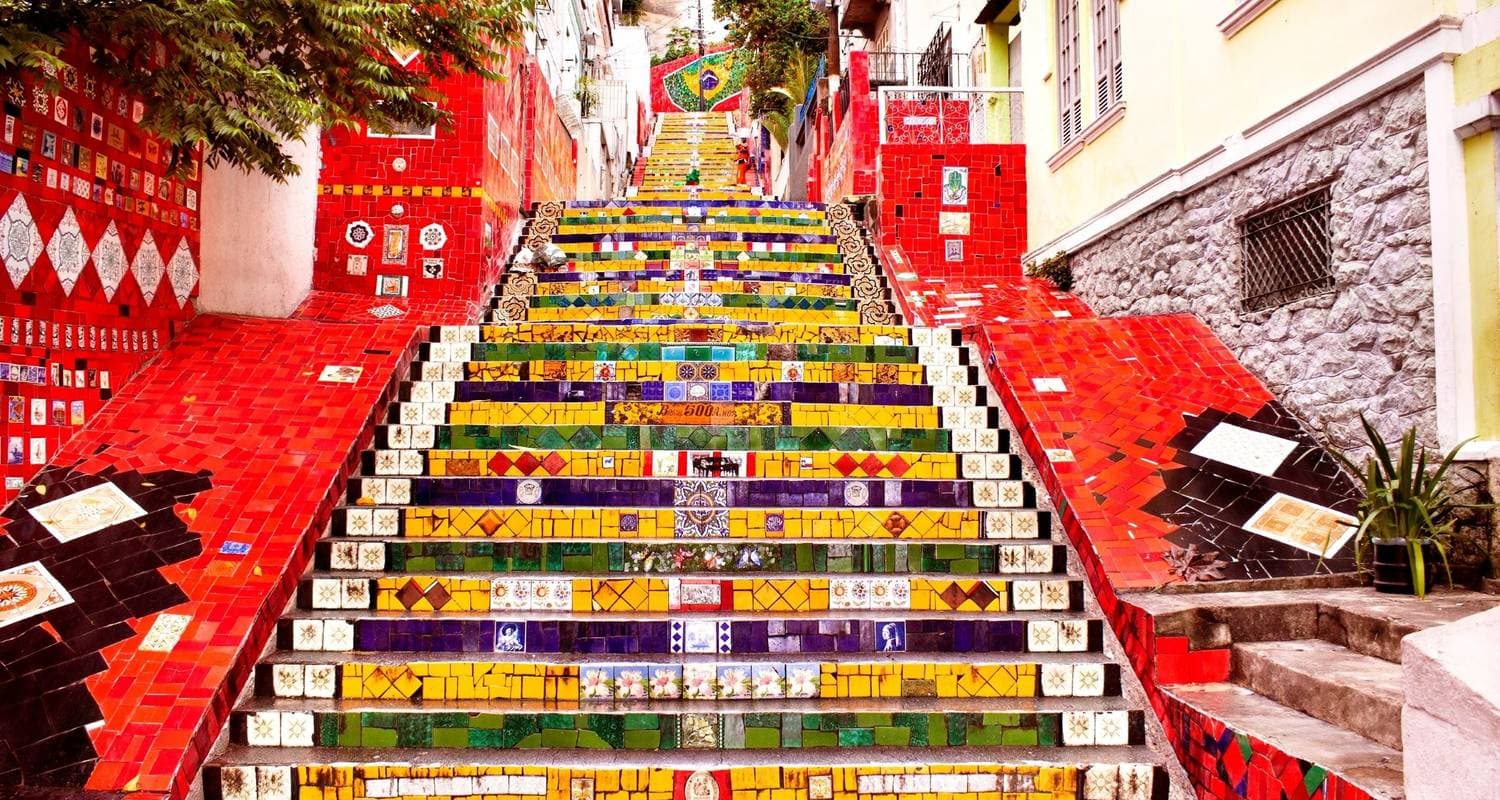
Brazil and Argentina with Iguazu Falls 4 Star
10 days · Wanderful Holidays LLC
4.7· 57 reviews✓ Instant confirmationtour from €2,115
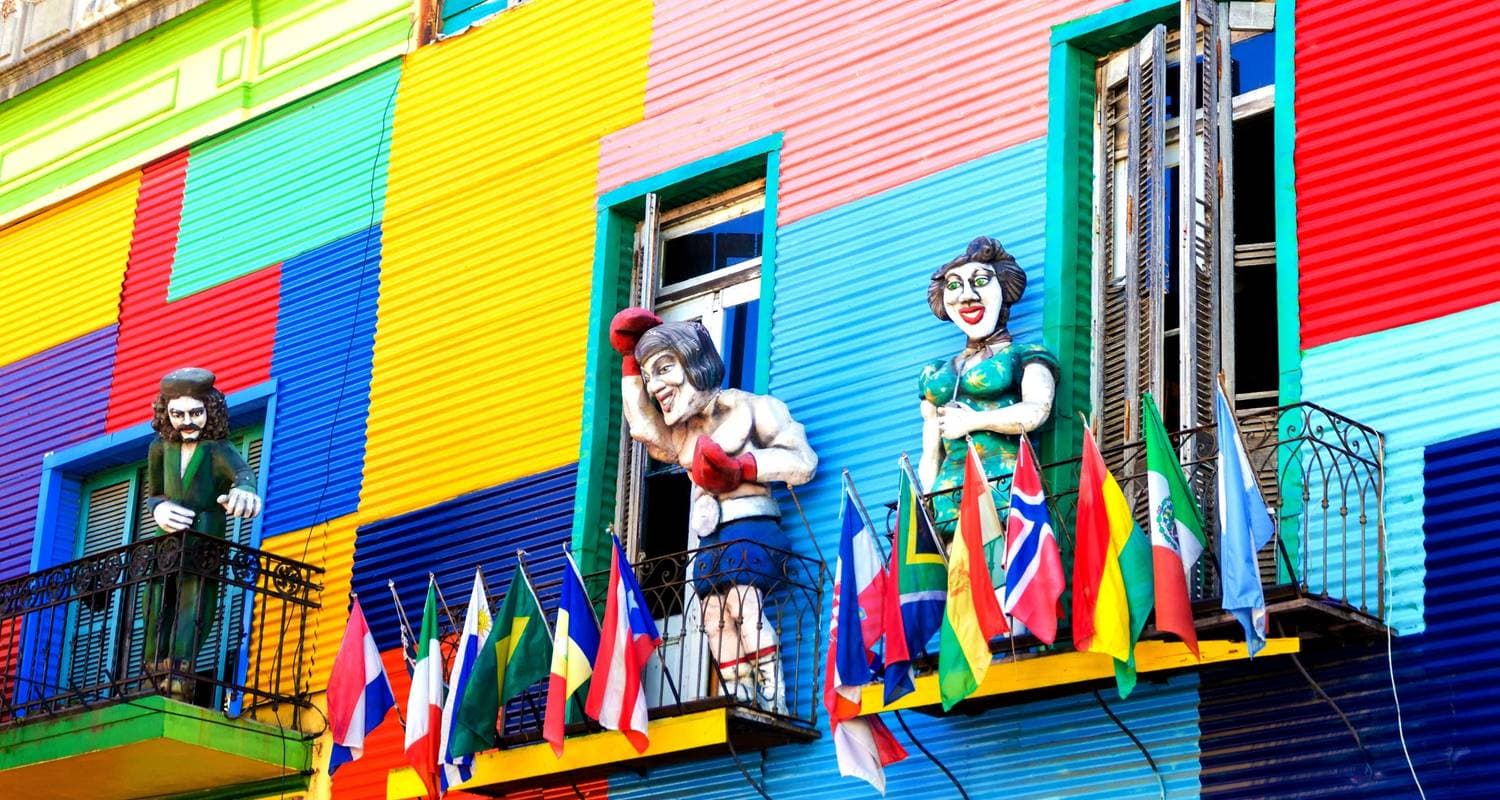
Standard Argentina, Rio And Iguazu Falls
10 days · Wanderful Holidays LLC
4.7· 57 reviews✓ Instant confirmationtour from €1,931
Buenos Aires to Rio de Janeiro: Falls & Footy
17 days · G Adventures
4.7· 55 reviews✓ Instant confirmationtour from €2,989

Buenos Aires to Rio Explorer
17 days · Intrepid Travel
4.6· 52 reviews✓ Instant confirmationtour from €3,588
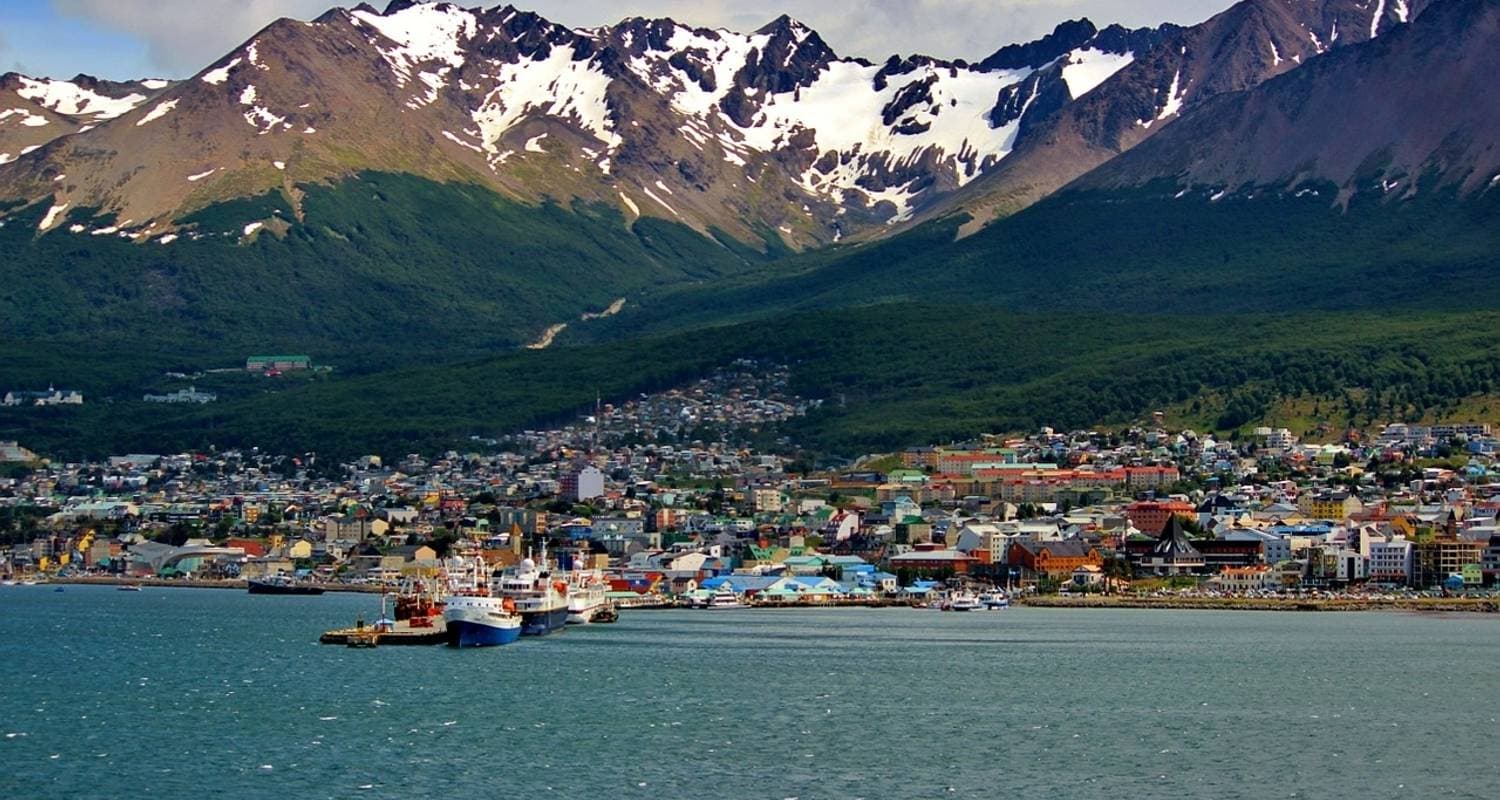
End of the Earth
14 days · G Adventures
4.6· 41 reviews✓ Instant confirmationtour from €5,197
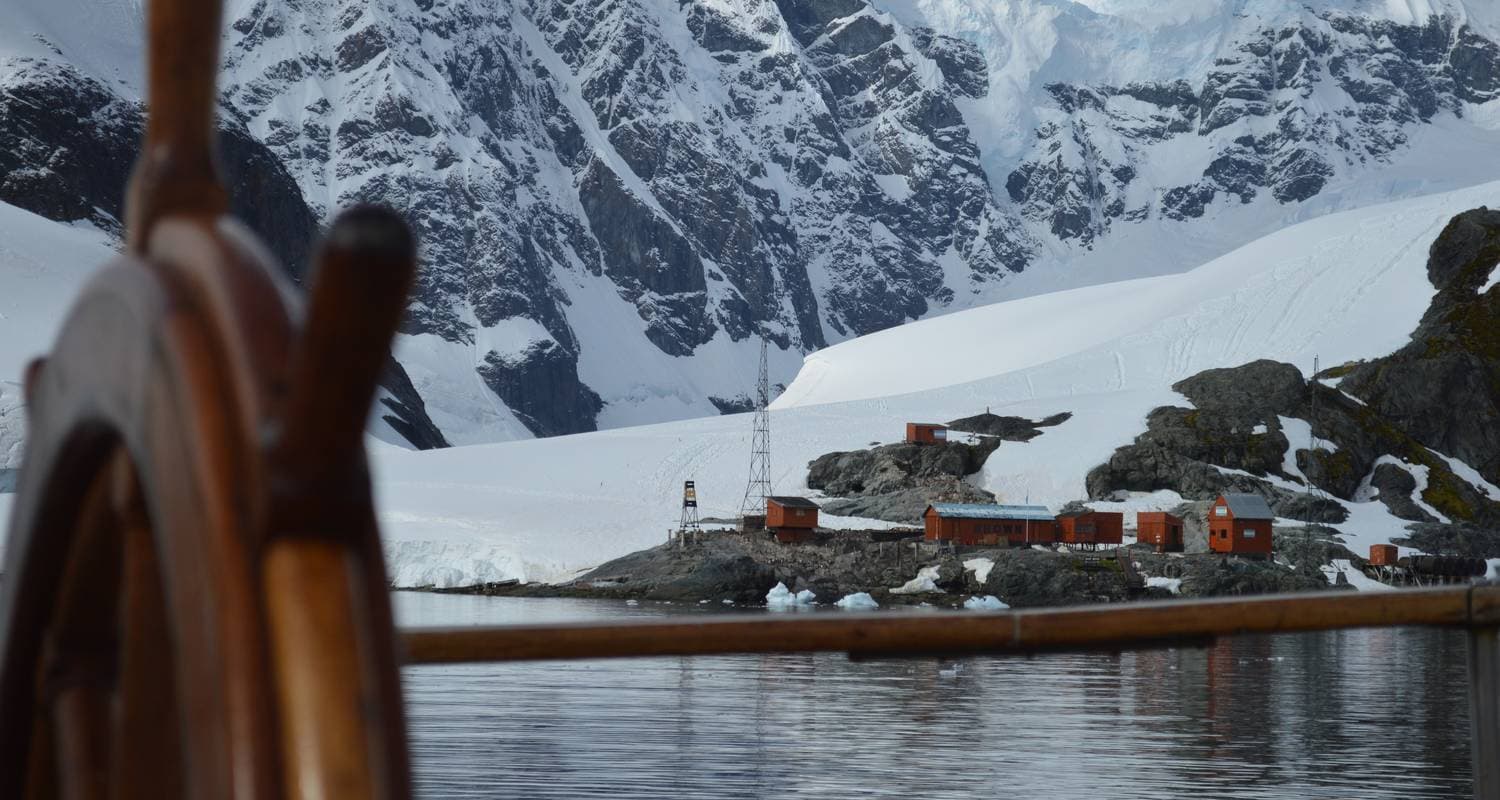
Antarctica Classic
11 days · G Adventures
4.7· 34 reviews✓ Instant confirmationtour from €8,647
The classic 12-15 day Argentina loop: what it covers and what it costs
The standard Argentina run goes Buenos Aires → Iguazu → Mendoza → El Calafate/Patagonia → back to Buenos Aires, twelve to fifteen days. You open with two or three nights in Buenos Aires (Recoleta, San Telmo, a tango show, a day out to Tigre or a gaucho estancia), then fly 1h50 north to Puerto Iguazu for two nights at the falls (the Argentine side one day, the Brazilian side the next if you're visa-free).
From Iguazu you usually loop back through Buenos Aires for a connection, since direct regional flights are thin on the ground. Next comes Mendoza (1h50 west) for two or three nights of Malbec tastings in Luján de Cuyo and the Uco Valley. Some itineraries swap Mendoza for Salta up in the northwest, if red-rock country and colonial architecture appeal more than wine.
Then south to Patagonia: Buenos Aires to El Calafate is 3h15 direct. Two full days handle the Perito Moreno glacier (the one that actually calves while you watch) and a transfer north to El Chaltén for two or three nights of day hikes up to Laguna de los Tres and the Fitz Roy viewpoints.
Reckon on €2,300-€3,300 per person for the twelve-day version with a mid-range operator. That bundles your beds, all the internal flights (four or five of them), transfers, park entries, a handful of guided days and most breakfasts. Lunches and dinners run €15-€45 a meal; Argentina isn't the bargain it was three years ago.
Patagonia deep-dive: W-Trek, Route 40, and the Southern Lakes
If Patagonia is the whole reason you booked Argentina, skip the grand loop and give the south ten to fourteen days to itself. Three routings work.
The W-Trek in Torres del Paine (Chile) is the headline trek: five days, 80km, sleeping in refugios or under canvas. You fly Buenos Aires to El Calafate, bus five hours across the border to Puerto Natales, walk the W, then cross back to El Calafate for Perito Moreno before flying north. Chile Nativo, Swoop Patagonia and EcoCamp run the refugio version for €1,600-€2,400 per person for the five-day trek alone, before the Argentina bookends. Book the refugios nine to twelve months ahead for December to February.
Route 40 self-drive or small-group tours run El Calafate to Bariloche by way of Los Glaciares, Perito Moreno National Park (not the glacier, confusingly the same name) and the Cueva de las Manos. Seven to ten days, €1,800-€2,700, for travellers who'd rather have big skies and empty road than set-piece trekking.
The Southern Lakes around Bariloche and San Martín de los Andes are the gentler Patagonia: alpine lakes, trout fishing, Swiss-German chocolate shops, day hikes instead of multi-day slogs. Five to seven days, €1,300-€1,900. Good for families, or anyone who wants the scenery without hauling a 60L pack.
Picking an operator: small-group, tango-lounge, or serious trek
Argentina sorts into two operator camps: the international small-group names and the local specialists.
Intrepid, G Adventures, Exodus and Explore run seasoned ten-to-fifteen-day Argentina and Argentina-plus-Brazil itineraries, €1,900-€2,900 for ten to twelve days before flights. Reliable pacing, English-speaking local guides, a mixed standard of hotel. G Adventures has the deepest Patagonia catalogue, including Buenos Aires-to-Santiago crossings over Torres del Paine. Intrepid's Premium line bumps up the hotels and adds private transfers for €600-€1,000 more.
The local specialists are well worth a look for anything beyond the standard loop. Say Hueque, based in Buenos Aires, builds custom itineraries with better estancia and winery access than the international operators can manage. BA Cultural Concierge runs private Buenos Aires days, tango history, Jewish Buenos Aires, an asado in a family home, that the group tours barely touch. Tangol and Hi Travel Argentina sort out Patagonia logistics for tighter budgets.
For serious Patagonia trekkers, Swoop Patagonia (UK-based but Patagonia-only) and Chimu Adventures are the people to call. They book the refugios early, handle the Chile border crossings and pace the W-Trek and O-Trek properly.
Here's the thing to weigh up: Buenos Aires wants a cultural guide, Mendoza wants a wine driver who actually knows the producers, and Patagonia wants a fit mountain guide. Few operators do all three equally well, so hybrid bookings, an international operator for the loop and a local specialist for the add-ons, are common.
Best time to visit Argentina and what each season looks like
Argentina is long enough that no single month works everywhere, and the first thing to fix in your head is that it sits in the southern hemisphere, so the seasons run opposite to North America and Europe. November to March is austral summer, the warm, long-day window and the only realistic stretch for Patagonia trekking. December to February is the height of summer here, not the depth of winter. Australian and New Zealand readers have the easy version of this: Argentina shares your seasons exactly, so you pack the same way you would for a December back home.
December to February is peak Patagonia. The Torres del Paine refugios are full, the El Chaltén trails are busy, and prices run 20-30% higher. The days stretch out (sunset near 10pm in January), it's still windy and cold up high, but the whole trekking machine is open and running. November and March are the shoulders: fewer crowds, the same trails, a touch more weather risk.
Mendoza's harvest season runs late February to mid-April, and it's the prime time for wine travellers. Most producers fling their doors open, the Fiesta Nacional de la Vendimia lands in early March, and the vineyards look exactly like the postcards. April is beautifully quiet, with autumn colour through the rows.
Buenos Aires is a year-round city. Summer (December to February) is hot and a lot of porteños decamp to the coast; winter (June to August) is cool and grey but the cultural calendar peaks. Spring and autumn are the most comfortable of all.
June to August is winter. Bariloche opens for ski season (Cerro Catedral, decent intermediate terrain, cheaper than Chile or Europe). The Patagonian wilderness largely shuts down: refugios close, the El Chaltén hikes are snowed in, though Perito Moreno is still doable as a day trip from El Calafate. Iguazu is fine all year, but July-August weekends pull in the Brazilian school-holiday crowds.
Flights to Argentina and the internal hops you cannot avoid
Buenos Aires has two airports and you'll end up using both. Ezeiza (EZE) sits 35km south and handles the international arrivals and departures. Aeroparque (AEP) is ten minutes from the city centre and runs almost all the domestic flights, Iguazu, El Calafate, Mendoza, Bariloche, Salta, Ushuaia. When your operator lands you at EZE and flies you out of AEP the next day, build in the hour it takes to cross the city.
From the US, Argentina is a comfortable overnight away and a natural South American trip. American, United, Delta, LATAM and Aerolíneas Argentinas fly non-stop to EZE from Miami and New York (about 10 to 11 hours), with American adding Dallas and one-stops easy from anywhere else. Better still, Argentina sits only one or two hours off US Eastern time, so the jet lag barely registers, you simply sleep on the southbound red-eye and wake up in Buenos Aires. Off-peak round-trips run US$750-$1,100, climbing to US$1,200-$1,700 over the December-February austral summer and the US holidays.
From Australia, this is the honest long-haul, but a rewarding one. There is no easy single route: most travellers fly via a US gateway (Aerolíneas Argentinas and partners through Miami or Dallas) or, in season, across the Pacific via Auckland and Santiago. Total travel time runs 17 to 20 hours and round-trips A$2,200-$3,500 depending on the season. The consolation is that Argentina shares your seasons, so an Australian heading to Patagonia in December lands in familiar summer rather than flipping the calendar.
From Canada, Air Canada flies Toronto-EZE seasonally and you connect easily via the US year-round; reckon on C$1,300-$2,200 return and around 12 to 14 hours of travel.
From the UK and Europe, the direct options are Iberia (Madrid-EZE, daily, 13h), Air Europa (Madrid-EZE, daily, 13h) and Lufthansa (Frankfurt-EZE, five a week, 13h30). KLM routes Amsterdam-EZE with a Santiago or São Paulo stop. Off-peak returns run €600-€900 from London, Amsterdam, Frankfurt or Dublin via Madrid, pushing to €1,100-€1,400 at the December-January and July-August peaks.
Whatever your home airport, the live bundle prices the international flight from there in your own currency right beside the tour, so you see the full per-person total before you commit. The internal flights, by contrast, are all but unavoidable. The Buenos Aires-El Calafate bus is forty hours; the flight is 3h15. Aerolíneas Argentinas and Flybondi cover the domestic network, with JetSmart a third option on the main routes. Book the internal hops through your operator, who lands better fares and spares you the non-resident pricing. The airports worth knowing: FTE (El Calafate), MDZ (Mendoza), IGR (Iguazu), BRC (Bariloche), SLA (Salta).
Ready to price your trip?
Enter your origin airport and month — we'll search live flight and tour prices and give you one bundled total per person.
Find combosCommon questions
How much does an Argentina tour cost with flights?
All-in from Europe, roughly €2,500-€3,700 per person for twelve days. That covers a small-group tour (€1,900-€2,800, with four or five internal flights, transfers, park fees, most breakfasts and some guided days), return flights Europe to Buenos Aires (€600-€900 off-peak), and another €500-€800 of spending money for lunches, dinners, tango shows, optional wine tastings and tips. Add €1,000-€1,600 if you fold in the W-Trek in Torres del Paine. Book the international flights four to six months ahead for the best fares.
Is November or February better for Patagonia?
February brings warmer average temperatures (12-18°C against November's 8-14°C in El Calafate), rock-solid refugio bookings and the longest daylight. The catch is peak crowds and prices 20-30% higher. November is the sweet spot if you can be flexible: the trails are open, the refugios bookable with four or five months' notice rather than nine to twelve, accommodation prices ease off, and the weather is only a shade less settled. March does much the same job at the back end. Steer clear of October and April unless you're happy with infrastructure that's only half open.
When should I book a Mendoza wine tour?
Harvest season (late February to mid-April) is the standout window. Most boutique producers open their tasting rooms, the Fiesta Nacional de la Vendimia runs in early March, and the Uco Valley looks its absolute best. Book three to four months ahead for the harvest dates, since the top small producers (Zuccardi, Catena Zapata, Salentein, Susana Balbo) cap their daily visitors. Outside harvest, November-December and October also work nicely and are easier to book. July and August are cold, and plenty of the smaller wineries close to visitors. Reckon on €150-€250 per person for a full-day private wine tour with a driver.
Are internal flights in Argentina really required?
Effectively yes, if you're covering Buenos Aires plus Patagonia plus Iguazu in under three weeks. Buenos Aires to El Calafate is 2,700km, forty hours by bus against 3h15 by plane, and Iguazu is 1,300km from Buenos Aires. Your operator will build the internal flights into the itinerary and book them at resident rates, which shaves 20-40% off walk-up non-resident pricing. Aerolíneas Argentinas and Flybondi cover the network. The only time to skip them is on a regional trip, just Patagonia, say, or just the northwest.
How should I handle cash and inflation in Argentina?
Argentine inflation has cooled from the 2023-2024 peaks, but the peso still shifts week to week. Bring crisp USD or EUR cash (€500-€800 for a two-week trip) to change at the blue-rate casas de cambio in Buenos Aires, where you'll get 20-40% more pesos than the official or card rate. Cards work fine in city hotels, restaurants and shops, and most card networks now apply the friendlier MEP rate automatically. ATMs hand over official-rate pesos with low limits and high fees. Operator bills are usually quoted and paid in USD.
What should I pack for an Argentina trip?
It depends on the itinerary. For Buenos Aires plus Mendoza plus Iguazu: normal summer wear, one warm layer, decent walking shoes and swimwear for Iguazu (there's a boat trip to the falls). If Patagonia is in the mix, add serious layers: a thermal base, fleece mid, a waterproof shell with a hood, windproof trousers, a beanie, gloves and sunglasses. The W-Trek calls for proper kit, broken-in hiking boots, a 40-50L pack, a sleeping bag rated to -5°C if the refugios only supply liners, and trekking poles. You can rent or buy boots and packs in Puerto Natales if you'd rather not fly with them.
Related destinations
- Peru Multi-Day Tours with Flights from €1,900Machu Picchu at sunrise, the Sacred Valley, an Amazon lodge.…
- Mexico Multi-Day Tours with Flights from €1,600Mexico City and Teotihuacán, the Yucatán with Chichén Itzá a…
- Costa Rica Multi-Day Tours with Flights from €1,600Arenal, Monteverde, Manuel Antonio and the Guanacaste beache…
Related tour styles
- Adventure Tours with Flights IncludedTrek, cycle, paddle and climb on guided multi-day trips. Rea…
- Food and Wine Tours with Flights IncludedMulti-day culinary tours with small groups, winery visits an…
- Small Group Tours with Flights IncludedShared departures of 10-16 travellers. Expert guides, fixed …
Pick by trip length
Plan this trip from your city
- Multi-Day Tours from New York with Flights IncludedMulti-day tours from New York with flights included — one US…
- Multi-Day Tours from Los Angeles with Flights IncludedPackage tours from Los Angeles with flights included — one U…
- Multi-Day Tours from Sydney with Flights IncludedLeaving Australia means a long-haul flight whether you like …
- Multi-Day Tours from Toronto with Flights IncludedPearson is Canada's biggest long-haul hub, and with a weak l…
- Multi-Day Tours from London with Flights IncludedBuilt for London travellers: LHR for long-haul, LGW for Euro…