
The Best Time to Visit Italy (Month-by-Month, 2026)
May and September are the sweet spots. July-August is peak tourist surge. Winter is underrated.
By Adam, founding editor · Updated 18 June 2026
- ✓Best months: May and September (sweet spots for Rome-Florence-Venice)
- ✓Avoid: August Ferragosto shutdown (Aug 10-20) in major cities
- ✓Peak heat: July-August, 33-38°C in Rome, Florence, Palermo
- ✓Winter value: January-March runs 30-40% below summer pricing
- ✓Venice Carnival 2026: approximately Jan 31 - Feb 17 (Venice only)
- ✓Easter 2026: April 5 — late Easter keeps March quiet
The best time to visit Italy is May and late September: comfortable temperatures across Rome, Florence and Venice, tour prices 20-30% below July-August, and crowds thin enough to photograph the Trevi Fountain without throwing an elbow. July and August are the great surge: 35°C+ in Rome, 2-hour queues at the Uffizi, and locals quietly slipping off to the coast. Winter is the season nobody talks about and probably should: December lights up the Christmas markets in the Alps, February throws open Venice Carnival, and January to March tour prices run 30-40% below high season. Below, we take Italy month by month, with the real temperatures for Rome, Venice and Palermo, honest crowd levels, when the European low-cost carriers drop their sales, and why Ferragosto (August 15) is the single worst week of the year to land in Tuscany hungry for a food tour.
The Italy tours worth timing right
Prices are tour-only — add flights for the real total. You book the tour itself on TourRadar.
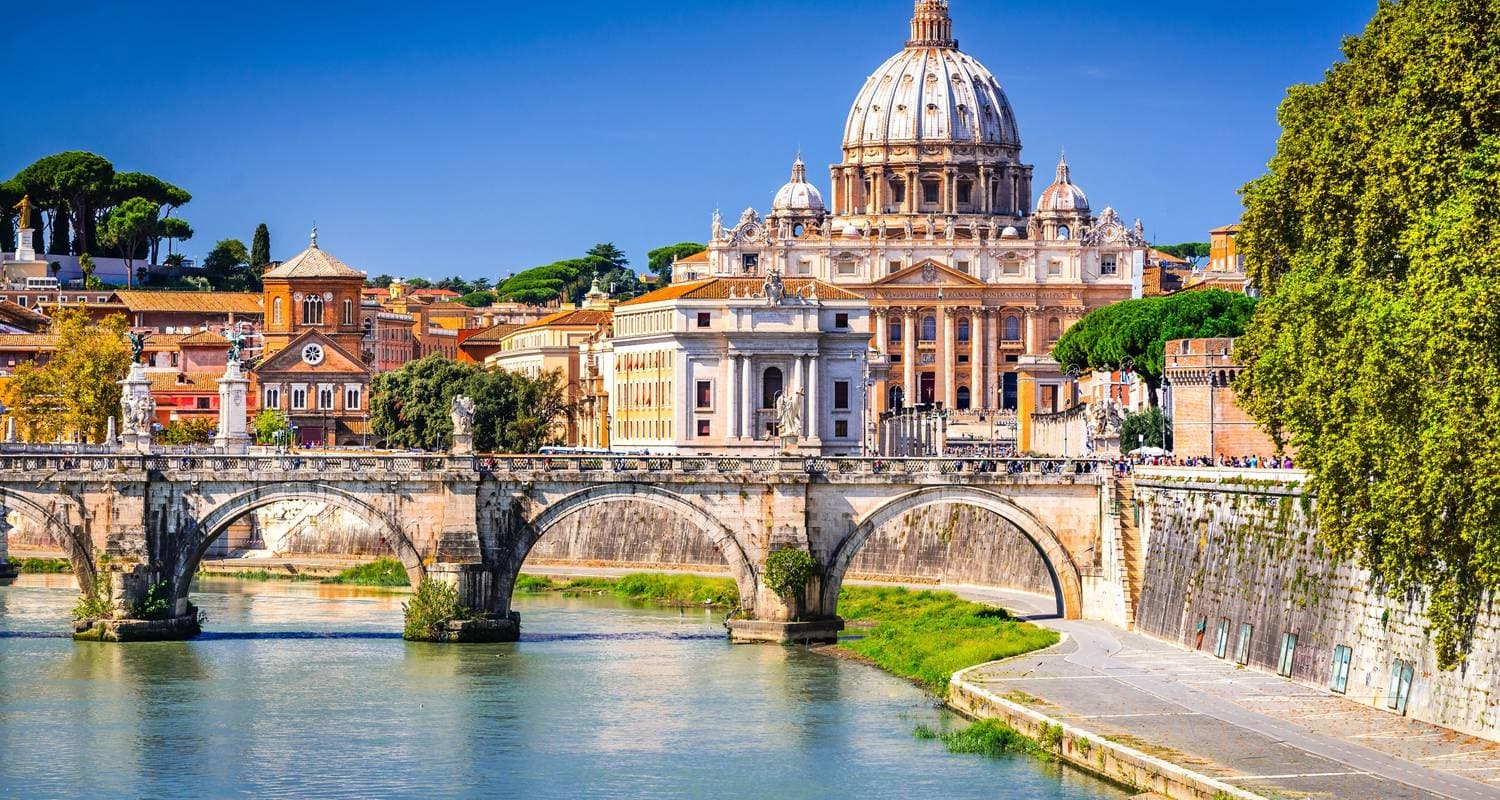
Europe Escape
12 days · Expat Explore Travel
4.5· 868 reviews✓ Instant confirmationtour from €3,284
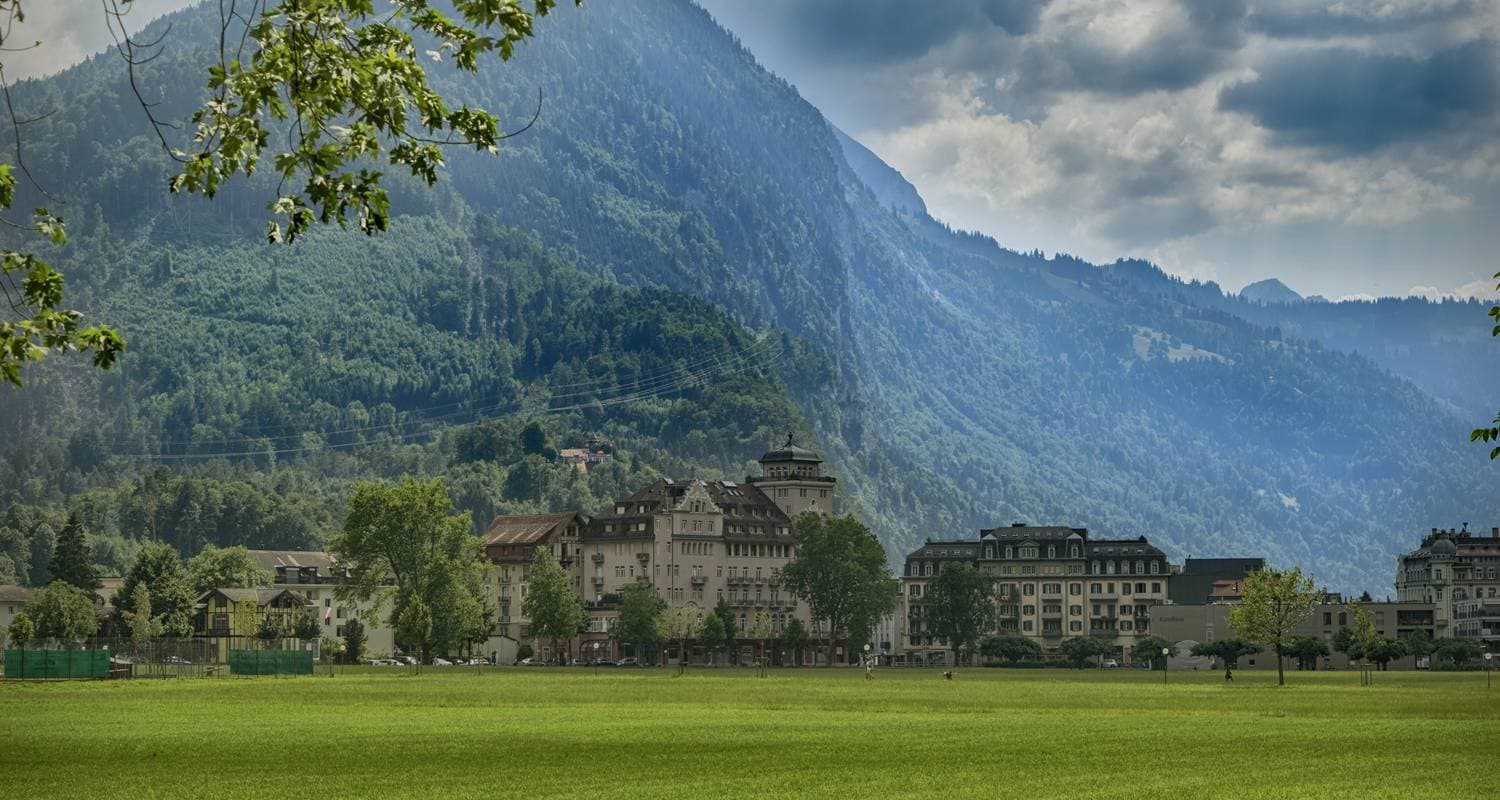
Scenic Switzerland by Train
9 days · Cosmos
5.0· 452 reviews✓ Instant confirmationtour from €3,532
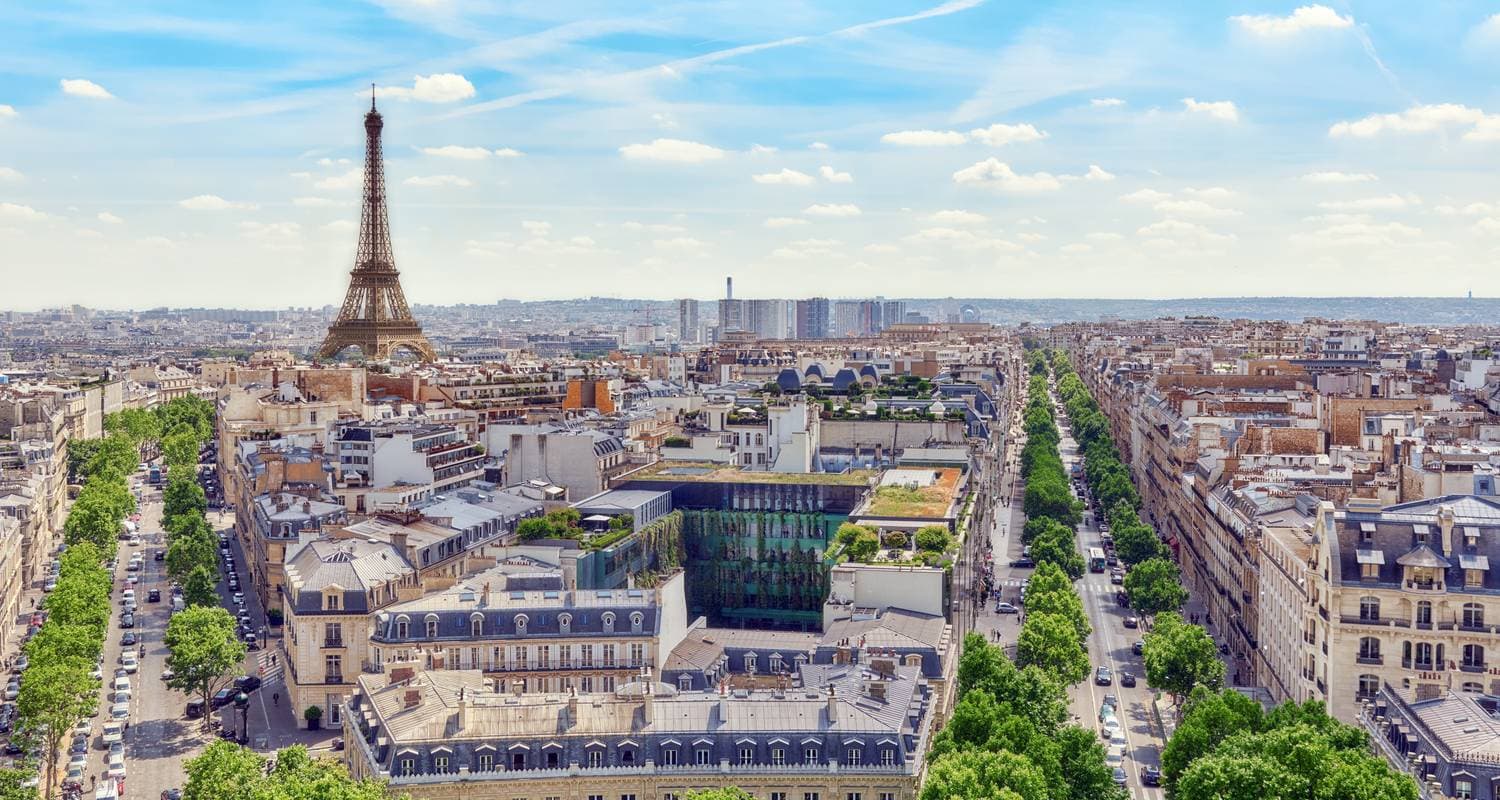
Europe Jewel
14 days · Expat Explore Travel
4.5· 388 reviews✓ Instant confirmationtour from €3,386
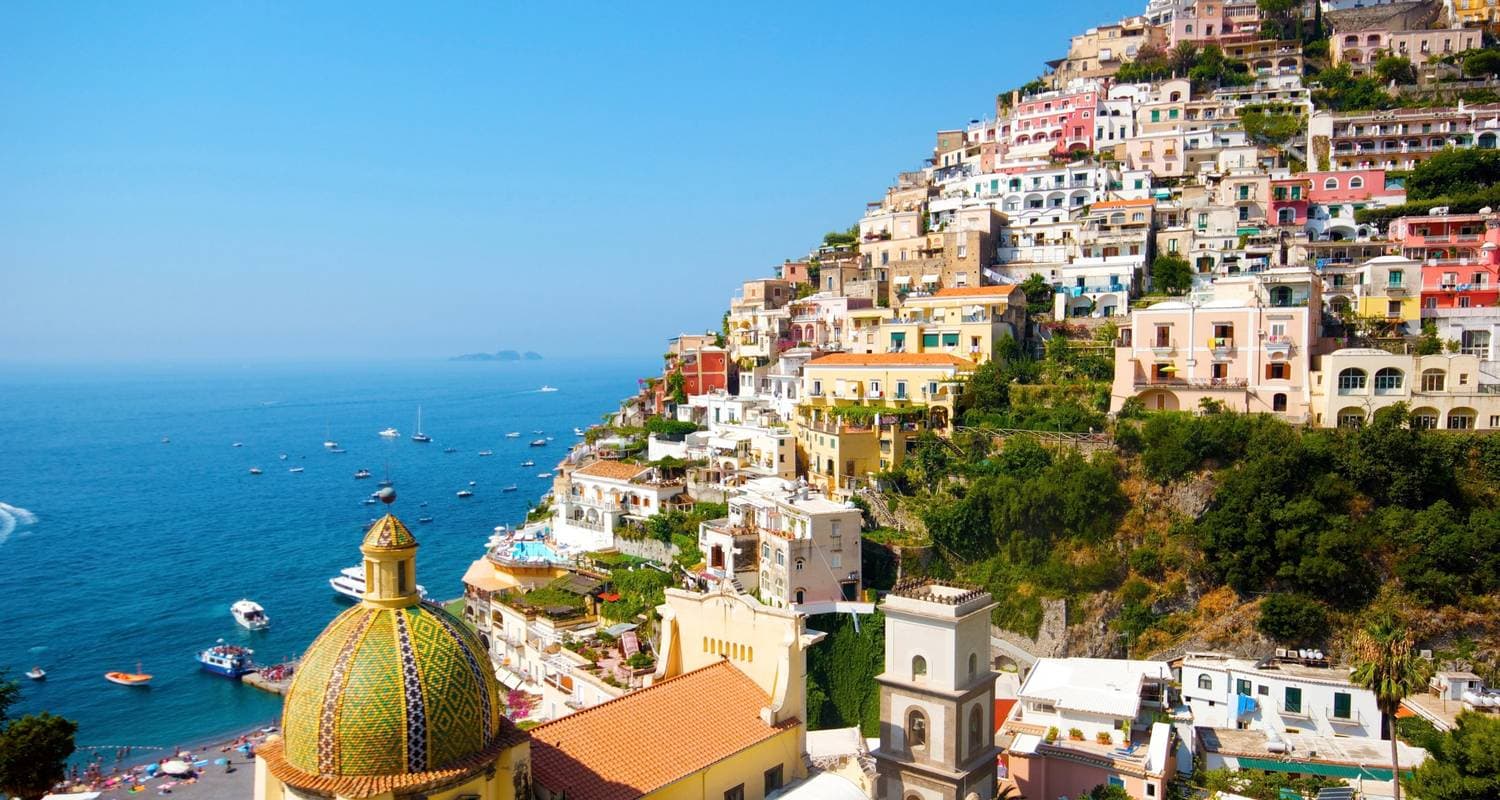
Walking the Amalfi Coast
8 days · Exodus Adventure Travels
4.4· 316 reviews✓ Instant confirmationtour from €2,029
Classic Europe
14 days · Expat Explore Travel
4.6· 289 reviews✓ Instant confirmationtour from €3,358
Seven Countries, Venice & Paris
10 days · Cosmos
4.9· 278 reviews✓ Instant confirmationtour from €2,235
Italy's three climate zones — Alpine, Central, Southern
Italy is longer than most travellers realise. A train from Milan to Palermo covers the same distance as Edinburgh to Marseille, and the weather at either end rarely agrees.
Alpine Italy (Dolomites, Lake Como, Trentino, northern Piedmont): proper snow from December through March, with reliable ski conditions at altitude into early April. Summer highs rarely exceed 26-28°C even in July, so this is where Italians escape when Rome and Florence become unbearable. July and August are peak hiking season with rifugios (mountain huts) fully booked 3-4 months ahead.
Central Italy (Tuscany, Umbria, Lazio, Rome): the zone that defines most first-time Italy itineraries. Spring arrives in April with 18-22°C days, May is reliably warm and green. June tips into 28-32°C. July and August hit 34-38°C in Rome and Florence with the Tiber and Arno valleys trapping heat. Autumn is excellent: September drops back to 26-28°C, October sits at 20-24°C with harvest season across Chianti and Montepulciano.
Southern Italy and Sicily (Naples, Puglia, Calabria, Sicily, Sardinia): hot Mediterranean summer (32-38°C in Palermo July-August) but mild winters where Palermo sits at 15-17°C in January while Venice sees fog and frost. Sea temperatures stay swimmable May through late October. Winter in Sicily is genuinely pleasant for cultural touring — Taormina, Syracuse and Agrigento work year-round.
Month by month: what Italy actually looks like
January: Rome 12°C, Venice 6°C, Palermo 15°C. Tour prices at yearly low, 30-40% below summer. Quiet museums in Rome and Florence. Venice empty and atmospheric. Epiphany (Jan 6) is a public holiday.
February: Rome 13°C, Venice 8°C, Palermo 16°C. Prices still low. Venice Carnival runs approximately Jan 31 - Feb 17, 2026 — hotel prices spike 60-100% in Venice only. Rest of Italy unaffected.
March: Rome 16°C, Venice 13°C, Palermo 18°C. Shoulder season begins. Easter falls April 5, 2026 — late Easter so March stays quiet and well-priced.
April: Rome 19°C, Venice 17°C, Palermo 20°C. Excellent weather. Easter week (Mar 30 - Apr 6) spikes Rome and Florence prices 25-35%. Post-Easter is a strong window.
May: Rome 24°C, Venice 22°C, Palermo 24°C. Sweet spot. Normal pricing, comfortable temperatures, long daylight. Republic Day (June 2) occasionally triggers a late-May travel bump.
June: Rome 29°C, Venice 26°C, Palermo 28°C. Warm and busy. Second half pushes into high season pricing.
July: Rome 33°C, Venice 29°C, Palermo 31°C. Peak crowds, peak prices, peak heat. Coastal Italy and Alpine Italy at their best.
August: Rome 34°C, Venice 30°C, Palermo 33°C. Ferragosto week (Aug 10-20) sees locals leave cities. Many restaurants close for 2-3 weeks. Tour prices hold peak, experience quality drops in cities.
September: Rome 28°C, Venice 25°C, Palermo 28°C. Second sweet spot. Harvest season in Tuscany and Piedmont.
October: Rome 22°C, Venice 18°C, Palermo 24°C. Truffle season in Alba (late Oct-Nov). Prices drop 15-20%.
November: Rome 16°C, Venice 12°C, Palermo 20°C. Quiet, rainy in the north, still warm in Sicily.
December: Rome 13°C, Venice 7°C, Palermo 16°C. Christmas markets in Bolzano and Trento. Christmas week spikes 30-40%.
Best time for a classic Rome-Florence-Venice tour
The classic 7-10 day Italy tour hits Rome, Florence and Venice, sometimes adding Cinque Terre or the Amalfi Coast. For this specific route, May and September are equally strong and decisively better than anything else.
May delivers 22-26°C days in all three cities, green Tuscan countryside at its photographic best, and wildflowers across Umbria. Crowds are present but manageable — the Vatican Museums still require a timed ticket but queues inside are 30-40% shorter than July. Hotel pricing sits at normal-season rates, typically 25-35% below August peak.
September mirrors May almost exactly on weather, with the bonus of harvest season. Chianti wineries run tastings with fresh-picked grapes, white truffle season begins in Alba late in the month, and the post-August school rhythm means fewer family groups. Venice sees its lagoon at calmest, clearest water of the year. Prices start at late-August levels and drop steadily through the month.
April and October are the honest backup options. April brings Easter-week pricing volatility and occasional rain. October cools faster in Venice (15°C days by month-end) but Rome and Palermo stay comfortable.
Avoid for this route specifically: mid-July through mid-August. The three cities all exceed 33°C, the Vatican queue can hit 3 hours, Florence's Uffizi books out 2 weeks ahead, and Venice's Rialto area becomes almost impassable mid-morning. The 'authentic Italy' most travellers are chasing is simply not visible under that volume of cruise-ship and coach-tour traffic.
The August Ferragosto problem
Ferragosto — the public holiday on August 15 — is the centre of Italy's annual shutdown, and it catches first-time visitors off guard every year.
The holiday originates as an Emperor Augustus festival and now functions as the peak of Italian summer holiday. Italians leave cities en masse for the coast, the Alps, and family homes in the countryside. The week of August 10-20, and often the entire back half of August, sees a genuine shutdown in Rome, Florence, Milan and Bologna: independent restaurants close for 2-3 weeks (some for the entire month), family-run trattorias lock up, neighbourhood bakeries go dark, and the authentic food culture most travellers fly to Italy for is simply not operating.
What stays open: hotel restaurants, tourist-strip venues near major sites, international chains, and anything that caters primarily to visitors. What you get is the Italy equivalent of eating at an airport food court while surrounded by other tourists doing the same.
Compounding the problem: temperatures hit peak, cruise-ship arrivals to Civitavecchia and Venice peak, coach tour schedules run at capacity, and prices stay at August premium. You are paying the highest rates for the lowest-quality urban experience of the year.
The exception is coastal and Alpine Italy. Amalfi Coast, Cinque Terre, Sardinia, Puglia and the Dolomites are where Italians themselves go — these regions run at full cultural speed in August, though crowded and expensive. If you must travel in August, book a coastal or mountain itinerary and skip Rome-Florence-Venice entirely. Come back in May or September for the cities.
Flight timing — LCCs, transatlantic, and when sales happen
Italy flight pricing has two distinct patterns depending on where you fly from.
From Europe: Ryanair, easyJet, Vueling, Wizz Air and ITA Airways compete aggressively on intra-European routes. Dublin-Rome, London-Milan, Berlin-Naples and similar routes drop to €30-60 return in November, January-February and late October, and sit at €120-200 return in July-August. Ryanair runs seat sales roughly every 4-6 weeks with a major round in mid-January (for spring-summer travel) and a second round in early September (for autumn-winter). Book 6-10 weeks ahead for shoulder season, 3-4 months ahead for July-August if flying from a major hub.
From North America: Delta, United, American, ITA Airways and Aer Lingus (via Dublin) run direct summer routes to Rome, Milan and Venice. Shoulder-season pricing (April-May, late September-October) sits at $550-800 return from East Coast hubs. Summer peak runs $1,100-1,700. Winter lows hit $400-550 return but require a stop. Book 3-5 months ahead for summer, 6-10 weeks for shoulder.
From Australia: there are no direct flights, so you connect via a Gulf or Asian hub (Emirates, Qatar, Etihad, Singapore) into Rome or Milan, with returns around A$1,800-2,600 in shoulder season and A$2,400-3,400 at the summer peak.
ITA Airways (the successor to Alitalia) and Lufthansa typically release a major summer sale in mid-January through mid-February. Black Friday and early December now produce genuine deals for spring travel — this was not true five years ago. Multiday.tours prices the flight live from your own airport in your own currency, so whatever your origin you see the real combined number.
For a classic May or September 10-day tour, our price-optimal booking windows are: book flights in late January or late August respectively, book the tour 4-6 months ahead. Multiday.tours bundles the two so you see the combined price across those windows rather than one at a time.
Ready to price your trip?
Enter your origin airport and month — we'll search live flight and tour prices and give you one bundled total per person.
Find combosFAQs
What is the best month to visit Italy?
May or September. Both deliver 22-28°C days across Rome, Florence and Venice, harvest-quality countryside (September especially), and crowds roughly 40% below July-August peak. Tour prices sit at normal-season rates, 20-30% below summer. May edges ahead for wildflowers and long daylight; September wins for harvest food, truffle season starting in Alba, and calmer Venetian lagoon water. Avoid July and August for Rome-Florence-Venice routes — the heat, queues and Ferragosto shutdown genuinely damage the experience.
Is August really that bad for Italy?
For the main cities, yes. Rome, Florence, Milan and Bologna see a genuine local shutdown around Ferragosto (August 15), with independent restaurants closed for 2-3 weeks and local culture effectively on pause. Temperatures peak at 33-38°C, tourist volumes peak, and prices stay at peak. What remains open caters mainly to visitors. For coastal Italy (Amalfi, Cinque Terre, Sardinia, Puglia) and Alpine Italy (Dolomites, Lake Como), August is the peak local season and still works — just crowded and expensive.
When is the cheapest time to visit Italy?
January, February and November. Tour prices drop 30-40% below July-August peak, intra-European fares fall to €30-60 return on the low-cost carriers (long-haul travellers from North America and Australia swap in winter transatlantic or one-stop fares — still the cheapest of the year, just higher), and Rome, Florence and Venice run at their quietest. Weather is cool but not brutal — Rome sits at 12-16°C in January, Palermo a mild 15-17°C. Venice Carnival (late January to mid-February 2026) spikes Venice only; the rest of the country stays at yearly-low pricing. November is particularly underrated for Tuscany and Umbria truffle season.
Is Italy good to visit in winter?
Yes, and it is consistently under-booked. Rome runs 30-40% cheaper than summer, the Vatican Museums have walk-in availability, and Palermo and Taormina sit at 15-17°C with open archaeological sites. The Dolomites deliver world-class skiing December through March. Christmas markets in Bolzano, Trento and Merano run late November through December 23. Venice in January and February is atmospheric, foggy and photographable without crowds. Skip winter only if your itinerary is specifically Amalfi Coast beach or Cinque Terre hiking focused.
When should I book a Rome-Florence-Venice tour?
For May or September travel, book 4-6 months ahead. Best small-group tour operators (Trafalgar, Intrepid, Collette, local Italian operators) sell out shoulder-season departures 3-5 months before departure, and the good Rome and Florence hotels they use book similarly early. For July-August travel, book 5-7 months ahead — August peak departures often sell out by February. Winter and November departures have more flexibility and can often be booked 6-10 weeks ahead without penalty.
How do I get cheap flights to Italy?
From Europe, Ryanair, easyJet, Vueling and Wizz Air run intra-European routes at €30-60 return in shoulder season. Their major sales hit mid-January (for spring-summer) and early September (for autumn-winter). From North America, ITA Airways, Delta, United and American publish summer sales in mid-January through February. Shoulder-season transatlantic fares to Rome, Milan or Venice sit at $550-800 return, peak summer $1,100-1,700. Book transatlantic 3-5 months ahead for summer, 6-10 weeks for April-May or September-October.
Watching a trip?
Once a month: where all-in prices actually dropped, from your airport. No spam, unsubscribe anytime.
Related destinations
- Italy Multi-Day Tours with Flights from €1,750Rome, Florence and Venice in ten days, or a full Grand Tour …
- Greece Multi-Day Tours with Flights from €1,220Athens and the Acropolis, Meteora's monasteries, the Santori…
- Portugal Multi-Day Tours with Flights from €1,325Lisbon trams, Porto's Ribeira, terraced vineyards of the Dou…
Related tour styles
Pick by trip length
Plan this trip from your city
- Multi-Day Tours from London with Flights IncludedBuilt for London travellers: LHR for long-haul, LGW for Euro…
- Multi-Day Tours from Dublin with Flights IncludedPackage tours from Dublin with flights included — one total …
- Multi-Day Tours from Vienna with Flights IncludedVienna is a central-European hub on Austrian Airlines with d…
- Multi-Day Tours from New York with Flights IncludedMulti-day tours from New York with flights included — one US…
- Multi-Day Tours from Toronto with Flights IncludedPearson is Canada's biggest long-haul hub, and with a weak l…