
The Best Time to Visit Greece (Month-by-Month, 2026)
May-June and Sep-Oct are the discover spots. July-August overheats and overruns. Winter is island-ferry dead.
By Adam, founding editor · Updated 18 June 2026
- ✓Best months: May, June, September, early October
- ✓Avoid: August (heat, crowds, 15 August Greek holiday)
- ✓Orthodox Easter 2026: 12 April — busy domestic travel
- ✓Ferry schedules collapse November-March on smaller islands
- ✓Sea temperature peaks in September (24°C)
- ✓Athens hits 40°C+ during July-August heatwaves
The best time to visit Greece in 2026 is May-June or September to early October. Those windows give you swimmable Aegean water (20-24°C), Athens under 32°C, the full ferry network humming on every island route, and tour prices 20-35% below the July-August peak. Peak summer is not wrong, it is just hot, dear and crowded. Santorini in August is one long queue; Athens hits 40°C+ and the Acropolis shuts midday for heat-safety. Winter (November to March) is lovely on the mainland but a ferry wasteland for the smaller Cyclades. Below, we go through Greece month by month: the temperatures you will actually meet in Athens, Santorini and Heraklion, when the ferry schedules wake up and when they fold, Orthodox Easter 2026, and exactly where the sweet spots fall for a classic mainland-plus-islands trip.
The Greece tours worth timing right
Prices are tour-only — add flights for the real total. You book the tour itself on TourRadar.
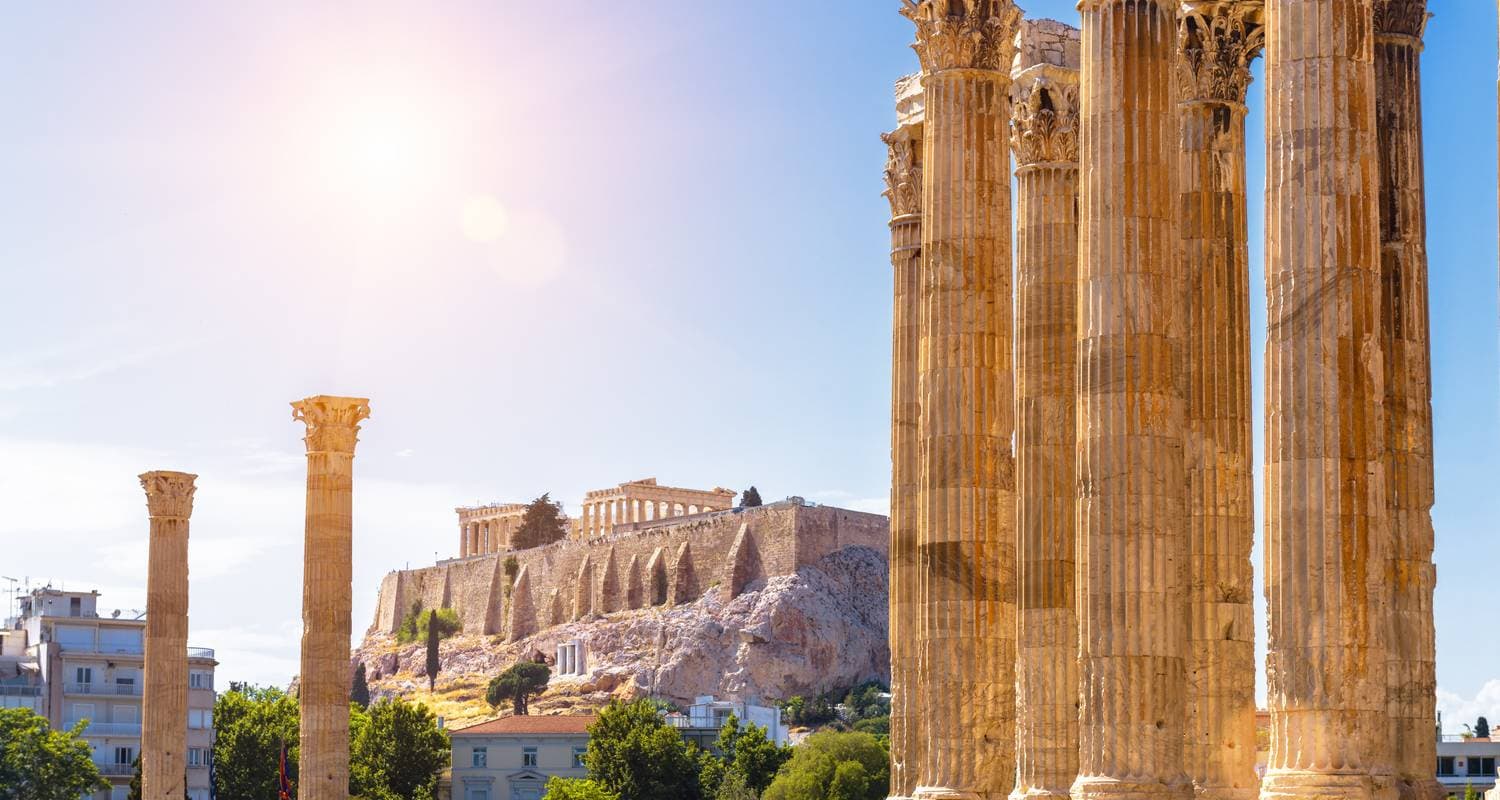
Greek Island Hopping (Plus)
11 days · Contiki
4.8· 812 reviews✓ Instant confirmationtour from €1,813
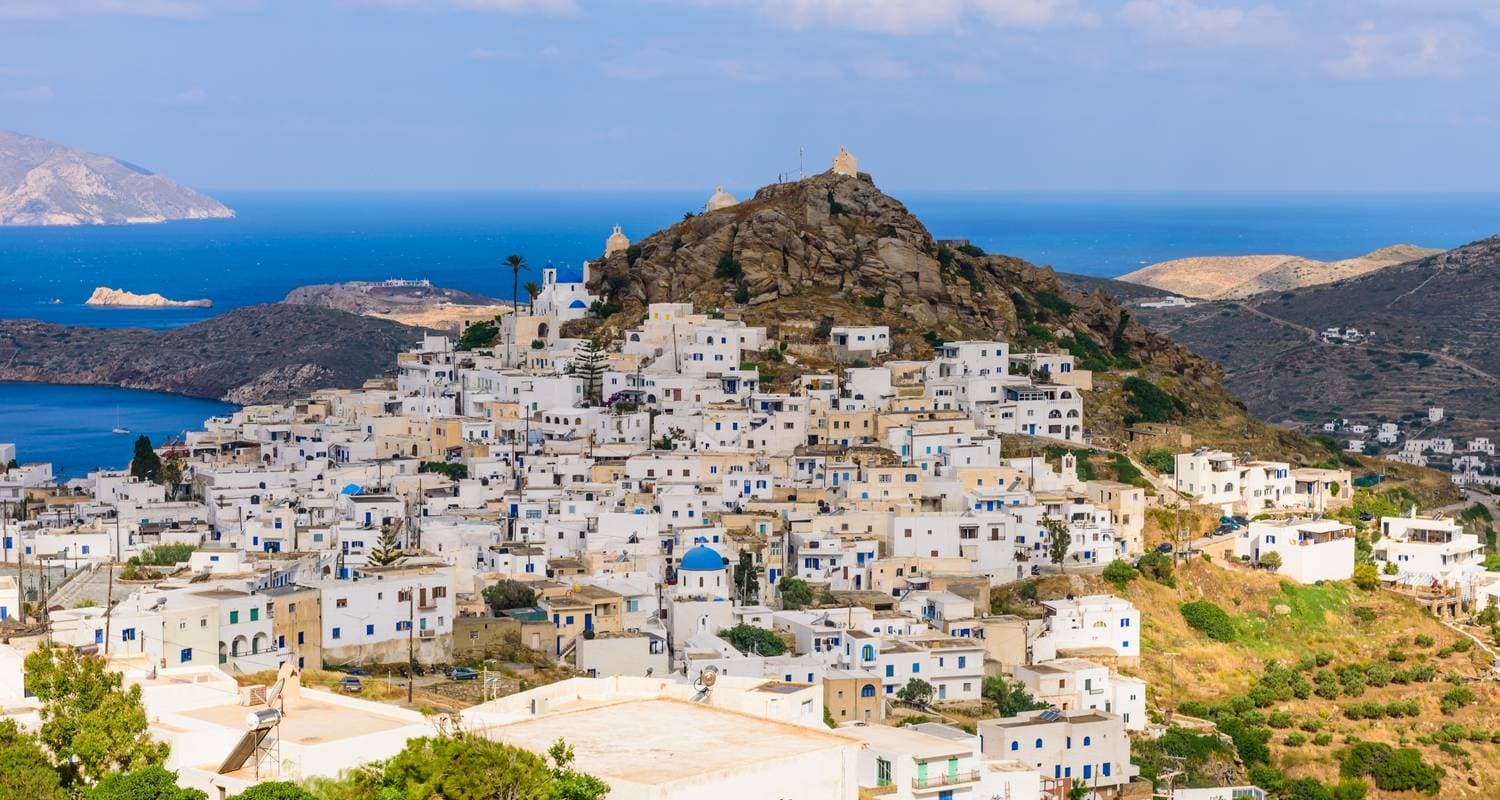
Greek Island Hopping (Standard)
11 days · Contiki
4.8· 812 reviews✓ Instant confirmationtour from €1,357
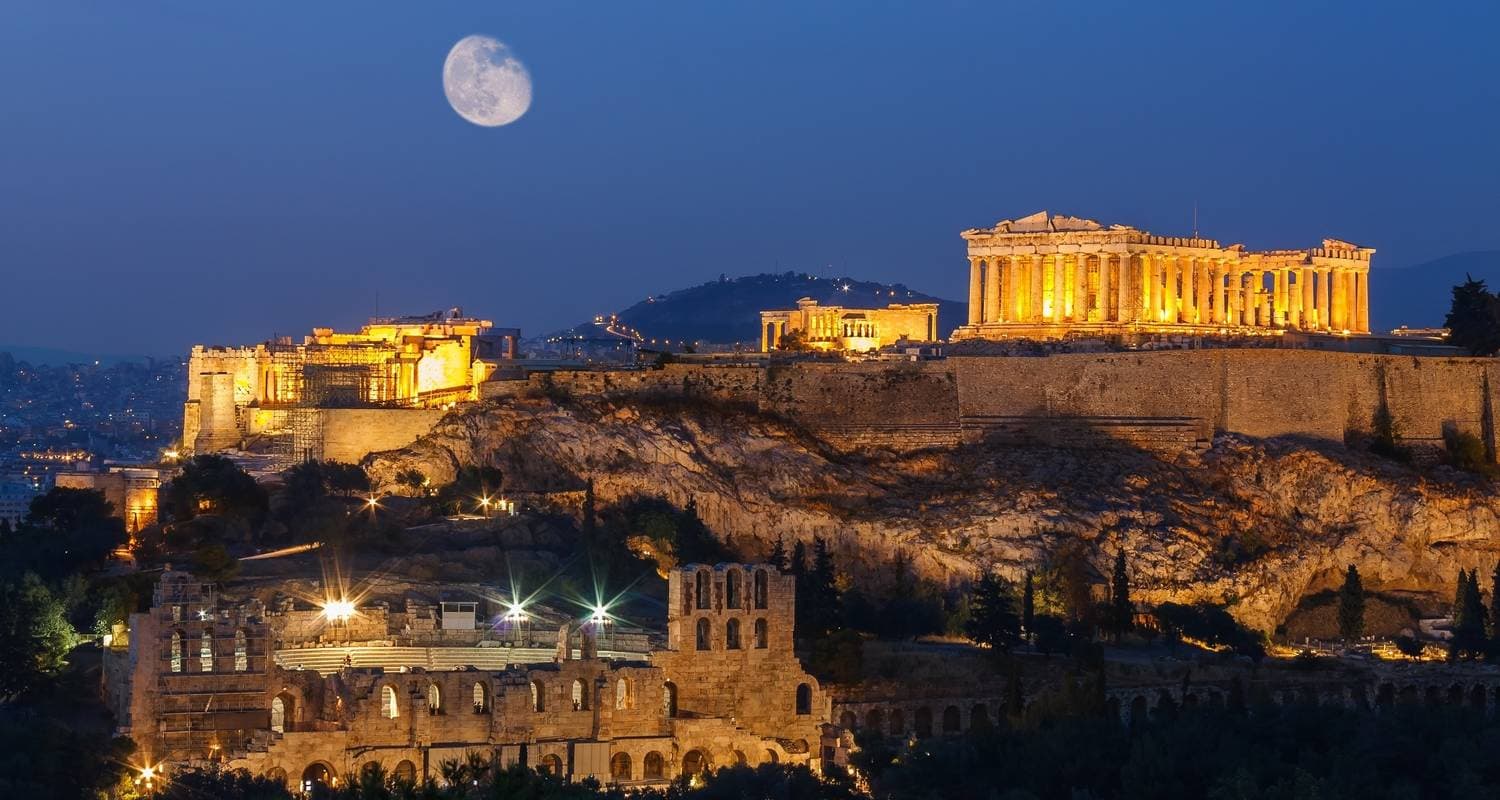
Best of Greece
10 days · Travel Talk
4.7· 197 reviewstour from €3,413
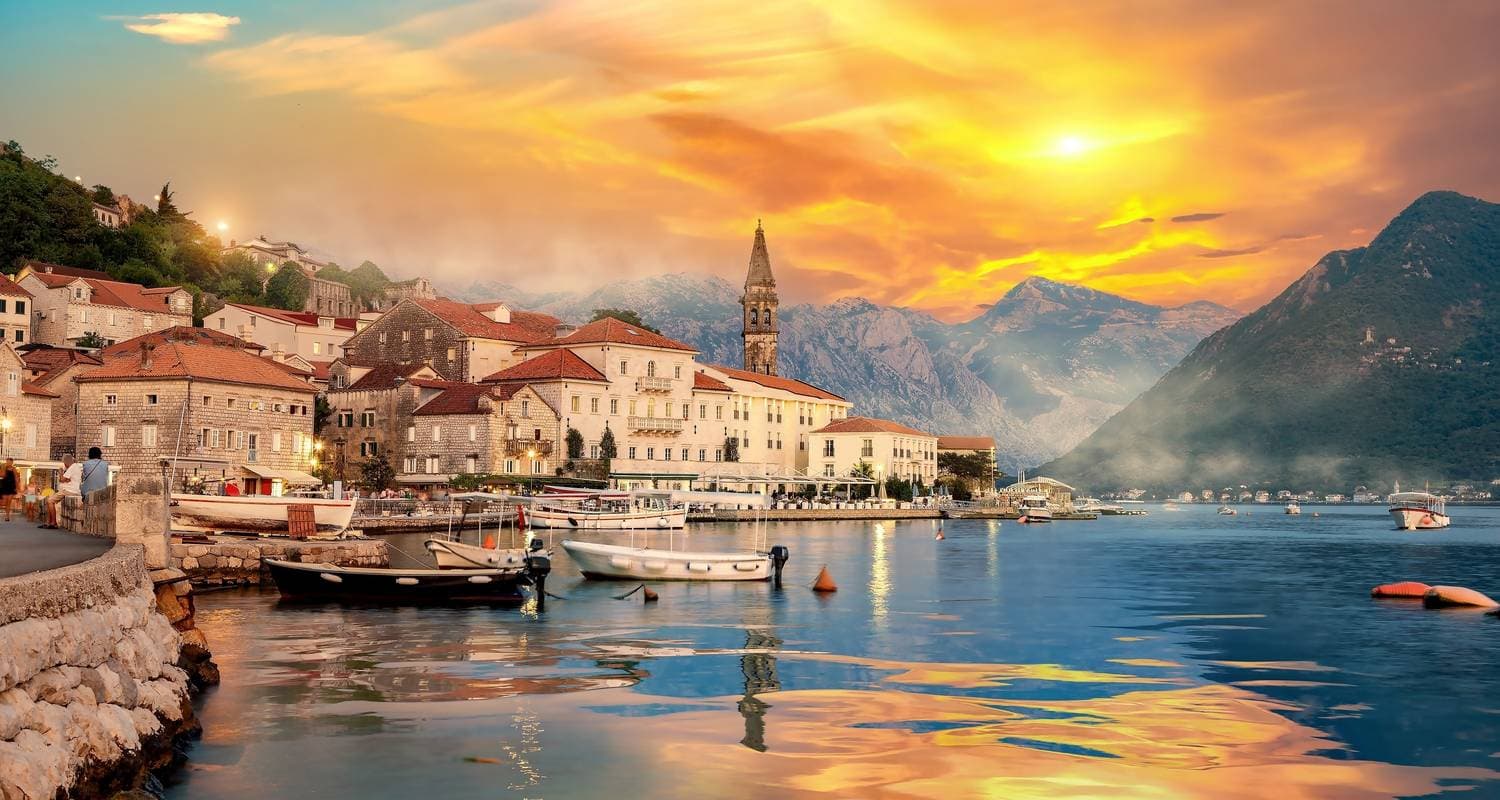
All About Balkans (4 Star Hotels)
12 days · Travel Talk
4.7· 193 reviewstour from €3,300

Greece Island Hopper
9 days · TruTravels
4.7· 169 reviews✓ Instant confirmationtour from €2,254
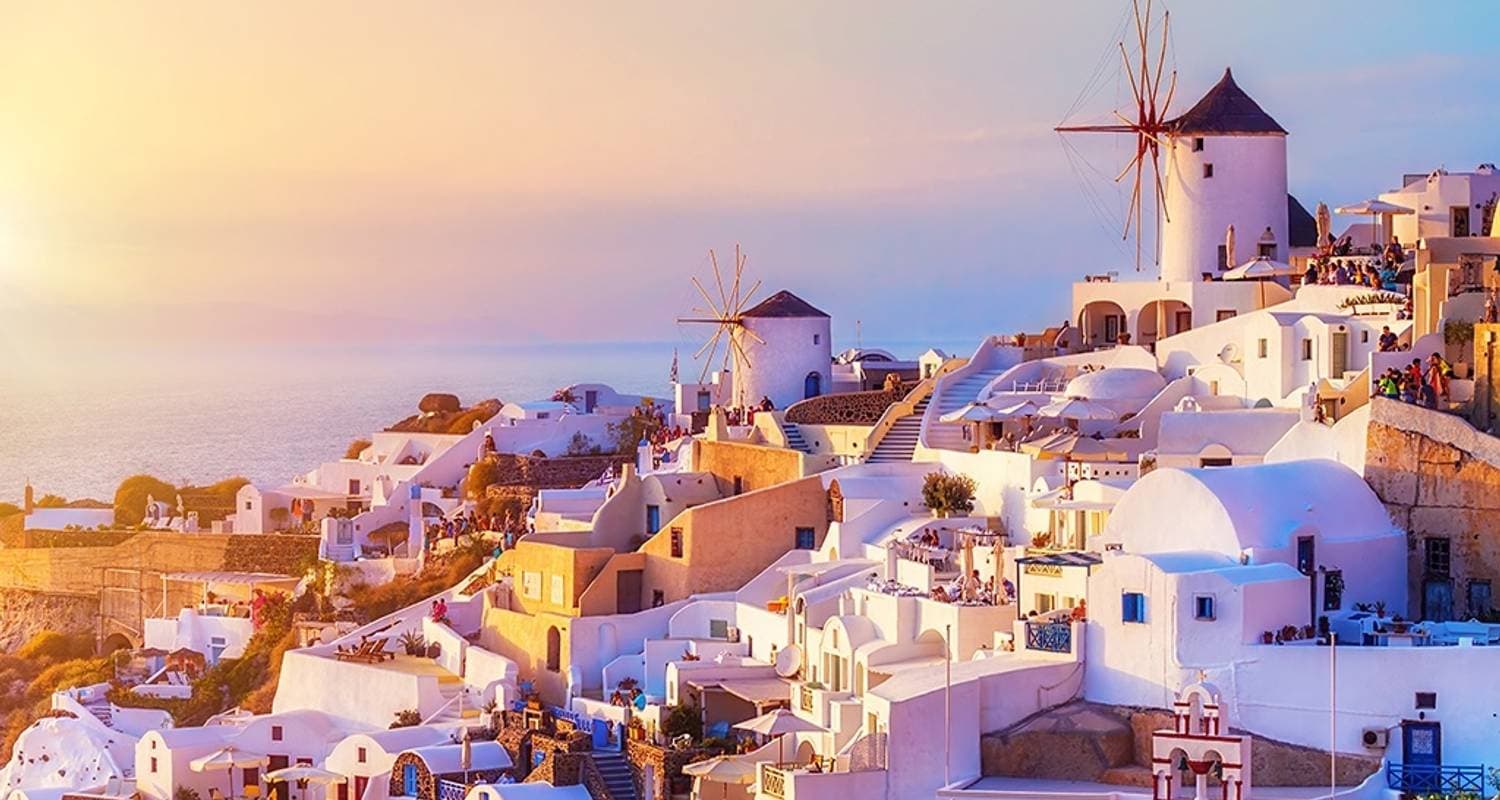
Greek Island Hopping | Semi guided Tour | 11 Days
11 days · Travel Zone
4.7· 127 reviews✓ Instant confirmationtour from €2,685
Mainland versus islands: two very different climates
Greece is not one climate. The mainland, especially Athens and Thessaly, runs hot and dry in summer and genuinely cold in winter. Athens hits 40°C+ during July and August heatwaves, and the Acropolis has been forced to close 12pm-5pm on extreme-heat days in recent summers. Expect that pattern to continue in 2026.
The Cyclades (Santorini, Mykonos, Naxos, Paros) get the meltemi wind from mid-July through August. It drops perceived temperature by 3-5°C versus Athens and makes sea-level evenings pleasant, but it can also cancel ferries and leave you stranded on a beach-facing balcony for a day.
Crete splits in two. The north coast (Heraklion, Chania) is Mediterranean and mild. The south coast gets hotter, drier and more North African in feel — often 3-4°C above Heraklion. The White Mountains inland hold snow into May.
Northern mainland mountains — Meteora, Epirus, Zagori — stay cooler year-round. Meteora monasteries are open to visitors on staggered schedules: most close one weekday per week (varies by monastery) and all close 1pm-3pm in low season. Holy week and Orthodox feast days restrict access. Always check the specific monastery's hours the week of your visit rather than relying on a generic list.
This split matters for tour planning. A September mainland-plus-Cyclades itinerary is comfortable everywhere. A July version is a sweat-through shirt in Athens and a queue at every Santorini viewpoint.
Month by month: what Greece actually looks like
January: Athens 13°C, Santorini 14°C, Heraklion 16°C. Mainland open, most islands quiet, ferries reduced. Prices 40-50% below summer. Mainland cultural tours only.
February: Athens 14°C, Santorini 15°C, Heraklion 16°C. Carnival season mid-month. Still ferry-thin. Good for Athens and Meteora, not islands.
March: Athens 16°C, Santorini 16°C, Heraklion 17°C. Wildflowers on mainland. Ferry schedules start expanding late March. Prices still 30-40% below peak.
April: Athens 20°C, Santorini 19°C, Heraklion 20°C. Orthodox Easter falls 12 April 2026 — expect busy domestic travel and religious processions. Ferries ramping. Prices normal.
May: Athens 25°C, Santorini 23°C, Heraklion 24°C. Full ferry schedule operating. Sea at 19-20°C (swimmable if hardy). Our top-three pick. Prices 15-20% below July.
June: Athens 30°C, Santorini 26°C, Heraklion 27°C. Sea at 22-23°C. Crowds building but bearable. Prime classic itinerary month.
July: Athens 34°C, Santorini 28°C, Heraklion 29°C. Meltemi starts. Peak crowds, peak prices. 25-35% premium over May.
August: Athens 35°C (often 40°C+), Santorini 28°C, Heraklion 30°C. Greek domestic holiday 15 August — everything full. Avoid unless dates are fixed.
September: Athens 30°C, Santorini 25°C, Heraklion 27°C. Sea at peak 24°C. Our single best month.
October: Athens 23°C, Santorini 21°C, Heraklion 23°C. First half strong. Ferries reduce from mid-month. Prices 20-30% below August.
November: Athens 18°C, Santorini 18°C, Heraklion 20°C. Smaller-island ferries shut. Mainland tours only.
December: Athens 14°C, Santorini 15°C, Heraklion 17°C. Athens and Meteora work. Islands mostly closed.
Ferry schedule reality — the make-or-break detail
Greek island ferry schedules are not a year-round grid. They expand and contract with the season, and this is the single most common trip-planning mistake.
Full schedule (late May to early October): every major route runs daily or near-daily. Piraeus to Santorini: 4-6 sailings a day between fast ferries (Blue Star, SeaJets, Minoan) and conventional boats. Mykonos-Naxos: 6-8 daily. Santorini-Crete (Heraklion): 3-5 daily, mostly high-speed, 2 hours. Inter-Cyclades hops (Santorini-Ios-Naxos-Paros) run as milk-run routes multiple times daily.
Shoulder (April and mid-October to early November): roughly 50-70% of peak schedule. Main routes still daily but with fewer operators. Island-to-island connections drop to 1-2 per day. Pre-book because capacity is lower.
Off-season (November to March): this is where planning breaks down. Piraeus-Santorini drops to 2-4 sailings per week on conventional ferries (8-9 hours overnight). Santorini-Crete can drop to 2 weekly. Smaller islands like Folegandros, Amorgos, Koufonisia become 1-2 sailings per week or stop entirely. Mykonos-Naxos still works but with gaps.
High-speed catamarans largely stop in winter. If you see a fast-ferry timetable online, check the operating date range — many only run April-October.
Weather cancellations are common year-round but especially July-August (meltemi) and December-February (winter storms). Always build a buffer day before your flight home if travelling off-season.
Best windows for classic mainland-plus-islands tours
A classic Greece tour (Athens, Delphi, Meteora, then one or two islands) rewards three windows: May, June and September, plus early October if you are willing to skip swimming.
May is the most underrated. Wildflowers still visible on the mainland. Athens at 25°C — ideal for walking the Acropolis, Ancient Agora and the new Acropolis Museum without heat-stress. Meteora sunrises are cool and clear. Ferries are fully operational from around 10 May. Sea temperature is 19-20°C, swimmable if you don't mind a chill. Prices 15-20% below July. Tour capacity is good — easier to book 6-8 weeks out than in July.
June hits the sweet spot for most travellers. Sea at 22-23°C, mainland at 28-30°C, ferries at full schedule, and the crowd wave has not yet arrived. First two weeks are notably quieter than late June.
September is our single strongest month. Sea at 24°C (warmest of the year — it holds summer heat). Athens drops to 28-30°C. Meltemi winds fade. Crowds thin out after the first week as European school holidays end. Prices drop 20% from August by mid-month.
Early October (first two weeks) works for land-heavy itineraries. Ferries still run, weather is pleasant 22-24°C, museums and sites are quiet. Skip the swimsuit, pack a light jacket for Meteora evenings. After mid-October, ferry schedules start thinning and island tavernas start closing for winter.
Flight timing: Athens, Thessaloniki and direct-island routes
Athens (ATH) is the main gateway and stays well-connected year-round. From across Europe, Ryanair, easyJet, Wizz Air, Aegean and the full-service carriers compete heavily — return fares sit at €80-€180 in shoulder months (April-May, October) and jump to €220-€400 in July-August. Flight sales for summer 2026 typically hit in late January and early February; book by mid-February for the best fares. Long-haul travellers from North America and Australia connect to Athens via a European or Gulf hub (Emirates, Qatar, Turkish, Lufthansa, BA), swapping in higher fares — roughly US$700-1,100 from North America and A$1,600-2,400 from Australia in shoulder season. Multiday.tours prices the flight live from your own airport in your own currency.
Thessaloniki (SKG) is the northern gateway and a smart option if your itinerary includes Meteora, Halkidiki or the Zagori region. It is 30-40% cheaper from most European hubs than Athens in peak summer and sees less congestion. Aegean runs domestic connections to major islands.
Direct-island flights matter for short trips. Mykonos (JMK) and Santorini (JTR) both get direct European flights May-October only. Ryanair, easyJet, Eurowings, British Airways and others fly direct from London, Manchester, Milan, Paris, Berlin, Amsterdam and Vienna between roughly 1 May and 15 October. Outside that window, you connect through Athens on Aegean or Olympic.
For a one-week island-only trip (common for returning Greece visitors), flying direct to JTR or JMK saves a full day versus Athens-plus-ferry. For a two-week mainland-and-islands trip, Athens in and Athens out is almost always more efficient than trying to mix gateways.
Sale timing: European LCCs run their main Greek-route flash sales in late January, mid-March and early June (last-minute shoulder). Aegean runs frequent member-only fares — worth signing up for Miles+Bonus.
Ready to price your trip?
Enter your origin airport and month — we'll search live flight and tour prices and give you one bundled total per person.
Find combosFAQs
What is the best month to visit Greece?
September is the single strongest month for most travellers. Sea temperature peaks at 24°C, Athens drops to a comfortable 28-30°C after the August heat, meltemi winds fade, and European school-holiday crowds thin out from the first week onwards. Ferries still run full schedules until late October. May and June are close seconds, with May offering the best value and June the best heat-plus-swim balance. Avoid August if you can — it is peak heat, peak crowds, peak prices, and 15 August is a major Greek holiday when everything books out.
Is Greece too hot to visit in July and August?
Athens and the mainland, often yes. Daytime highs sit at 34-38°C and spike above 40°C during heatwaves, which have closed the Acropolis midday in recent summers. Meteora and inland sites are uncomfortable for sustained walking. The Cyclades are more manageable because of the meltemi wind, which drops perceived temperature by 3-5°C. Crete is hot but bearable on the north coast. If you must travel in peak summer, favour island-heavy itineraries over mainland cultural tours, and book sites with early-morning or late-afternoon timed entry.
Can I visit Greek islands in winter?
Mostly no, or only with heavy planning. From November to late March, ferry schedules collapse for smaller Cyclades — Folegandros, Amorgos, Koufonisia can drop to one or two weekly sailings or stop entirely. Santorini and Mykonos still get ferries and year-round flights through Athens, but many hotels, tavernas and tour operators close for winter. Crete runs year-round because it has a major airport and functioning towns. If you want a winter Greece trip, do mainland cultural sites — Athens, Delphi, Meteora, Thessaloniki — and skip the islands.
How does Orthodox Easter affect Greek travel in 2026?
Orthodox Easter falls on 12 April 2026. It is the biggest holiday in the Greek calendar, bigger than Christmas. Expect heavy domestic travel Holy Thursday to Easter Monday, busy ferries and internal flights, many shops and some museums closed on Good Friday and Easter Sunday, and religious processions in every town. It is also a culturally rich time to visit — midnight church services, lamb roasts, candle-lit streets. Book accommodation 3-4 months ahead for Easter week and expect 15-25% price premiums on most routes.
When are Greek ferries fully operational?
The full ferry grid runs from roughly late May to early October. During this window, Piraeus-Santorini gets 4-6 daily sailings, Mykonos-Naxos 6-8, and Santorini-Crete 3-5. Shoulder months (April, mid-October to early November) run at 50-70% of peak frequency. Off-season (November to March) drops to 2-4 weekly sailings on main routes and 0-2 weekly on smaller islands. High-speed catamarans largely stop running in winter. Always check operator websites like Ferryhopper or OpenSeas for actual dates — printed timetables vary by season.
When should I book flights to Greece for summer 2026?
For peak summer (July-August), book by mid-February 2026 to catch the main European low-cost flash sales, which typically hit late January through early February. Expect €220-€400 return from most European hubs. For shoulder months (May-June, September-October), flights stay flexible longer and €80-€180 return is achievable up to 6-8 weeks out. Travellers from North America and Australia connect via a European or Gulf hub and pay more (roughly US$700-1,100 and A$1,600-2,400 in shoulder season) — Multiday.tours prices it live from your own airport. Direct flights to Santorini (JTR) and Mykonos (JMK) only operate 1 May to 15 October — outside that window you connect through Athens on Aegean or Olympic, which adds a half-day to the trip.
Watching a trip?
Once a month: where all-in prices actually dropped, from your airport. No spam, unsubscribe anytime.
Related destinations
- Greece Multi-Day Tours with Flights from €1,220Athens and the Acropolis, Meteora's monasteries, the Santori…
- Italy Multi-Day Tours with Flights from €1,750Rome, Florence and Venice in ten days, or a full Grand Tour …
- Turkey Multi-Day Tours with Flights from €1,000Cappadocia balloons at sunrise, the Blue Mosque at dusk, Pam…
Related tour styles
Pick by trip length
Plan this trip from your city
- Multi-Day Tours from London with Flights IncludedBuilt for London travellers: LHR for long-haul, LGW for Euro…
- Multi-Day Tours from Dublin with Flights IncludedPackage tours from Dublin with flights included — one total …
- Multi-Day Tours from Vienna with Flights IncludedVienna is a central-European hub on Austrian Airlines with d…
- Multi-Day Tours from New York with Flights IncludedMulti-day tours from New York with flights included — one US…
- Multi-Day Tours from Toronto with Flights IncludedPearson is Canada's biggest long-haul hub, and with a weak l…
Deeper reading
- The Perfect 10-Day Greece Itinerary (Route, Day by Day)Ten days is the Greece sweet spot: Athens and the mainland c…
- How Much Does a Greece Tour Cost? The Honest All-In NumberA week to ten days in Greece runs roughly €1,500–€2,900 (≈$1…
- How to Choose a Guided Tour: A Practical Buyer's GuideWhat to ask before you book. Group size, pace, inclusions, o…