
Croatia Multi-Day Tours with Flights from €1,165
Split and Dubrovnik, Plitvice waterfalls, and a week of sailing between Hvar, Brac and Korcula. One bundled price, two quick bookings.
Edited by Multiday.tours editor
- ✓8-day Croatia tours from around €1,165 before flights
- ✓Return flights to Split or Dubrovnik €90-€180 in shoulder season
- ✓Best months: June and September; May and October for value
- ✓Sailing trips from €570 for 4 days; coach tours €1,195+ for 7 days
- ✓Main gateways: Split (SPU), Dubrovnik (DBV), Zagreb (ZAG)
- ✓Top operators: G Adventures, Explore!, Katarina Line, Gulliver Travel
Croatia sits squarely in Europe's mid-price bracket in 2026. A typical 8-day small-group coach or sailing trip starts from around €1,165 a head, with most travellers landing nearer €1,570 and the smarter trips pushing €2,245. Add a return flight from most European hubs and you are looking at roughly €1,300 to €2,100 all-in for a week on the Dalmatian coast. The familiar names here are G Adventures, Explore!, Intrepid, Gulliver Travel, Katarina Line, Go Croatia Sail and MedSailors. What follows is the honest version: what 7, 8 and 10-day itineraries really include, where sailing beats the coach and where it doesn't, the truth about the inter-island ferries, and how to time flights to Split, Dubrovnik or Zagreb so the whole thing adds up.
The tours doing the heavy lifting here
Prices are tour-only — add flights for the real total. You book the tour itself on TourRadar.
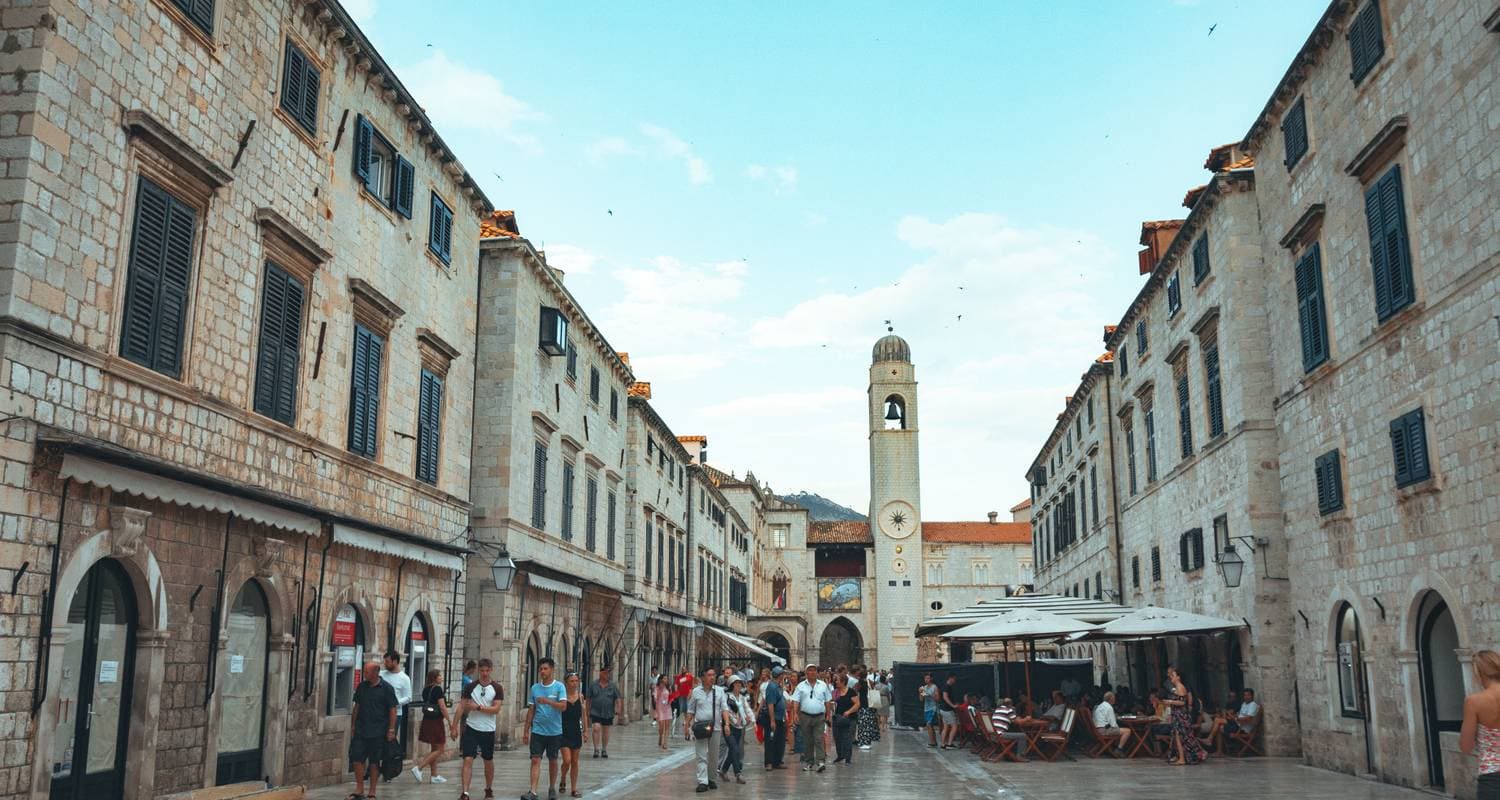
CROATIA SAIL - Split to Split (The Dalmatian Voyager)
8 days · Koda Sail
4.9· 511 reviewstour from €1,462
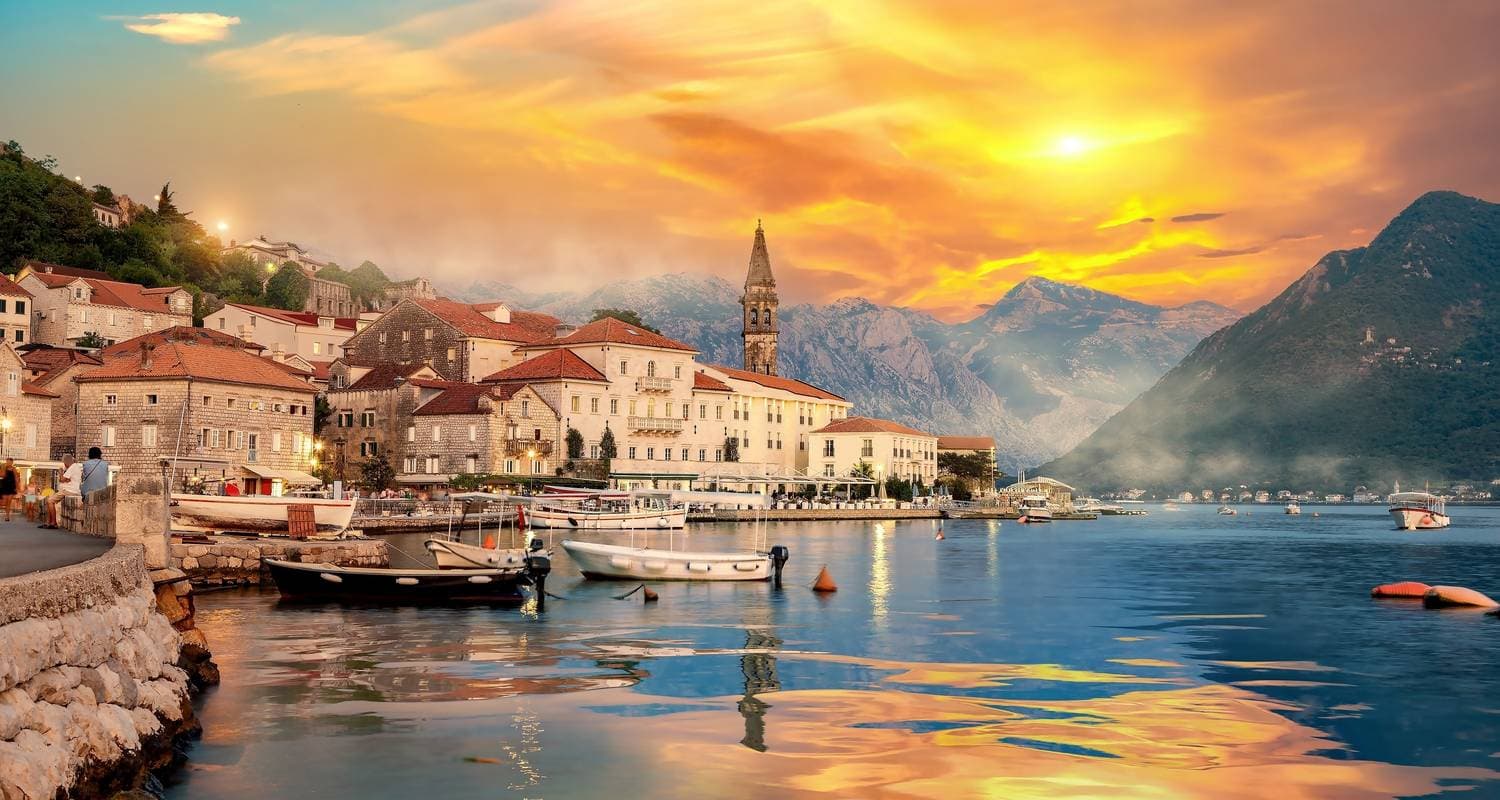
All About Balkans (4 Star Hotels)
12 days · Travel Talk
4.7· 193 reviewstour from €3,300

Balkan Kaleidoscope
14 days · Penguin Travel
4.3· 191 reviewstour from €1,181
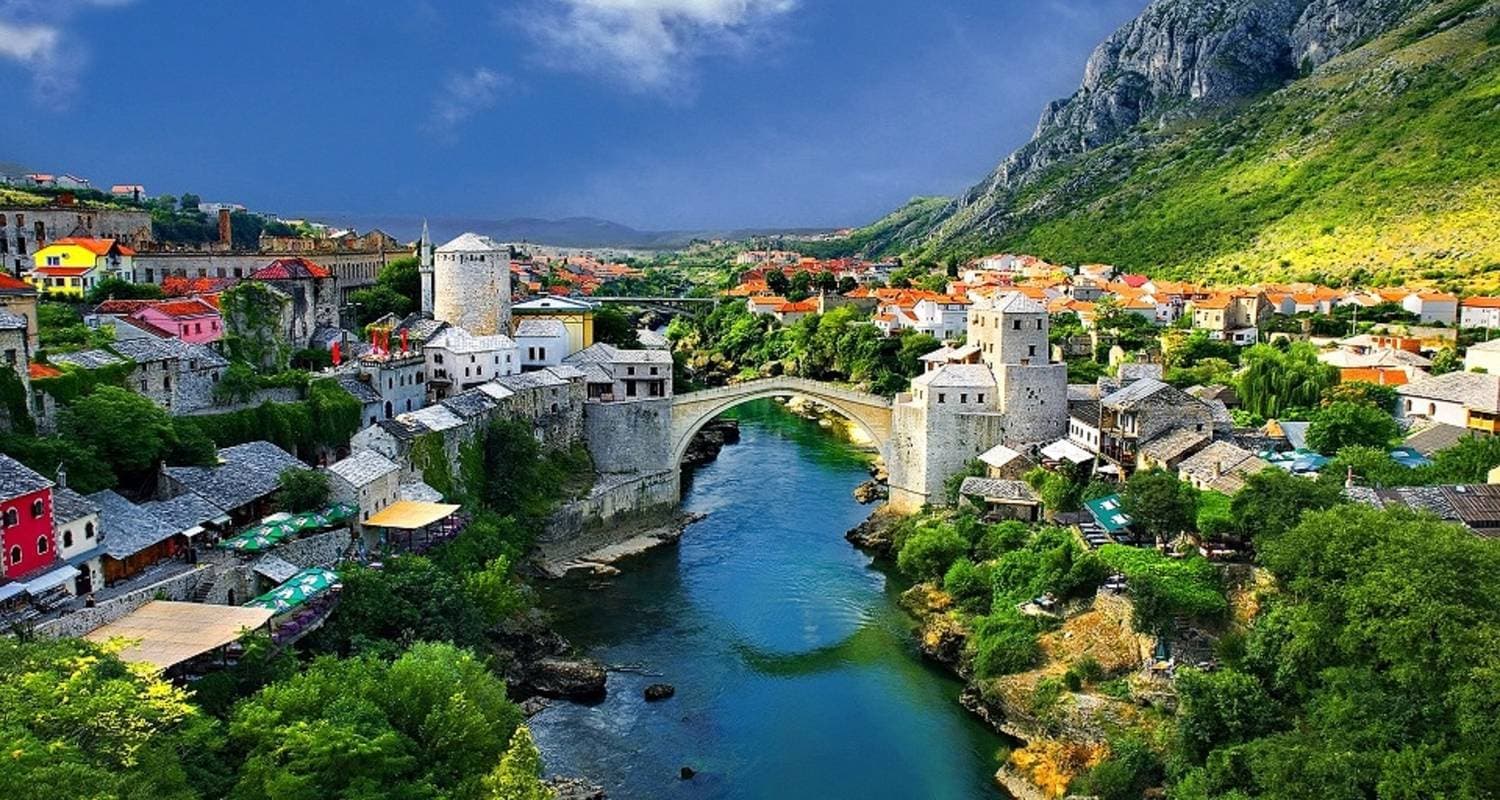
Best of Balkans (4 Star Hotels)
9 days · Travel Talk
4.8· 149 reviewstour from €2,464
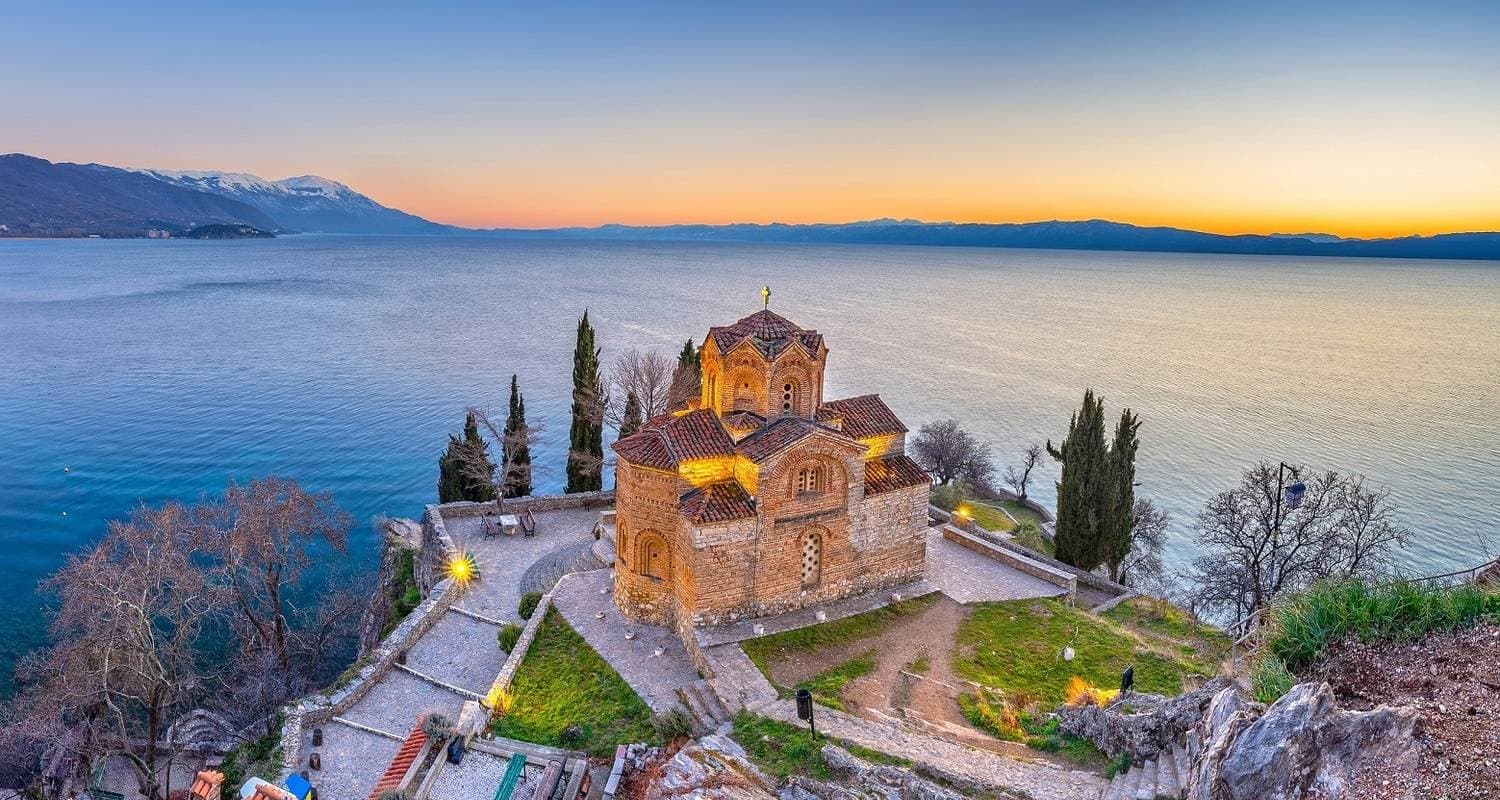
Balkan Discovery (4 Star Hotels)
10 days · Travel Talk
4.8· 119 reviewstour from €2,563
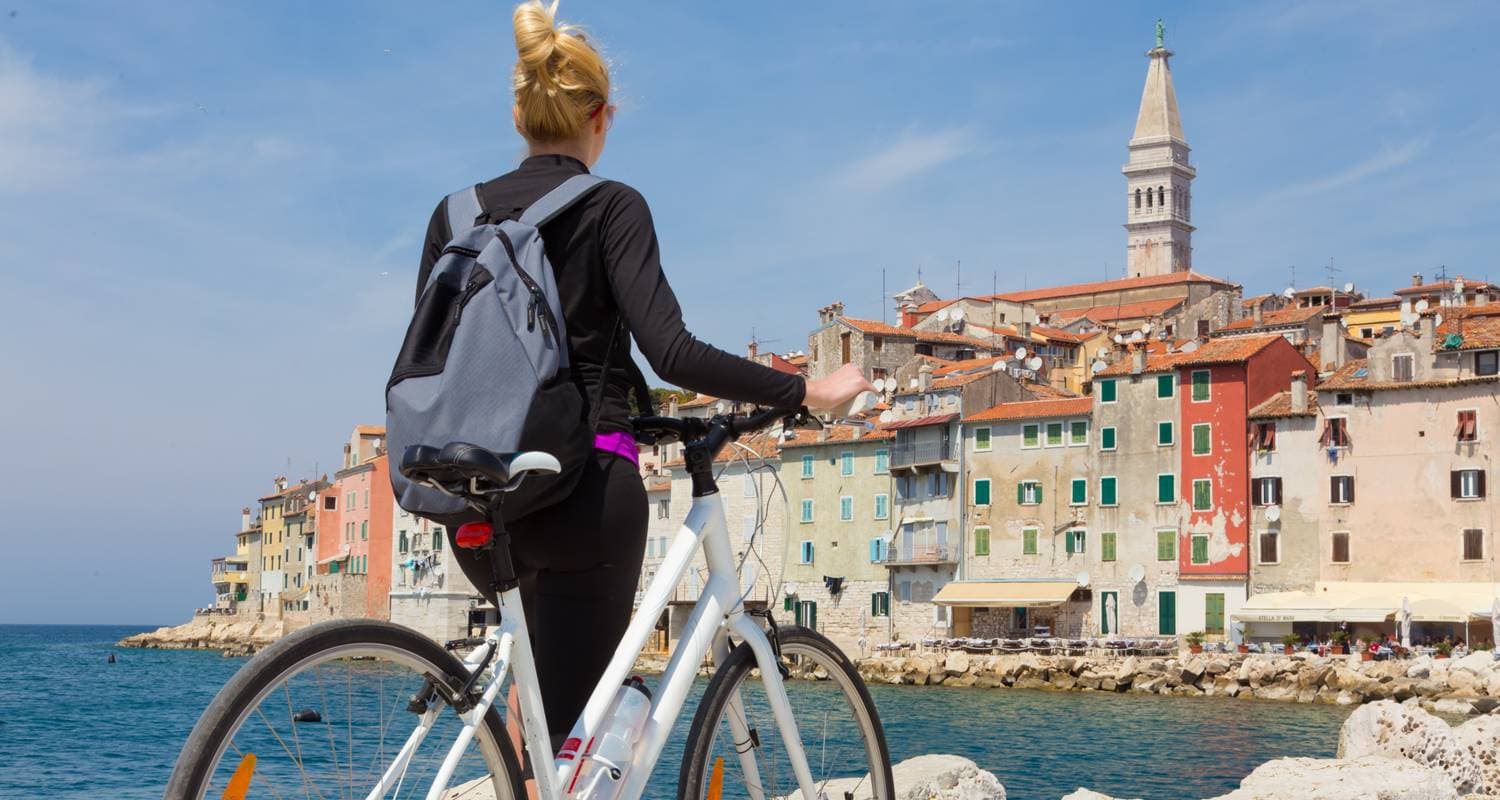
Cycle the Dalmatian Coast
8 days · Explore!
4.5· 99 reviews✓ Instant confirmationtour from €2,208
What a classic 7 to 10 day Croatia tour looks like
The standard Croatia coach tour runs Zagreb to Dubrovnik, or the reverse, with Plitvice Lakes National Park, Split and Hvar threaded in between. G Adventures' 7-day Zagreb to Dubrovnik: Parties & Plitvice Lakes, from around €1,195 before flights, is the trip to measure the rest against. Explore!, Intrepid and On The Go Tours all run a similar shape in the €1,400-€1,700 range over 8 days, with slightly smaller groups and a few more meals included.
A realistic day-by-day: two nights in Zagreb, a half-day at Plitvice, an overnight in Zadar or Sibenik, two nights in Split with a Hvar day trip, a long coastal drive south to Dubrovnik with a Korcula or Peljesac wine stop, then two nights inside the Dubrovnik walls. The pace is moderate, though roughly one day in three is a long bus day, which matters because the coastal road is all curves and nobody wants to eat lunch on a mountain switchback.
Reckon on walking 6 to 10 km a day over cobbles and ramparts, especially in Dubrovnik. Most tours throw in daily breakfast and two or three dinners; the rest of the lunches and dinners are on you at €15-€30 a head in the tavernas, more in Hvar and the Dubrovnik old town. Entry to Plitvice (roughly €40 at peak) and the Diocletian's Palace cellars is usually bundled into the price.
Sailing versus coach: picking the right Croatia tour style
Croatia is the one country where sailing genuinely rivals the coach for first-timers, so it is worth two minutes on the trade-off.
G Adventures' Sailing Croatia trips (7 to 8 days, €1,400-€1,900) put you on a small yacht with eight to fourteen others. The cabins are tight, a double berth and a bathroom the size of a phone box, but you wake up in a different bay every morning, and that never gets old. Katarina Line and Gulliver Travel run mini-cruiser ships, 30 to 40 guests with proper cabins and above-deck dining, in the €1,500-€2,200 range; the feel is closer to a river cruise than a yacht.
Sail Croatia and Go Croatia Sail go after the 18-35 and 30-49 party crowds. Go Croatia Sail's 4-day Split to Dubrovnik Classic Plus, from around €570, is essentially a floating bar crawl with swim stops. Brilliant if that is what you came for, a very long week if it isn't.
MedSailors and The Yacht Week sit at the higher-spending party end, and the Yacht Week is less a tour than a flotilla festival, at €600-€900 a head before food and fuel.
Go by coach if you want Plitvice, Zagreb and inland Croatia in the mix. Go by sail if it is swimming, islands and waking up offshore you are after. Can't decide? Do a 7-day coach and bolt a 3 or 4-day sail onto one end.
Island-hopping: Hvar, Brac, Korcula, Vis and the ferry reality
The main Dalmatian islands run in a rough line south from Split. Hvar is the famous one, all lavender fields, a 16th-century fortress above town and the nightlife that made its name. Brac is quieter, and home to Zlatni Rat, the shifting pebble spit on every Croatia postcard. Korcula is the walled mini-Dubrovnik where Marco Polo may or may not have been born. Vis is the furthest out, the most peaceful, and the Mamma Mia 2 island.
Jadrolinija runs the main ferry network. Split to Hvar town takes an hour on a fast catamaran (about €10) or two hours on the car ferry into Stari Grad (about €7 as a foot passenger). Split to Vis is 2.5 hours. Korcula from Dubrovnik is a Krilo catamaran, two hours, around €27. In July and August book your ferries 2 to 4 weeks ahead, as walk-up tickets sell out regularly on the popular runs.
A do-it-yourself four-island week from Split realistically runs two nights Hvar, two nights Vis, two nights Korcula and an overnight in Dubrovnik. It is doable, but you will spend a real slice of each day on boats. Group sailing tours cover the same loop without the ferry faff, and usually come in cheaper once you fold in the hotels.
If you only have time for one island, make it Hvar for the view from the fortress, or Vis for the quiet.
Best time to visit Croatia and what it costs you
The coast has a tight good-weather window. June and September are the two ideal months: the sea is swimmable (20-24°C), highs sit at 25-28°C, and the old towns are busy without being crushed. Shoulder-week prices land close to the lower end you will have seen quoted, so you get the best of the season for not much more than its cheapest.
July and August are peak. Dubrovnik's old town gets genuinely overwhelmed between 10am and 4pm, when cruise ships can tip 5,000 day-trippers into a place with 1,500 residents. Hvar doubles in price. Operators add 15-25% surcharges and flights from Europe jump €100-€200. The swimming is glorious and the evenings are long, but you pay handsomely for both.
May and early October are the value sweet spot. The water is cooler (18-21°C), some island bars and restaurants are still cranking up or already winding down for the season, but Plitvice is at its loveliest and tours drop 10-15%. Easter through mid-May is fine for the cities and lakes, if a touch chilly for swimming.
November through March is the off-season, and many island hotels and restaurants shut up shop entirely. Zagreb keeps going all year (its Advent Christmas market is superb), Plitvice stays open and eerily quiet, and Dubrovnik is lovely in a woolly-jumper sort of way. A handful of operators run winter city-focused trips at 30-40% off.
Getting to Croatia: flights from the US, Australia, Canada and Europe
You have three realistic gateways, and the right one comes down to where your tour begins. Split (SPU) is the most useful for sailing trips and Dalmatian coach tours. Dubrovnik (DBV) is where most Zagreb-to-Dubrovnik itineraries finish, and a fine standalone base. Zagreb (ZAG) is the capital gateway for tours that start inland or take in Plitvice first.
From the US, Croatia is a one-stop trip for most of the year. United runs a seasonal nonstop from New York (EWR) to Dubrovnik in summer, but otherwise you connect through a European hub (London, Frankfurt, Munich, Paris, Amsterdam or Istanbul) on the way into Split, Dubrovnik or Zagreb, for roughly 11-13 hours door to door from the East Coast and 15-18 from the West. Reckon on US$700-$1,100 return from the East Coast in the shoulder months, US$1,100-$1,600 over the summer peak, and a touch more from Los Angeles or San Francisco. Book three to five months out, and earlier for July and August, when the seasonal routes fill fast.
From Australia it is a long-haul with no nonstop and usually two connections, one through a Gulf or Asian hub (Emirates, Qatar, Singapore Airlines) and then a European leg into the coast, for roughly 24 hours door to door from Sydney, Melbourne or Brisbane. Return fares run around A$1,900-$2,700 in the shoulder and A$2,700-$3,600 at peak. A stopover in Dubai, Doha or Singapore on the way through is the kind way to do it.
From Canada, expect one stop through a European hub year-round (Air Canada and the European carriers via London, Frankfurt or Munich), 11-13 hours from Toronto or Montreal; budget roughly C$950-$1,600 return depending on season.
From the UK and the rest of Europe, the coast is cheap and direct in summer. Croatia Airlines runs the national network and links Zagreb to most European capitals year-round, while Ryanair, easyJet and Wizz Air fly into Split and Dubrovnik from London, Dublin, Manchester, Berlin, Milan, Paris, Vienna and a dozen other cities between April and October, before most routes go dark for winter. Return fares from Western Europe typically run €90-€180 in May, June and September if you book 6 to 10 weeks out; the July-August peak climbs to €180-€320 return, so book 3 to 4 months ahead, and winter flights via Zagreb or a connection through Frankfurt or Vienna run €200-€350.
If your tour is one-way Split to Dubrovnik (or the reverse), an open-jaw flight usually costs the same or within a whisker of a return to a single city. Well worth it, since it spares you a 3.5-hour bus or ferry backtrack at the end of the trip.
On Multiday.tours you will see live Kiwi fares next to the tour price, in your own currency, so you can size up the full cost for Zagreb-in, Dubrovnik-out, or any combination, before you commit.
Ready to price your trip?
Enter your origin airport and month — we'll search live flight and tour prices and give you one bundled total per person.
Find combosCommon questions
How much does a 10-day Croatia tour cost with flights?
Reckon on €1,600-€2,300 a head all-in from most European cities. That covers a small-group tour (€1,300-€1,800 with guide, hotels, Plitvice entry, most breakfasts and a few dinners), return flights from Europe to Split or Dubrovnik (€120-€250 in shoulder season, more in July-August), tips (€40-€70) and spending money for lunches, the other dinners, and ferries or extras (€250-€400). Sailing-only trips come in cheaper at €1,200-€1,700 all-in but include fewer meals, while private tours run €500-€1,000 more.
Sailing tour or coach tour — which is better for first-timers?
It depends what you want. Coach tours win if Plitvice Lakes, Zagreb and inland Croatia matter to you, if you want a proper hotel every night, or if cabin claustrophobia is a genuine concern. Sailing wins if you mostly care about swimming, hidden bays and waking up somewhere new each day. The yacht cabins are genuinely tight, bunks rather than beds and a bathroom the size of a phone box. The Katarina Line mini-cruiser ships are the happy middle ground: proper cabins, above-deck dining and not a hint of party-boat energy.
Which Croatian islands should I prioritise?
Hvar if you want one island that delivers the famous view, the historic fortress, the lavender fields and the nightlife all at once; the climb up to the Spanish fortress above Hvar town gives the finest view on the Dalmatian coast. Vis if you want the quiet one, with the clearest water and the fewest cruise-ship day-trippers. Korcula for the walled-town Marco Polo charm. Brac for Zlatni Rat beach and easy ferry access. If you have only 3 to 4 days in the islands, do Hvar and Vis. For a full week, add Korcula and either Mljet (national park) or Brac.
When is the cheapest time to visit Croatia?
May, early October and November for the coast, and year-round for Zagreb. Tours drop 10-20% off peak, and flights from Europe fall to €80-€150 return if you book 6 to 10 weeks out. The trade-offs: sea temperatures sit at 17-20°C in May and early October (swimmable, but not exactly warm), and some island restaurants and small hotels shut entirely from late October to April. Plitvice stays open all year and is glorious in late autumn and winter. July and August are the priciest months by far, sometimes 30-40% more than June or September for the very same tour.
How do I avoid the Dubrovnik old town crowds?
Three rules. One, time it. The old town is at its worst between 10am and 4pm when the cruise ships are in. Walk the walls at 8am as they open, or from 5pm when the light turns gold and the ships have sailed. Two, pick your month. June and September are manageable; July and August are often openly miserable inside the walls. Three, sleep outside them. The Lapad peninsula, a 15-minute bus away, is quieter, cheaper and has beaches. Most Multiday.tours itineraries put Dubrovnik late in the trip, so ask whether you can swap in an early-morning walls visit.
What should I pack for a Croatia tour?
Proper walking shoes with grip for the Dubrovnik walls and Diocletian's Palace in Split, where the marble turns polished and slippery. Swimwear, a quick-dry towel and reef-friendly sunscreen for the coast and islands. A light layer for the ferry crossings and evenings in Zagreb or Plitvice. A power adapter, since Croatia uses Type F Schuko plugs, the same as Germany. Euros in small notes for the tavernas and ferry snacks: Croatia joined the eurozone in 2023, so there is no kuna anymore. Game of Thrones fans will spot King's Landing all over Dubrovnik; a screengrab of your favourite scene helps, but is hardly obligatory.
Related destinations
- Italy Multi-Day Tours with Flights from €1,750Rome, Florence and Venice in ten days, or a full Grand Tour …
- Greece Multi-Day Tours with Flights from €1,220Athens and the Acropolis, Meteora's monasteries, the Santori…
- Albania Multi-Day Tours with Flights from €750Ksamil's beaches, Berat's stacked Ottoman houses, Tirana's c…
- Slovenia Multi-Day Tours with Flights from €2,159Lake Bled, Ljubljana and the Julian Alps in under a week, or…
Related tour styles
- Small Group Tours with Flights IncludedShared departures of 10-16 travellers. Expert guides, fixed …
- Adventure Tours with Flights IncludedTrek, cycle, paddle and climb on guided multi-day trips. Rea…
- Food and Wine Tours with Flights IncludedMulti-day culinary tours with small groups, winery visits an…
Pick by trip length
Plan this trip from your city
- Multi-Day Tours from New York with Flights IncludedMulti-day tours from New York with flights included — one US…
- Multi-Day Tours from Los Angeles with Flights IncludedPackage tours from Los Angeles with flights included — one U…
- Multi-Day Tours from Sydney with Flights IncludedLeaving Australia means a long-haul flight whether you like …
- Multi-Day Tours from Toronto with Flights IncludedPearson is Canada's biggest long-haul hub, and with a weak l…
- Multi-Day Tours from London with Flights IncludedBuilt for London travellers: LHR for long-haul, LGW for Euro…
- Multi-Day Tours from Dublin with Flights IncludedPackage tours from Dublin with flights included — one total …
- Multi-Day Tours from Vienna with Flights IncludedVienna is a central-European hub on Austrian Airlines with d…
Deeper reading
- The Perfect 10-Day Croatia Itinerary (Route, Day by Day)Ten days is the Croatia sweet spot: Plitvice's waterfalls, S…
- How Much Does a Croatia Tour Cost? The Honest All-In NumberA week to ten days in Croatia runs roughly €1,300–€2,300 (≈$…
- The Best Time to Visit Croatia (Month-by-Month, 2026)June and September are the sweet spots on the coast. July-Au…