Polar Tours with Flights Included
Antarctica, Arctic and Svalbard expedition cruises from small-ship specialists, bundled with flights from your home airport.
Edited by Multiday.tours editor
- ✓Trip length: 5-13 days, median 8
- ✓Land prices: €1,500-€15,000, median €3,770
- ✓Flights: €200-€1,600 depending on gateway
- ✓Antarctica season December-February, Arctic May-September
- ✓Small-ship operators: Aurora, Hurtigruten, Quark, Lindblad, G Adventures, Oceanwide
- ✓Temperatures -10C to +5C on-ship in peak season
Polar tours are the most expensive trips on Multiday.tours and among the rarest, the kind of journey most people take once in a lifetime, with a typical price around €3,770 per person before flights. An 11-day Antarctica expedition cruise climbs from around €6,500 once you account for the ship. Arctic Circle aurora trips in Finnish Lapland or Tromso run gentler, from around €1,500. The operators behind these trips are all specialists: Aurora Expeditions, Hurtigruten Expeditions, Quark Expeditions, Lindblad-National Geographic, G Adventures Expedition and Oceanwide. Ship capacity, ice class, zodiac count and the experience of the expedition team vary enormously, and the cheapest fare is rarely the best value. Flights from Europe add from around €700 for Ushuaia via Buenos Aires, from around €250 for Longyearbyen via Oslo, and from around €200 for Reykjavik.
The tours doing the heavy lifting here
Prices are tour-only — add flights for the real total. You book the tour itself on TourRadar.

Finnish Wilderness Week
8 days · Exodus Adventure Travels
4.6· 146 reviewstour from €3,864
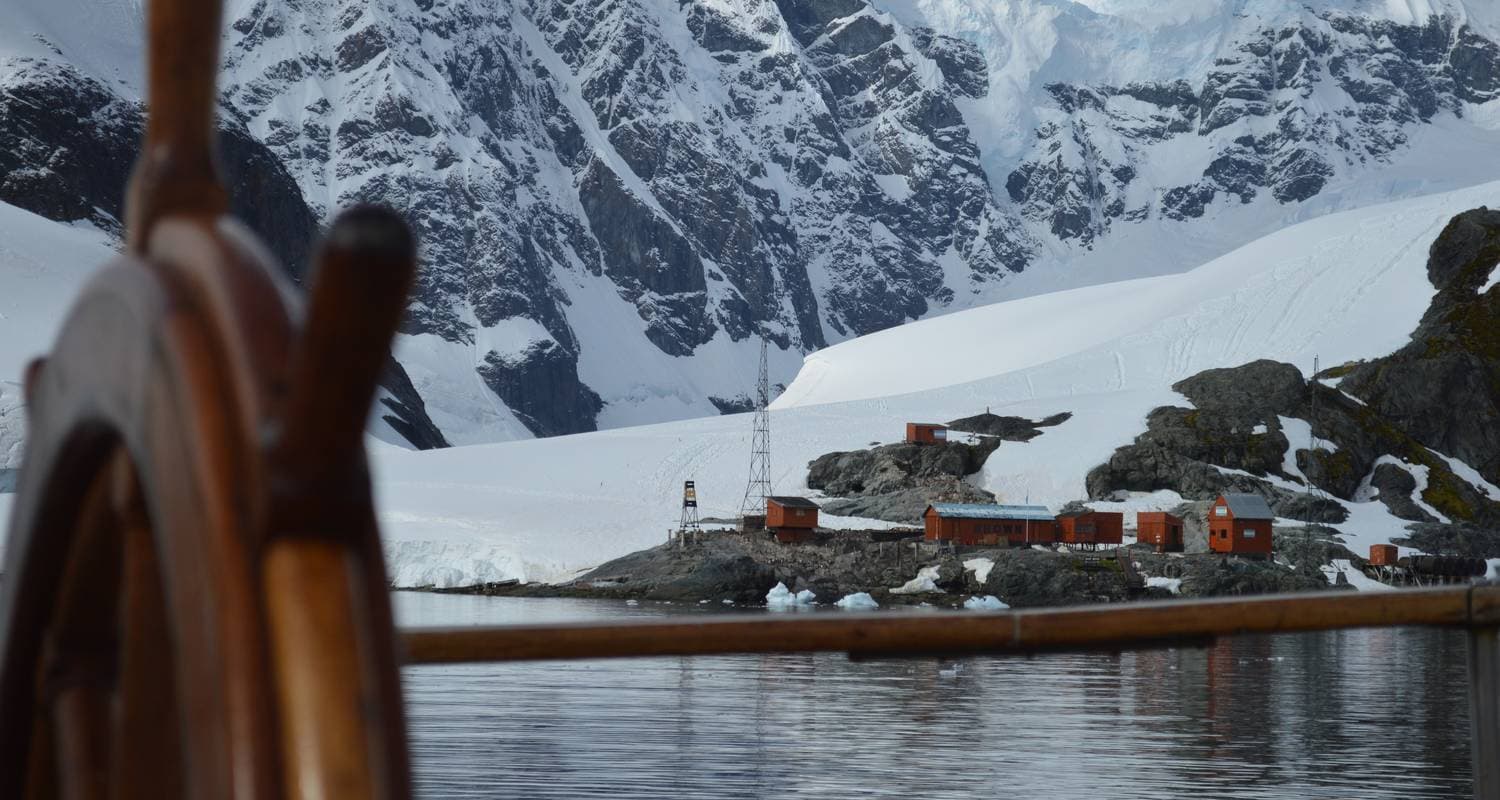
Antarctica Classic
11 days · G Adventures
4.7· 34 reviews✓ Instant confirmationtour from €8,647
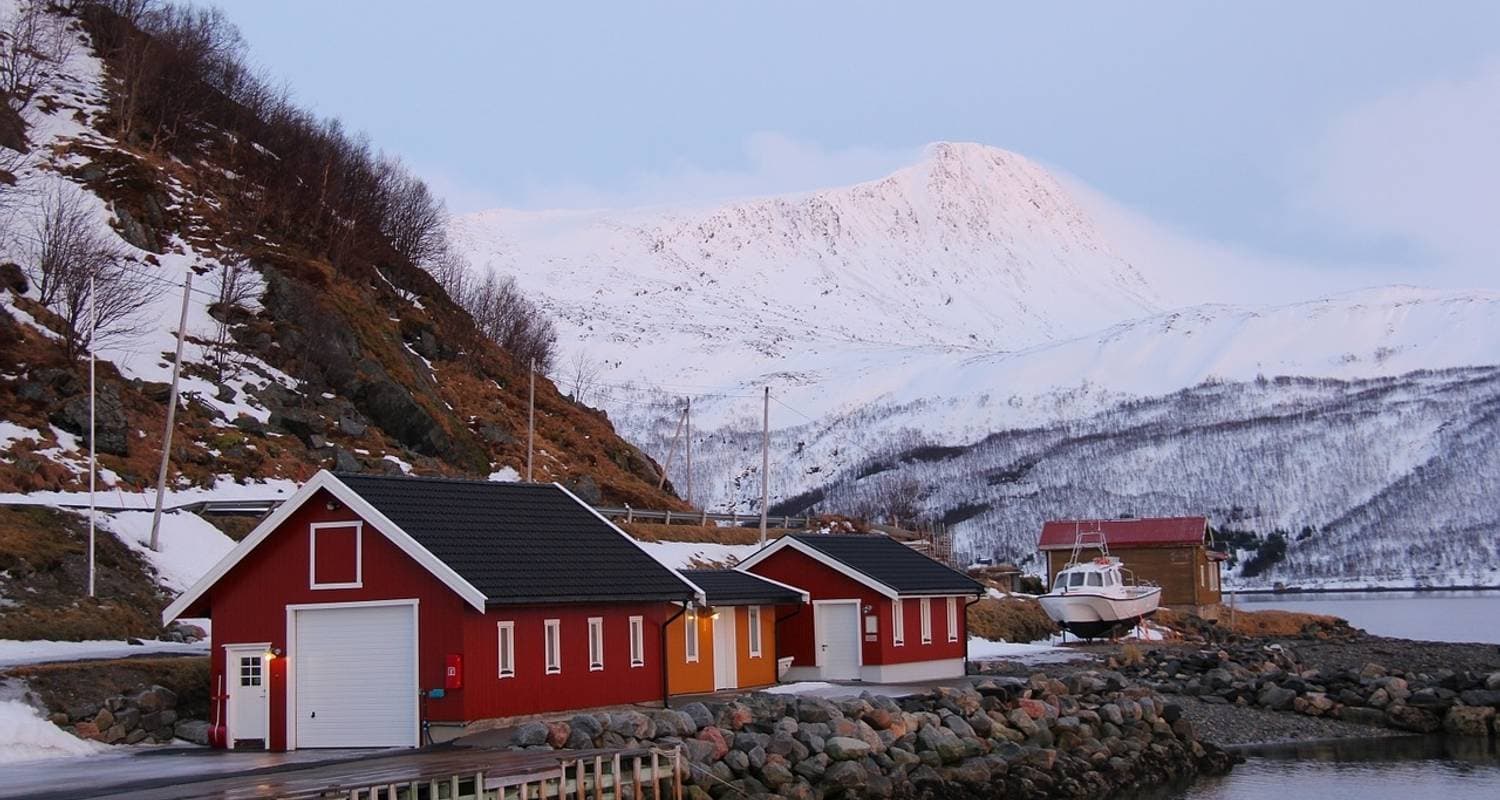
Norway Fjords and Northern Lights
7 days · Contiki
5.0· 23 reviews✓ Instant confirmationtour from €1,559
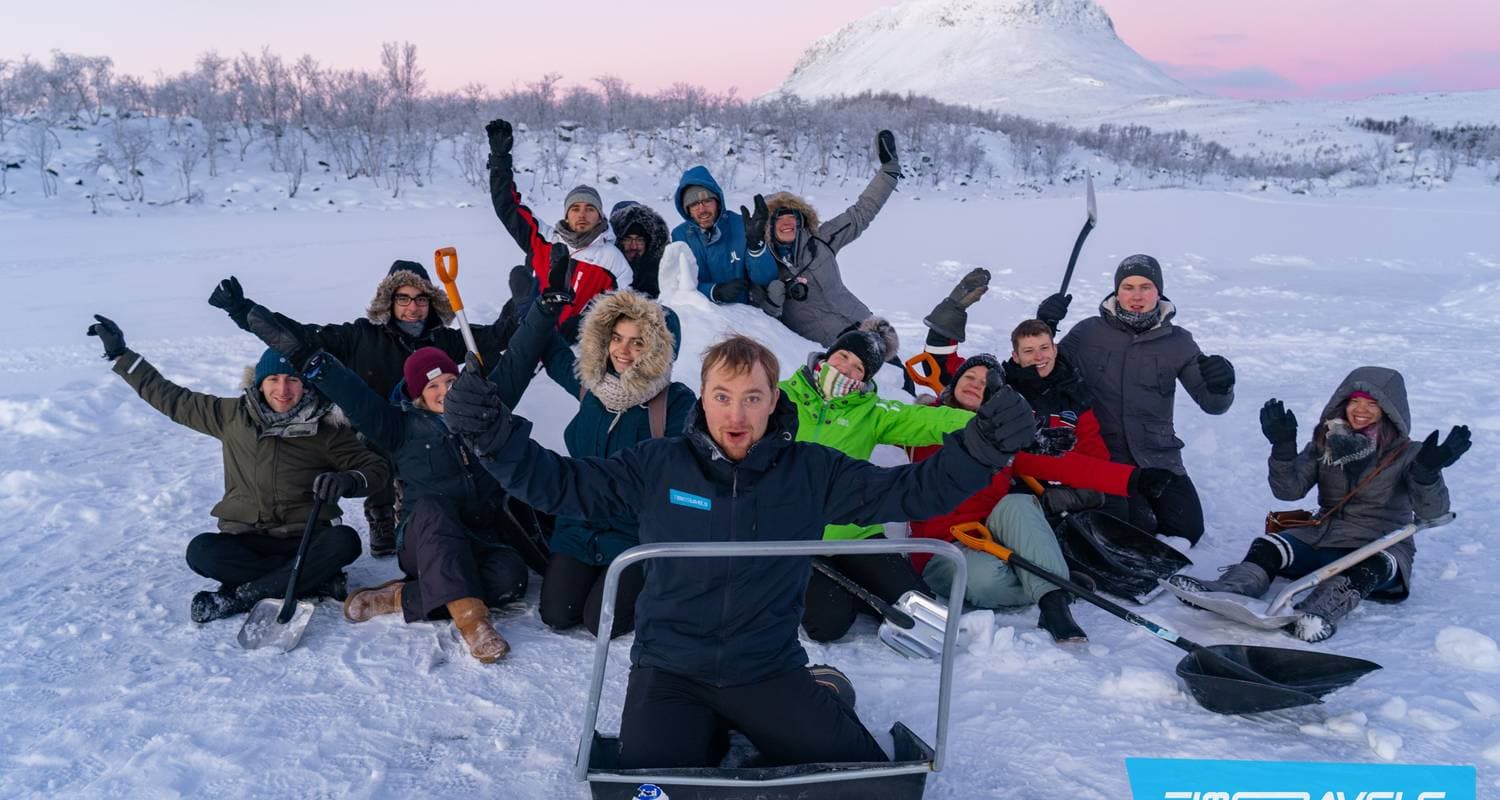
Grand Lapland Tour - Finland, Sweden and Norway with activities
9 days · Timetravels
4.6· 16 reviews✓ Instant confirmationtour from €1,614
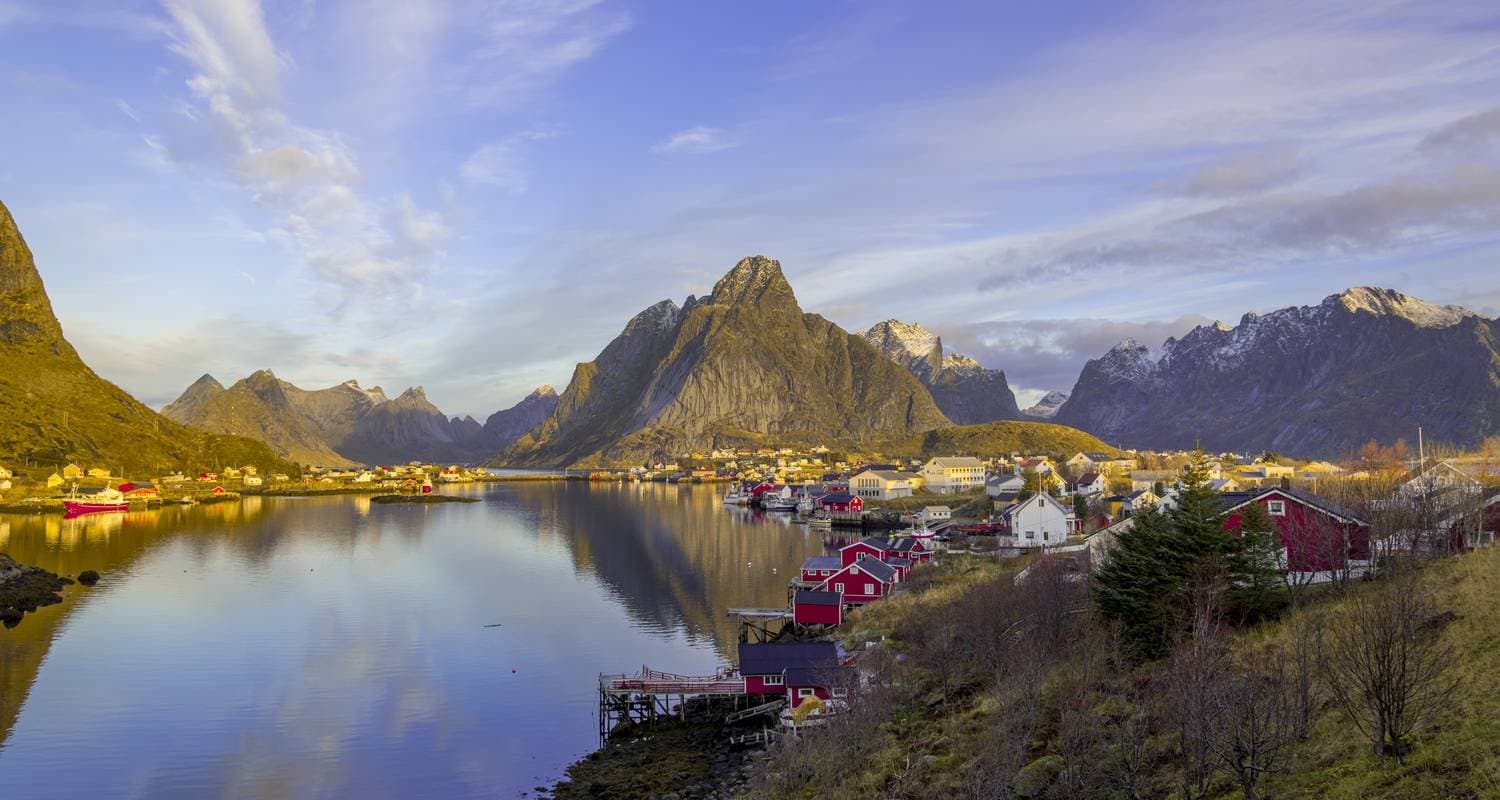
Northern Norway Explorer
9 days · Intrepid Travel
4.1· 12 reviews✓ Instant confirmationtour from €5,147
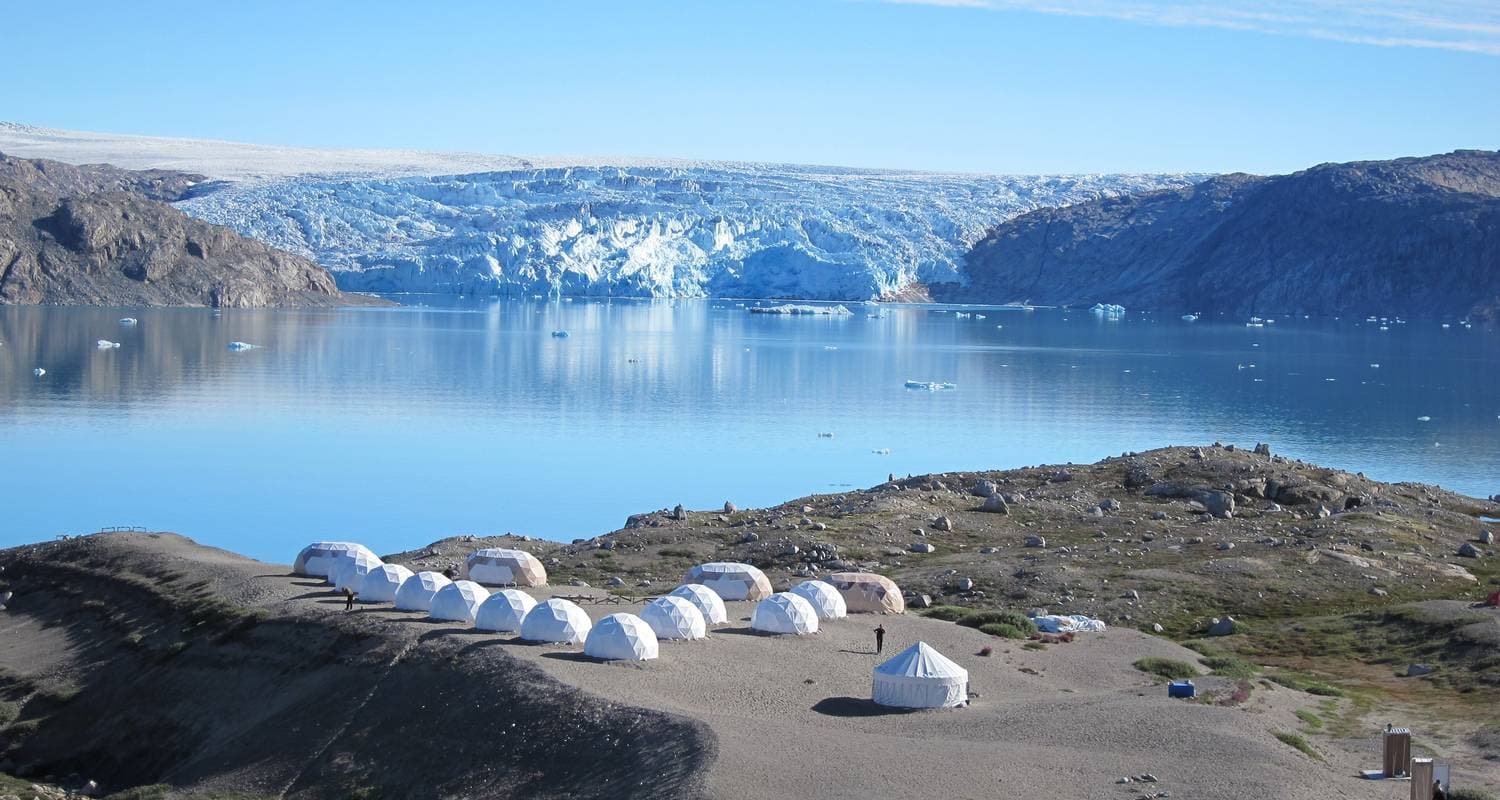
Wonders of Greenland (from Iceland)
8 days · Tasermiut
5.0· 8 reviewstour from €3,299
Antarctica expedition cruise basics
The classic Antarctica trip is an 11-day ship expedition out of Ushuaia, Argentina. Days 1-2 you board in Ushuaia and sail south. Days 3-4 you cross the Drake Passage, 600 nautical miles of open water between South America and the Antarctic Peninsula. Days 5-8 are zodiac landings on the Peninsula and the islands around it, with the weather deciding exactly where. Days 9-10 you cross the Drake northbound, and day 11 you disembark back in Ushuaia.
The window is tight. The Antarctic cruise season runs early November to late March, but the sweet spot is mid-December to mid-February, when daylight is effectively round the clock and the peninsula is at its most accessible. November brings pristine ice and courting penguins. January and February bring hatching chicks and whales building up. March brings the cheapest fares and the most whales, but the sea ice is breaking up and landings can get harder.
Reckon on from around €6,500 per person in a shared twin cabin for the ship portion of an 11-day itinerary. Balconied suites on luxury ships push past €20,000. Longer itineraries that fold in South Georgia and the Falkland Islands run 18-23 days from around €12,000. Flights from Europe to Ushuaia via Buenos Aires Ezeiza (EZE) add from around €900 in economy, more in peak season.
Arctic, Svalbard and Greenland trips
The Arctic season is the mirror image of Antarctica: ship expeditions run May to September, land-based aurora trips run late September to early April. Three regions lead the way.
Svalbard, the Norwegian archipelago at 78 degrees north, is the finest polar bear ship destination on earth. 7-10 day round-trip expeditions sail from Longyearbyen and circumnavigate Spitsbergen, with zodiac landings for walrus colonies, bird cliffs and glacier fronts. Expect from around €5,000 per person for the ship portion. Peak season is June to August, when the sea ice retreats and polar bears hunt at the ice edge.
Greenland splits in two. West Greenland around Disko Bay runs small-ship expeditions from Kangerlussuaq or Ilulissat, built around icebergs and Inuit villages, 7-10 days from around €4,000. East Greenland trips leave from Iceland and reach Scoresby Sound, the largest fjord system on earth, 8-12 days from around €5,000.
Norway above the Arctic Circle is the most affordable way in. Tromso, Alta and Kirkenes run 4-7 day winter aurora trips with dog-sledding, reindeer sledges and king-crab safaris, from around €1,500 for the trip. Finnish Lapland glass-igloo stays from Rovaniemi run 5-7 days, from around €2,000. These are not expedition cruises, but they are the gentlest doorway into the polar world.
Ship classes and what you actually see
There are three broad ship categories in Antarctica and the Arctic, and the differences between them matter far more than cabin grade does.
Small expedition ships carry 80 to 200 passengers. The likes of Aurora Expeditions' Greg Mortimer and Sylvia Earle, Quark's Ultramarine, Lindblad's National Geographic Endurance, and Oceanwide's Ortelius and Plancius. Two zodiac rotations a day, small landing groups, typically from around €7,000 for an 11-day Antarctica trip. This is the category to book if the wildlife and the landings are the whole reason you are going.
Mid-size cruise ships carry 400 to 1,000 passengers. They sail the Drake and cruise the Peninsula but do not land, because IAATO rules cap shore visits at 100 passengers at a time, which is simply impossible to rotate across a 500-passenger ship. You see Antarctica from the deck and on the zodiac cruise. Cheaper, from around €4,500, but a fundamentally different trip.
Luxury expedition ships like Scenic Eclipse, Silversea's Silver Endeavour and Seabourn Venture carry 200-270 passengers in all-suite layouts with butlers and helicopters. The landings still happen and the zodiacs still run, but the time aboard feels closer to a private yacht than a research vessel. Typically from around €12,000 for 11 days. Worth it if the ship matters to you as much as the ice does.
Operators and booking lead times
The specialists you will see most often on polar itineraries are Aurora Expeditions (Australian, small-expedition focused, strong on Antarctica and Svalbard), Hurtigruten Expeditions (Norwegian, hybrid-powered ships, Svalbard and Antarctica), Quark Expeditions (North American, the best of the lot for the North Pole and high Arctic), Lindblad-National Geographic (premium expedition with scientist-led talks), G Adventures Expedition (the most affordable small-ship route into Antarctica via the Expedition and Xplorer ships), and Oceanwide Expeditions (Dutch, the classic no-frills expedition operator and the best value per landing).
Book 10 to 18 months ahead for Antarctica peak-season cabins, especially the category 3-4 twin shares, which always go first. Svalbard mid-summer fills 8 to 12 months out. Greenland is more relaxed at 6 to 9 months. Aurora-chasing in Lapland can often be booked 3 to 6 months out.
Last-minute Ushuaia deals are real and genuinely good. Operators sell off unsold cabins at 20 to 40 percent off in the week before departure, either through specialist agents in Ushuaia or platforms like Freestyle Adventure Travel. The catch: you need to be in Argentina already, with a week of flexibility, your polar kit packed, and insurance in hand. Not one for a first polar trip, but it is the cheapest way onto a small expedition ship there is.
Flights to the polar gateways
Four airports cover almost every polar trip we list.
For Antarctica, Ushuaia (USH) is the gateway. From Europe the only sensible routing is via Buenos Aires Ezeiza (EZE), usually with an overnight in Buenos Aires before a 3.5-hour Aerolineas Argentinas hop to Ushuaia. Round-trip fares from Dublin, London and Amsterdam run from around €900 in economy, from around €2,800 in premium economy. Build in a 2-night Buenos Aires buffer, because missing the ship is a disaster: it sails on the tide and waits for no one.
For Svalbard, fly to Longyearbyen (LYR) via Oslo (OSL) on SAS or Norwegian. Round-trip from Europe runs from around €250 in economy. Longyearbyen is a 3-hour flight from Oslo, and there is no rail or ferry alternative; the only way in is by plane.
For Greenland, Reykjavik Keflavik (KEF) is the European hub. Air Iceland Connect flies Reykjavik to Nuuk, Ilulissat and Kulusuk. Round-trip Europe to Reykjavik runs from around €200, with onward Greenland legs from around €350.
For Lapland, Rovaniemi (RVN), Tromso (TOS) and Kiruna (KRN) are the three winter aurora hubs, each with round-trip connections from around €150 from most of Europe. A night or two either side in Buenos Aires, Oslo, Reykjavik or Helsinki is easy to build in and often improves the trip overall.
Ready to price your trip?
Enter your origin airport and month — we'll search live flight and tour prices and give you one bundled total per person.
Find combosCommon questions
What does an Antarctica trip actually cost with flights from Europe?
Budget from around €8,500 all-in per person for an 11-day small-ship expedition in a shared twin cabin. That breaks down as the ship from around €7,000, flights via Buenos Aires from around €900, a 2-night Buenos Aires stopover from around €200, polar insurance from around €200, and tips and extras from around €300. Luxury expedition ships push the total past €20,000. Mid-size cruise-only ships without landings come in nearer €6,000 to €9,000 all-in, but it is genuinely not the same experience.
Is the Drake Passage as rough as people say?
Often, yes. Two days each way of open ocean with a 3 to 5 metre swell is typical, and 8 metres-plus happens several times a season. Modern expedition ships have stabilisers and handle it well, but seasickness is common for the first 12 to 24 hours. Book a mid-ship cabin on a lower deck, start scopolamine patches or cinnarizine tablets the night before, and eat light. The flat-calm crossing they call the "Drake Lake" does happen, but plan for the "Drake Shake" and let yourself be pleasantly surprised.
Can I fly over the Drake Passage instead of sailing it?
Yes. Fly-cruise itineraries from Punta Arenas in Chile take a 2-hour BAE146 or DHC-6 to King George Island and join the ship there, skipping both Drake crossings. Operators include Antarctica21, Silversea, Aurora Expeditions and Quark. The trip drops to 6-8 days, but the headline price climbs to from around €9,000 per person to cover the charter flight. Weather delays of 1-3 days are common, so build in some slack. Worth it if you cannot face the Drake or cannot spare the days at sea.
How likely am I to see a polar bear in Svalbard?
High, if you book a circumnavigation and the sea ice plays along. Most 10-day Svalbard ship expeditions log 2 to 6 polar bear sightings, usually from the ship at 200-800 metres through binoculars. Close encounters from a zodiac are rarer and depend on the weather. Shorter 5-7 day trips that stay in the fjord system around Longyearbyen see fewer bears. June and July are best, because the sea ice is retreating and the bears are hunting seals at its edge. No operator will ever guarantee a sighting, mind.
Are there age limits and how fit do I need to be?
Most polar operators welcome passengers from 8 to 85, provided you are reasonably mobile. Zodiac landings mean stepping from a moving boat onto a beach or rocks and clambering in and out with a hand from the expedition staff. If you can manage stairs and walk on uneven ground for 30 minutes, you will be fine. Quark, Aurora and Lindblad take children from 8 on most sailings, though a handful of expeditions set the minimum at 12 or 16. Travellers over 75 may be asked for a doctor's letter.
What gear do I need and what does the ship provide?
Most Antarctica operators give you a branded insulated parka to keep and lend you knee-high muck boots for the zodiac landings. You bring thermal base layers, fleece mid-layers, waterproof trousers, a warm hat, a buff, sunglasses, thick socks and gloves, and a decent daypack. Reckon on from around €300 for base and mid-layers if you are starting from scratch. Svalbard and Greenland trips usually do not include the parka, so pack a heavy insulated jacket of your own. A dry bag for camera gear is a sensible touch. Full kit lists land 60 days before departure.
Related destinations
- Iceland Multi-Day Tours with Flights from €1,100Drive the Ring Road, walk on a glacier, chase the Northern L…
- Peru Multi-Day Tours with Flights from €1,900Machu Picchu at sunrise, the Sacred Valley, an Amazon lodge.…
- South Africa Multi-Day Tours with Flights from €1,100Kruger and the Big Five, Cape Town under Table Mountain, the…
Related tour styles
Pick by trip length
Plan this trip from your city
- Multi-Day Tours from New York with Flights IncludedMulti-day tours from New York with flights included — one US…
- Multi-Day Tours from Los Angeles with Flights IncludedPackage tours from Los Angeles with flights included — one U…
- Multi-Day Tours from London with Flights IncludedBuilt for London travellers: LHR for long-haul, LGW for Euro…
- Multi-Day Tours from Toronto with Flights IncludedPearson is Canada's biggest long-haul hub, and with a weak l…
- Multi-Day Tours from Sydney with Flights IncludedLeaving Australia means a long-haul flight whether you like …