
Guided Tour vs Independent Travel — Which is Right for You?
Guided wins for some destinations and traveller profiles. Independent wins for others. Here's the honest breakdown with a decision framework.
By Adam, founding editor · Updated 18 June 2026
- ✓Guided wins on language barriers, permits, safety and time pressure
- ✓Independent wins in Schengen Europe, islands and English-friendly countries
- ✓Hybrid trips with a short guided core are increasingly the right answer
- ✓Real cost gap is 10-20%, not the 30% headline, once wasted time is counted
- ✓Three or more yeses on the five-question test points to guided
- ✓First-timers in a complex country should default to guided every time
The honest answer to guided-versus-independent is that it depends — on the destination, on how much travelling you've already done, and on how much planning time you can spare. Guided tours win hands down in countries with a language barrier, fiddly permits, or genuine safety concerns for solo travellers. Independent travel wins where the tourism infrastructure is strong, the English is fluent and the domestic transport is cheap, especially on a repeat visit. And more and more trips sit happily in the middle: a short guided core with independent beach or city days bolted on either side. What follows is where each one genuinely comes out ahead, the real cost gap once you count the time you'd waste, and a five-question test that settles the whole thing in about two minutes. No evangelism in either direction.
What the guided side looks like: the most-reviewed tours
Prices are tour-only — add flights for the real total. You book the tour itself on TourRadar.

Thai Intro 9 Day
9 days · INTRO Travel
4.8· 4,561 reviews✓ Instant confirmationtour from €1,103
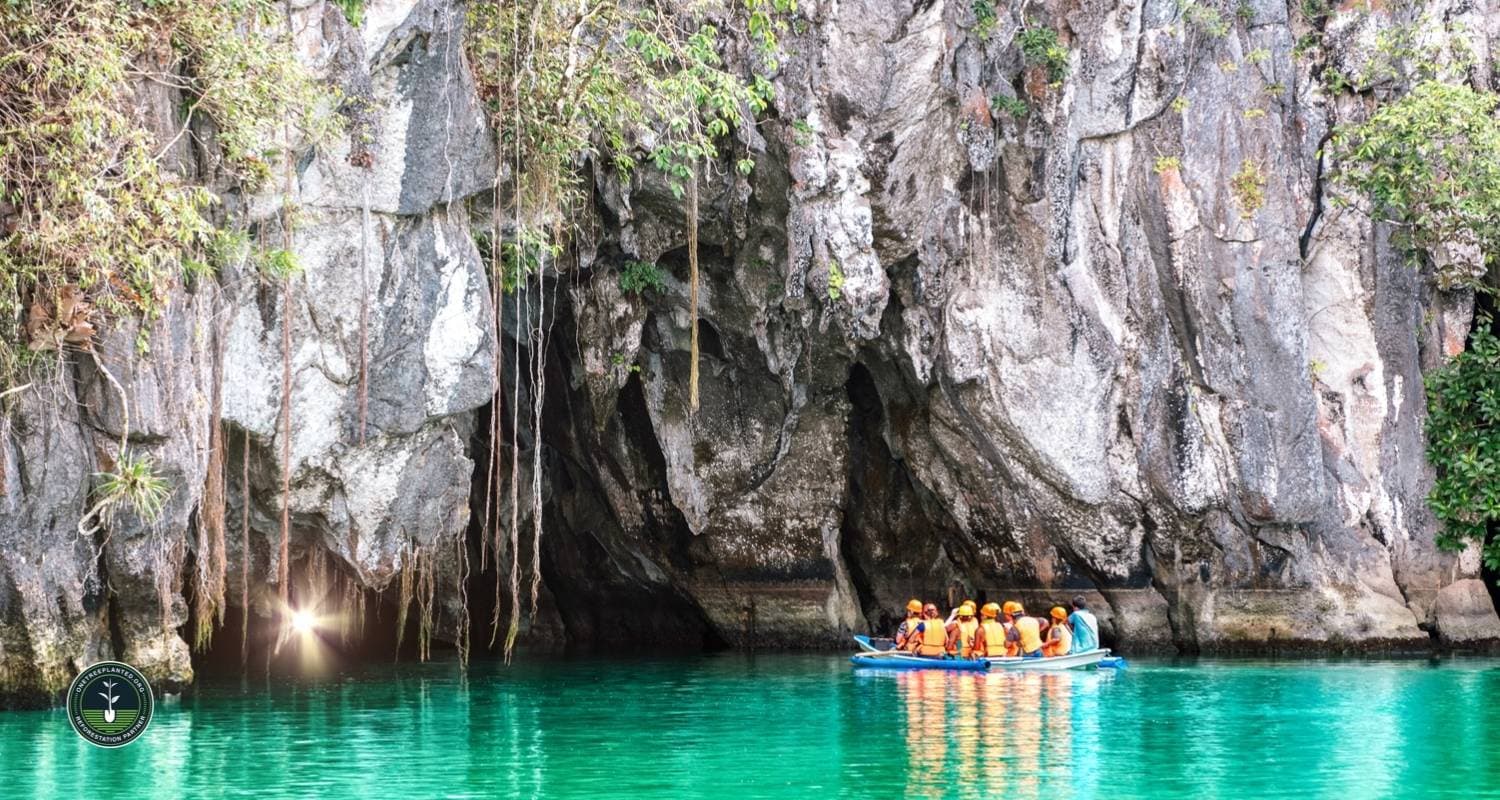
West Philippines Classic 10 Day - One Life Adventures
10 days · One Life Adventures
4.8· 3,429 reviews✓ Instant confirmationtour from €1,541

Bali Experience
10 days · TruTravels
4.8· 3,259 reviews✓ Instant confirmationtour from €823

Wanderlands Bali - 8 Days
8 days · Wanderlands Travel
4.8· 2,360 reviews✓ Instant confirmationtour from €791

Bali Intro 9 Days
9 days · INTRO Travel
4.7· 2,327 reviews✓ Instant confirmationtour from €919

Japan Classic 10 Day - One Life Adventures
10 days · One Life Adventures
4.8· 2,287 reviews✓ Instant confirmationtour from €2,433
When guided wins: destinations and situations where it is not close
Some trips are genuinely harder as an independent traveller, and the premium a guided tour charges is small compared to what you save in time, friction or risk.
Language-barrier-heavy destinations for first-timers. Japan, China, Vietnam and rural Morocco are all possible independently, but first visits are much smoother with a guide. Menus, train signs, temple etiquette, haggling norms and emergency situations all assume local language fluency you do not have on trip one. A guide collapses a 30-minute transaction into a two-minute one, which compounds across a two-week itinerary.
Logistically complex routes. The Inca Trail is permit-gated and sells out six months in advance — you cannot walk up and trek it, you need a licensed operator. Kilimanjaro requires registered guides and porters by law. Galapagos boat-based itineraries are near-impossible to coordinate independently. Antarctica is only reachable via expedition cruise. Bhutan requires a minimum daily spend through a licensed operator. These are not cases where independent is cheaper-but-harder — it is simply not an option.
Safety-sensitive trips. Egypt and Jordan are mostly very safe, but solo female travellers often prefer the buffer of a group and a local guide who knows which areas to avoid and how to deflect attention. Same for parts of India and some Central American stops.
Time-compressed itineraries. If you want to see five Moroccan cities in ten days, a guided tour that has pre-booked drivers, hotels and sequencing will beat any attempt to DIY on arrival. You are paying for logistics compression, not hand-holding.
When independent wins: destinations where a tour adds friction, not value
In the right country, independent travel is cheaper, more flexible and genuinely more fun than a guided equivalent. Booking a tour in these places often actively reduces the quality of the trip.
Schengen Europe for repeat travellers. If you have done one or two European trips already, the infrastructure rewards independent travel. Trains are fast and English-friendly. Hotels book on any standard booking site. Restaurants have English menus. Signage is clear. A guided tour through Italy or Spain for a repeat visitor mostly means paying someone to make decisions you are happy to make yourself, at the cost of flexibility on where to linger.
Coastal islands with bus and ferry networks. Greek islands, Croatian coast, Azores, Canaries, parts of Thailand and the Philippines. Ferries run on published schedules, hostels and small hotels take walk-ins in shoulder season, and the appeal of these places is unstructured beach-and-town time that no tour pace lets you enjoy properly.
Beach-plus-city combos. A week in Lisbon followed by a week in the Algarve is trivial to self-book and miserable on a tour that adds coaches and transfers. Same for Barcelona-plus-Costa-Brava, or Bangkok-plus-Koh-Samui.
Strong English and strong tourism infrastructure. Iceland, Portugal, Costa Rica, Ireland, New Zealand, Australia and most of the UK are all easy independent destinations. Self-drive packages (hotels and activities booked for you, you drive between them) are the sweet spot here — you get the logistics solved without the group schedule.
Rule of thumb: if the country has Google-translate-friendly signage, trustworthy booking sites and an adequate public transport spine, independent travel usually wins.
The middle ground: hybrid trips are increasingly the right answer
A pattern that has grown fast in the last few years is the hybrid trip: a short guided core sandwiched between independent days either side. This format often beats both pure-guided and pure-independent for travellers who want structure in one part of the trip and freedom elsewhere.
The guided core is usually 3-7 days and covers the logistically hard part of the country. Examples: the Golden Triangle in India (Delhi-Agra-Jaipur, 4-6 days), the W-Trek in Torres del Paine (5 days), a short Egypt Nile cruise (4-5 days), the Inca Trail plus Machu Picchu (4 days), a Serengeti safari circuit (5-7 days), a Hokkaido winter ski and culture loop (6-7 days). The guided segment handles the part where local knowledge, permits, or complex transport make independent travel genuinely hard.
The independent bookends are typically beach or city days. Classic pairings: Golden Triangle plus a week in Goa or Kerala. W-Trek plus Buenos Aires city time. Egypt cruise plus Red Sea resort days. Machu Picchu plus a few days in Cusco and the Sacred Valley on your own pace. Safari plus Zanzibar.
Why this works: the cost premium of guided is concentrated in the days where it genuinely adds value, and you keep flexibility for the days where it does not. You also avoid the fatigue of a 14-day group schedule without losing the benefit of a guide for the harder parts.
How to book it: most major operators sell their core tours with open-jaw flight flexibility, so you can fly into the tour start city and out of a different one after your independent days. Flight-plus-tour bundles like Multiday.tours are built around exactly this shape.
Cost comparison, honestly: the headline gap is bigger than the real one
Guided tours look more expensive than equivalent independent travel, and they usually are — but the gap narrows once you count everything honestly.
Like-for-like headline numbers. A ten-day small-group Egypt tour with Nile cruise, four-star hotels, guide and internal flights typically costs €1,800-€2,400 per person excluding international flights. The same itinerary self-booked — four-star hotels, a booked cruise, private drivers in Cairo and Luxor — comes out around €1,300-€1,700 per person. That is roughly a 30% premium for guided. Peru, Morocco, India and Vietnam show similar gaps — guided is usually 20-40% more expensive on matched itineraries.
What the headline gap misses. Guided eliminates planning time — 20-40 hours of research and booking for an independent trip of this complexity. Guided fixes knowledge at the point of travel: you do not waste a morning in the wrong queue at Karnak, or miss a Machu Picchu ticket window, or book a hotel that is half an hour further from the old town than it looked on the map. Guided de-risks logistics: if the train is cancelled, someone else solves it. If you get sick, someone speaks the local language at the clinic.
Total "true cost". Once you price your planning time at even modest rates, add one day of wasted travel per trip as a rough DIY tax, and factor in the higher risk of a bad hotel or missed site, the real gap between guided and matched independent is closer to 10-20% than the headline 30%. Not zero — guided still costs more — but less than the sticker price suggests. The question is whether that 10-20% is worth it for your specific trip.
The decision framework: five questions that answer it in two minutes
If you want a fast way to decide, run these five yes-or-no questions. Three or more yeses points toward guided; two or fewer points toward independent. It is not a perfect algorithm, but it matches how the rest of this guide actually resolves in practice.
1. Does the destination have a significant language barrier for English speakers? (Japan, China, Vietnam, rural Morocco, most of Central Asia, Iran, much of Latin America outside tourist hubs: yes. Western Europe, Scandinavia, Ireland, Portugal, Costa Rica, Iceland, most of Southeast Asia's tourist belt: no.)
2. Does the trip involve permits, licensed guides or logistically-sealed access? (Inca Trail, Kilimanjaro, Galapagos, Antarctica, Bhutan, most safari circuits, Nile cruises: yes. Schengen Europe, self-drive Iceland, island-hopping Greece: no.)
3. Are you a solo female traveller concerned about safety or harassment in the destination? (Egypt, Jordan, parts of India, some North African cities, parts of Central America: yes if it is your first trip there. Western Europe, Japan, Costa Rica, New Zealand: no.)
4. Is the itinerary time-compressed — more than four locations in under ten days? (Five Moroccan cities in ten days, Golden Triangle plus Varanasi in nine days: yes. One week on the Algarve, ten days on two Greek islands: no.)
5. Is this your first visit to this country or region? (Applies as written. Previous visits to neighbouring countries do not count — first time in Peru is still first time in Peru, even if you have done Colombia.)
Three or more yeses: book a guided tour, or at minimum a guided core with independent bookends. Two or fewer yeses: self-book, consider a self-drive package if you want logistics handled without a group. One yes: almost always independent, occasionally with a single guided day-trip for the one hard bit.
Ready to price your trip?
Enter your origin airport and month — we'll search live flight and tour prices and give you one bundled total per person.
Find combosFAQs
Is a guided tour worth it, or should I just book independently?
Guided is worth it when the destination has a real language barrier, a permit-gated experience, a safety concern for solo travellers, or a time-compressed itinerary. Egypt, Peru, Bhutan, Galapagos, Kilimanjaro and first-time Japan all fall here. Independent is usually better in Schengen Europe, Iceland, Portugal, Costa Rica, Ireland and most island-based coastal trips — places with strong English and tourism infrastructure. On repeat visits to any country, independent almost always wins. The real gap in cost is 10-20% once wasted time and planning effort are counted.
How much more expensive is a guided tour than independent travel?
Matched like-for-like, guided tours typically cost 20-40% more than equivalent independent trips on the same route and hotel class. A ten-day Egypt tour runs €1,800-€2,400 per person guided versus €1,300-€1,700 self-booked. But the headline premium overstates the real gap. Guided eliminates 20-40 hours of planning time, reduces the risk of wasted days and bad bookings, and handles disruption recovery. Once those factors are priced in, the true gap is closer to 10-20%. Whether that is worth paying depends on the destination and your experience.
What is a hybrid trip and why are they becoming more common?
A hybrid trip combines a short guided core (usually 3-7 days) with independent days either side. Classic examples include the Golden Triangle in India followed by a week in Goa, the W-Trek in Patagonia followed by Buenos Aires on your own, or an Egypt Nile cruise followed by Red Sea resort days. It works because the guided portion covers the logistically hard part of the trip where local knowledge genuinely adds value, while the independent bookends give you flexibility where structure is a tax, not a benefit. Most operators support open-jaw flights that make this easy to book.
Are guided tours better for solo travellers?
Often yes, for two reasons. First, social — small-group tours give solo travellers a built-in group of 10-18 people, which avoids the isolation many solos feel on independent trips. Second, safety — in destinations like Egypt, Jordan, parts of India or some North African cities, a group and a local guide meaningfully reduce harassment and stress for solo female travellers. In countries with strong solo infrastructure (Japan, Iceland, Portugal, New Zealand), independent travel is perfectly comfortable solo. The calculus flips country by country, not by traveller type alone.
Which destinations are easiest to travel independently?
Iceland, Portugal, Ireland, Costa Rica, New Zealand, Australia, most of the UK, Scandinavia and Schengen Europe for repeat travellers. Japan is easy independently for a second visit, moderately hard for a first. Most of coastal Southeast Asia's tourist belt (Thailand, Vietnam coastal towns, Bali) is easy once you are on the ground. Self-drive packages — where an operator books hotels and activities but you drive between them — are a strong middle option in Iceland, Scotland, Ireland and New Zealand, where the only real friction is logistics.
What is the quickest way to decide between guided and independent?
Run five yes-or-no questions. Is there a significant language barrier? Does the trip require permits or licensed guides? Are you a solo female concerned about safety there? Is the itinerary more than four locations in under ten days? Is this your first visit to the country or region? Three or more yeses points to guided, two or fewer points to independent. It is not perfect — some situations break the rule — but it matches how most travellers resolve the decision in practice. One yes almost always means independent with one guided day-trip for the hard bit.
Watching a trip?
Once a month: where all-in prices actually dropped, from your airport. No spam, unsubscribe anytime.
Related destinations
- Japan Multi-Day Tours with Flights from €1,900Kyoto temple mornings, Tokyo neon nights, shinkansen in betw…
- Peru Multi-Day Tours with Flights from €1,900Machu Picchu at sunrise, the Sacred Valley, an Amazon lodge.…
- Iceland Multi-Day Tours with Flights from €1,100Drive the Ring Road, walk on a glacier, chase the Northern L…
Related tour styles
Pick by trip length
Plan this trip from your city
- Multi-Day Tours from New York with Flights IncludedMulti-day tours from New York with flights included — one US…
- Multi-Day Tours from London with Flights IncludedBuilt for London travellers: LHR for long-haul, LGW for Euro…
- Multi-Day Tours from Los Angeles with Flights IncludedPackage tours from Los Angeles with flights included — one U…
- Multi-Day Tours from Toronto with Flights IncludedPearson is Canada's biggest long-haul hub, and with a weak l…
- Multi-Day Tours from Sydney with Flights IncludedLeaving Australia means a long-haul flight whether you like …
Deeper reading
- How to Choose a Guided Tour: A Practical Buyer's GuideWhat to ask before you book. Group size, pace, inclusions, o…
- The Best Time to Visit Egypt (Month-by-Month, 2026)Month-by-month weather, tour prices and crowd levels for Cai…
- Is TourRadar Legit? What Actually Happens After You BookShort answer: yes. Longer answer: it's a marketplace, your t…
- Exoticca Review: Are 'Flights Included' Deals Actually Cheaper?Exoticca is a real company selling real trips at genuinely a…