
The Best Time to Visit Turkey (Month-by-Month, 2026)
April-June and Sep-Oct are sweet spots. Cappadocia balloons run most mornings year-round. Summer coastal crowds bite.
By Adam, founding editor · Updated 18 June 2026
- ✓Best months: May, June, September, early October
- ✓Avoid: July-August on the Mediterranean coast (crowded, hot, 30-40% price premium)
- ✓Cappadocia balloons fly most mornings year-round; winter cancellations 25-40%
- ✓Ramadan 2026: approximately 17 February - 19 March
- ✓Antalya Mediterranean water swimmable roughly May to October
- ✓Istanbul winter is underrated — low prices, empty museums, working hammams
The best time to visit Turkey is April to early June and mid-September to late October. Those shoulder windows give you 20-26°C days across Istanbul and the Aegean, warm Mediterranean water, Cappadocia balloon flights with decent odds of clear skies, and tour prices 20-30% below the July-August coastal peak. Turkey is a big country wearing four distinct climates at once: Istanbul mild and humid, central Anatolia swinging hard between the seasons, the Mediterranean south baking through summer, and the Black Sea damp all year. Below, we take it month by month: day highs for Istanbul, Cappadocia and Antalya, tour price bands, when the crowds surge, how Ramadan in 2026 touches your trip, and which flight routes reward a watchful eye. And if July is the only time off you can get, stay with us, we will show you how to make it work.
The Turkey tours worth timing right
Prices are tour-only — add flights for the real total. You book the tour itself on TourRadar.

Amazing Turkey by Gulet
10 days · Travel Talk
4.8· 312 reviewstour from €2,846
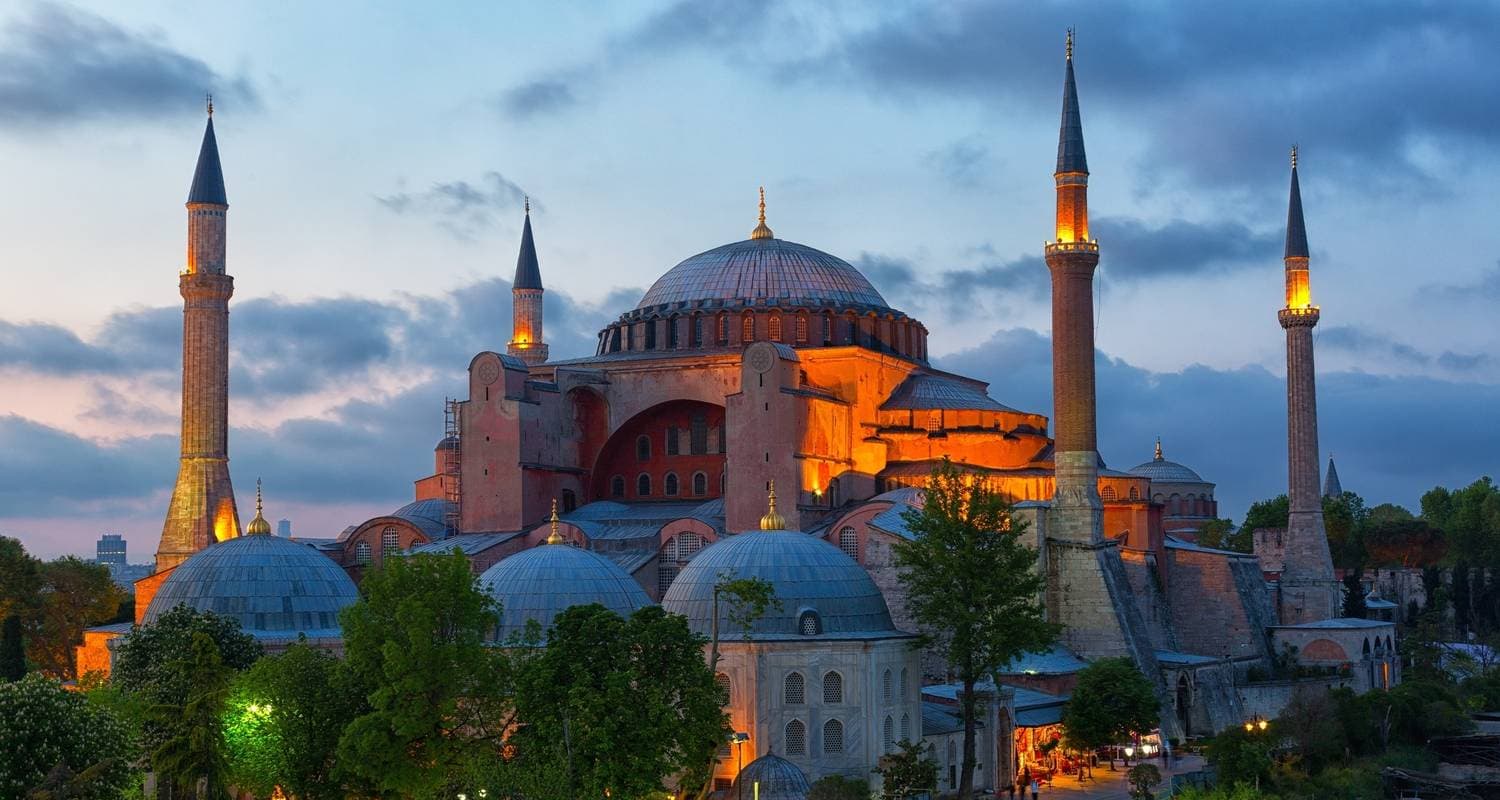
Best of Turkey by Land (5 & 4 Star Hotels)
12 days · Travel Talk
4.8· 212 reviewstour from €2,662
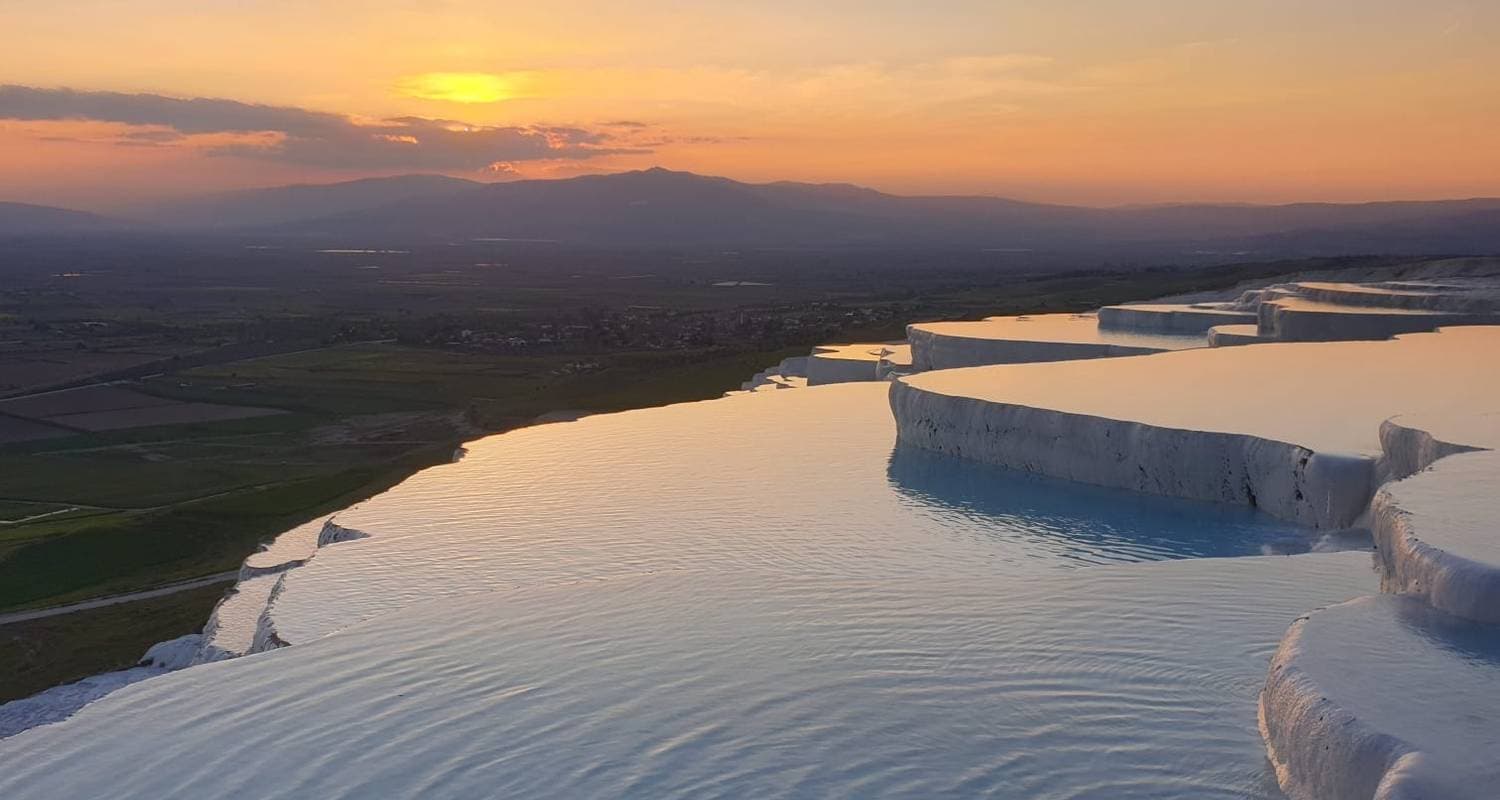
10 Days Wonders of Turkey
10 days · Guide of Ephesus
4.6· 151 reviews✓ Instant confirmationtour from €1,840

10 Days -Best of Turkey Tour / by Plane
10 days · Tour Altinkum Travel
4.7· 148 reviews✓ Instant confirmationtour from €1,896
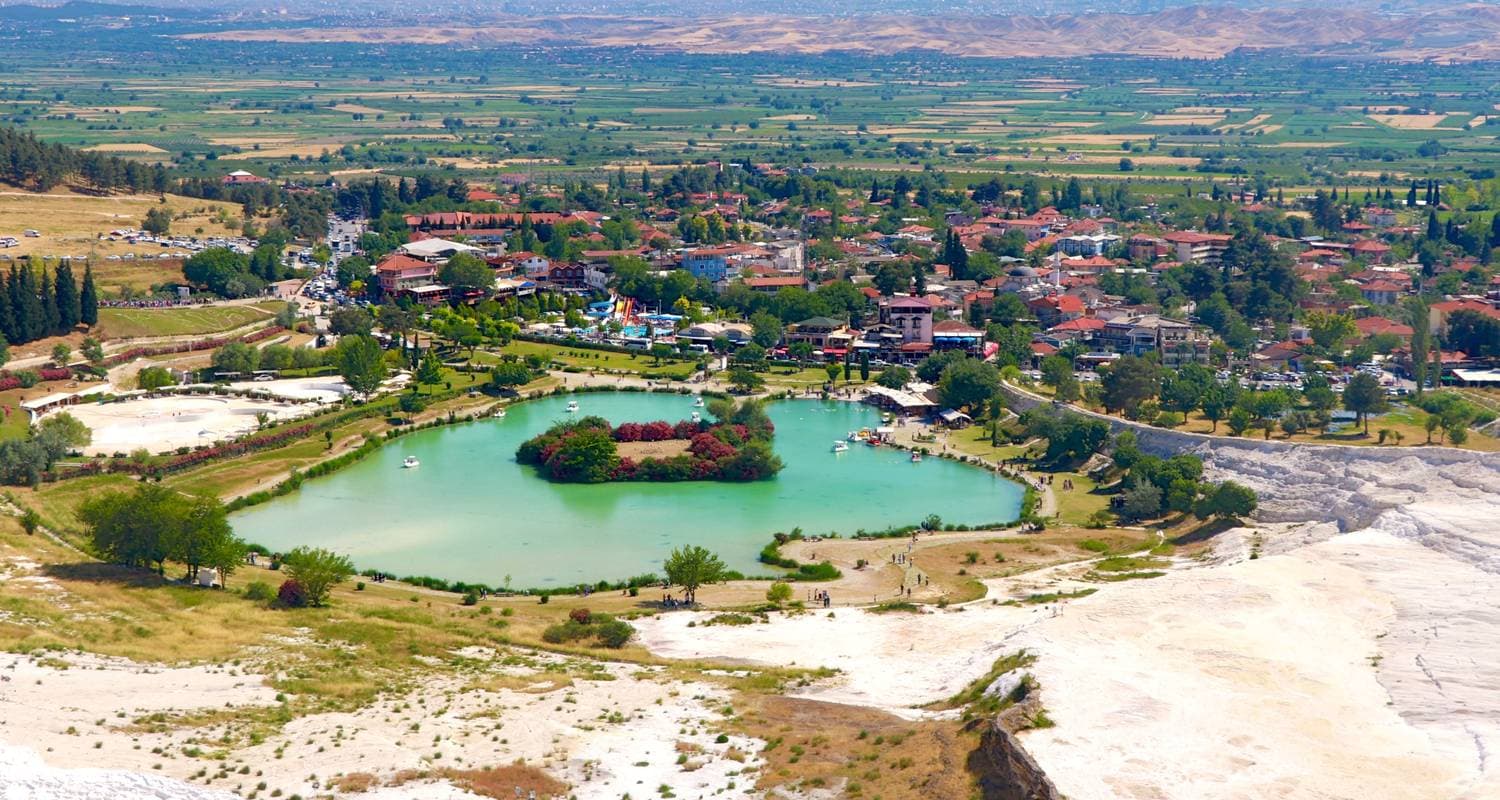
Turkey Unplugged - 10 Days
10 days · On The Go Tours
4.6· 137 reviews✓ Instant confirmationtour from €2,111

Turkey in Depth
15 days · Explore!
4.4· 136 reviews✓ Instant confirmationtour from €2,668
Turkey's four climate zones — pick your region first
Turkey is not one climate. Planning around a single 'Turkey in May' idea will get you burned. There are four zones that behave very differently.
Istanbul and the Aegean coast (Izmir, Ephesus, Bodrum's inland side) sit in a Mediterranean pattern: mild wet winters around 8-12°C, hot dry summers at 28-32°C, and long forgiving shoulders in spring and autumn. Istanbul also gets Black Sea moisture, so expect occasional rain even in July.
Cappadocia and central Anatolia (Ankara, Konya) are continental. Winters are genuinely cold — Cappadocia sees snow, overnight lows of -5°C in January, and fairy chimneys under a white dusting. Summers swing the other way, with 30-34°C days and chilly dawns for balloon flights. Spring and autumn are short and beautiful.
The Mediterranean south (Antalya, Alanya, Kas, Fethiye) has the hottest, longest summers. June through early October delivers 30-36°C days, sea temperatures of 24-28°C, and minimal rain. Winters are mild (15-18°C highs) and wet, making it a decent off-season beach escape if you swap swimming for hiking.
The Black Sea north (Trabzon, Rize, the Kackar mountains) is Turkey's rain belt. It stays green and cool year-round, 25-28°C summer highs, heavy rain in autumn, snowy winters inland. Peak tourism there is July-August when the rest of Turkey is roasting.
Pick your region, then pick your month.
Month by month: what Turkey actually looks like
January: Istanbul 8°C, Cappadocia 4°C (snow likely), Antalya 15°C. Low season pricing, 25-35% below summer. Istanbul museums and hammams at their best.
February: Similar to January, slightly longer days. Ramadan 2026 begins roughly 17 February and runs to around 19 March — check dates near travel. Cappadocia balloon flights still operating on clear mornings.
March: Istanbul 11°C, Cappadocia 10°C, Antalya 18°C. Spring edges in. Wildflowers start on the Mediterranean coast late March. Prices normal.
April: Istanbul 16°C, Cappadocia 15°C, Antalya 21°C. Tulip festival in Istanbul. Excellent month. Prices climb 10-15% from March.
May: Istanbul 21°C, Cappadocia 20°C, Antalya 26°C. Our top pick alongside September. Warm enough for the coast, comfortable for walking Ephesus and Istanbul, cool dawns for balloons.
June: Istanbul 26°C, Cappadocia 25°C, Antalya 31°C. Great weather, tourist numbers climbing. Tour prices up 15-20% from May.
July-August: Istanbul 29°C humid, Cappadocia 30°C dry, Antalya 34-36°C. Coastal resorts packed. European school holidays drive 30-40% price premiums on Mediterranean tours.
September: Istanbul 25°C, Cappadocia 24°C, Antalya 31°C. Crowds easing, water still warm. Sweet spot.
October: Istanbul 20°C, Cappadocia 16°C, Antalya 26°C. Excellent for culture circuits. Prices back to normal.
November: Istanbul 14°C, Cappadocia 9°C, Antalya 20°C. Quieter, occasional rain, cheap.
December: Istanbul 10°C, Cappadocia 4°C, Antalya 16°C. Low season except the Christmas-New Year week in Istanbul (15-25% premium).
Cappadocia hot-air balloons — when they actually fly
Cappadocia balloons are the single biggest 'when to go' question for Turkey tours. The honest answer: they fly most mornings year-round, but weather cancellations are a real factor and worth planning for.
The flights are tightly regulated by Turkey's civil aviation authority. They cancel for wind above roughly 25 km/h at altitude, heavy cloud, rain, or snow on the launch sites. Across the year the industry-wide cancellation rate averages 15-25%. Summer (June-August) is the most reliable, with cancellations under 10% most weeks. Winter (December-February) runs 25-40% depending on the year.
Here is the counter-intuitive bit: winter is magical. Snow on the fairy chimneys, balloons drifting through a white landscape at sunrise, almost no crowds, hotel rates 30-50% below summer. If you can build a 2-3 night buffer into your Cappadocia stay to absorb a cancelled morning, winter is arguably the best time to go.
Summer is the opposite. Flights almost always run, but you are competing with 150+ balloons in the air on peak mornings and the sunrise viewpoints are crowded with Instagram traffic. Hot-air balloon permits are capped around 150 per day, so slots sell out 2-4 weeks ahead in July-August.
Shoulder months (April-May, September-October) are the balanced play: cancellation rates 15-20%, fewer balloons in the sky than summer, reasonable availability with 1-2 weeks notice, and comfortable dawn temperatures. Book a flexible 2-night Cappadocia stay so you get a second attempt if the first morning is scrubbed.
Peak Mediterranean coast — Antalya, Bodrum, Fethiye timing
The Turkish Mediterranean coast — Antalya, Bodrum, Kas, Fethiye, the Turquoise Coast gulet routes — has the clearest peak-and-shoulder pattern in the country.
June-August is overcrowded. European summer holidays drive families from the UK, Germany, Netherlands and Scandinavia to the big resort towns. Antalya Airport handles over 35 million passengers a year, most of them between June and September. Beaches are busy, coastal roads slow down, gulet cruises along the Lycian coast book out 3-4 months ahead, and Bodrum nightlife runs at full volume. Prices sit 30-40% above shoulder season. Daytime highs of 34-36°C mean most sensible activity happens before 10am or after 5pm.
May, September and early October are the sweet spots. Day highs of 26-31°C, sea temperatures of 22-26°C, beaches with space on them, gulet cruises easier to book on shorter notice, and prices close to normal. May has the bonus of wildflowers along the Lycian Way hiking trail — March and April are peak bloom inland, carrying into early May on the coast.
Late October to April is quiet. Many family-run pensions close for the winter in the smaller towns like Kas and Kalkan. Antalya stays open year-round as a mid-sized city and becomes a decent winter break: hiking the nearby Taurus mountains, Roman ruins like Perge and Aspendos with no crowds, 17-20°C days. Hotel rates drop 40-50%.
Spring wildflower season (late March through April) on the Lycian coast is underrated — green hillsides, poppies, almond blossom, hiking weather at 20-24°C, and water still too cold for serious swimming at 18°C.
Flight timing — routes, hubs and typical fares
Turkey is well-connected to Europe, the UK, the Gulf and North America. How you fly in shapes both cost and timing.
Istanbul IST is the main hub, served by Turkish Airlines (flag carrier, member of Star Alliance, excellent long-haul network). Turkish flies from basically every European capital plus most major US and Asian cities. Typical European return fares (London, Dublin, Paris, Amsterdam): €120-€180 in shoulder months, €220-€320 in July-August, €90-€140 in November-February. North American and Australian travellers fly Turkish or a partner direct or via one hub — roughly US$600-1,000 from North America and A$1,600-2,400 from Australia in shoulder season — so they swap in higher long-haul fares. Multiday.tours prices the flight live from your own airport in your own currency. Istanbul's second airport Sabiha Gokcen SAW is the low-cost base — Pegasus, easyJet, Wizz Air fly there at 20-30% lower fares but with less convenient transfers to the city.
Antalya AYT is the peak summer charter destination. TUI, Jet2, Sunexpress and dozens of European LCCs pile in from May to October. Fares from UK/Ireland/Germany are often cheaper than flying to Istanbul in summer because of charter competition — €140-€200 return on good weeks. Winter service thins out significantly; some routes drop entirely November-March.
Cappadocia has no international airport. You fly into Kayseri ASR or Nevsehir NAV via a domestic connection from Istanbul (1 hour), typically €40-€80 each way on Turkish Airlines, Pegasus or Anadolujet. Combining Istanbul, Cappadocia and the coast on one trip works well as an open-jaw: fly into Istanbul, out of Antalya or Izmir, saving a long backtrack.
Book European flights 6-10 weeks ahead for shoulder months, 12-16 weeks ahead for July-August peak. Turkish Airlines often has better direct fares than LCCs once baggage is included.
Ready to price your trip?
Enter your origin airport and month — we'll search live flight and tour prices and give you one bundled total per person.
Find combosFAQs
What is the best month to visit Turkey?
May is the single best month for most travellers. You get 21-26°C days across Istanbul, Cappadocia and the Aegean, sea temperatures warming up on the Mediterranean, comfortable balloon-flight dawns, wildflowers on the Lycian coast, and prices 20-25% below July-August peak. September is a very close second — slightly warmer water for beach days, fewer crowds than summer, and normal shoulder pricing. April and early October round out the strong shoulder windows.
Is it too hot to visit Turkey in summer?
For the Mediterranean south (Antalya, Bodrum, Kas) in July and August, it is hot and crowded but manageable if you accept early-morning and late-afternoon rhythms. Daytime highs sit at 34-36°C. Istanbul is cooler at 28-30°C but humid. Cappadocia is dry-hot at 30°C with cool dawns that work well for balloons. The bigger summer issue is tour prices (30-40% premium) and coastal crowds, not heat exposure. If budget is tight, avoid July-August entirely.
When is the cheapest time to visit Turkey?
November through February, excluding Christmas-New Year week in Istanbul. Tour prices drop 25-35% compared to shoulder months, European flight fares fall to €90-€140 return (long-haul travellers from North America and Australia connect via a hub and pay more, but still catch the winter low), hotel rates on the coast discount 40-50% where properties stay open. Trade-offs are rain, cold coastal water, and reduced service on the Mediterranean and in smaller Cappadocia villages. Istanbul and Cappadocia remain strong all winter; the coast shifts from beach to hiking and ruins.
Does Ramadan affect Turkey tours in 2026?
Minimally. Turkey is a secular state and tourist-facing businesses operate normally through Ramadan. Major sites, hotels, restaurants in tourist zones, Cappadocia balloons, and all transport run on standard schedules. Expect slightly quieter daytime street life in conservative cities like Konya, livelier evenings everywhere with iftar meals, and some small family restaurants adjusting hours. Tour prices often soften 5-10% in the Ramadan window. For 2026, Ramadan runs approximately 17 February to 19 March. Eid al-Fitr follows for 3 days.
Can you do Cappadocia balloons in winter?
Yes, and it is one of Turkey's most underrated experiences. Balloons fly most clear winter mornings, the fairy chimneys under snow are genuinely spectacular, and crowds drop by 70%+ compared to summer. The catch is a 25-40% weather cancellation rate, versus under 10% in summer. Build a 3-night buffer into your Cappadocia stay so a scrubbed morning has two backup attempts. Hotel and flight prices run 30-50% below summer peak. Dress properly: dawn temperatures sit at -3 to -8°C in the basket.
Which Turkish airports should I fly into?
Istanbul IST (Turkish Airlines main hub) or SAW (Pegasus, easyJet, Wizz) are the standard arrival points. For Mediterranean coast trips, Antalya AYT often beats Istanbul on price in summer thanks to charter competition — TUI, Jet2, Sunexpress run dozens of European routes. For Cappadocia you connect domestically to Kayseri ASR or Nevsehir NAV on Turkish, Pegasus or Anadolujet, typically €40-€80 each way. Open-jaw tickets (into Istanbul, out of Antalya) avoid backtracking on multi-stop itineraries.
Watching a trip?
Once a month: where all-in prices actually dropped, from your airport. No spam, unsubscribe anytime.
Related destinations
- Turkey Multi-Day Tours with Flights from €1,000Cappadocia balloons at sunrise, the Blue Mosque at dusk, Pam…
- Greece Multi-Day Tours with Flights from €1,220Athens and the Acropolis, Meteora's monasteries, the Santori…
- Egypt Multi-Day Tours with Flights from €1,300Sail the Nile, stand at the pyramids, sleep out under the Wh…
Related tour styles
Pick by trip length
Plan this trip from your city
- Multi-Day Tours from London with Flights IncludedBuilt for London travellers: LHR for long-haul, LGW for Euro…
- Multi-Day Tours from Dublin with Flights IncludedPackage tours from Dublin with flights included — one total …
- Multi-Day Tours from Vienna with Flights IncludedVienna is a central-European hub on Austrian Airlines with d…
- Multi-Day Tours from New York with Flights IncludedMulti-day tours from New York with flights included — one US…
- Multi-Day Tours from Toronto with Flights IncludedPearson is Canada's biggest long-haul hub, and with a weak l…
Deeper reading
- The Perfect 12-Day Turkey Itinerary (Route, Day by Day)Twelve days is the Turkey sweet spot: Istanbul, Cappadocia, …
- How Much Does a Turkey Tour Cost? The Honest All-In NumberEight to ten days in Turkey runs roughly €1,200–€2,800 (≈$1,…
- How to Choose a Guided Tour: A Practical Buyer's GuideWhat to ask before you book. Group size, pace, inclusions, o…