3-Week Tours — 15-21 Day Multi-Day Trips with Flights
Three weeks is the length where a holiday turns into a proper journey. Multi-country circuits, expedition treks, grand tours.
Edited by Multiday.tours editor
- ✓15-21 days on the ground, 14-20 nights typical
- ✓Tour land price: 3,000-7,000 EUR mainstream, 7,000-15,000 EUR premium
- ✓Economy flights: 400-1,400 EUR, open-jaw routing standard
- ✓Best for multi-country circuits, expedition treks and grand tours
- ✓Strong destinations: Vietnam-Cambodia-Laos, India, Peru, Japan, Nepal
- ✓Needs 15 working days clear — a stretch in the US, easier on bigger leave allowances
Three weeks on the ground is where a holiday becomes a trip. At 15 to 21 days the itinerary has room for a full multi-country circuit, an expedition trek with proper rest built in, or a grand-tour single-country loop that two weeks just cannot hold. On Multiday.tours we list 21-day and 18-day departures from G Adventures, Intrepid, Exodus, World Expeditions and KE Adventure, bundled with Kiwi.com flights from your home airport. Budget 3,000 to 7,000 EUR for the land price and 400 to 1,400 EUR for economy flights, which puts the total at 3,500 to 8,500 EUR per person for most travellers. Three weeks is also where multi-city open-jaw routing starts saving you real money, and where the pacing calls you make matter more than where you choose to go.
The most-reviewed three-week tours
Prices are tour-only — add flights for the real total. You book the tour itself on TourRadar.

Philippines Island Hopper
17 days · TruTravels
4.8· 754 reviews✓ Instant confirmationtour from €2,571

Essential Vietnam & Cambodia
17 days · G Adventures
4.9· 575 reviews✓ Instant confirmationtour from €2,345

Thai Intro 18 Day
18 days · INTRO Travel
4.9· 574 reviews✓ Instant confirmationtour from €2,115

Full Moon Island Hopper
16 days · TruTravels
4.8· 559 reviews✓ Instant confirmationtour from €1,743
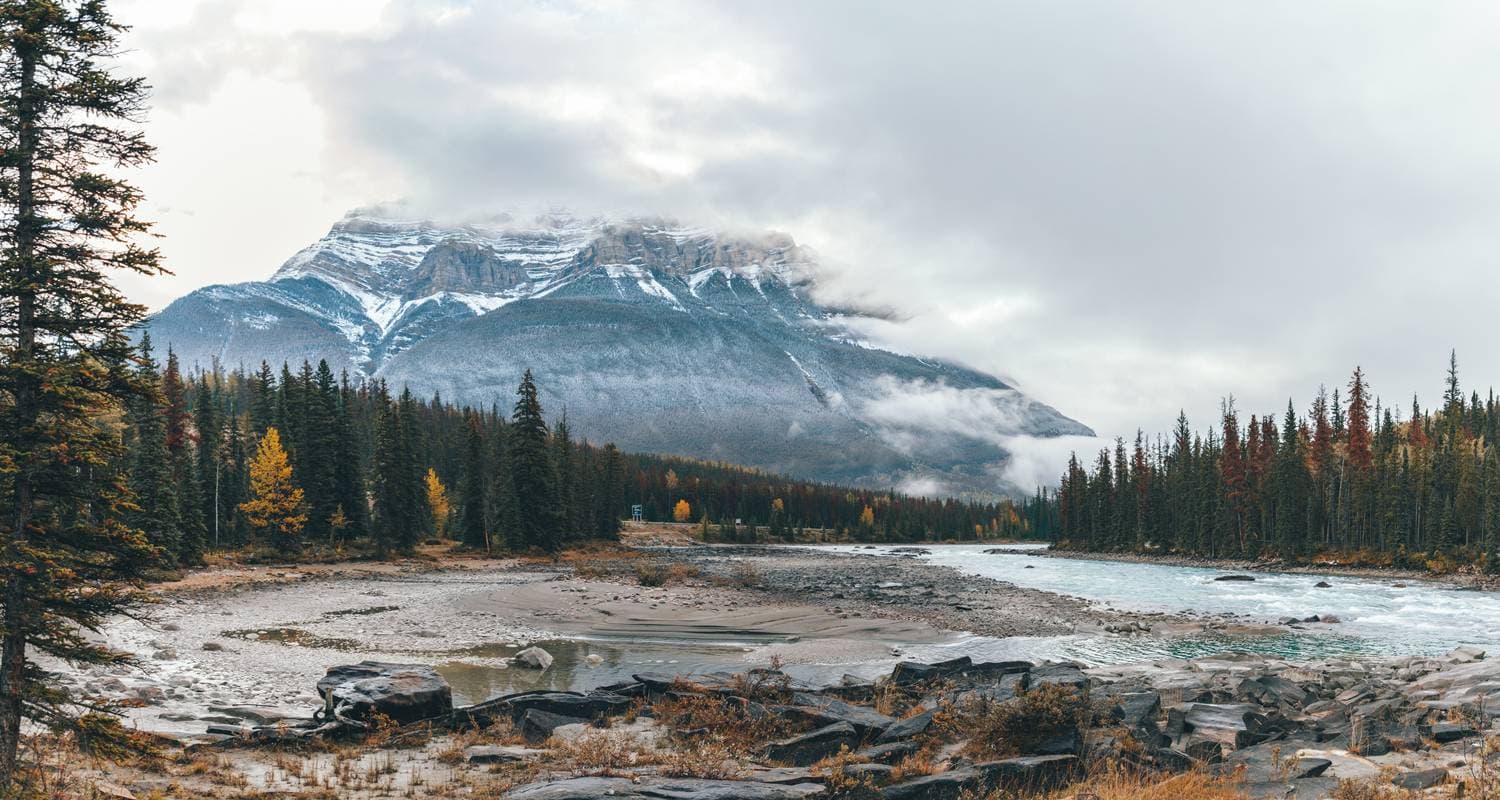
The Canadian Rockies with Alaska Cruise
20 days · Cosmos
5.0· 414 reviews✓ Instant confirmationtour from €3,765

Exploring America's National Parks
15 days · Cosmos
5.0· 351 reviews✓ Instant confirmationtour from €3,283
What three weeks unlocks
Three weeks opens up trip shapes that fourteen days cannot hold without a pacing compromise. The four big categories are multi-country circuits, expedition treks with rest, grand-tour single-country loops, and dual-destination combos that involve a serious transfer.
A full Southeast Asia circuit: Vietnam plus Cambodia plus Laos over 20 to 21 days, from Hanoi to Siem Reap to Luang Prabang with the Mekong slow boat and Halong Bay in the mix. The 18-to-21-day Intrepid and G Adventures routes sit at 2,400 to 3,600 EUR land.
A Balkans four-country loop: Croatia, Bosnia, Montenegro and Albania across 15 to 18 days, a route that needs three weeks to avoid feeling like a bus tour. 2,800 to 4,500 EUR land.
An expedition trek with rest: Everest Base Camp works well at 17 to 21 days, with 12 to 14 days trekking, two or three days to recover in Kathmandu, and an optional Chitwan extension. The shorter 14-day EBC trips land you home shattered and skip the recovery that makes the whole thing memorable. World Expeditions and KE Adventure both run 18-to-21-day versions at 2,800 to 4,500 EUR land.
An India grand tour: the Golden Triangle plus full Rajasthan plus Varanasi or Kerala across 18 to 21 days, the length that finally makes northern India plus a southern tail work. 2,800 to 5,000 EUR land.
Peru plus Galapagos: 16 to 18 days covering Lima, Cusco, Machu Picchu, the Sacred Valley and a five-day Galapagos cruise. 4,500 to 7,500 EUR land, with the cruise pushing the price up.
A Japan grand tour: Hokkaido down to Kyushu, 18 to 21 days, 6,500 to 10,000 EUR land. Exodus and InsideJapan both run this shape.
Who does three weeks well
At three weeks the field of operators narrows, because not every company runs 21-day itineraries as standard. It is a specialist length.
G Adventures: the Classic range has solid 20-to-21-day routes, among them Classic Asia (20 days), Grand Tour of Italy (21 days), Absolute India (21 days) and Amazing Latin America (20 days). The National Geographic Journeys range adds premium versions of the same circuits at roughly 40 to 50 percent more. G is at its best on the multi-country Asia and Latin America shapes.
Intrepid: the Explorer and Expedition ranges reach into the 18-to-21-day bracket far more than the Original range does. Look at Vietnam, Cambodia and Laos Explorer (21 days), Best of South India (21 days) and the Patagonia Explorer variants. Intrepid tends to sit 5 to 15 percent under G Adventures on comparable routes.
Exodus: strong on grand-tour loops in Europe, Morocco and Japan, with walking, cycling and cultural variants all on offer. Its 18-to-21-day Turkey, Italy and Japan trips are particularly well reviewed.
World Expeditions: the specialist for 18-to-21-day expedition treks, from the Everest circuits and Annapurna extensions to Kilimanjaro-plus-safari combos and full Patagonia loops. Australian-based but operating worldwide.
KE Adventure: UK-based, specialising in 18-to-21-day Himalayan expeditions. A serious trekking focus with thoughtful pacing and acclimatisation.
Cox and Kings, Wild Frontiers and Jules Verne cover the premium end of three-week trips for travellers who want a private vehicle or a small group of under twelve with smarter hotels. Expect 40 to 70 percent higher prices than Intrepid or G Adventures on comparable routes.
Real prices and flight routing
The land price for 15 to 21 days runs 3,000 to 7,000 EUR in the mainstream range and 7,000 to 15,000 EUR at the premium-to-luxury end. Economy flights come in at 400 to 1,400 EUR depending on origin, destination, season and routing, so the bundled total for most travellers lands between 3,500 and 8,500 EUR.
- 3,000-4,500 EUR land: Vietnam-Cambodia-Laos (20 days), a Balkans four-country, a Morocco grand loop, Turkey (21 days), Egypt plus Jordan plus Israel (21 days).
- 4,500-6,500 EUR land: India grand tour, Peru plus Bolivia (18 days), Patagonia (18 days), the China Silk Road (21 days), Central America three-country.
- 6,500-10,000 EUR land: Japan Hokkaido to Kyushu, Peru plus Galapagos, an 18-to-21-day East Africa safari, Antarctica-plus-Patagonia combos.
- 10,000-20,000 EUR land: private guided, premium small-group, expedition cruising.
Multi-city flight planning is where three-week trips really part ways with two-week ones. Open-jaw routing, into one city and out of another, is all but compulsory on circuits: Hanoi in, Siem Reap out; Delhi in, Mumbai or Kochi out; Buenos Aires in, Lima out. Book a round trip on a three-week circuit and you force backtracking that costs you one to three days.
Kiwi.com's multi-city search prices these within 5 to 15 percent of the round-trip equivalent on most long-haul routes. On shorter European circuits the premium can be steeper, so check both.
Shoulder-season pricing compounds harder at three weeks. A 20 percent saving across land and flights on a 6,000 EUR bundled trip is 1,200 EUR, which is real money. March-April and October to early November are the broad sweet spots, though the destination-specific shoulders vary.
The pacing trap
Three weeks of non-stop moving wears most travellers down, and this pacing trap is the single biggest reason people say they did not enjoy a three-week trip. A well-designed 21-day itinerary builds in two or three dedicated rest days in one place, plus three or four half-free days spread through the route.
Bad three-week itineraries cram 20 cities into 20 days. Good ones pick 8 to 12 anchors and accept that some days are rest days. The rhythm that works: days 1 to 3 arrival and the first region at a medium pace, days 4 to 7 the first region in earnest, day 8 a rest, days 9 to 12 the second region in earnest, day 13 a rest, days 14 to 17 the third region, day 18 a rest or slow travel day, days 19 to 21 the final region and home.
Warning signs of poor pacing: more than 14 of the 21 days include a transfer by bus, train, flight or boat; no place gets more than two nights; the daily schedule runs 7am to 8pm on more than ten days. If the brochure reads like a greatest-hits list with no pauses, that is exactly how it will feel on the ground.
Signs of good pacing: two or three places with three-plus nights; rest or free days you can actually see in the itinerary; a real mix of intensity across the trip, rotating walking days, culture days, rest days and travel days; and at least a half-day buffer on arrival.
Laundry over three weeks is easy enough if you pack for 7 to 10 days and plan two washes. Most operators build laundry stops into the hotels mid-trip and near the end, at 10 to 25 EUR a load across most of Asia and Latin America.
Budget for two mid-trip indulgences over 21 days, not one: a smarter hotel for a pair of rest-day nights, a private day, or a memorable meal. Contrast points matter more on a longer trip, because the middle can otherwise blur.
Fitting three weeks around work
Three weeks is a time-off question before it is a destination question, and the math depends a lot on where you work. A 21-day trip needs 15 working days clear, three full Monday-to-Friday weeks, and how easily you find them varies enormously.
If you have a generous leave allowance — common across much of Europe and Australia, where 20 to 30 paid days a year is normal — the move is to let weekends and any public holidays do the work at each end. Bolt the trip onto a long-weekend public holiday and you can turn 13 or 14 used days into 21 on the ground. If two public holidays bracket your dates, even better; spend them on travel and you keep the rest of your allowance for the year.
If you're in the US, three weeks straight is a bigger ask. Statutory paid leave is zero and a typical allowance is 10 to 15 days, so a full 21-day trip often means either banking a year's leave for one big trip, negotiating unpaid days, or treating it as a deliberate career break between jobs. Plenty of Americans do exactly that — a three-week trip is a classic between-roles or sabbatical move, and unpaid leave is worth asking about rather than assuming it's off the table.
Wherever you are, the long-haul logic is the same. If you are flying ten hours or more each way, three weeks makes the flight-to-trip ratio far more sensible than one or two weeks does. For Japan, Peru, Nepal, New Zealand or Southern Africa, three weeks is about the minimum for which the long haul feels worth it — which is part of why these trips suit people who only get one big journey a year.
Booking timing matters more at 21 days, because three-week trips tend to run smaller groups and fewer departures than their ten-day cousins. Mainstream operators put out a handful of departures a year on 21-day routes against dozens on seven-day ones. Book six to nine months out for peak season, three to six for shoulder. Leave it inside six weeks of a specific 21-day date and you usually find no availability rather than a last-minute deal.
Insurance for three weeks: a single-trip policy is 70 to 160 EUR for a 5,000 to 7,000 EUR bundled cost. An annual multi-trip at 100 to 200 EUR is better value if you travel at all beyond this trip, though do check the maximum single-trip length, usually 30 or 45 days.
Ready to price your trip?
Enter your origin airport and month — we'll search live flight and tour prices and give you one bundled total per person.
Find combosFAQs
What is the cheapest 3-week destination?
Southeast Asia is the clear winner on value. Vietnam plus Cambodia plus Laos at 20 to 21 days runs 2,400 to 3,600 EUR land with Intrepid or G Adventures, plus 550 to 900 EUR in flights from most origins, so the bundled total often comes in under 4,000 EUR per person. Nepal is the other strong-value choice: Everest Base Camp plus Kathmandu plus Chitwan across 18 to 21 days lands at 2,800 to 4,000 EUR land. Morocco grand loops at 21 days are budget-friendly too, at 2,500 to 3,500 EUR land, and cheaper still to reach if you're flying from Europe.
Multi-country circuit or deep single-country at 21 days?
Both work at three weeks, and the choice comes down to temperament. Multi-country circuits like Vietnam-Cambodia-Laos, a Balkans four-country or a Central America three-country suit travellers who want variety and do not mind six to eight border crossings or transfers. Deep single-country loops like an India grand tour, Japan Hokkaido to Kyushu, or Peru plus Galapagos suit travellers who would rather understand one place properly than skim several. The cost is transfer days: circuits lose three to five days to border logistics that a single-country loop keeps as travel you actually enjoy.
Is 21 days enough for a full SE Asia circuit?
Yes for three countries, no for four. Vietnam plus Cambodia plus Laos fits 20 to 21 days comfortably, with Hanoi, Halong, Hue, Hoi An, Saigon, Phnom Penh, Siem Reap, Luang Prabang and a Mekong segment. Add Thailand for a fourth country and the itinerary starts to rush; that route really needs 28 days to feel unforced. Myanmar is politically complicated right now and most operators have paused it. Stick to three countries if you want a 21-day circuit that still has room to breathe.
Everest Base Camp at 3 weeks — worth the extra length?
Yes, and meaningfully so. The 14-day EBC trips squeeze both the trek and the recovery. The 18-to-21-day versions add a decompression in Kathmandu, usually a Chitwan or Pokhara extension, and acclimatisation days that genuinely cut the altitude-sickness risk. World Expeditions and KE Adventure both run the longer shape at 2,800 to 4,500 EUR land. The case against is fitness and time, since a 14-day version uses less leave and is perfectly doable. The case for is finishing strong and rested, which changes how you remember the whole trip.
Is burnout really a risk at 21 days?
Yes, and it is the most common post-trip regret on three-week itineraries. It usually creeps in around day 10 to 12: irritability, decision fatigue, losing interest in the sights, missing home. The cause is always over-scheduling. The fix is to pick itineraries with visible rest days, two or more three-night stays, and some evenings left free. Set yourself a mid-trip rule too: one day a week with no photos, no planning and no early start. Your brain needs idle time to lay the trip down as memory rather than blur.
What do I pack differently for 3 weeks?
Less than you would think. Pack for 7 to 10 days and plan two laundry stops, because three weeks of clothes will not fit in a sensible bag and you will resent the weight by day four. Bring one comfort item, a good pillow, a silk liner, a favourite book, that you would not bother with on a shorter trip. Add a second pair of walking shoes if your itinerary has more than five active days, since rotating them halves the blister risk. A packable down jacket handles both cold-weather altitude and aircraft air-conditioning without taking up much room. And a power adapter with two USB outputs plus a small multi-port plug covers almost all your charging.
Related destinations
- Vietnam Multi-Day Tours with Flights from €650Sail Halong Bay, drift through Hoi An by lantern-light, wake…
- India Multi-Day Tours with Flights from €640Golden Triangle, Rajasthan forts, Kerala backwaters and Vara…
- Peru Multi-Day Tours with Flights from €1,900Machu Picchu at sunrise, the Sacred Valley, an Amazon lodge.…