
Mexico Multi-Day Tours with Flights from €1,600
Mexico City and Teotihuacán, the Yucatán with Chichén Itzá and cenotes, Oaxaca's markets and the Pacific beach towns. One country, four wholly different trips.
Edited by Multiday.tours editor
- ✓7-day Mexico tours from €1,150 before flights
- ✓8-day Yucatán loop (Chichén Itzá, cenotes, Tulum) from €1,900
- ✓15-day Mexico Unplugged (CDMX to Caribbean) €2,300-€2,500
- ✓Return flights Europe to MEX/CUN €650-€950 in shoulder months
- ✓Best value months: February and early November
- ✓Día de los Muertos in Oaxaca — book 6-8 months ahead, 40-60% premium
Mexico splits neatly into three regions, and the trick is working out which one you actually want. A seven-day small-group tour through Mexico City and Oaxaca runs around €1,150 per person; a classic eight-day Yucatán loop taking in Chichén Itzá, cenotes and Tulum comes to €1,900; a fourteen-to-fifteen-day Mexico Unplugged itinerary stringing together CDMX, Oaxaca, Chiapas and the Caribbean coast sits at €2,300-€2,500. Add a return flight from Europe (€500-€900, depending on season and stops) and the full package lands at €1,600-€3,400 all-in. Below we walk through realistic seven-, ten- and fourteen-day packages, how to choose between cultural depth (Oaxaca, CDMX) and Caribbean beaches (the Riviera Maya), what Día de los Muertos does to prices, and which operators handle Mexico well.
The tours doing the heavy lifting here
Prices are tour-only — add flights for the real total. You book the tour itself on TourRadar.

Mexico Yucatán Experience
11 days · TruTravels
4.8· 257 reviews✓ Instant confirmationtour from €2,019
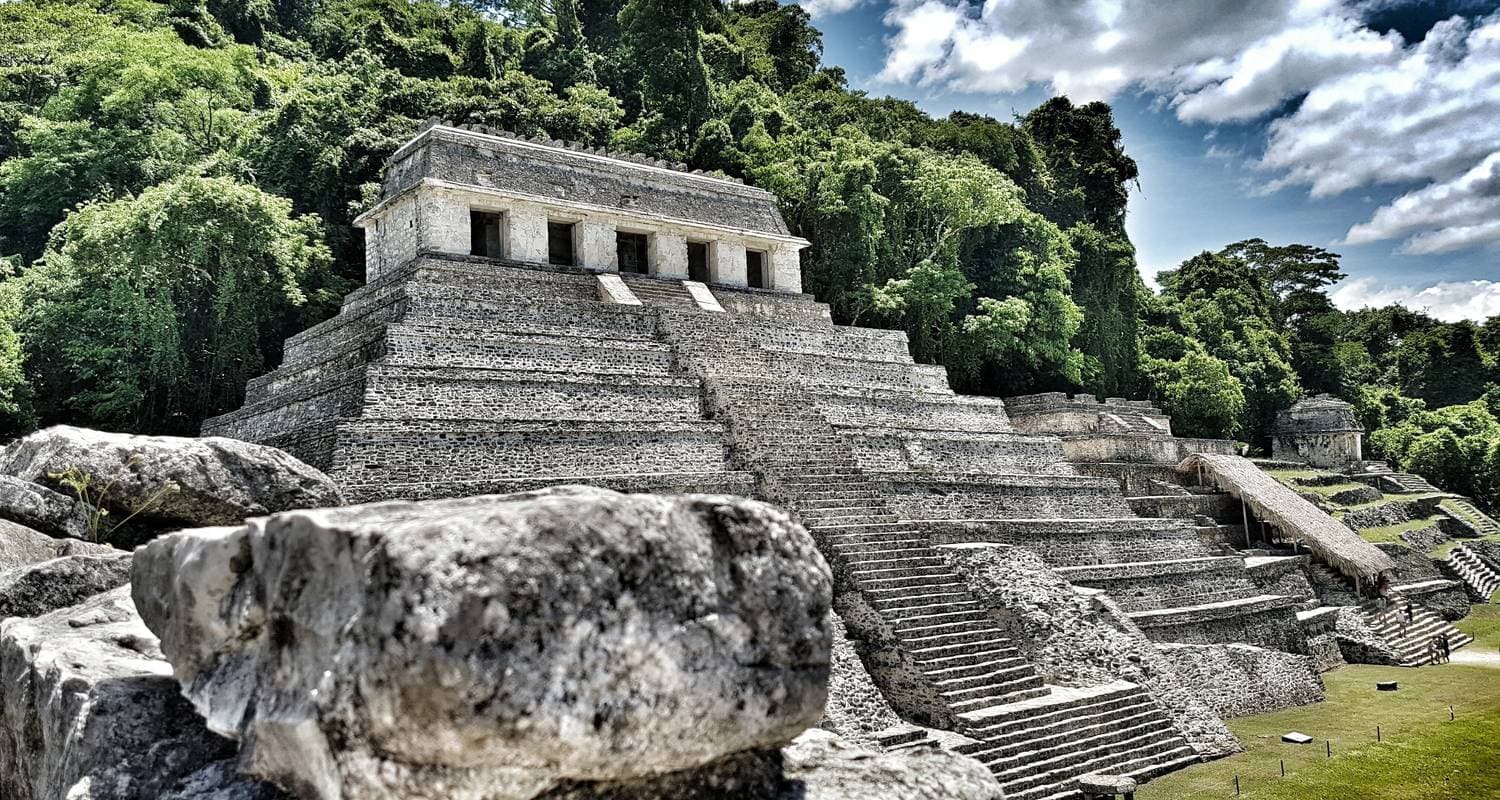
Mexico Unplugged
15 days · Intrepid Travel
4.6· 125 reviews✓ Instant confirmationtour from €2,498

Wonders of the Maya
8 days · Destination Services Mexico
4.5· 68 reviews✓ Instant confirmationtour from €1,915

Viva Mexico
14 days · INTRO Travel
4.8· 59 reviews✓ Instant confirmationtour from €2,437
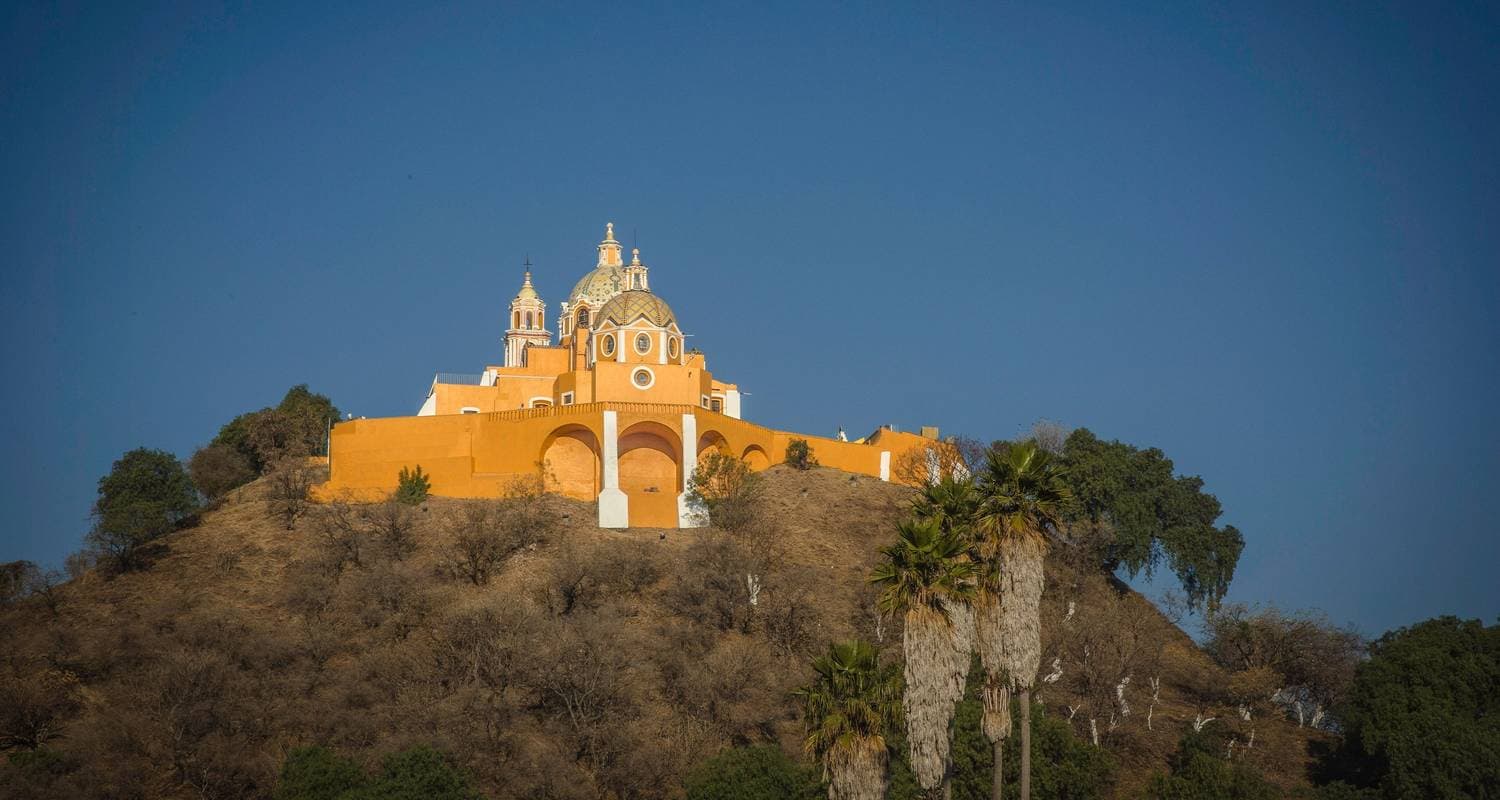
Mexico City to Oaxaca: Pottery & Aztec Pyramids
7 days · G Adventures
4.9· 43 reviews✓ Instant confirmationtour from €1,149

Maya Encounter
13 days · Intrepid Travel
4.5· 43 reviews✓ Instant confirmationtour from €1,720
The classic 7-10 day Yucatán Peninsula loop
The Yucatán loop is Mexico's single most popular tour circuit, and for obvious reasons: Maya ruins, cenotes and Caribbean beaches all in one compact corner. The standard route is Cancún → Chichén Itzá → Valladolid → Mérida → Uxmal → Tulum → Playa del Carmen → Cancún, seven or eight days.
The first day or two is usually the Cancún airport transfer and a drive to Valladolid (two hours) or straight on to Mérida (four hours). Mérida is the best colonial base in the Yucatán, and most good tours give you two nights there for the old town, the cathedral and a day trip out to Uxmal (1.5 hours south).
Chichén Itzá is 1.5 hours east of Mérida. Get there for opening at 8am to have El Castillo to yourself before the Cancún day-tripper buses roll in at 10. Two hours does it. Pair it with a cenote swim (Ik Kil or Suytun) the same day.
Tulum sits two hours south of Cancún and gets two or three nights on most itineraries: the Maya cliff ruins, the beach hotels along the narrow Tulum strip, and cenote day trips (Dos Ojos, Gran Cenote, El Pit if you dive).
Reckon on €1,900-€2,500 per person for the eight-day Wonders of the Maya-style tour with Destination Services Mexico or similar. That covers transfers, mid-range hotels, most breakfasts and all the guided site entries. Car hire is a genuine alternative, covered in section 3.
Culture-heavy alternate: Mexico City, Oaxaca, Puebla, Teotihuacán
If you want the Mexico that turns up in food writing and art history rather than beach clubs, skip the Yucatán and run the central highlands circuit instead. Seven to ten days, based in Mexico City with two extensions.
Open with three nights in CDMX. Stay in Roma Norte or Condesa, both an easy metro ride from the historic centre. Don't miss Templo Mayor and the Zócalo, Frida Kahlo's Casa Azul in Coyoacán (book four-plus weeks ahead), Chapultepec and the Anthropology Museum (give it a full day), and Xochimilco for the trajineras. The food is an itinerary in itself, from Pujol, Contramar and Quintonil at the top end to el Turix for tacos al pastor in Polanco.
Teotihuacán is a half-day out of CDMX: an hour by Uber or organised tour, three or four hours on site, back by mid-afternoon. Don't overnight there.
From CDMX, take the five-hour ADO bus or the one-hour flight to Oaxaca. Three or four nights. The markets (20 de Noviembre for food, Abastos for glorious chaos), the Monte Albán ruins, the mezcalerías, the Teotitlán weaving villages. G Adventures' Pottery & Aztec Pyramids runs this exact route for €1,150.
Día de los Muertos (October 31 to November 2) in Oaxaca is something else, the most famous version of the festival outside Mexico City. Book hotels six to eight months ahead and expect 30-50% premiums on the rooms. The Guelaguetza festival in late July is a second peak.
Puebla slots in as a one- or two-night stop between CDMX and Oaxaca: Talavera tile architecture, mole poblano, and the Cholula pyramid (which has the largest base of any pyramid in the world).
Style split: small-group, self-drive, or avoid the mega-resorts
Small-group tours are where Mexico's cultural operators really shine. Intrepid's Mexico Unplugged runs fifteen days from CDMX through Oaxaca, San Cristóbal, Palenque and up to Playa del Carmen for €2,498, the gold standard if you have the time. G Adventures' Classic Mexico Adventure covers a similar fourteen-day arc for €2,299. Exodus runs a quieter twelve-to-thirteen-day version with a slightly older crowd and more walking. Ten to sixteen travellers, English-speaking local guides, mid-range hotels, and enough free time that you never feel marched around.
The all-inclusive Cancún and Riviera Maya mega-resorts are a different product entirely, sold by a different industry. If you want a week of swim-up bars, buffets and a hotel complex the size of a village, they'll deliver. If you want any real sense of Mexico, the food, the culture, the people, the language, give them a wide berth. The Riviera Maya resort strip is built to keep you on-property, and the excursions sold at the activities desk are marked up steeply. Book one only if the plan is beach, pool and no thinking.
Self-drive Yucatán is the quiet winner. The roads are good, the signage is fine, Mexican car hire runs €30-€50 a day, and you can drive the same Mérida-Chichén Itzá-Valladolid-Tulum loop independently for half the price of an organised tour. The one thing to watch is the fake insurance upsell at the hire counter: pre-pay full insurance through your booking platform and turn down every extra at the desk. Self-drive doesn't work for CDMX (parking is impossible, the traffic brutal) or Oaxaca (winding mountain roads, worth a driver).
Private and family tours run €2,500-€4,500 per person for ten days with a guide and driver throughout. Worth it for families with kids under ten, or anyone who wants Spanish-speaking support on the ground.
Best time to visit Mexico and what each season costs
The dry season runs November to April across most of Mexico. This is high season and the prices say so: hotel rates on the Yucatán coast run 20-30% above the annual average, CDMX and Oaxaca a little less. December 20 to January 5 and the week around US spring break (mid-March) are the crunch points, so book six months or more ahead.
February and November are the sweet spots: dry, warm (25-30°C on the coast, 18-22°C in CDMX), with the crowds thinning out between the Christmas and spring-break peaks. The cenote water is at its clearest January to March.
The rainy season is May to October. June to August brings afternoon thunderstorms most days, short, heavy, and usually blown through within the hour. Temperatures on the Yucatán coast climb to 32-34°C with high humidity, while inland (CDMX, Oaxaca) stays more comfortable. Hotel prices drop 15-25%.
Hurricane risk is real on the Yucatán and Pacific coasts from August through October, peaking mid-September to mid-October. Historical strike rates are modest (one to three major hurricanes a season across the whole coastline), but if one lands on your week, expect two or three days of airport closures. Travel insurance with hurricane cover is the sensible call for these months.
Día de los Muertos runs October 31 to November 2, and Oaxaca is the destination everyone heads for. Hotel rates leap 40-60% for the week, and small guesthouses often sell out eight or nine months ahead. Mexico City's version (built around the Zócalo parade that was added after the 2015 James Bond film) is busier but easier to book late. If Día de los Muertos is your reason to come, plan the whole trip around those dates and book accordingly.
Flight prices from Europe peak around Christmas, Easter and July-August. February, late April, early November and early December are the cheapest windows.
Flights to Mexico: MEX, CUN, OAX and which airport to aim for
Three airports matter. Mexico City International (MEX) is the main hub and the way in for CDMX and highlands trips. Cancún (CUN) serves the whole Yucatán coast and the Riviera Maya. Oaxaca (OAX) is a smaller regional airport worth flying into only if Oaxaca is where you're based.
From the US, Mexico is about as easy as international travel gets, and for many travellers it is closer than a domestic coast-to-coast hop. New York, Miami, Dallas, Houston, LA, Atlanta and Chicago all run multiple daily non-stops to both MEX and CUN, flight times of just 2 to 5 hours, no jet lag worth the name. Fares are typically US$300-$600 round-trip in economy, less in the shoulder months, and the Yucatán in particular is a quick, cheap winter escape from the eastern and central states. This is the natural quick getaway it's marketed as.
From Canada, it is nearly as straightforward: Air Canada and WestJet fly Toronto, Montréal, Calgary and Vancouver direct to both MEX and CUN, 4 to 6 hours, C$450-$800 return, with heavy winter capacity to Cancún.
From Australia, Mexico is a genuine long-haul and there is no direct route. You connect through a US gateway (LA, Dallas or Houston) or occasionally via Santiago, for total travel time around 18 to 22 hours and round-trips of A$2,000-$3,200. Build in a US transit, but Mexico pairs neatly with a wider Americas trip from this far out.
From the UK and Europe, the direct options are thinner. Iberia runs the only non-stop Madrid-MEX (eleven hours, daily). Air France and KLM fly Paris and Amsterdam to MEX on codeshares, and Lufthansa runs Frankfurt-MEX. From the UK, British Airways flies London-MEX direct and London-CUN seasonally. Expect €650-€950 return in the shoulder months, €850-€1,200 over July-August and Christmas; from smaller European cities a US-hub connection (Miami, Atlanta, Houston, New York or Dallas) is often €150-€300 cheaper. Cancún also pulls in winter charter traffic with Condor, TUI and Air Europa from Frankfurt, Amsterdam, Madrid and London, sometimes €100-€200 below the MEX fare if you're happy to start in the Yucatán.
Whatever your home airport, the live bundle prices the flight from there in your own currency right beside the tour, so you see the full per-person total before you commit. Internal flights earn their keep on the longer tours: MEX-Oaxaca is an hour on Aeroméxico or Volaris (€60-€120), MEX-Cancún two hours (€80-€180). Book those directly with Volaris or Aeroméxico rather than through overseas OTAs, where the fares run meaningfully higher.
Ready to price your trip?
Enter your origin airport and month — we'll search live flight and tour prices and give you one bundled total per person.
Find combosCommon questions
How much does a Mexico tour cost with flights?
All-in from Europe, €1,600-€2,100 for a seven-day CDMX-and-Oaxaca cultural tour, €2,300-€2,800 for an eight-day Yucatán loop with Chichén Itzá and Tulum, and €2,900-€3,400 for a fourteen-to-fifteen-day Mexico Unplugged that covers both regions. Those figures bundle a small-group tour (€1,150-€2,500 depending on length), return flights Europe to MEX or CUN (€650-€950 in the shoulder months), and another €300-€500 of spending money for lunches, mezcal tastings and cenote entries. Book flights four to five months ahead for the best fares.
Is Mexico safe for tourists in 2026?
The honest answer is that it depends where. The standard tour circuit, CDMX (Roma, Condesa, Centro), Oaxaca, Mérida, the Yucatán coast, Puebla, San Cristóbal, is broadly safe with the usual petty-theft precautions. Some states carry high-risk foreign-ministry advisories (Sinaloa, Tamaulipas, Michoacán, Guerrero outside Acapulco proper, parts of Zacatecas and Colima), and no reputable operator routes through them. Violence in Mexico is overwhelmingly cartel-related and concentrated in specific corridors; tourists are rarely the target. Check your country's current advisory before you book, and don't drive at night outside the cities.
All-inclusive Cancún or cultural tour — which should I book?
Two different things. An all-inclusive Riviera Maya resort is a beach holiday in Mexico; a cultural tour is a trip about Mexico. If you want to see Chichén Itzá properly, eat real Yucatecan food, get to Mérida, or pair the Yucatán with Oaxaca or CDMX, a small-group cultural tour is the one to book. If you want a week of pool, buffet, all drinks in and zero planning, an all-inclusive does that efficiently. You can always do both: three nights at a resort plus a five-day Yucatán cultural tour works a treat.
Can I do a cenote diving tour in Mexico?
Yes, and the Yucatán has the finest cavern and cave diving anywhere on earth. Dos Ojos, The Pit, Angelita, Chac Mool and Carwash are the famous sites, all 30 to 60 minutes from Tulum or Playa del Carmen. Cavern diving (with natural light in sight and no overhead decompression) needs an Open Water certification and runs €120-€180 for two tanks. Full cave diving calls for a Cave Diver certification (a €1,500-plus course) and is a different commitment altogether. Freediving cenote tours are the gentler option at €60-€100 for a half-day. The visibility peaks January to April.
What is Día de los Muertos tourism like?
Intense, and worth it if you plan properly. Oaxaca is where most people head: the main cemetery at Xoxocotlán fills with candlelit family vigils on November 1-2, and the city centre runs comparsas (masked parades) for a week either side. Book hotels six to eight months ahead, and expect 40-60% price premiums and two-to-three-night minimum stays. Mexico City's Zócalo parade (added after the 2015 James Bond film) pulls huge crowds but is easier to book late. Tread carefully, though: the cemetery visits are family occasions, not photo ops, and a guided tour helps you read the etiquette.
What should I pack for a Mexico tour?
For the Yucatán and Pacific coasts: swimwear, quick-dry shorts, sandals with grip for the cenote rocks, reef-safe sunscreen (regular sunscreen is banned in cenotes and many resorts), a rash vest for snorkelling, and a light waterproof for the summer afternoon rain. CDMX and Oaxaca sit at 2,200m and 1,500m respectively and the evenings turn cool, so pack a jumper and long trousers. Good walking shoes are non-negotiable for the ruins, since Chichén Itzá, Monte Albán and Teotihuacán all mean a lot of uneven stone underfoot. Bring insect repellent for the jungle cenotes and Chiapas, and carry euros or dollars to exchange rather than traveller's cheques.
Related destinations
- Costa Rica Multi-Day Tours with Flights from €1,600Arenal, Monteverde, Manuel Antonio and the Guanacaste beache…
- Peru Multi-Day Tours with Flights from €1,900Machu Picchu at sunrise, the Sacred Valley, an Amazon lodge.…
- Argentina Multi-Day Tours with Flights from €1,900Tango in Buenos Aires, the thunder of Iguazu, Malbec in Mend…
Related tour styles
Pick by trip length
Plan this trip from your city
- Multi-Day Tours from New York with Flights IncludedMulti-day tours from New York with flights included — one US…
- Multi-Day Tours from Los Angeles with Flights IncludedPackage tours from Los Angeles with flights included — one U…
- Multi-Day Tours from Sydney with Flights IncludedLeaving Australia means a long-haul flight whether you like …
- Multi-Day Tours from Toronto with Flights IncludedPearson is Canada's biggest long-haul hub, and with a weak l…
- Multi-Day Tours from London with Flights IncludedBuilt for London travellers: LHR for long-haul, LGW for Euro…